
 English
  Español
  Deutsch
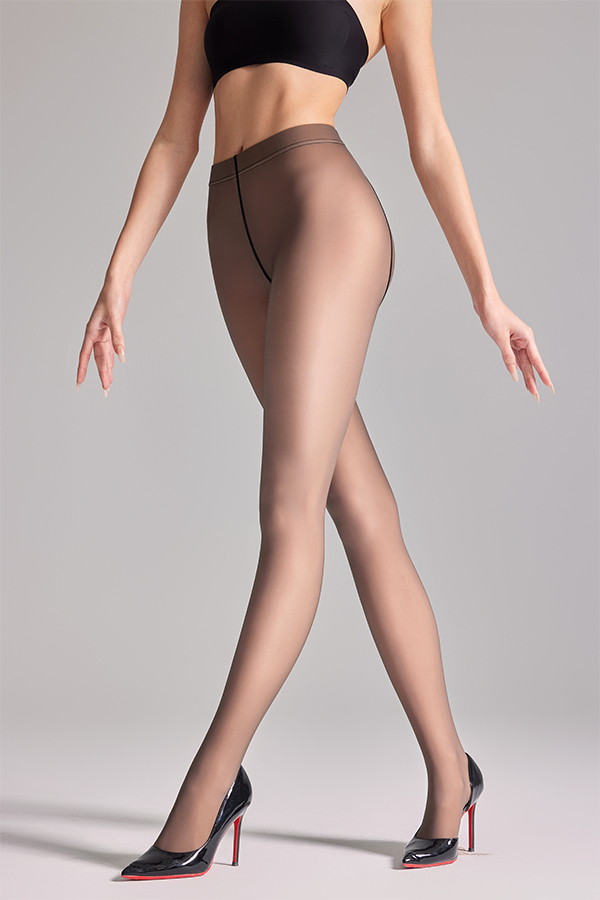
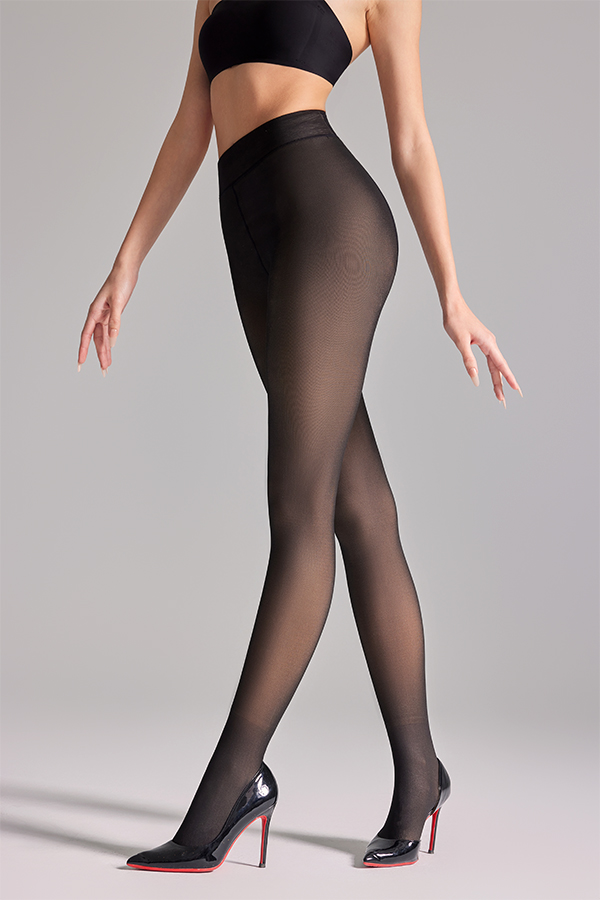
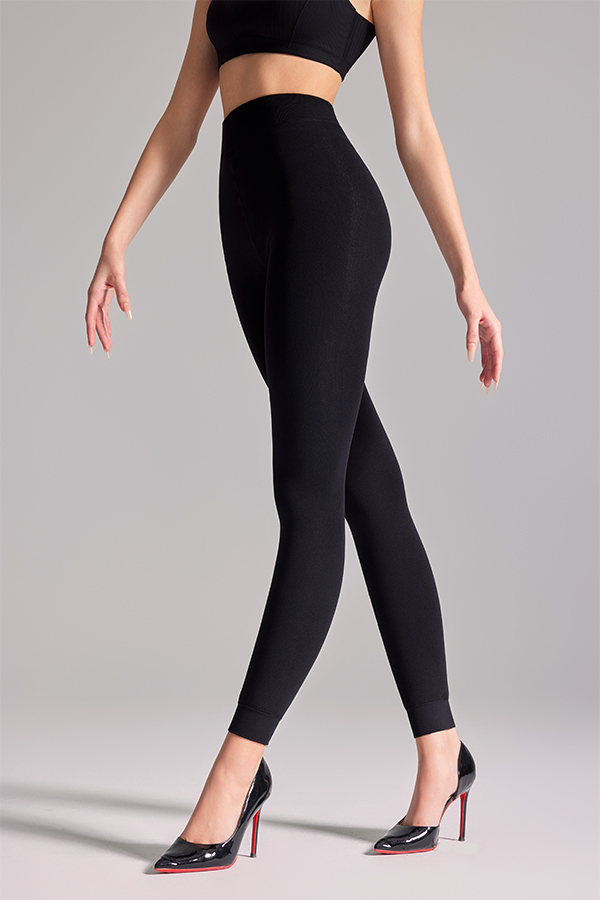
 Expanded panel thermal opaque tights

Our provided products
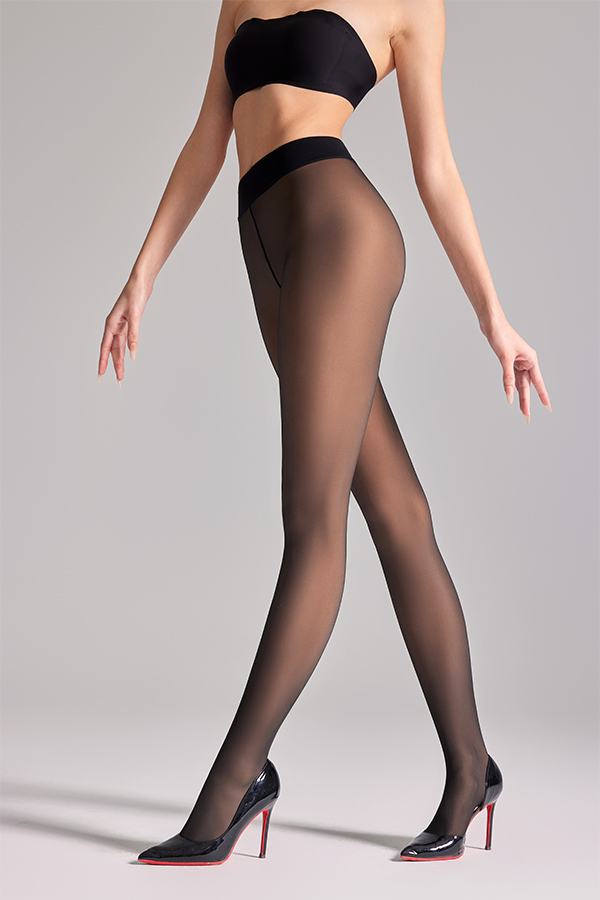
In modern hosiery, the best sheer tights must do more than look delicate. They must combine beauty, comfort, durability, fit stability, and production consistency in one garment. The V-line brief run-resistant sheer tights are designed for customers who want a refined appearance without sacrificing practical performance. With a 15D sheer texture, a flattering V-line waistband, and a nylon-spandex fiber composition, this product brings together the polished look of classic pantyhose and the comfort expected in contemporary legwear.
These tights are especially suitable for dresses, skirts, office wear, formal outfits, retail fashion collections, private-label hosiery programs, and everyday elegant styling. Their sheer finish creates a smooth, light, and graceful leg appearance, while the run-resistant construction improves confidence during daily use. For buyers, distributors, wholesalers, and fashion brands, the product also offers strong customization potential, including customizable colors, sizes, and packaging options.
Behind the product is a vertically integrated manufacturing system built by Zhejiang Chenyu Knitting Co., Ltd., a hosiery manufacturer founded in 1989 in Dongyang, Zhejiang, China. With decades of experience and a complete production chain covering yarn research and development, spinning, elasticizing, yarn wrapping, greige weaving, piecing, dyeing, shaping, full inspection, and packaging, the company is positioned to provide stable OEM hosiery solutions for global markets.
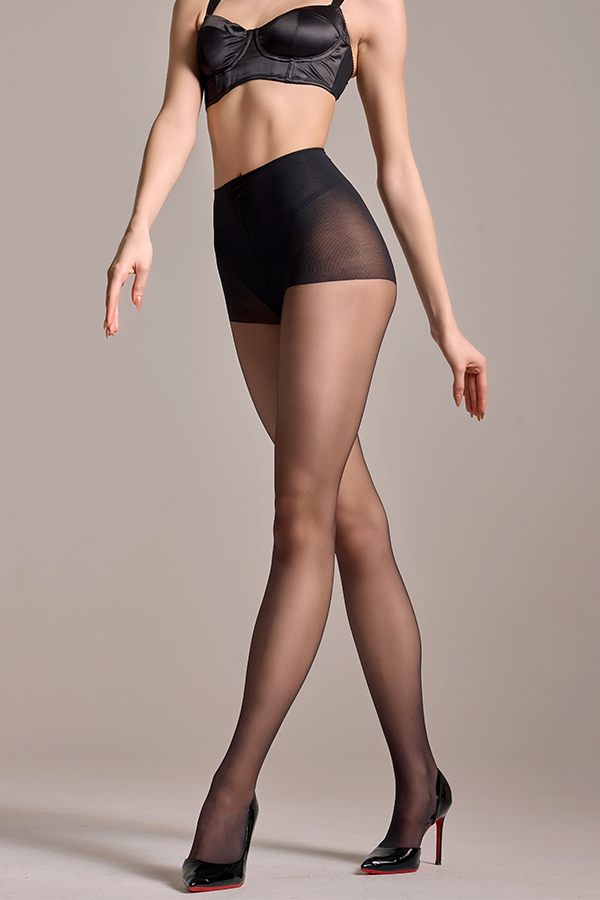
V-line brief run resistant sheer tights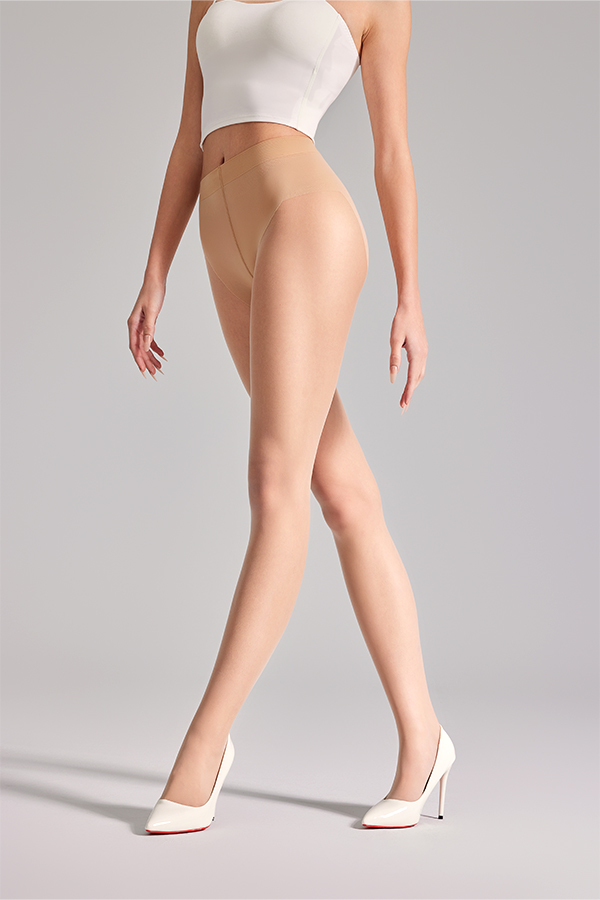
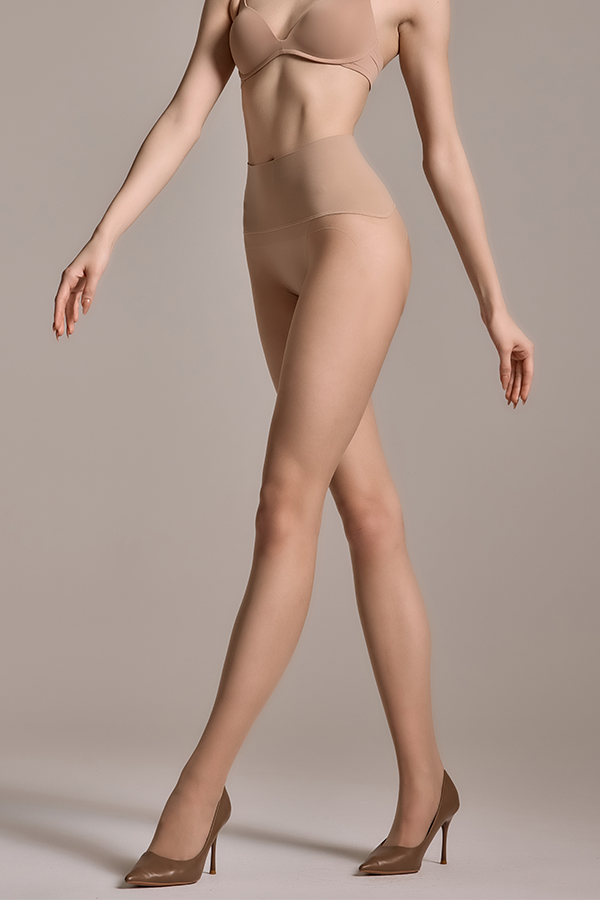
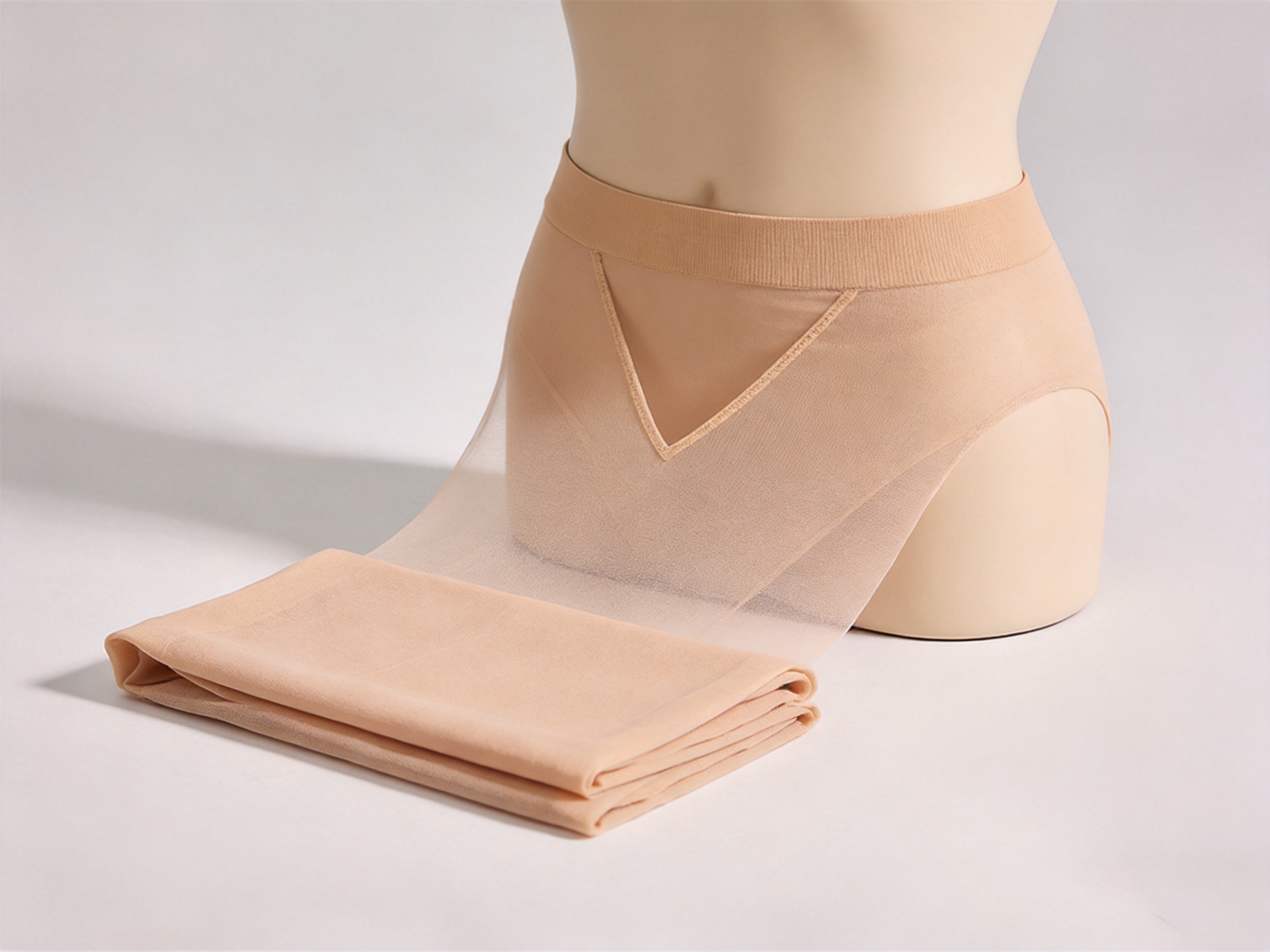
The V-line brief run-resistant sheer tights are a 15D sheer hosiery product developed for wearers who value a refined silhouette and a secure yet comfortable fit. The “V-line” waistband is a key design element. Unlike many standard waistbands that sit in a straight horizontal line, the V-line shape visually enhances the waist and hip area, helping the tights follow the natural curve of the body. This creates a more flattering appearance under dresses, skirts, and formal outfits.
The product uses nylon and spandex as its main fiber content. Nylon provides a smooth, lightweight, and sheer surface, while spandex adds elasticity and recovery. This combination helps the tights stretch comfortably over the legs and return to shape after wear. The result is a flexible garment that fits closely without feeling overly restrictive.
At 15 denier, these tights are light and transparent enough to create an elegant bare-leg effect while still offering a polished finish. This makes them suitable for business wear, evening outfits, events, hospitality uniforms, retail fashion collections, and daily styling. Their sheer appearance gives the legs a delicate, refined look, while the run-resistant feature helps address one of the most common concerns in sheer hosiery: sudden laddering or tearing.
For professional buyers, the product is also attractive because it can be customized in colors and sizes. Customization is essential in hosiery sourcing because different regions and retail brands often require different skin-tone shades, seasonal colors, size ranges, packaging styles, and private-label presentation. With a minimum order quantity of 2000 pieces per size and color, the product is suitable for structured wholesale and OEM programs.
| Item | Specification | Benefit for Buyers and Wearers |
|---|---|---|
| Product Type | Sheer tights | Suitable for fashion, office, formal, and daily wear markets |
| Style Feature | V-line brief waistband | Creates a flattering waistline and comfortable body fit |
| Denier | 15D | Lightweight, transparent, and elegant appearance |
| Fiber Content | Nylon and spandex | Combines smoothness, elasticity, and shape recovery |
| Fabric Function | Run-resistant construction | Improves durability compared with ordinary sheer tights |
| Colors | Customizable | Supports brand collections and regional market preferences |
| Sizes | Customizable | Allows flexible size grading for different customer groups |
| MOQ | 2000 pieces per size and color | Suitable for OEM, wholesale, and private-label production |
| Carton Packing | 200 pieces per carton with OPP bag as standard; customizable | Supports efficient logistics and tailored retail presentation |
Denier is one of the most important technical indicators in hosiery. It refers to the thickness of the yarn used in the fabric. A lower denier generally indicates a lighter, finer, and more transparent appearance. At 15D, these tights sit in the classic sheer category, offering an elegant visual effect while remaining practical for daily and formal wear.
Many customers choose 15D tights because they provide a polished finish without creating a heavy or opaque look. They are particularly useful in transitional seasons, professional settings, weddings, banquets, performances, hospitality uniforms, and fashion retail collections. The lightness of the fabric allows the legs to appear naturally smooth, making the tights versatile across many outfits and occasions.
However, sheer tights are traditionally associated with fragility. Thin yarns can be vulnerable to snags, ladders, and accidental tearing. This is where run-resistant design becomes especially valuable. By improving the structural stability of the fabric, the tights can offer a more dependable wearing experience than ordinary ultra-sheer products. For end consumers, this means fewer worries during daily movement. For retailers, it can mean higher customer satisfaction and stronger repeat purchase potential.
The V-line brief waistband is one of the defining features of this product. Conventional tights often use a straight waistband that may cut into the waist, roll down, or create visible lines under fitted clothing. A V-line waistband is designed to follow the body’s natural shape more gracefully. It can help distribute pressure more evenly around the waist and lower abdomen, improving comfort during long wear.
From an aesthetic perspective, the V-line shape creates a more flattering visual contour. It draws attention to the waistline and helps the body area of the tights look less bulky. This is particularly valuable for fashion-conscious consumers who want tights that look elegant not only on the legs but also around the waist and hip area.
For brands and distributors, this feature helps distinguish the product from basic commodity hosiery. Many low-cost tights compete only on price, but modern consumers increasingly care about fit, comfort, body shaping, and styling details. A thoughtfully designed waistband can become a selling point in e-commerce product pages, retail packaging, showroom presentations, and wholesale catalogs.

Run resistance is a major advantage in sheer hosiery. One of the most common complaints from consumers is that delicate tights can develop runs after contact with nails, shoes, bags, rough surfaces, or even minor accidental pulls. While no sheer hosiery can be completely immune to damage, run-resistant construction is designed to reduce the likelihood of small snags immediately turning into long ladders.
This performance characteristic gives the wearer greater confidence. Whether the tights are worn to the office, an event, a dinner, or during travel, the consumer wants a product that remains presentable throughout the day. Run-resistant sheer tights provide a balance between fine appearance and practical durability.
Compared with ordinary low-cost sheer tights, this product offers a more value-oriented proposition. Instead of focusing only on low unit cost, it addresses the full experience of use: putting the tights on, wearing them for hours, moving comfortably, maintaining a smooth look, and reducing the inconvenience caused by sudden fabric failure. In competitive retail markets, these benefits can support better product positioning and stronger brand reputation.
The use of nylon and spandex is central to the performance of the V-line brief run-resistant sheer tights. Nylon is widely used in hosiery because it can be made into fine, smooth, and lightweight yarns. It contributes to the sheer visual effect and provides a soft hand feel. It also supports dyeing performance, allowing manufacturers to create a wide range of skin tones, fashion shades, and seasonal colors.
Spandex provides stretch and recovery. Without sufficient elasticity, tights may sag, wrinkle behind the knees, or feel tight in certain areas while loose in others. Spandex helps the garment conform to the legs and body, improving comfort and appearance. It also allows the product to accommodate movement, whether the wearer is walking, sitting, standing, commuting, or attending an event.
The balance between nylon and spandex must be carefully controlled. Too little elasticity may reduce fit quality, while too much compression may make the tights feel restrictive. Experienced hosiery manufacturing requires knowledge of yarn selection, knitting tension, heat setting, dyeing behavior, and final garment measurement. This is where a manufacturer with a complete production chain can deliver more consistent results than a supplier relying heavily on outsourced processes.
Lightweight hosiery should feel comfortable throughout the day. The 15D sheer construction of these tights helps maintain breathability and reduces the heavy feeling sometimes associated with thicker legwear. For consumers who wear tights in professional or formal settings, comfort is not optional. A product may look beautiful at first, but if it causes discomfort after several hours, it is unlikely to earn repeat purchases.
The V-line waistband improves the wearing experience by helping the body section sit securely without excessive pressure. The elastic nature of the nylon-spandex fabric supports freedom of movement. The sheer finish helps the tights pair easily with many types of clothing, from light dresses to tailored skirts and formal uniforms.
Comfort is also a commercial advantage. In the hosiery market, consumers often develop loyalty to products that feel good and perform reliably. For brands, offering comfortable sheer tights can strengthen customer retention and reduce negative feedback related to rolling waistbands, poor elasticity, rough texture, or inconsistent sizing.
The V-line brief run-resistant sheer tights are versatile. Their refined appearance makes them suitable for both everyday and occasion-based wear. In office environments, they create a professional leg finish without drawing excessive attention. For formal events, they add polish and elegance. In fashion retail, they can be styled with dresses, skirts, coats, blouses, and footwear ranging from heels to flats.
Because colors are customizable, brands can develop collections for different market needs. Classic nude shades can serve business and formal categories. Black can support evening wear and seasonal fashion. Custom fashion colors can be used for trend-driven collections, promotional capsules, or private-label differentiation. Size customization also allows the product to be adapted for local body measurements and retail expectations.
This versatility makes the product valuable for buyers seeking a reliable core hosiery style. Rather than serving only a narrow niche, the tights can be positioned across multiple channels: department stores, online shops, fashion boutiques, uniform suppliers, private-label brands, and wholesale distributors.
Many sheer tights available in the market are designed primarily for low cost. While such products may be acceptable for one-time or occasional use, they often suffer from weak elasticity, poor waistband comfort, inconsistent sizing, limited durability, and unattractive finishing. The V-line brief run-resistant sheer tights are designed to compete on a higher level of value.
First, the V-line waistband provides a more considered fit than many basic straight-waist designs. This improves both comfort and visual appeal. Second, the run-resistant fabric addresses durability concerns that commonly affect sheer tights. Third, the 15D sheer appearance provides elegance without unnecessary heaviness. Fourth, the nylon-spandex composition supports smoothness, stretch, and recovery. Fifth, customization options allow brands to adapt the product to their own markets rather than accepting a one-size-fits-all solution.
In addition, the manufacturer’s integrated production system offers advantages in quality control and production consistency. When yarn preparation, knitting, dyeing, shaping, inspection, and packaging are managed within a coordinated system, it becomes easier to maintain technical standards and respond to OEM requirements. This is especially important for brands that need repeat orders to match previous batches in color, size, feel, and overall quality.
Zhejiang Chenyu Knitting Co., Ltd. was founded in 1989 and has developed over decades into a manufacturer with a complete pantyhose production chain. This is a major strength in hosiery manufacturing because each step of production influences the final product. A problem in yarn quality can affect knitting. A problem in knitting tension can affect fit. A problem in dyeing can affect color consistency. A problem in shaping can affect size stability. A problem in inspection can affect customer satisfaction.
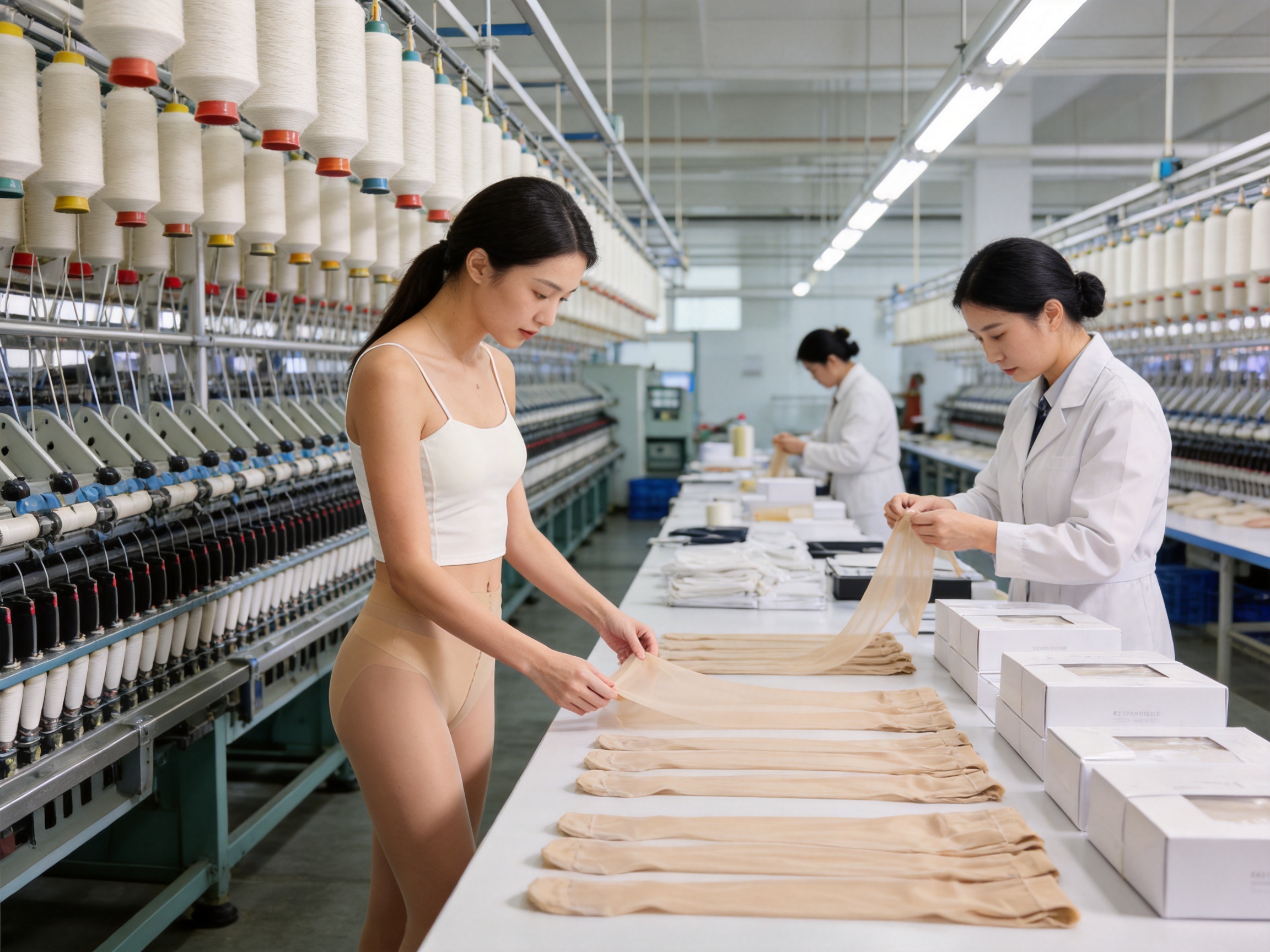
The company’s one-stop production system covers yarn research and development, spinning, elasticizing, yarn wrapping, greige weaving, piecing, dyeing, roughening, shaping, full inspection, and packaging. This structure allows the manufacturer to control the product from raw material preparation to finished goods. For OEM buyers, such control is valuable because it reduces uncertainty and supports more predictable quality.
In hosiery production, technical experience matters. Sheer tights require delicate yarn handling, stable knitting equipment, precise dyeing conditions, careful shaping, and strict inspection. A 15D product is especially demanding because the fine fabric can reveal defects more easily than heavier products. Uneven knitting, color streaks, poor seam quality, or inconsistent elasticity can quickly affect the final appearance. Integrated manufacturing helps reduce these risks.
Quality hosiery begins with yarn. The selection and preparation of nylon and spandex directly affect smoothness, elasticity, sheerness, hand feel, durability, and dyeing performance. Yarn research and development allows a manufacturer to adjust materials according to product goals. For run-resistant sheer tights, yarn behavior must support both delicacy and structural stability.
When a factory has experience in yarn development, it can better match yarn specifications with knitting designs. This is important because hosiery is not simply cut and sewn from fabric; it is engineered through knitting. Yarn tension, loop formation, elasticity, and finishing all interact. By managing these variables, the manufacturer can create tights that feel comfortable and look consistent.
For OEM customers, yarn knowledge also supports customization. Different buyers may request softer touch, stronger recovery, specific color effects, improved durability, or cost-optimized versions. A manufacturer with upstream expertise is better able to evaluate such requests and recommend practical solutions.
Spinning, elasticizing, and yarn wrapping are key processes in creating hosiery yarns with the desired performance. Elasticizing helps give yarn stretch and bulk characteristics suitable for legwear. Yarn wrapping can combine different fiber properties, such as the smoothness of nylon and the stretch of spandex. These processes affect how the final tights stretch, recover, and feel against the skin.
In lower-control supply chains, yarn inconsistencies may not be discovered until later production stages. By that time, significant waste and delays may occur. A more integrated manufacturer can monitor yarn quality earlier and adjust processing parameters before large-scale knitting begins. This improves production efficiency and helps maintain consistent finished goods.
For the V-line brief run-resistant sheer tights, stable yarn preparation is essential because the product depends on fine 15D aesthetics and reliable stretch. Poor yarn control could cause uneven transparency, weak points, or inconsistent hand feel. Advanced preparation helps protect the final product’s appearance and performance.
Greige weaving or knitting refers to the creation of the unfinished hosiery fabric before dyeing and finishing. This stage determines much of the garment’s structure. For sheer tights, the knitting must be smooth, even, and technically controlled. The loops must be uniform, the elasticity must be balanced, and the fabric must support the run-resistant design.
Precision in knitting is a key advantage over competitors that rely on less controlled production. Even minor variation can affect the way tights fit around the calf, thigh, hip, and waist. Inconsistent knitting can also create visible defects when the fabric is stretched over the leg. Because sheer tights are transparent, quality problems are often easy for consumers to notice.
The V-line brief design also requires careful construction in the body area. The waistband and brief section must fit securely while preserving comfort. If the waistband is too tight, it may dig in. If too loose, it may slide down. If the body rise is poorly graded, the tights may feel uncomfortable. Manufacturing precision is therefore essential to translating the product concept into a reliable finished garment.
After knitting, hosiery components are assembled through piecing and seaming. This stage affects comfort, appearance, and durability. A smooth seam reduces irritation and improves the way the tights sit under clothing. Consistent construction also helps ensure that each pair performs similarly when worn.
For sheer tights, seam quality is particularly important because bulky or uneven seams can show under fitted garments. A refined product should provide a polished appearance from waist to toe. The V-line brief run-resistant sheer tights are intended to combine elegance and practicality, so the construction must support both visual appeal and wearing comfort.
Compared with generic hosiery, better seaming and garment construction can significantly improve customer perception. Consumers may not always understand the technical details, but they immediately notice when tights feel smoother, sit better, and look more refined. For retail brands, such details help create premium value.
Color is one of the most important factors in hosiery sales. Skin-tone shades must match local consumer preferences, while fashion colors must align with seasonal trends. Black, nude, beige, coffee, grey, and other shades may each serve different markets. Because this product offers customizable colors, buyers can develop assortments that suit their customer base.
Dyeing sheer tights requires technical control. The fabric must absorb dye evenly, and the final color must remain consistent across production batches. With sheer hosiery, uneven dyeing can become highly visible when worn. Color streaks or mismatched panels can reduce product value and increase returns.
A manufacturer with in-house dyeing capability has stronger control over color development and batch consistency. This is a major advantage for OEM clients who need repeatable shades for ongoing retail programs. It also allows faster sampling, adjustment, and approval compared with supply chains that depend entirely on external dyeing partners.
Shaping is a critical process in hosiery manufacturing. It helps define the final dimensions, improves appearance, and supports fit consistency. During shaping, heat and form are used to set the garment into the intended size and silhouette. For 15D sheer tights, shaping must be carefully managed to avoid damaging the delicate fabric while still achieving stable results.
Good shaping helps the tights look neat in packaging and fit properly when worn. It can also reduce twisting, uneven length, and poor recovery. For customers, this translates into a better first impression and a more comfortable experience. For retailers, it supports attractive presentation and fewer complaints related to sizing inconsistency.
Because sizes are customizable, accurate shaping is especially important. Different markets may require different height and weight ranges, waist measurements, hip measurements, or leg lengths. A manufacturer with strong shaping expertise can support these requirements more effectively.
Inspection is essential in hosiery production because small defects can strongly affect consumer satisfaction. Runs, holes, uneven color, weak seams, poor elasticity, stains, and packaging errors can all damage a brand’s reputation. Full inspection helps identify problems before products leave the factory.
For sheer tights, inspection must be especially careful because fine yarns and transparent fabric can reveal imperfections. The product’s run-resistant claim also makes it important to check fabric integrity and production consistency. A reliable inspection process supports both functional performance and visual quality.
For OEM buyers, full inspection provides confidence. It helps ensure that cartons contain goods that meet agreed specifications, including color, size, quantity, packaging method, and appearance. This reduces risk in international trade, where returns and replacements can be costly and time-consuming.
The standard packing information indicates 200 pieces per carton with OPP bag packaging, and packaging can be customized. This flexibility is valuable because different buyers have different distribution needs. Some wholesalers prefer simple bulk packaging to reduce cost and improve warehouse efficiency. Retail brands may require printed cards, bags, boxes, labels, barcodes, size stickers, multilingual information, or premium presentation.
Custom packaging helps transform the same technical product into different market offerings. For example, a fashion boutique brand may choose elegant retail packaging, while an online seller may prioritize compact protective packing. A uniform supplier may prefer practical labeling and easy carton identification. By supporting packaging customization, the manufacturer helps buyers build products that match their sales channels.
Efficient carton packing also matters for logistics. Hosiery is lightweight but can involve large quantities. Clear carton standards help simplify storage, shipping, counting, and distribution. For OEM orders, packaging reliability is part of the overall service experience.
The V-line brief run-resistant sheer tights are well suited for OEM and private-label programs. The product combines a proven market category with distinctive design features and customization options. For brands, this means they can introduce an elegant sheer tight without developing the entire production process from the ground up.
OEM buyers may customize size grading, colors, packaging, and potentially other product details according to market needs. This flexibility supports different sales strategies. A brand may position the product as an everyday essential, a premium sheer tight, a formalwear accessory, a fashion hosiery item, or part of a seasonal collection.
The manufacturer’s complete industry chain adds value to OEM cooperation. When product development, production, dyeing, inspection, and packaging are coordinated, communication can be more efficient. Buyers can discuss technical requirements with a supplier that understands the full process, rather than dealing with fragmented vendors. This can shorten development cycles and improve order reliability.
Modern hosiery buyers increasingly consider environmental impact. The company’s profile emphasizes the adoption of sustainable fabrics to reduce environmental impact and contribute to a greener future. In the textile industry, sustainability can involve material selection, efficient production, waste reduction, dyeing control, energy management, packaging choices, and longer-lasting product design.
Run-resistant performance can contribute to more responsible consumption by improving the usable life of sheer tights compared with products that fail quickly. When consumers can wear a pair longer, the frequency of replacement may be reduced. While sheer hosiery remains a delicate category, improving durability is a meaningful step toward better value and reduced waste.
For brands, sustainability-related product development can also support stronger communication with consumers. Buyers may request environmentally considered packaging, optimized production planning, or material options aligned with their corporate responsibility goals. A manufacturer with research and development capabilities is better positioned to participate in these discussions.
The V-line brief run-resistant sheer tights can serve a wide range of markets. In women’s fashion retail, they work as a core accessory item that complements dresses, skirts, and seasonal wardrobes. In professional apparel, they provide a polished appearance for office wear and uniforms. In formalwear, they add elegance for weddings, banquets, ceremonies, and evening events.
Online sellers can highlight the product’s V-line waistband, 15D sheerness, run-resistant fabric, and comfortable nylon-spandex composition. Wholesale distributors can position it as a quality upgrade over basic sheer tights. Private-label brands can use customization to create exclusive color ranges and packaging concepts.
The product is also relevant for international buyers because sheer tights are used across many regions, though preferences vary. Some markets prefer lighter skin-tone shades, while others require deeper nude tones. Some focus on black fashion hosiery, while others prioritize office essentials. Customization enables the same product foundation to be adapted to these differences.
In hosiery sourcing, price is important, but it is not the only factor. Buyers must also consider consistency, delivery reliability, defect control, customization capacity, and communication efficiency. A product that looks inexpensive at first may become costly if it causes high return rates, color variation, unstable sizing, or customer dissatisfaction.
A vertically integrated manufacturer offers practical advantages. By controlling multiple production stages, the company can monitor quality more closely, trace issues more effectively, and coordinate adjustments more efficiently. This is particularly important for sheer tights, where small technical changes can affect appearance and performance.
Zhejiang Chenyu Knitting Co., Ltd. has developed a complete production system after decades of operation. This long-term experience supports product development and manufacturing stability. For OEM buyers seeking a dependable hosiery partner, such background can reduce sourcing risk and support long-term cooperation.
Premium sheer tights are defined by a combination of visible and invisible qualities. Visible qualities include even color, smooth surface, elegant transparency, neat seams, attractive waistband design, and clean packaging. Invisible qualities include yarn strength, elasticity, recovery, run resistance, shaping stability, and production consistency.
The V-line brief run-resistant sheer tights address both sides. The sheer 15D appearance gives immediate visual elegance, while the run-resistant fabric and nylon-spandex composition provide functional value. The V-line waistband improves the body fit and creates a more fashionable structure than many basic alternatives. Manufacturing control supports repeatable quality across orders.
For consumers, these qualities create confidence. For buyers, they create commercial value. A product that combines beauty, comfort, and durability is easier to position as a reliable wardrobe essential rather than a disposable accessory.
Successful hosiery sales often depend on clear product storytelling. Consumers may see many similar-looking tights on a shelf or online page, so the key advantages must be easy to understand. This product offers several strong story points: V-line flattering waistband, run-resistant durability, 15D sheer elegance, lightweight breathability, nylon-spandex comfort, and customizable options for brand programs.
Retailers can present the tights as a solution to common hosiery problems. The waistband is designed to look and feel better. The run-resistant fabric helps reduce frustration from sudden ladders. The sheer finish creates a polished leg appearance. The stretch fabric supports movement and comfort. These messages are simple, relevant, and consumer-friendly.
For private-label packaging, the product can be positioned as everyday elegance, formalwear confidence, office-ready polish, or refined sheer comfort. Because the design is versatile, brands can adapt the message according to their target audience.
In a competitive hosiery market, many products compete mainly on low price. However, price-focused tights often compromise on yarn quality, waistband comfort, dyeing consistency, and inspection standards. These compromises may not be obvious before purchase, but they become clear during wear. The wearer may experience sagging, rolling, tearing, uneven color, or discomfort.
The V-line brief run-resistant sheer tights are designed to offer a more complete value proposition. Their V-line waistband improves styling and comfort. Their run-resistant fabric addresses durability. Their 15D denier provides refined sheerness. Their nylon-spandex blend supports stretch and recovery. Their customizable colors and sizes support professional sourcing needs. Their production is backed by an integrated manufacturing chain that helps maintain consistency.
This combination allows the product to stand apart from ordinary sheer tights. It is not merely a basic accessory; it is a carefully engineered hosiery item designed for practical elegance.
This product is suitable for hosiery importers, fashion distributors, online retail brands, department store suppliers, uniform companies, boutique labels, and private-label developers. It is particularly relevant for buyers who want a sheer tight that can be promoted on both fashion and function.
For importers, the customizable MOQ structure allows planned assortment development by size and color. For retail brands, the product provides attractive selling points that can be communicated clearly to consumers. For uniform suppliers, the comfortable sheer design can serve professional dress codes. For e-commerce sellers, the product’s features are easy to describe in product titles, bullet points, and visual campaigns.
Because packaging can be customized, the product can be adapted to budget, mid-range, or premium presentation depending on the buyer’s strategy. This flexibility increases its commercial usefulness.
Although the tights are run-resistant, they remain a fine 15D sheer product and should be handled with care. Consumers should keep nails smooth, remove sharp jewelry before wearing, and gently roll the tights up the legs rather than pulling harshly. Washing should be gentle, preferably by hand or in a protective laundry bag if machine washing is used. Mild detergent and air drying help preserve elasticity and appearance.
Clear care instructions can improve customer satisfaction. Retailers and brands should consider including wearing and washing guidance in packaging or online descriptions. When consumers understand how to care for sheer hosiery, they are more likely to enjoy the product’s benefits and less likely to damage it accidentally.
This is another area where quality packaging and communication can create value. A well-made product supported by clear instructions can produce a better overall customer experience.
They combine a 15D sheer appearance with a V-line brief waistband, run-resistant fabric, and a nylon-spandex composition. This gives them a refined look, improved comfort, better elasticity, and stronger practical durability than many basic sheer tights.
Yes. 15D tights are lightweight and elegant, making them suitable for daily outfits, office wear, formal clothing, and fashion styling. Because this product includes run-resistant construction, it is designed to be more dependable for regular use than fragile standard sheer tights.
The V-line waistband creates a flattering waist and hip appearance while helping the tights sit comfortably. It offers a more stylish and body-conscious alternative to conventional straight waistbands.
Yes. Colors and sizes are customizable, making the product suitable for OEM buyers, private-label brands, wholesalers, and retailers serving different regional markets and customer groups.
The tights are made from nylon and spandex. Nylon contributes smoothness, sheerness, and a soft surface, while spandex provides stretch, comfort, and shape recovery.
The minimum order quantity is 2000 pieces per size and color. This structure is appropriate for organized wholesale, OEM, and private-label production programs.
The standard packing is 200 pieces per carton with OPP bag packaging, and packaging can be customized according to buyer requirements.
An integrated manufacturing chain allows better control over yarn preparation, knitting, dyeing, shaping, inspection, and packaging. This supports more consistent quality, better customization, and stronger order reliability.
Yes. The product offers strong private-label potential because it combines marketable features with customization options for color, size, and packaging.
Consumers should handle them gently, avoid sharp nails or jewelry, wash them carefully with mild detergent, and air dry them. Proper care helps maintain appearance and elasticity.
The V-line brief run-resistant sheer tights represent a thoughtful approach to modern hosiery. They are elegant enough for formal and professional styling, comfortable enough for daily wear, and durable enough to address common concerns about sheer tights. The 15D fabric creates a delicate transparent appearance, while the nylon-spandex composition supports softness, elasticity, and fit. The V-line waistband adds a flattering design advantage that helps the product stand out from ordinary alternatives.
For buyers, the product offers more than a stylish garment. It is backed by the manufacturing strength of Zhejiang Chenyu Knitting Co., Ltd., a company with decades of hosiery experience and a complete production chain. From yarn research and development to inspection and packaging, the integrated process supports consistent quality and flexible OEM service. Customizable colors, sizes, and packaging further increase its suitability for international brands, wholesalers, distributors, and retailers.
In a market where many sheer tights compete only on price, this product offers a stronger value story: refined appearance, practical run resistance, comfortable fit, customization potential, and reliable manufacturing support. For businesses seeking a dependable sheer tight with clear selling points, it is a compelling choice for both core collections and private-label development.
Textile Institute. Textile Terms and Definitions. Textile Institute Publications.
Gong, R. H. Specialist Yarn and Fabric Structures: Developments and Applications. Woodhead Publishing.
Sinclair, R. Textiles and Fashion: Materials, Design and Technology. Woodhead Publishing.
Collier, B. J., and Epps, H. H. Textile Testing and Analysis. Pearson.
Kadolph, S. J. Textiles. Pearson Education.
Cook, J. G. Handbook of Textile Fibres: Man-Made Fibres. Woodhead Publishing.