
 English
  Español
  Deutsch
 Expanded panel thermal opaque tights

Our provided products
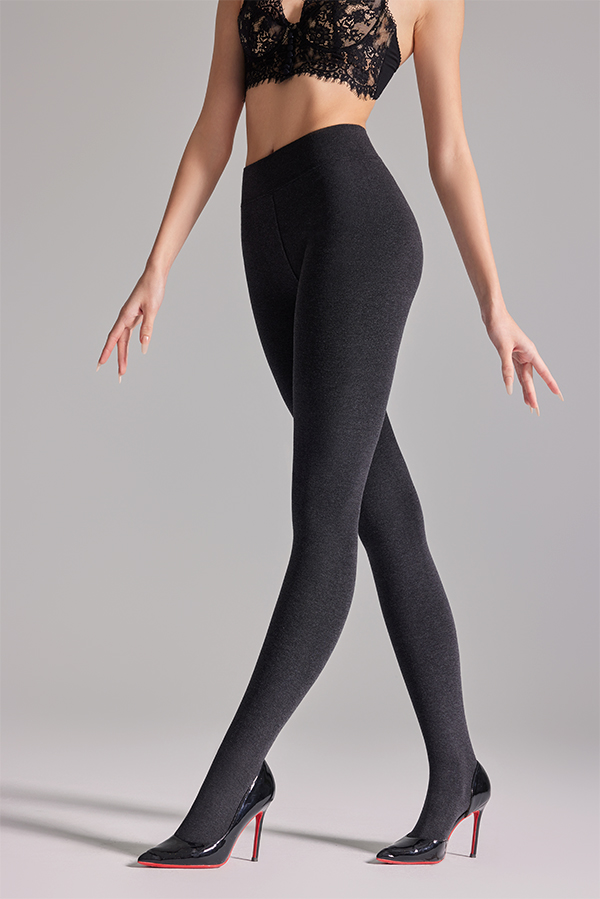
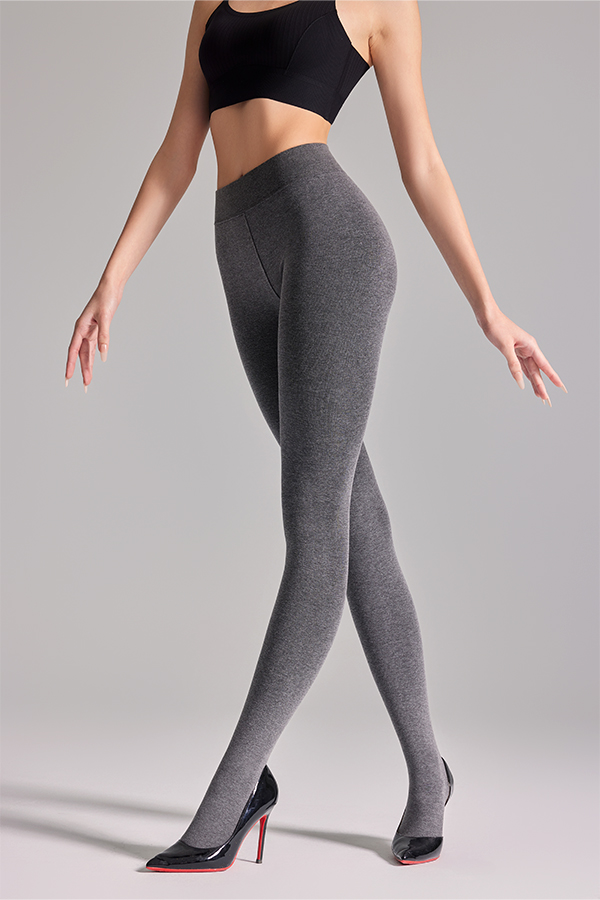
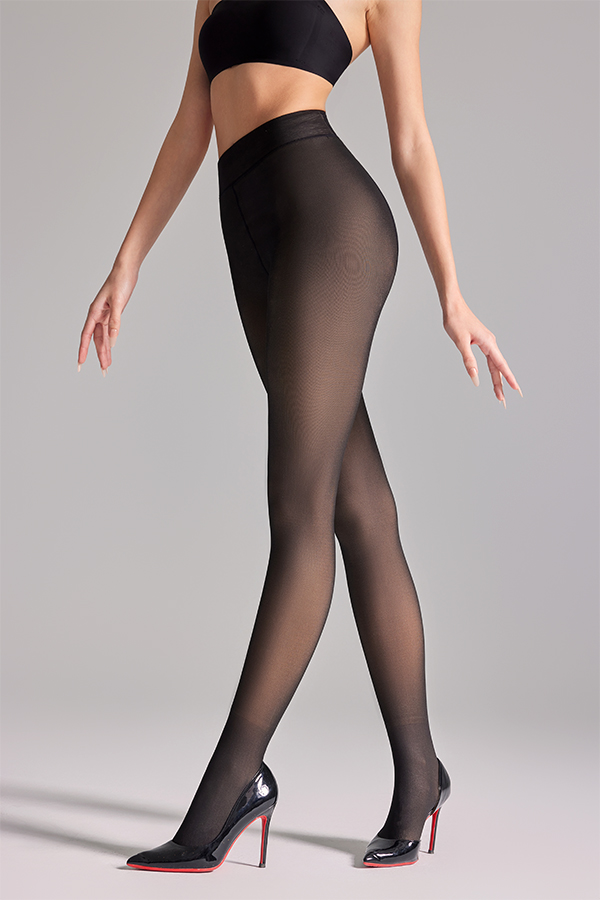
In the hosiery market, the best tights are not judged by appearance alone. They must combine comfort, coverage, durability, fit stability, efficient production quality, and commercial flexibility. The 180D Velvet Tights with Triangle Gusset, made with PA66 nylon, are designed for buyers, distributors, private-label brands, and retailers who need a reliable tights product with a soft hand feel, warm coverage, and a smooth, fashionable look.
As a tights product, this style sits in one of the most competitive segments of hosiery. Customers expect softness, stretch, opacity, and long wear, while business buyers expect stable quality, production consistency, scalable supply, and customization support. The 180 denier construction gives the tights a dense, substantial feel, while the velvet finish creates a plush surface that enhances comfort against the skin. The triangle gusset improves fit and ease of movement, helping the tights feel more ergonomic during everyday wear.
Behind the product is a complete hosiery manufacturing system operated by Zhejiang Chenyu Knitting Co., Ltd., a long-established Chinese hosiery manufacturer founded in 1989 and located in Dongyang, Zhejiang. With decades of experience in pantyhose, stockings, tights, and related hosiery products, the company supports OEM customization, foreign trade orders, e-commerce supply, and branded development. Its integrated production chain covers yarn research and development, spinning, elasticizing, yarn wrapping, greige weaving, piecing, dyeing, roughening, shaping, full inspection, and packaging. This complete process allows stronger control over quality, color, texture, elasticity, and delivery stability.
For modern hosiery programs, this product is more than a basic pair of tights. It represents a balance between consumer comfort and manufacturing discipline. The dense 180D velvet surface gives a premium seasonal feel, while PA66 nylon contributes strength and resilience. The triangle gusset increases practicality for daily movement. The result is a product suitable for fashion assortments, winter collections, private-label ranges, department store hosiery lines, online retail, and OEM programs that require a dependable core tights style.
180D Velvet Tights with Triangle Gusset(PA66)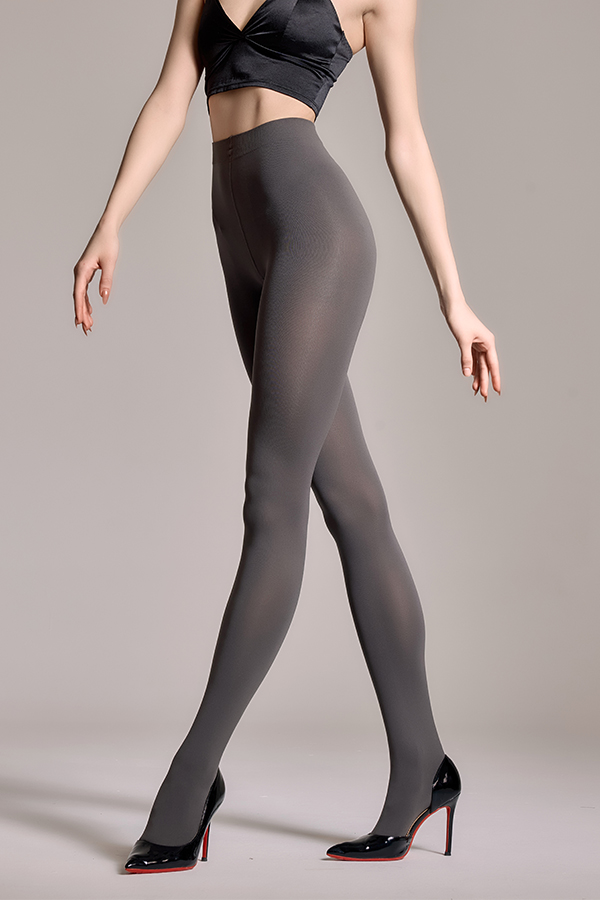
The 180D Velvet Tights with Triangle Gusset are designed for customers who want an opaque, soft, and stable tights product. The “180D” specification refers to the denier level, which indicates a thicker yarn structure than lightweight sheer tights. This makes the product suitable for cooler seasons, fashion layering, and customers who prefer stronger coverage. Unlike ultra-thin pantyhose that emphasize sheerness, 180D velvet tights focus on warmth, opacity, and a velvety touch.
The use of PA66 is an important material advantage. PA66 nylon is widely valued in textile applications because of its strength, abrasion resistance, elasticity recovery, and smooth surface performance. In tights, this can translate into improved wearing durability, better resistance to daily friction, and a more refined finish. When combined with professional knitting and finishing processes, PA66 helps create tights that are comfortable while retaining shape.
The triangle gusset is another key feature. In tights, the gusset is a fabric insert positioned in the crotch area to improve comfort, fit, and mobility. A triangle gusset supports a more natural body contour than simple center seams, reducing pressure and improving wearability. For consumers, this means the tights can feel less restrictive when walking, sitting, bending, or wearing them for long hours.
The velvet surface gives the tights a soft and refined hand feel. Velvet tights are popular because they can deliver both functional warmth and a more luxurious tactile experience. The plush texture helps differentiate the product from standard opaque tights, making it attractive for brands that want to offer a more premium everyday hosiery item.
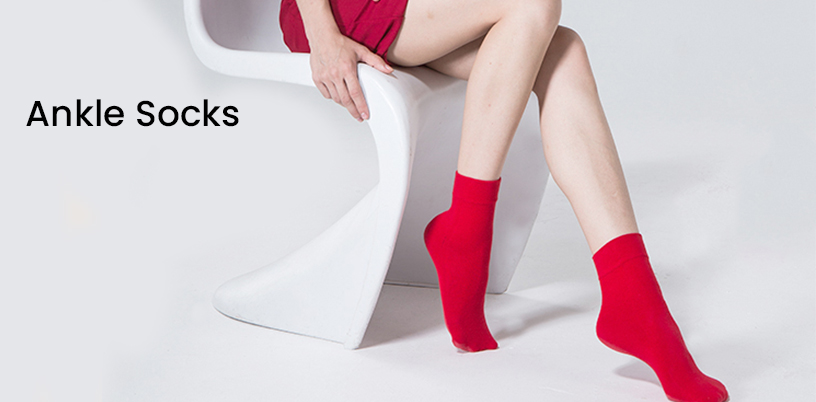
This product belongs to the tights category, but it can also complement broader hosiery assortments that include ankle socks, knee highs, hold-ups, garter stockings, other hosiery, and kids’ tights. For buyers managing multiple hosiery categories, a reliable 180D velvet tights style can serve as a seasonal anchor product, especially in autumn and winter collections.
Denier is one of the first specifications customers use to understand tights. Lower-denier tights often look sheer and light, while higher-denier tights provide more coverage and warmth. At 180D, these tights are positioned as a dense, opaque product. This makes them practical for customers who want to avoid transparency and prefer a smoother leg appearance.
The 180D structure also gives the tights a stronger visual presence. They can be worn with skirts, dresses, tunics, long sweaters, boots, and layered fashion outfits. In cooler months, customers often prefer tights that feel secure and substantial. A 180D style answers this demand by offering coverage without sacrificing stretch and comfort.
From a retail perspective, 180D tights are easy to explain to consumers. They are warmer and more opaque than everyday sheer pantyhose, but still more elegant and fitted than many thermal leggings. This middle position is commercially valuable. It allows the product to appeal to fashion consumers, office workers, students, commuters, and customers seeking comfortable cold-weather hosiery.
Compared with lower-denier competitors, 180D velvet tights can offer improved opacity, stronger seasonal value, and better perceived quality. Many low-denier tights may be vulnerable to runs, snagging, or visible unevenness. A well-made 180D tight can feel more durable, more forgiving on the leg, and more suitable for everyday use.
Compared with very heavy thermal tights, 180D velvet tights can remain more elegant and versatile. They provide coverage and warmth while preserving a sleek hosiery silhouette. This helps brands offer a product that is functional but still fashionable.
PA66 nylon is a valuable material for tights because it combines strength, elasticity, and smoothness. In hosiery, fiber quality matters greatly. A tights product may look similar at first glance, but the difference becomes clear when customers wear it repeatedly. Poor-quality fibers may lose shape, pill quickly, or feel rough after washing. PA66 helps create a more stable foundation for premium tights.
One advantage of PA66 is abrasion resistance. Tights experience frequent friction from shoes, boots, chairs, movement, and washing. A stronger nylon base helps the product withstand daily wear better than weaker material alternatives. This is important for customer satisfaction because hosiery is often judged by how long it remains wearable.
Another advantage is texture refinement. PA66 can support a smooth, consistent surface when processed correctly. For velvet tights, this matters because the final hand feel must be soft and even. Customers expect velvet tights to feel plush, not scratchy or inconsistent. When paired with proper roughening and finishing processes, PA66 contributes to a more comfortable and premium tactile result.
PA66 also supports elasticity recovery. Tights must stretch to fit the body and then return to shape. If the fabric stretches out too easily, customers experience sagging at the knees, ankles, or waist. A stable nylon composition helps preserve fit and appearance over time, especially when combined with appropriate elastic fibers and precise knitting tension.
For OEM buyers, material reliability is especially important. When a brand sells hosiery under its own label, quality inconsistency can damage repeat sales. Using PA66 in a controlled manufacturing system supports more predictable product performance, making it suitable for private-label programs requiring dependable standards.
Velvet tights have a special place in hosiery because they combine practicality with sensory comfort. The soft surface offers an immediate impression of warmth and quality. When customers touch the product, the velvet feel can influence purchase decisions. In physical retail, this tactile advantage is important. In online retail, the term “velvet” communicates softness and premium comfort clearly.
The velvet finish also enhances the visual effect of the tights. It can create a smooth, matte, and dense appearance that pairs well with modern fashion. Many customers prefer opaque tights that do not shine excessively. A refined velvet texture can create a more elegant look than glossy opaque tights, making the product suitable for professional, casual, and evening outfits.
Comfort is another major selling point. The inside and outside feel of tights influences whether customers will wear them repeatedly. Harsh or stiff tights may be rejected even if they look good. Velvet tights are valued because they offer a warmer and softer wearing experience, especially during colder seasons.
Compared with ordinary opaque tights, the velvet version can offer a stronger emotional benefit. Customers may describe them as cozy, smooth, plush, or comfortable. These words matter in retail marketing because hosiery is a close-to-skin product. Comfort-driven vocabulary helps increase customer confidence before purchase.
For brands, velvet tights can be positioned as an upgrade within a hosiery collection. A retailer may offer standard opaque tights as the basic option and 180D velvet tights as the premium soft option. This creates price differentiation and helps increase average order value.
The triangle gusset is a practical construction feature that improves the fit of tights. Although it may seem like a small detail, gusset design strongly affects comfort. The crotch area is one of the highest-stress zones in tights because it must accommodate movement, body shape, stretching, and tension from multiple directions.
A triangle gusset helps distribute pressure more naturally. Instead of relying only on intersecting seams, the gusset creates a shaped panel that supports better mobility. This can reduce pulling and discomfort, especially during long periods of wear.
For consumers, gusset comfort can be the difference between tights that are worn often and tights that stay unused in a drawer. When tights feel restrictive, customers may avoid repurchasing them. By improving fit in a sensitive area, the triangle gusset contributes directly to repeat purchase potential.
The triangle gusset can also support product durability. When tension is concentrated on narrow seam intersections, fabric stress may increase. A well-constructed gusset helps spread that stress, potentially reducing strain during movement. This is especially relevant for thicker tights, where stretch and comfort must be carefully balanced.
In competitive comparisons, many low-cost tights may simplify construction to reduce production costs. However, this can compromise comfort. Including a triangle gusset shows attention to wearer experience and allows the product to be positioned above basic mass-market alternatives.
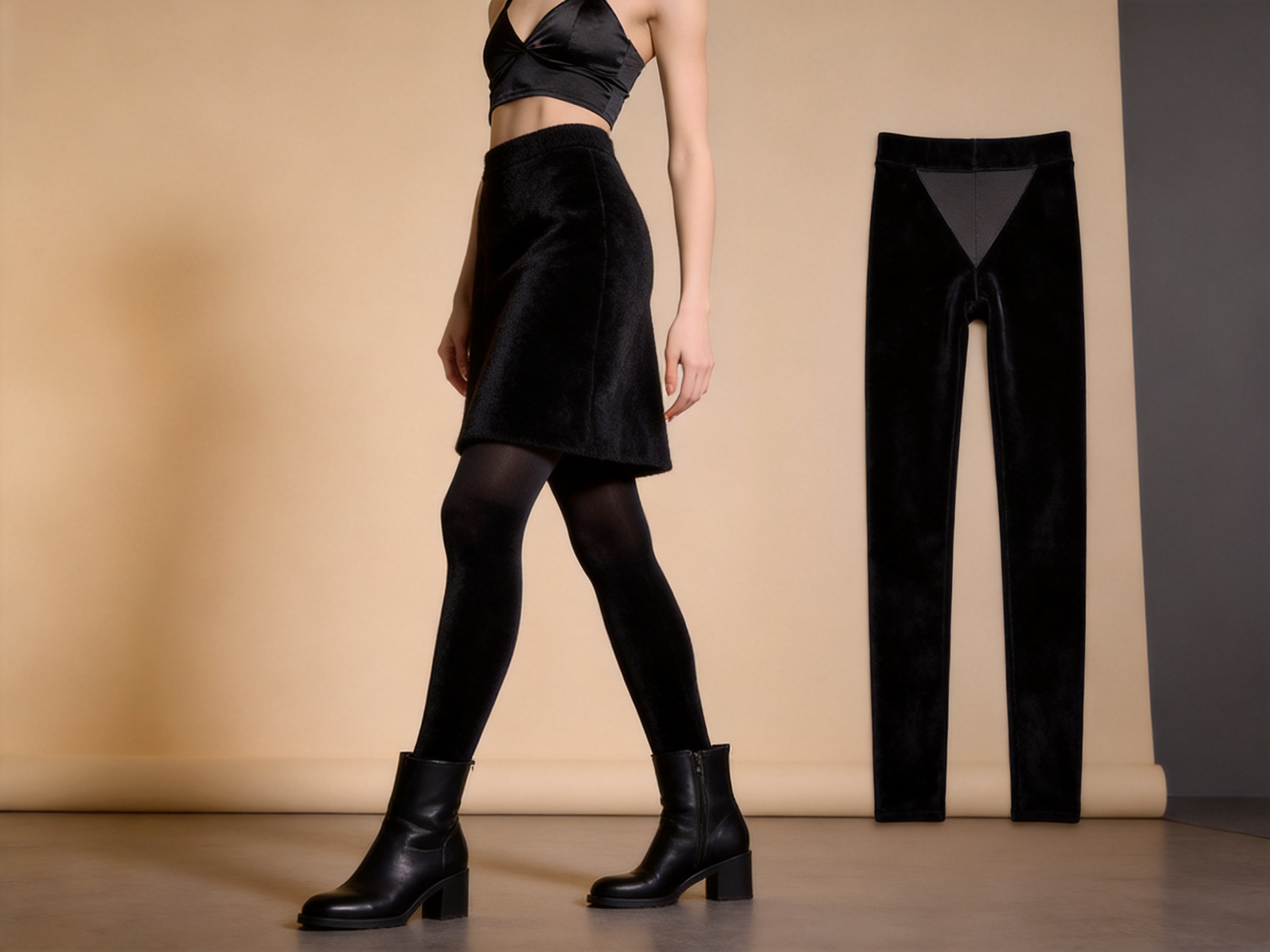
The 180D Velvet Tights with Triangle Gusset offer several advantages over common alternatives in the market. These advantages come from material choice, fabric density, surface finishing, body-friendly construction, and production control.
First, the 180D specification provides superior coverage compared with sheer or semi-opaque tights. Customers who want confidence, warmth, and a smooth appearance often prefer higher-denier tights. This product delivers that dense coverage while maintaining a refined hosiery look.
Second, the velvet finish differentiates the product from basic opaque tights. Many standard tights provide coverage but feel plain or slightly rough. A velvet surface adds softness and perceived quality. This makes the product easier to market as a comfort-focused premium item.
Third, PA66 nylon offers a stronger performance base than lower-grade material alternatives. With better abrasion resistance and resilience, PA66 helps support durability and shape retention. For customers, this can mean fewer disappointments after repeated wear.
Fourth, the triangle gusset improves fit. Many inexpensive tights omit thoughtful construction details, resulting in discomfort or limited mobility. A gusseted design provides better ergonomics and a more professional finish.
Fifth, the manufacturer’s integrated production chain supports better consistency. In hosiery, consistent color, stretch, size, and hand feel are difficult to maintain if production is fragmented across multiple suppliers. A one-stop manufacturing system reduces coordination problems and strengthens quality control.
Sixth, the product is suitable for OEM customization. Buyers can request adjustments in color, packaging, labeling, sizing, and market positioning. This makes the tights adaptable to different retail strategies and regional preferences.
| Feature | Product Value | Commercial Benefit |
|---|---|---|
| 180D density | Opaque coverage, thicker feel, seasonal warmth | Suitable for autumn and winter collections |
| Velvet finish | Soft touch, plush comfort, premium appearance | Supports upgraded retail positioning |
| PA66 nylon | Strength, resilience, abrasion resistance | Improves customer satisfaction and repeat purchase potential |
| Triangle gusset | Better crotch fit and movement comfort | Differentiates from basic low-cost tights |
| Integrated manufacturing | Control from yarn to packaging | Supports stable OEM quality and scalable orders |
| Customizable supply | Adaptable colors, packaging, and private-label options | Meets retailer and brand program needs |
Zhejiang Chenyu Knitting Co., Ltd. was founded in 1989 and has developed extensive hosiery manufacturing experience. Over nearly four decades, the company has built a complete industry-chain production system. This matters because tights are technically demanding products. Even small variations in yarn quality, knitting tension, dye absorption, heat setting, or inspection standards can affect the final result.
The company’s production chain begins with yarn research and development. Yarn is the foundation of hosiery. The softness, elasticity, strength, and dyeing behavior of yarn determine much of the final product performance. By investing in yarn development, the company can create products that meet different market needs, from fashion tights to durable daily hosiery.
Spinning and elasticizing processes support the creation of yarns with appropriate stretch and texture. Elasticity is critical in tights because the product must adapt to different leg shapes while staying in place. Poor elasticity may cause slipping, wrinkling, or discomfort. Controlled elasticizing helps maintain a better balance between compression, comfort, and recovery.
Yarn wrapping is another important process. Wrapped yarns are often used to combine elastic properties with surface smoothness and durability. In tights, the quality of covered yarn affects stretch behavior, fabric uniformity, and wearing comfort. A professional wrapping process helps reduce unevenness and improves the overall knitted structure.
Greige weaving forms the basic fabric structure before finishing. Precision at this stage determines density, stretch, pattern stability, and seam compatibility. For 180D velvet tights, the fabric must be dense enough to provide opacity while still flexible enough for comfortable wear.
Piecing, dyeing, roughening, shaping, full inspection, and packaging complete the product journey. Each step influences the consumer experience. Dyeing must produce even color. Roughening helps create the velvet hand feel. Shaping stabilizes the product’s form. Inspection catches defects. Packaging protects the product and communicates brand value.
Advanced hosiery begins with advanced yarn planning. In a product such as 180D velvet tights, yarn must support softness, opacity, strength, and stretch. If the yarn is too stiff, the tights may feel uncomfortable. If it is too weak, the product may lack durability. If it does not dye evenly, color inconsistency may appear.
The company’s yarn research and development capability allows it to adjust product performance for different markets. Some buyers may prioritize a warmer hand feel, while others may want a smoother fashion appearance. Some may require cost-sensitive versions, while others need premium private-label specifications. A strong yarn development base makes these variations more achievable.
For PA66 velvet tights, the yarn system must interact well with roughening and finishing processes. The goal is to create a velvet surface that feels soft without weakening the fabric. This requires technical knowledge of fiber behavior, knitting density, and finishing parameters.
Competitors that rely only on external yarn suppliers may have less control over raw material consistency. By managing more of the upstream process, a vertically integrated manufacturer can reduce variability and improve reliability. This is especially valuable for buyers placing repeat orders across multiple seasons.
Knitting is where the product begins to take its wearable form. In tights, the knitted structure must be uniform and balanced. If tension is uneven, the tights may show streaks, weak points, or inconsistent stretch. For 180D opaque tights, uniformity is especially important because the dense fabric makes surface differences more visible.
High-quality knitting supports better fit around the legs, hips, and waist. It also contributes to opacity. A dense but elastic structure allows the tights to cover the skin evenly without becoming overly rigid. This balance is difficult to achieve without experience and careful machinery control.
The triangle gusset must also be integrated with precision. Seam placement, panel shape, and fabric tension all affect comfort. A well-made gusset should feel natural, not bulky. It should support movement without creating irritation. Professional piecing and sewing processes are essential for achieving this result.
For business buyers, knitting precision affects return rates and customer reviews. Hosiery defects such as uneven texture, poor stretch, or weak seams can quickly reduce customer confidence. A manufacturer with long-term technical expertise can help protect brand reputation.
Color is one of the most visible quality indicators in tights. Customers expect solid, even, attractive color across the entire garment. Any streaks, patches, or shade differences can make tights appear low quality. For velvet tights, color consistency is especially important because the surface texture interacts with light.
Dyeing PA66 nylon requires technical control. Temperature, dye formulation, time, and finishing conditions must be managed carefully. The goal is not only to achieve the right shade but also to ensure repeatability. For OEM programs, repeatability is critical because buyers may reorder the same color multiple times.
Consistent dyeing also supports size-range matching. If different production batches or sizes show noticeable shade variation, retail presentation suffers. A strong dyeing process helps create a unified collection.
The company’s integrated dyeing capability supports better coordination between fabric production and finishing. Instead of separating these steps across unrelated factories, internal or closely managed processes allow faster communication, better corrections, and stronger quality control.
The velvet feel of these tights depends heavily on the roughening and finishing process. Roughening must create a soft surface without damaging the structural integrity of the fabric. If the process is too light, the product may not feel sufficiently plush. If it is too aggressive, the fabric may lose strength or become uneven.
Professional roughening creates a balanced velvet hand. The surface should feel soft, smooth, and warm. It should also look refined. The finishing process must avoid excessive fuzziness, shedding, or uneven nap. These details affect both customer satisfaction and perceived product value.
Velvet finishing can also influence warmth. A brushed or velvet surface may trap more air near the skin, enhancing the feeling of comfort in cool weather. This makes the product suitable for autumn and winter retail programs.
Compared with standard opaque tights, velvet finishing requires additional technical expertise. It is not enough to knit a thick fabric; the surface must be treated carefully to achieve the right tactile and visual result. This is where manufacturing experience becomes a competitive advantage.
After dyeing and finishing, shaping helps stabilize the tights. Proper shaping improves appearance, size consistency, and package presentation. It also helps the tights recover a smooth form after production processes. For retail products, first impression matters. Well-shaped tights look more professional and easier to package attractively.
Full inspection is a critical quality assurance step. Hosiery products can contain defects such as holes, broken yarns, shade variation, seam issues, or finishing inconsistencies. A full inspection process helps identify and remove defective items before shipment. This reduces buyer risk and supports stable customer satisfaction.
Packaging is more than a protective step. It also communicates product positioning. For OEM buyers, packaging may include brand cards, size labels, washing instructions, barcodes, hangers, polybags, boxes, or other retail-ready formats. A manufacturer with packaging capability can help buyers prepare products for different sales channels.
For online retail, packaging must protect the product during shipping and create a clean unboxing experience. For physical retail, packaging must display product benefits clearly and attract attention. The 180D Velvet Tights with Triangle Gusset can be packaged as a premium comfort item, a winter essential, or a fashion layering product depending on the buyer’s market strategy.
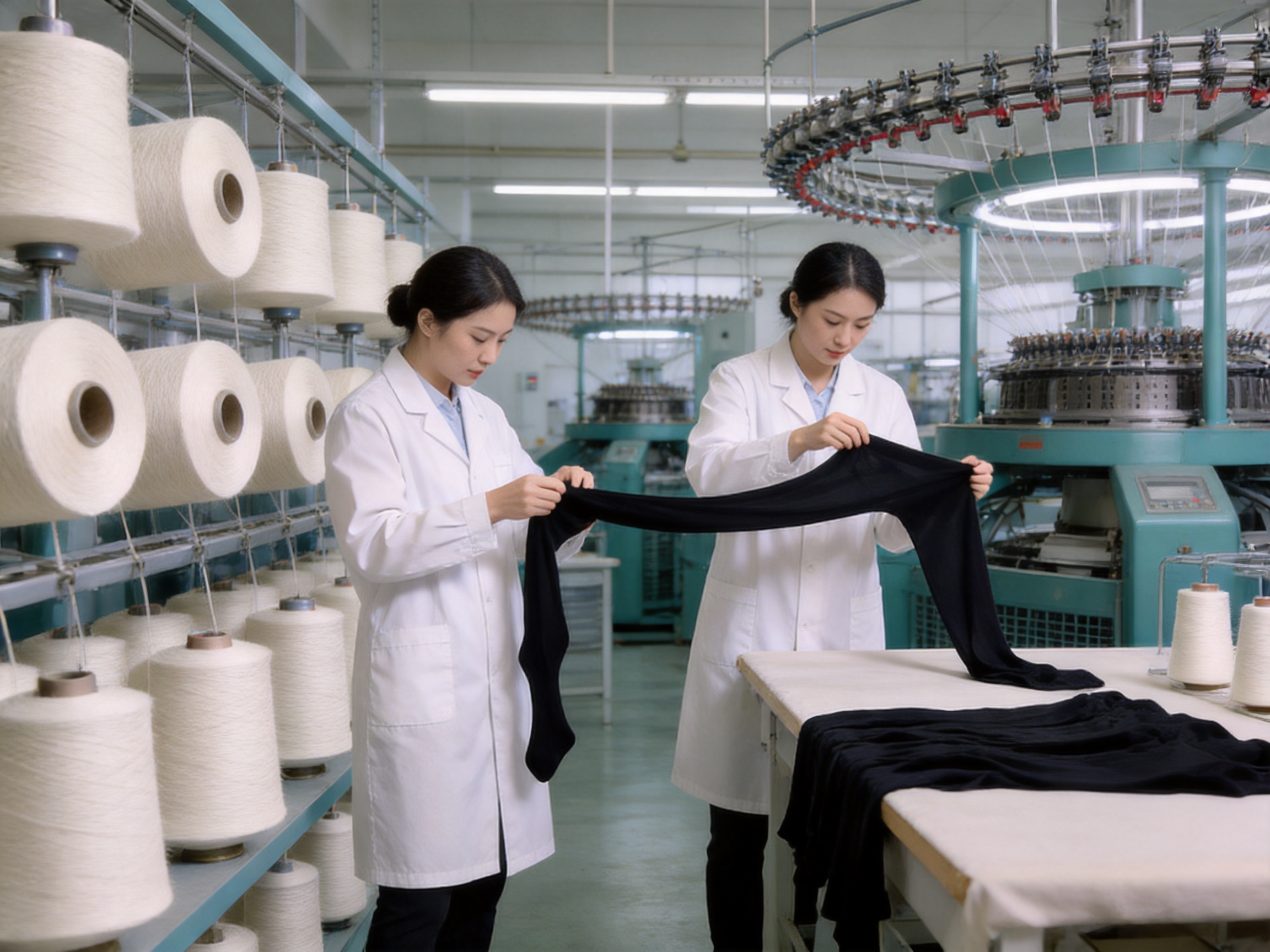
OEM customization is one of the strongest business advantages of this product. Many retailers and fashion brands need dependable hosiery suppliers that can produce products under private labels. Zhejiang Chenyu Knitting Co., Ltd. supports OEM customization with a manufacturing system capable of handling multiple stages from yarn preparation to packaging.
The 180D Velvet Tights with Triangle Gusset are well suited for private-label development because they combine clear consumer benefits with flexible brand positioning. A buyer can present the product as warm winter tights, soft velvet tights, opaque fashion tights, premium daily tights, or comfort-fit tights. The same technical base can support different marketing stories.
Customization may include color selection. Classic black is often the strongest commercial choice for opaque tights, but buyers may also request gray, navy, brown, burgundy, skin tones, or seasonal fashion colors. Color development must be controlled carefully to maintain consistency across production batches.
Packaging customization can include hang tags, printed cards, retail boxes, brand stickers, care labels, and multilingual information. For e-commerce buyers, compact and shipping-friendly packaging may be preferred. For boutiques or department stores, premium packaging may help justify a higher retail price.
Sizing customization is another advantage. Different regions may have different body-size expectations. A manufacturer with experience in global supply can help create size charts suitable for target markets. Proper sizing reduces returns and improves customer satisfaction.
OEM programs also benefit from stable communication and production planning. Because the company has experience in foreign trade, e-commerce, and customization departments, it can support buyers with product development, sampling, order execution, and quality control.
The 180D Velvet Tights with Triangle Gusset can be used in many retail programs. For fashion retailers, they serve as a practical seasonal accessory that pairs with dresses, skirts, coats, and boots. For hosiery brands, they can be a core opaque tights item. For supermarkets and chain stores, they can be positioned as a comfortable winter basic. For online sellers, they offer strong keyword appeal because customers often search for opaque tights, velvet tights, warm tights, and soft tights.
The product also works well in capsule wardrobes. Many consumers want versatile items that can be worn repeatedly with different outfits. Black or neutral 180D velvet tights can support office wear, casual wear, travel outfits, and evening looks. This versatility increases perceived value.
For colder regions, the tights can be promoted as a seasonal necessity. For milder climates, they can be positioned as comfortable fashion tights for cooler days. The velvet texture makes them feel more luxurious than basic hosiery, which helps attract customers who care about touch and comfort.
Retailers can also create multi-pack programs. Because tights are repeat-purchase items, offering two-packs or seasonal bundles can improve sales volume. A stable OEM supplier can support such programs with consistent quality and packaging.
For fashion brands, this product can be used as an accessory extension. A brand that sells dresses, skirts, or footwear may add tights to increase outfit completion and basket size. The smooth opaque appearance makes the product easy to style in marketing imagery.
Everyday tights must feel comfortable from morning to evening. The 180D Velvet Tights with Triangle Gusset address this need through softness, stretch, coverage, and ergonomic construction. Customers often judge tights by how they behave during real movement. Do they slide down? Do they pinch at the waist? Do they sag at the knees? Do they feel rough against the skin? These practical questions determine repeat purchase.
The velvet texture supports a comfortable skin feel. This is especially important for customers who wear tights for work, commuting, school, events, or long days outside the home. Softness can reduce irritation and improve the overall wearing experience.
The dense 180D structure supports confidence. Customers who prefer opaque coverage do not want the fabric to become too transparent when stretched. A well-made 180D tight provides better coverage across the leg, improving the appearance of outfits and reducing self-consciousness.
The triangle gusset improves movement. Sitting, walking, and bending all place stress on the crotch area. A gusseted construction helps the tights move with the body instead of pulling against it. This can make the product feel more natural and less restrictive.
Fit stability also depends on waist design, leg stretch, and overall size grading. While the provided product information focuses on the triangle gusset and 180D velvet construction, the manufacturer’s complete hosiery experience supports the development of balanced fit systems for different markets.
Durability is one of the most important issues in hosiery. Customers may accept that very sheer tights are delicate, but they expect thicker tights to last longer. A 180D velvet tight should feel dependable. PA66 nylon helps support this expectation by contributing strength and abrasion resistance.
Durability does not mean stiffness. The best tights combine strength with comfort. The material should resist everyday friction while still stretching smoothly. This balance depends on fiber selection, yarn preparation, knitting density, finishing control, and inspection standards.
When customers feel that tights last through repeated wear, they are more likely to repurchase. This is especially important for private-label brands. A single good experience can turn a seasonal tights purchase into an annual habit. A poor experience, however, can lead to negative reviews and lost trust.
Manufacturing consistency also affects durability. If one batch performs well but another batch fails, brand reputation suffers. A vertically integrated production system helps reduce this risk. By managing multiple stages of production, the manufacturer can maintain better control over inputs, processes, and final inspection.
For retailers, durable tights can reduce complaints and returns. They also support stronger product ratings online. In e-commerce, customer reviews often mention softness, warmth, stretch, fit, and durability. The features of this product align closely with those review priorities.
The company’s broader description emphasizes the adoption of sustainable fabrics to reduce environmental impact and contribute to a greener future. In modern textile sourcing, sustainability is no longer optional for many buyers. Retailers increasingly want suppliers that understand environmental responsibility and can support more responsible product development.
For tights, sustainability can involve material selection, efficient production, waste reduction, dyeing control, packaging choices, and long-lasting product design. A product that lasts longer can reduce unnecessary replacement purchases. Durable PA66-based tights with stable quality may contribute to more responsible consumption when compared with disposable low-quality hosiery.
Integrated manufacturing can also support sustainability goals by improving process coordination. When production stages are scattered across many unrelated suppliers, transportation, waste, and quality failures can increase. A more complete industry-chain system can reduce inefficiencies and enable better monitoring.
Buyers interested in sustainable programs may discuss recycled fibers, eco-conscious packaging, lower-impact dyeing processes, or responsible production documentation with the manufacturer. The 180D Velvet Tights with Triangle Gusset can serve as a platform for such development depending on project requirements.
Although the main commercial appeal of the product is softness, opacity, and comfort, sustainability adds another layer of value. It helps brands communicate responsibility while offering a product customers can genuinely enjoy wearing.
Quality control is not a single step at the end of production. In hosiery, it must be built into every stage. The company’s full-chain system creates opportunities to monitor quality from yarn development through final packaging. This is a major advantage for OEM buyers who need stable supply.
At the yarn stage, quality control checks strength, elasticity, uniformity, and material suitability. During knitting, technicians monitor fabric structure, density, and tension. During dyeing, color matching and batch consistency are critical. During roughening, the velvet surface must be even and soft. During shaping, size and appearance are stabilized. During inspection, visible and structural defects are identified.
This layered approach helps prevent problems from reaching the customer. It is more effective than relying only on final inspection because defects are easier to correct when detected early. For example, if yarn inconsistency is found before knitting, it can prevent an entire batch of flawed tights.
For competing factories without integrated processes, quality problems may be harder to trace. If yarn, dyeing, finishing, and packaging are handled by separate entities, responsibility may be unclear. An integrated manufacturer can respond more directly and improve future production.
Quality control also supports product development. Buyer feedback can be connected to specific production parameters. If a buyer wants a softer hand feel, stronger stretch, or different color depth, the manufacturer can adjust processes with better technical understanding.
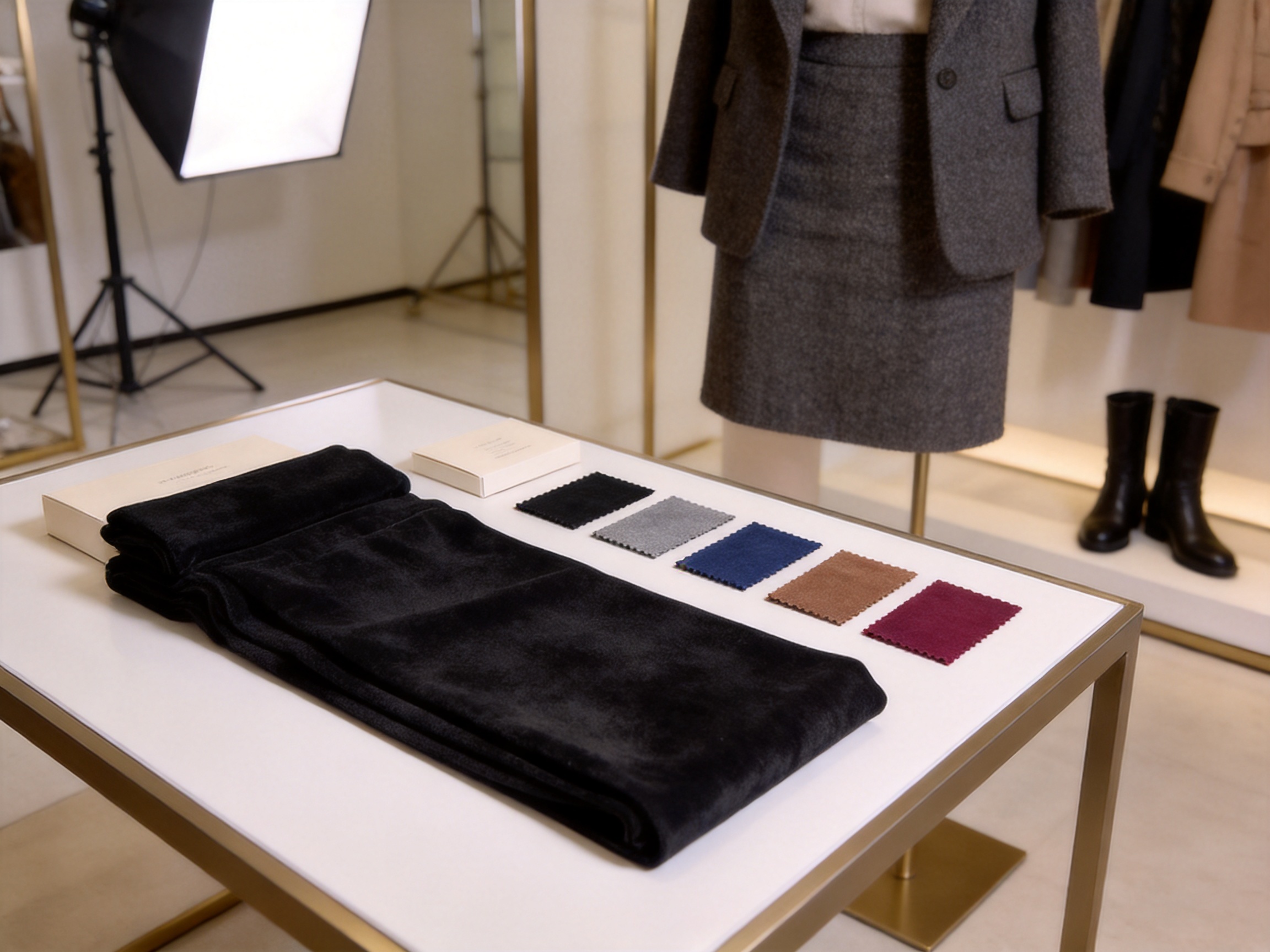
In a crowded hosiery market, brands need products that are easy to differentiate. The 180D Velvet Tights with Triangle Gusset provide multiple selling points that can be communicated clearly to consumers. The denier number communicates opacity and warmth. The velvet finish communicates softness. The triangle gusset communicates comfort. PA66 communicates durability and quality. Together, these features create a strong product story.
For a premium fashion brand, the product can be described as soft opaque velvet tights with refined texture. For a practical retailer, it can be promoted as warm and comfortable everyday tights. For an online marketplace seller, it can be optimized around search terms such as 180D tights, velvet tights, opaque pantyhose, warm tights, and gusset tights. For a private-label hosiery company, it can become a reliable seasonal bestseller.
The product also supports visual merchandising. Opaque tights create clean leg lines in product photography. They pair well with shoes and seasonal apparel. Packaging can highlight “180D,” “velvet,” “soft touch,” “opaque,” and “triangle gusset” as key benefits.
Brand differentiation is not only about marketing claims. It must be supported by actual product experience. The softness must be noticeable. The coverage must be reliable. The fit must be comfortable. The manufacturing system behind the product helps ensure that the marketed benefits are reflected in the final item.
Zhejiang Chenyu Knitting Co., Ltd. has a history dating back to 1989. Long-term experience matters in hosiery because the category requires both technical skill and market understanding. Over decades, customer preferences, materials, machinery, and retail channels have changed. A manufacturer that continues to innovate through these changes can offer valuable support to buyers.
The company has developed domestic brands as well as foreign trade, e-commerce, and OEM customization departments. This combination indicates flexibility. Domestic brand experience helps the company understand consumer expectations. Foreign trade experience supports international buyers. E-commerce experience helps address packaging, product presentation, and fast-moving retail needs. OEM customization supports private-label programs.
The company’s location in Dongyang, Jinhua, Zhejiang, China places it within a region known for manufacturing capability and supply chain development. Its address at No. 289 Juhe Road, Jiangbei Subdistrict, Dongyang, Jinhua, Zhejiang, China reflects its established industrial presence.
The company is described as a high-tech enterprise with a complete pantyhose industry chain in China. This is important because complete-chain manufacturing can reduce dependence on external suppliers, improve quality traceability, and support faster product development. For buyers, it means the manufacturer can provide more than simple production; it can support technical problem solving and product upgrading.
For inquiries, the provided contact details include the email [email protected] and phone number +86 18257883354. These details are relevant for professional buyers seeking OEM hosiery manufacturing, pantyhose production, fashion stockings, or customized tights programs.
The 180D Velvet Tights with Triangle Gusset can be positioned in several ways depending on target customers. The most natural positioning is as a soft, opaque, warm tights product for autumn and winter. This positioning is simple and easy for consumers to understand.
A second positioning is premium daily comfort. The velvet surface and triangle gusset make the product suitable for customers who wear tights often and want greater comfort than basic options. This can appeal to office workers, teachers, retail staff, students, and commuters.
A third positioning is fashion layering. The smooth opaque look pairs well with seasonal outfits, especially skirts, dresses, and boots. Fashion retailers can use the product to complete looks and encourage add-on sales.
A fourth positioning is private-label core hosiery. For brands building a tights line, this product can serve as a dependable mid-to-premium style. It is distinctive enough to stand above basic tights but versatile enough for broad consumer appeal.
A fifth positioning is giftable winter comfort, especially when paired with premium packaging. Soft velvet tights can be included in winter accessory sets or holiday assortments.
Consumer education helps improve product satisfaction. Tights, even dense ones, should be handled with care to extend their life. Brands selling the 180D Velvet Tights with Triangle Gusset can include care guidance on packaging or product pages.
Recommended care messages may include washing gently, using a laundry bag, avoiding sharp objects, drying away from direct high heat, and storing separately from items with hooks or rough zippers. These simple instructions can reduce damage and help customers enjoy the product longer.
Consumers should also be encouraged to choose the correct size. Tights that are too small may overstretch and become uncomfortable, while tights that are too large may wrinkle or slide. Clear size charts are important, especially for online sales.
Product pages can explain the meaning of 180D so customers understand that the tights are opaque and thicker than sheer pantyhose. They can also explain the triangle gusset in simple terms, describing it as a comfort insert that improves fit and movement.
When customers understand product features, they are more likely to choose the right item and appreciate its value. This reduces returns and strengthens brand trust.
180D refers to the denier level of the yarn structure. In practical terms, it means the tights are thicker and more opaque than sheer or lightweight tights. This makes them suitable for cooler weather, stronger coverage, and a smooth fashion appearance.
Yes. The 180D density and velvet finish make them suitable for autumn and winter wear. They provide more warmth and coverage than lower-denier tights while maintaining a sleek hosiery look.
The triangle gusset improves comfort and mobility in the crotch area. It helps the tights fit more naturally, reduces restrictive pulling, and supports long-hour wear.
PA66 nylon offers strength, resilience, and abrasion resistance. In tights, this can support durability, shape retention, and a smoother wearing experience compared with lower-grade material alternatives.
Yes. The product is suitable for OEM and private-label development. Buyers may discuss customization of color, packaging, labeling, size range, and market positioning with Zhejiang Chenyu Knitting Co., Ltd.
They offer several upgrades, including a velvet soft-touch finish, 180D dense coverage, PA66 material advantages, and a triangle gusset for improved fit. These features help position the product above basic low-cost opaque tights.
The tights are suitable for fashion boutiques, department stores, hosiery specialty brands, supermarkets, online shops, private-label programs, and seasonal apparel collections.
The manufacturer has a complete industry-chain production system covering yarn research and development, spinning, elasticizing, yarn wrapping, greige weaving, piecing, dyeing, roughening, shaping, full inspection, and packaging. This supports consistency, customization, and quality control.
The 180D Velvet Tights with Triangle Gusset are a strong product choice for buyers seeking comfort, opacity, softness, and dependable quality. The dense 180D construction offers excellent coverage and seasonal warmth. The velvet surface creates a plush and premium hand feel. PA66 nylon supports strength and resilience. The triangle gusset improves fit and everyday comfort.
What makes the product especially valuable is the manufacturing system behind it. Zhejiang Chenyu Knitting Co., Ltd. combines decades of hosiery experience with a complete production chain from yarn development to packaging. This enables stronger control over material quality, knitting precision, dyeing consistency, velvet finishing, shaping, inspection, and OEM customization.
For brands and retailers, the product offers clear consumer benefits and flexible market positioning. It can be sold as warm winter tights, soft velvet tights, opaque fashion tights, premium daily hosiery, or private-label comfort tights. In a competitive market where customers demand both comfort and durability, this style provides a practical and commercially attractive solution.
With its combination of material performance, thoughtful construction, and advanced manufacturing support, the 180D Velvet Tights with Triangle Gusset are well suited for modern hosiery programs that aim to deliver quality, comfort, and repeat-purchase value.
Textile Institute. Textile Terms and Definitions. Manchester: The Textile Institute.
Collier, B. J., and Epps, H. H. Textile Testing and Analysis. Pearson Education.
Sinclair, R. Textiles and Fashion: Materials, Design and Technology. Woodhead Publishing.
Gong, R. H., and Wright, R. M. Fancy Yarns: Their Manufacture and Application. Woodhead Publishing.
Horrocks, A. R., and Anand, S. C. Handbook of Technical Textiles. Woodhead Publishing.
Kadolph, S. J. Textiles. Pearson Education.