
 English
 Español
 Deutsch
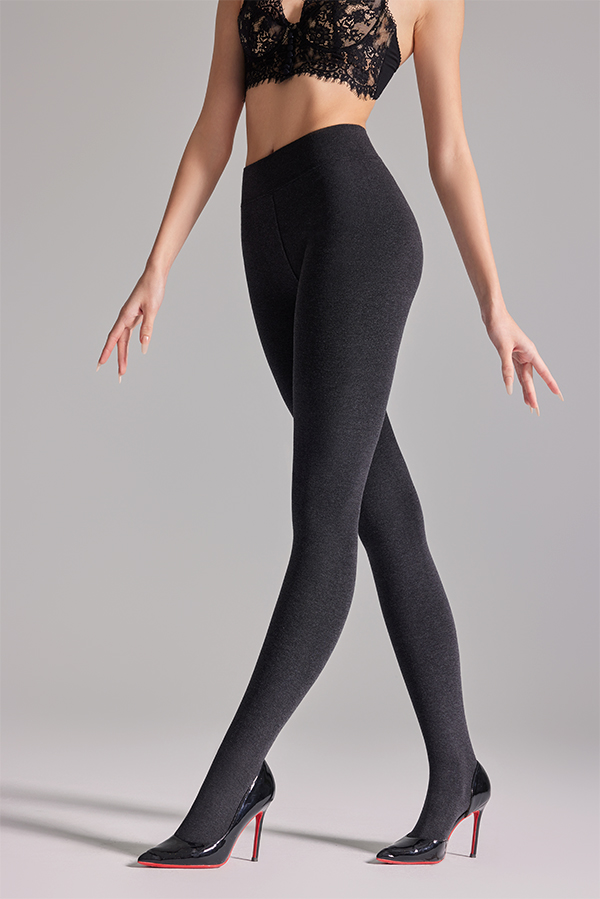
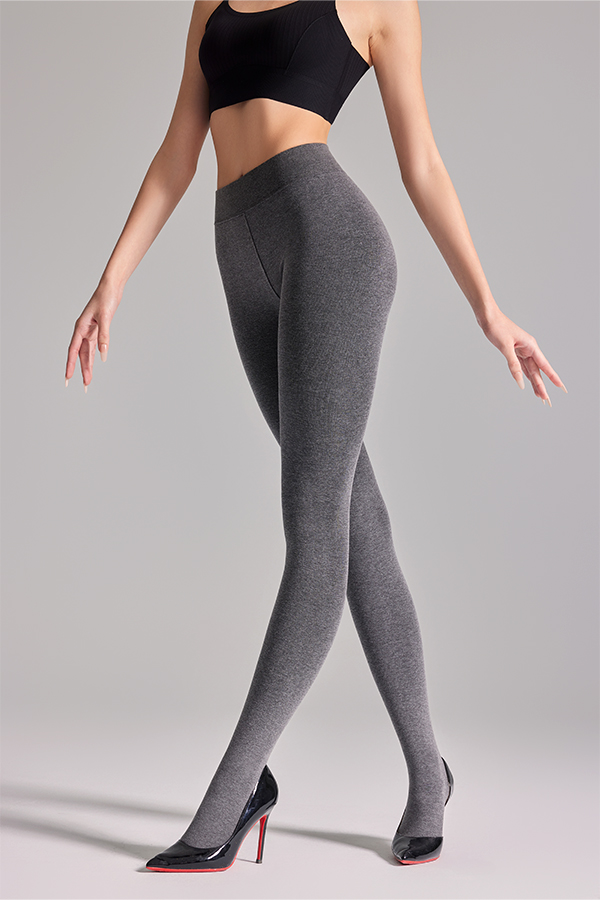
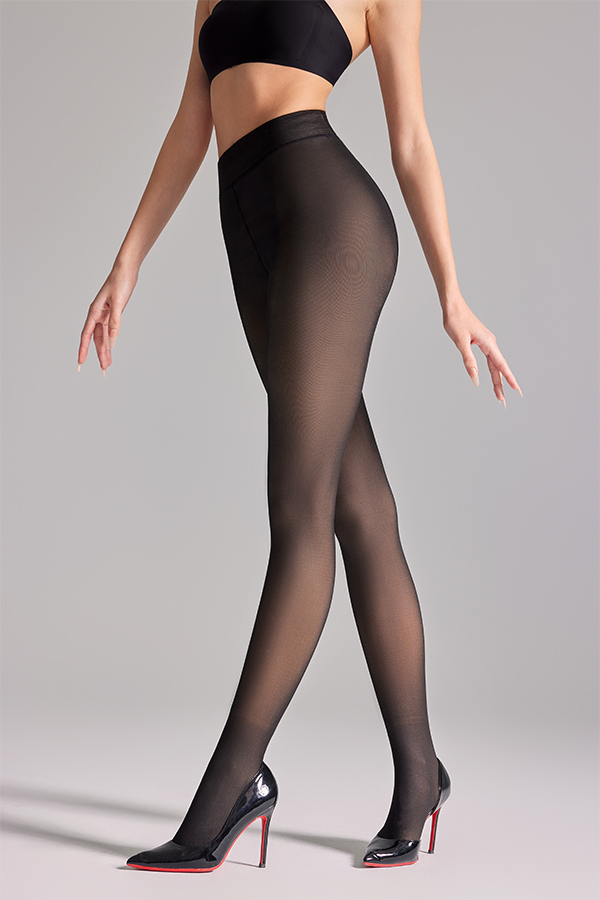
Expanded panel thermal opaque tights

Our provided products
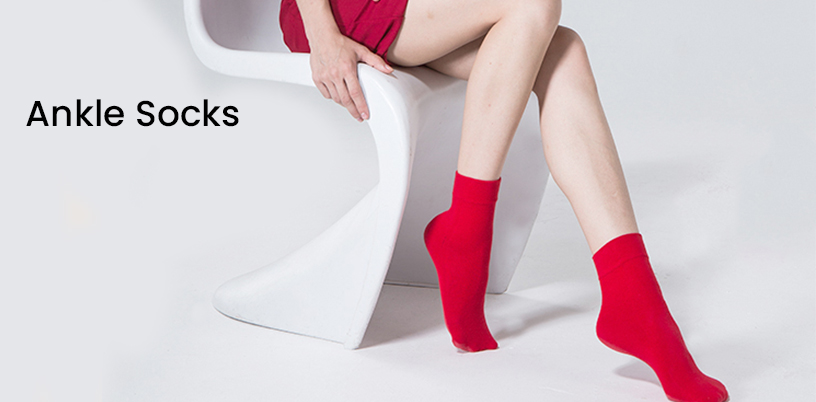
Children's hosiery needs to handle more than repeated stretching. During a school day or outdoor play, knitted fabric moves against the skin, bends around the knees and ankles, and is exposed to changing temperatures. These conditions make fabric construction an important part of production. Breathable Kids Hosiery is not defined by fiber selection alone; the yarn, stitch structure, fabric density, and finishing process all influence how air moves through the finished garment.
The production of Breathable Kids Hosiery begins before the knitting machine starts. Yarn characteristics affect how fibers form a fabric surface and how closely the knitted loops sit together. Cotton, polyester, nylon, and spandex are among the fibers used in hosiery, although the exact combination depends on the intended product.
Each material brings different characteristics to the yarn. Cotton is commonly used in soft textile constructions, while nylon and polyester are synthetic options for hosiery applications. Spandex adds elasticity, helping the fabric stretch and recover when worn. The proportion and arrangement of these fibers influence the feel, flexibility, and structure of the final textile.
At Zhejiang Chenyu Knitting Co., Ltd., the production chain includes yarn research and development, spinning, elasticizing, and yarn wrapping. Keeping these preparation stages within the manufacturing process allows yarn construction to be considered alongside the requirements of the knitting stage.

Once the yarn is prepared, knitting turns it into a fabric with a defined loop structure. The arrangement of these loops affects fabric thickness, stretch, surface appearance, and the spaces between yarns. These spaces are relevant to airflow, but they also need to be considered alongside coverage and fabric stability.
For Breathable Kids Hosiery, a fabric that is too compact may limit air movement, while a construction that is too open may not provide the required coverage or appearance. The knitting setup therefore needs to match the intended garment rather than simply maximize openness.
Different hosiery forms also have different construction requirements. Tights cover the legs continuously, while socks and leggings have different coverage areas and garment shapes. A knitting specification suitable for one form cannot automatically be applied to another. The machine setup and fabric construction need to reflect the product category and size range.
Children move frequently throughout the day, so hosiery needs enough flexibility to follow leg movement. Elastic yarn helps knitted fabric stretch, but its use also changes the way loops sit within the fabric.
In Breathable Kids Hosiery, elasticity and airflow should be considered together. A fabric construction that places too much emphasis on compression may feel restrictive, while insufficient recovery can affect how the garment fits after stretching. The goal during production is to establish a suitable relationship between stretch, recovery, fabric density, and the intended fit.
This balance is affected by yarn preparation and knitting conditions. Elasticizing and wrapping yarn are therefore connected to the final fabric result, rather than being isolated preparation steps. Adjustments made earlier in the process can influence the behavior of the knitted material later.
Knitted fabric does not reach its final condition immediately after weaving. Dyeing, roughening, and shaping are further stages in the production chain listed by Zhejiang Chenyu Knitting Co., Ltd. Each stage has a different role in preparing the textile for its intended appearance and use.
Dyeing establishes the fabric color, while roughening changes the surface texture where that treatment is required. Shaping helps establish the finished fabric form. These operations need to be coordinated with the original knitted construction because finishing can affect the surface and dimensions of the material.
For Breathable Kids Hosiery, the finishing process should preserve the fabric characteristics established during knitting. A change in surface texture or fabric dimensions can influence how the garment feels and fits. This is why production checks should consider the textile both before and after finishing.
A finished pair of Breathable Kids Hosiery may look consistent on the surface while differences in stretch, dimensions, or fabric structure remain less obvious. Full inspection is therefore an important stage before packaging.
Inspection can consider whether the knitted fabric has an even appearance, whether the garment dimensions match the intended size, and whether seams and finished edges are consistent. Stretch and recovery are also relevant when checking whether the garment retains its intended shape. The specific inspection requirements depend on the product construction and the order specifications.
Checking different production stages also helps identify where an inconsistency may have developed. If fabric density varies, the knitting process may need attention. If dimensions change after finishing, the shaping stage deserves review. This process-based approach gives the factory a clearer way to assess production results.
The production of Breathable Kids Hosiery involves connected decisions rather than one isolated fabric feature. Yarn preparation influences knitting, knitting establishes the fabric structure, and finishing affects the final textile condition. Inspection then checks whether the completed hosiery matches the intended requirements.
Zhejiang Chenyu Knitting Co., Ltd. has developed a production chain covering these stages, from yarn research and spinning to weaving, dyeing, shaping, inspection, and packaging. For children's hosiery, coordination across these operations helps maintain consistency between the original fabric construction and the finished garment. The result depends on how each production stage supports the requirements of the specific hosiery style.