
 English
  Español
  Deutsch
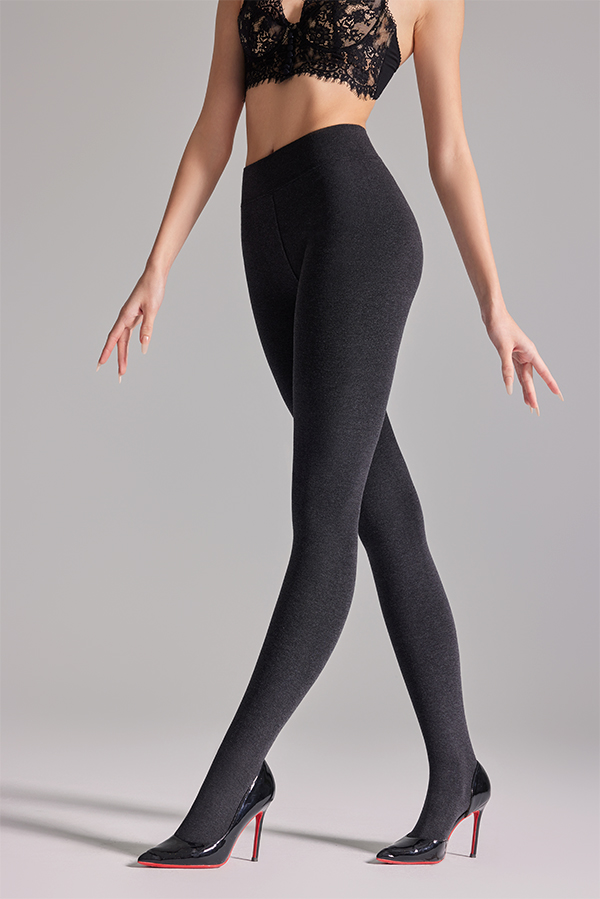
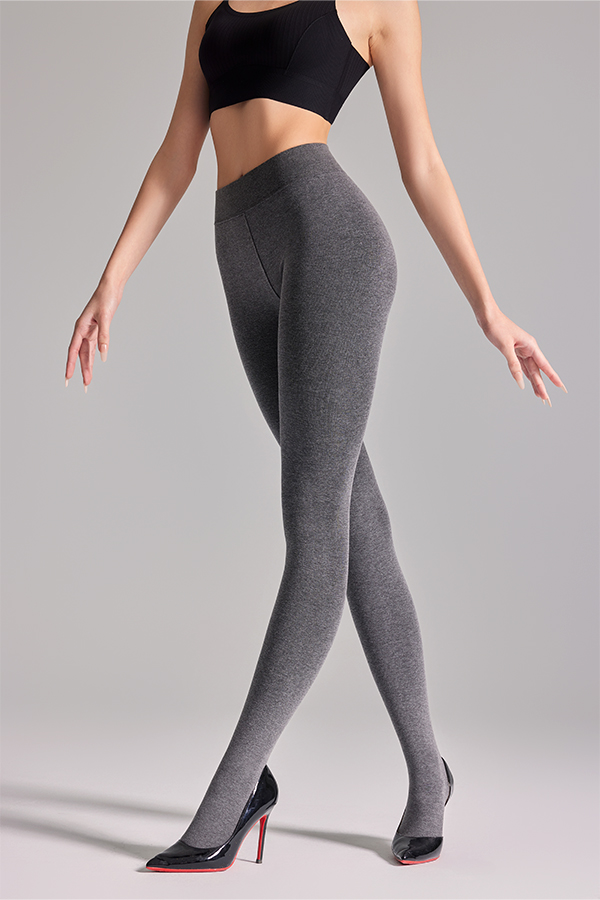
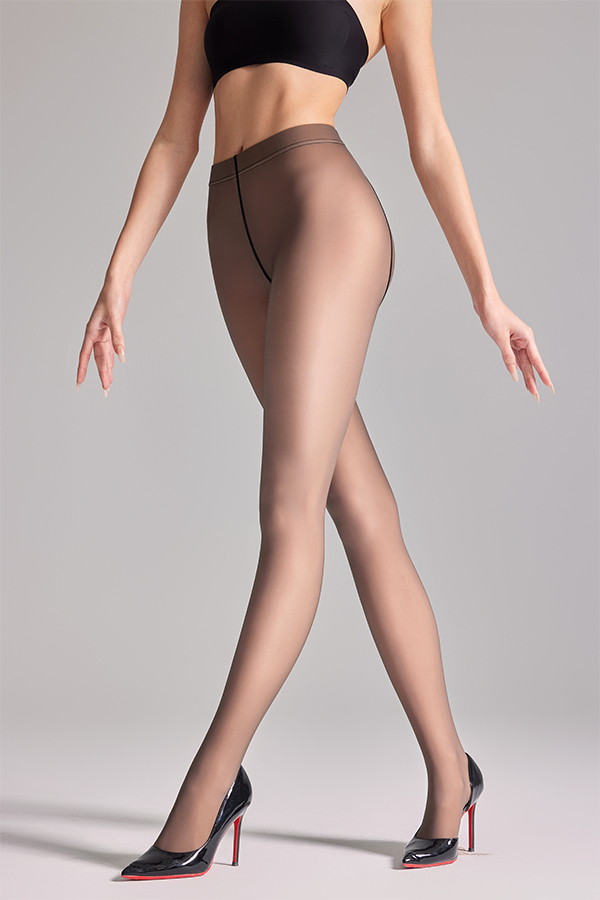
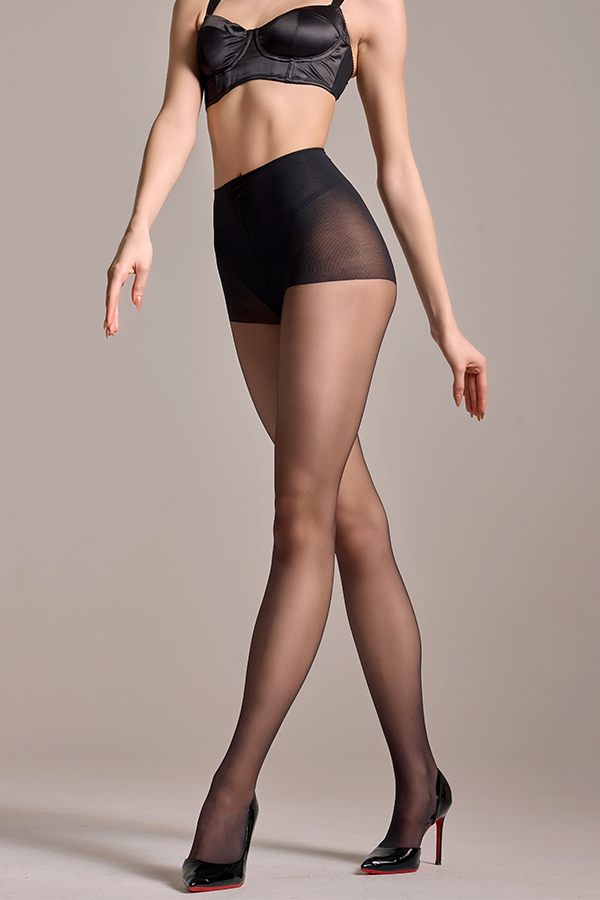
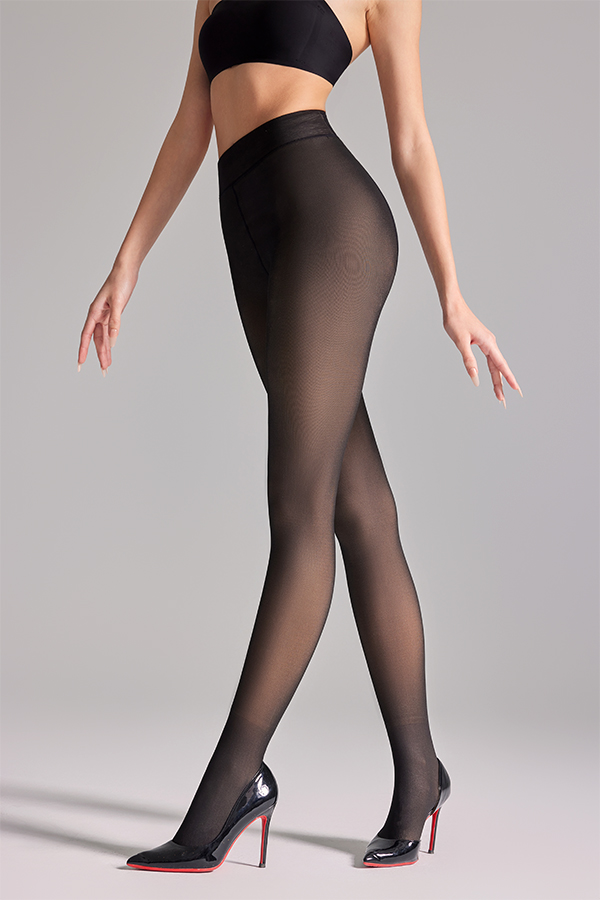
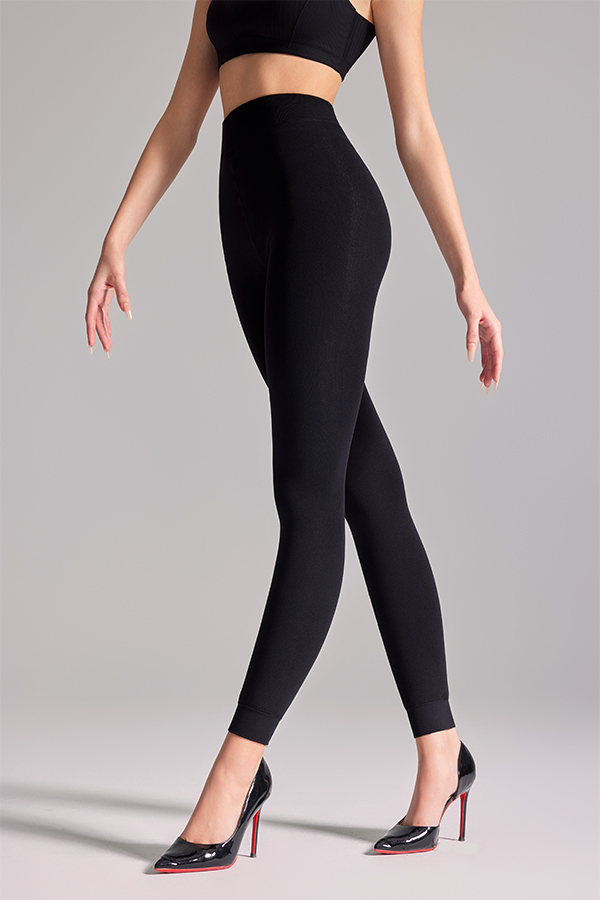
 Expanded panel thermal opaque tights

Our provided products
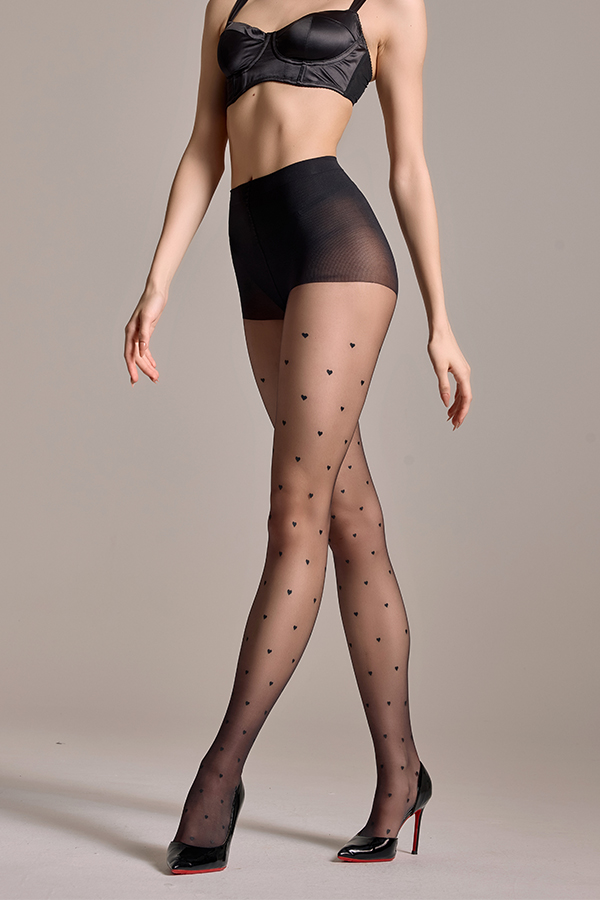
Wholesale hosiery buyers comparing supplier catalogs this season keep asking the same practical question: is sheer garter styling actually driving repeat orders, or is it a passing trend that fades once a season's stock clears out? Sourcing data from several export-focused knitting factories suggests the demand is holding steady, tied less to fashion cycles and more to specific manufacturing improvements that have made this category easier to produce at scale.
Knitting Technology Behind the Sheer Finish
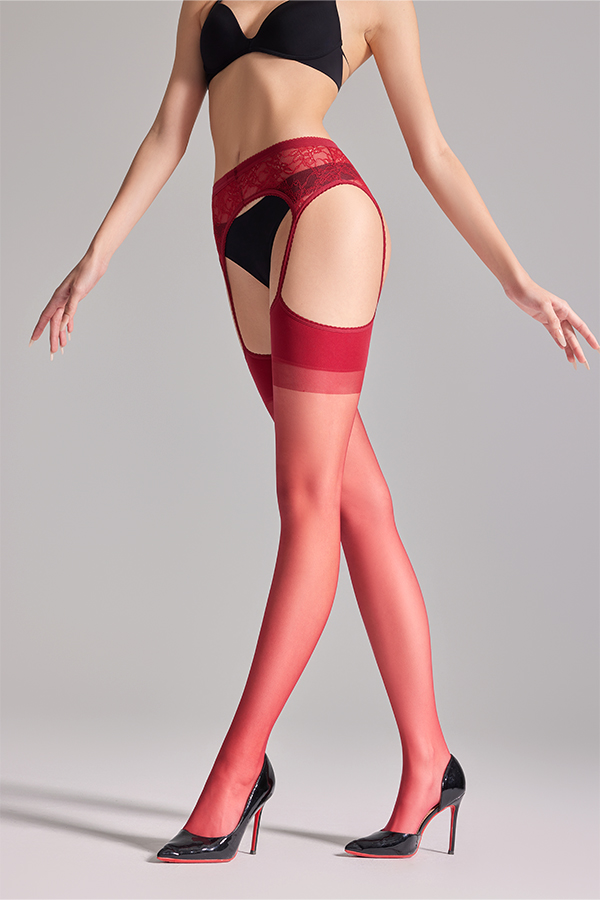
A convincing sheer finish depends on denier count and knitting gauge working together rather than either factor alone. Fine denier yarn in the 10 to 20 range produces the translucent look buyers expect from sheer garter pieces, but yarn this thin snags easily unless a factory runs it through a tightly controlled circular knitting machine calibrated for consistent tension across the whole panel. Machines set too loose leave visible pull lines within the initial few wears, which shows up quickly in return data once a batch reaches retail shelves.
Reinforced knitting at the toe and heel remains standard even on sheer styles, since these points absorb heavy friction during daily wear. Factories producing sheer garter hosiery increasingly reinforce the waistband transition point as well, since this is where lace trim attaches to sheer body fabric and where seam stress concentrates heavily during movement.
|
Production Factor |
Buyer Concern |
Common Standard |
|
Yarn denier |
Sheerness and durability balance |
10D to 20D |
|
Knitting gauge |
Consistent tension, fewer runs |
Fine circular knit |
|
Waistband elastic |
Comfort without slipping |
Silicone-grip lace band |
|
Reinforcement points |
Toe, heel, waistband seam |
Double-knit reinforcement |
Lace Trim and Waistband Construction
The band where lace trim meets sheer fabric on a sheer garter style determines both comfort and how long a piece holds its shape after repeated wear and washing. Silicone-grip strips woven into the lace band keep the top from rolling down during a full day of wear, a detail buyers now specify by grip strength rating rather than accepting a generic "non-slip" claim on a spec sheet. Lace sourced from jacquard looms holds its pattern definition longer than cheaper flat-knit imitation lace, though it costs more per meter, and distributors weigh this cost difference against expected retail price point before finalizing a fabric order.
Elastic recovery matters just as much as initial fit. A waistband that stretches well on day one but loses recovery after a handful of wash cycles generates complaints distributors trace back to elastic yarn quality rather than the garment pattern itself. Buyers auditing new suppliers for sheer garter lines increasingly request wash-cycle recovery data alongside a standard fit sample.
Run Resistance and Quality Testing
Run resistance testing separates hosiery suppliers more clearly than several other quality metrics in this category. A snag tester pulls a small hook across fabric under controlled tension to measure how far a run travels before the knit structure stops it, and factories producing fine denier thigh-high stockings increasingly publish this figure alongside denier count since two products at the same denier can perform very differently depending on knit density and yarn twist.
Colorfastness testing rounds out this quality picture for darker shades, where dye transfer onto skin or undergarments during wear creates a common complaint distributors want to screen out before a batch reaches retail. Wash-fastness ratings measured against standard textile testing scales give buyers a comparable number across different suppliers rather than relying on a visual color-match sample alone. Buyers sourcing sheer pantyhose and garter-style pieces from the same production line often request this data across the full color range at once, since a single failing shade can hold up an entire shipment during quality inspection.
Packaging and Retail Presentation
Retail packaging for this category has shifted toward flat cards with a printed size and denier chart, replacing older folded tissue formats that gave buyers little information at point of sale. Distributors sourcing lace-top hosiery for department store placement increasingly request packaging that displays fit information clearly, since return rates tied to sizing confusion outweigh whatever cost savings simpler packaging offers.
CY Knitting, working within this category, structures its sheer garter production around denier-matched knitting tension, tested waistband elastic recovery, and published run-resistance data, giving wholesale buyers a documented basis for comparing suppliers rather than a styling photo alone.