
 English
  Español
  Deutsch
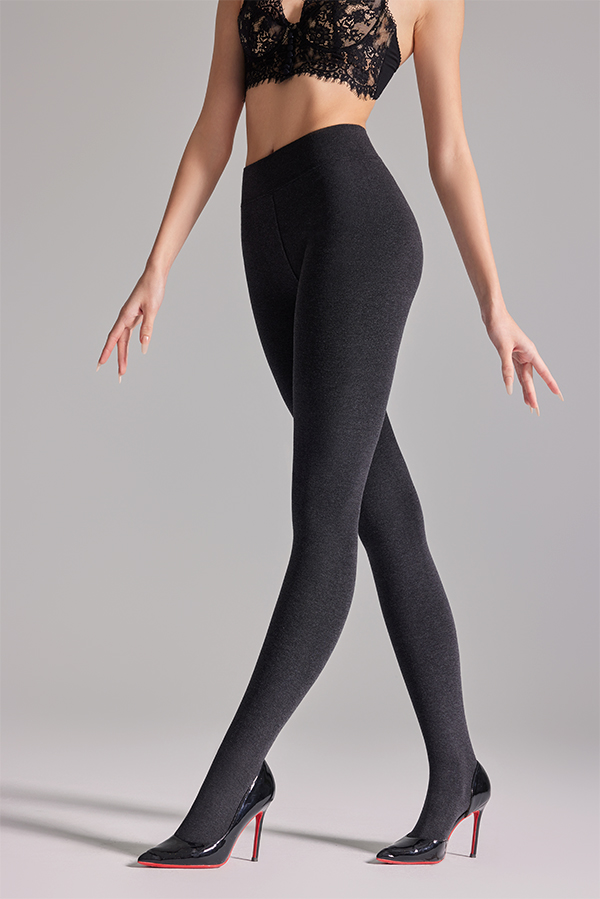
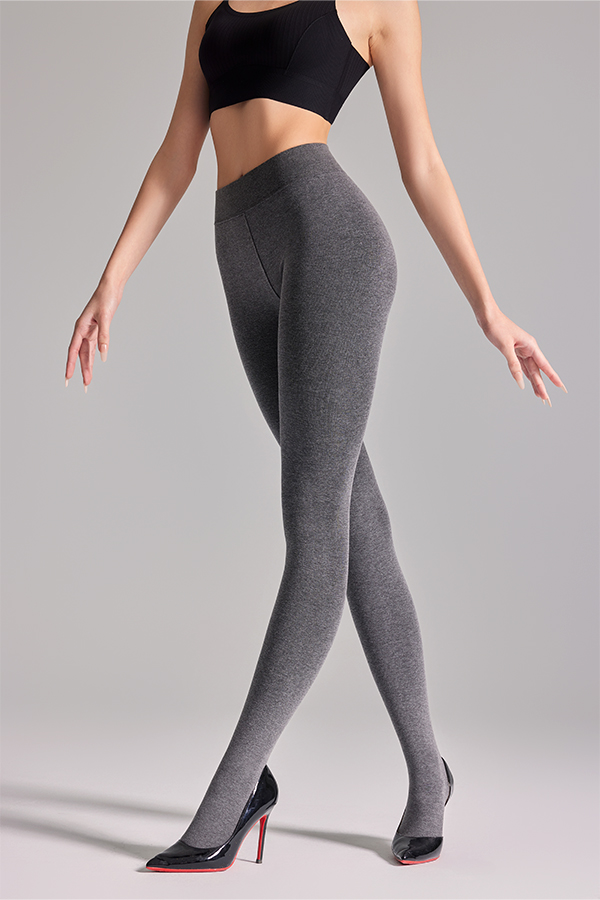
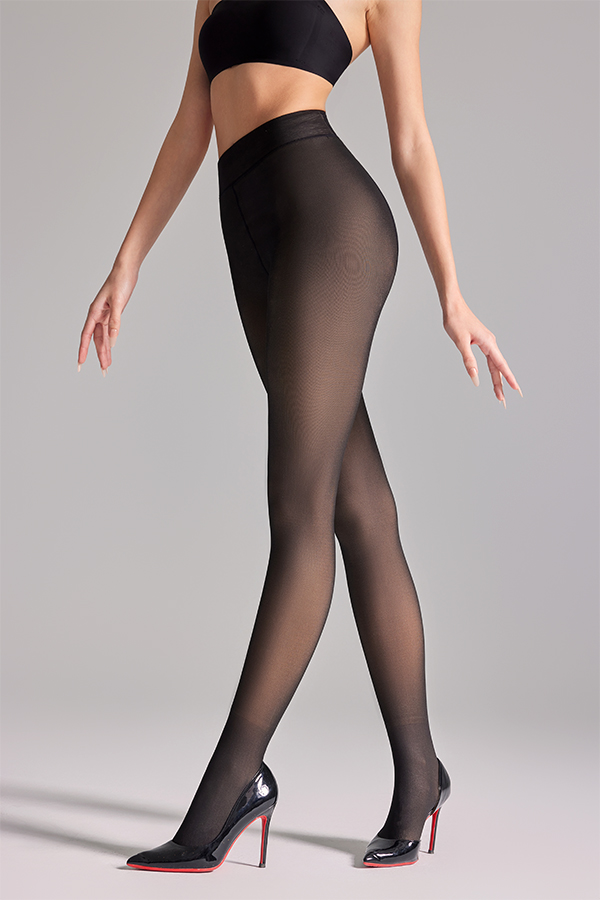
 Expanded panel thermal opaque tights

Our provided products
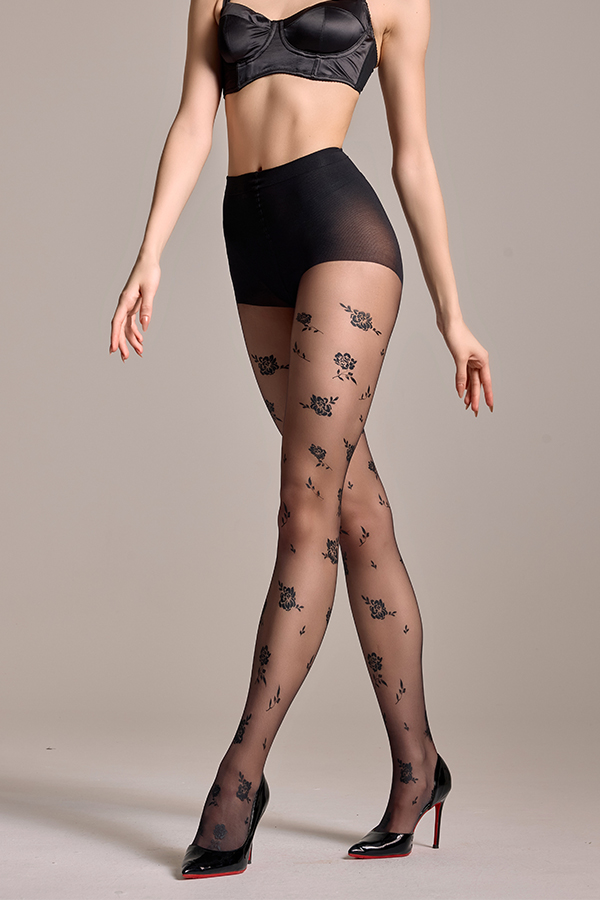
Lace hosiery has always depended on fine textile details, but modern Jacquard Lace Hold-Ups take that idea further by building decorative patterns directly into the knitted structure. Instead of treating lace as a simple surface decoration, manufacturers can use jacquard knitting techniques to create floral motifs, geometric arrangements, and other repeating patterns within the fabric itself.
This approach gives hosiery designers more room to work with pattern, texture, and stretch at the same time. It also means that the visual effect of the finished stocking is closely connected with the knitting process.
The appearance of a jacquard stocking begins with the relationship between yarns and machine settings.
Different yarn arrangements can produce different pattern effects, while the density of the knitted structure influences how clearly those details appear. For Jacquard Lace Hold-Ups, this is particularly relevant because lace patterns often contain small decorative elements that need to remain recognizable after the fabric stretches.
A pattern that looks balanced in its original design may appear different once knitted and worn. Designers therefore need to consider the behavior of the fabric rather than viewing the pattern as a flat graphic.
Yarn is another important part of jacquard hosiery development. Different yarn characteristics can affect softness, elasticity, transparency, and the definition of knitted patterns.
For Jacquard Lace Hold-Ups, the yarn combination needs to support both the decorative structure and the stretch required for a thigh-high garment. If the fabric stretches significantly, the visual proportions of the pattern can change as well.
This makes material selection part of the design process. The objective is not simply to find a yarn that produces an attractive surface, but to find a combination that works with the intended knitting structure.
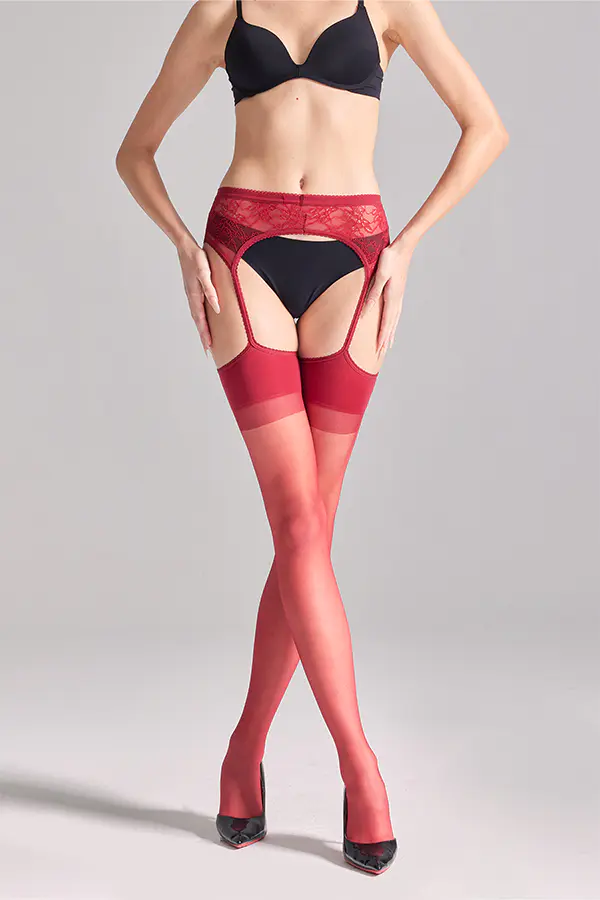
Hold-ups normally combine a leg section with an upper lace area. These areas do not necessarily have identical construction requirements.
The leg portion needs to accommodate movement and maintain an even appearance, while the lace section provides much of the product's decorative identity. The transition between the two therefore needs to look intentional rather than appearing like two unrelated textile sections.
In Jacquard Lace Hold-Ups, pattern placement can also influence the overall visual balance. Designers may develop motifs specifically for the upper section or create patterns that continue across a larger area of the stocking.
Stretch is fundamental to hosiery, but elasticity can also affect the appearance of jacquard designs.
When a stocking expands around the leg, the knitted loops move with the fabric. A pattern with carefully controlled proportions can maintain a more consistent visual effect, while unsuitable structures may become distorted when stretched.
Manufacturers therefore need to consider elasticity during pattern development instead of treating it as a separate production issue. For Jacquard Lace Hold-Ups, decorative design and fabric behavior are closely connected.
Knitting is only one stage of hosiery production. After the fabric has been formed, finishing and shaping processes help establish the final appearance of the stocking.
These stages can affect dimensions, surface presentation, and the way the lace section sits on the finished product. Inspection also becomes useful for identifying differences in pattern appearance, fabric condition, and overall shape.
This is particularly relevant for detailed jacquard designs, where small irregularities can be more noticeable than they would be on a plain stocking.
Jacquard technology also gives brands more opportunities to develop distinctive hosiery collections. Floral motifs can create a softer fashion direction, while geometric patterns can produce a more contemporary appearance.
For Jacquard Lace Hold-Ups, customization can involve pattern arrangement, lace width, colors, yarn combinations, and the relationship between the lace cuff and leg section.
This flexibility is useful for private-label collections because the same basic hosiery category can be developed into very different visual styles without changing its fundamental format.
The development of Jacquard Lace Hold-Ups shows how textile technology can influence fashion hosiery beyond simple decoration. Pattern creation, yarn selection, knitting structure, elasticity, shaping, and finishing all contribute to the final product.
For manufacturers and product developers, the challenge is to make these elements work together. A successful jacquard design needs to remain visually distinctive while fitting the physical behavior of knitted hosiery.
As knitting technology continues to provide greater control over textile patterns, Jacquard Lace Hold-Ups offer an increasingly flexible direction for brands looking to combine decorative lace with more distinctive knitted structures.