
 English
  Español
  Deutsch
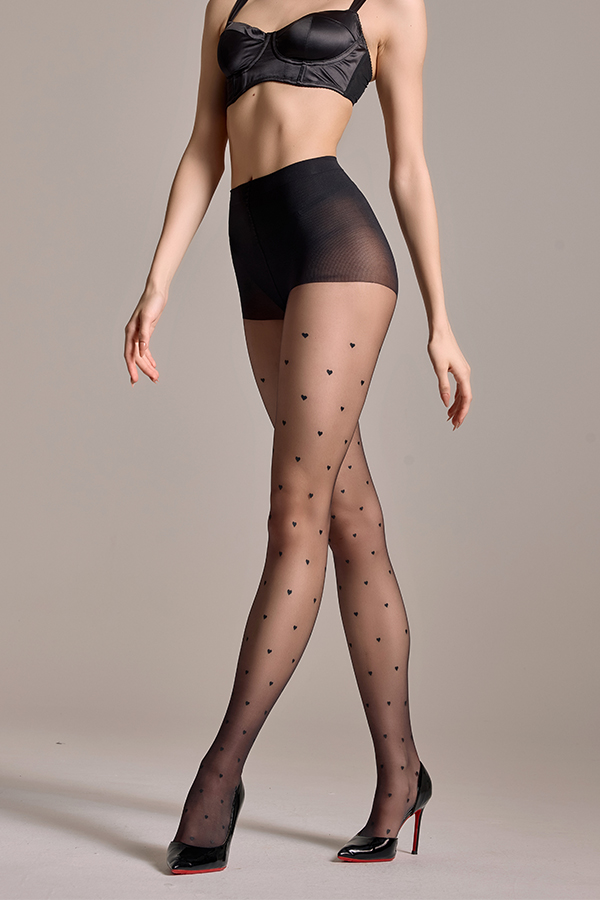
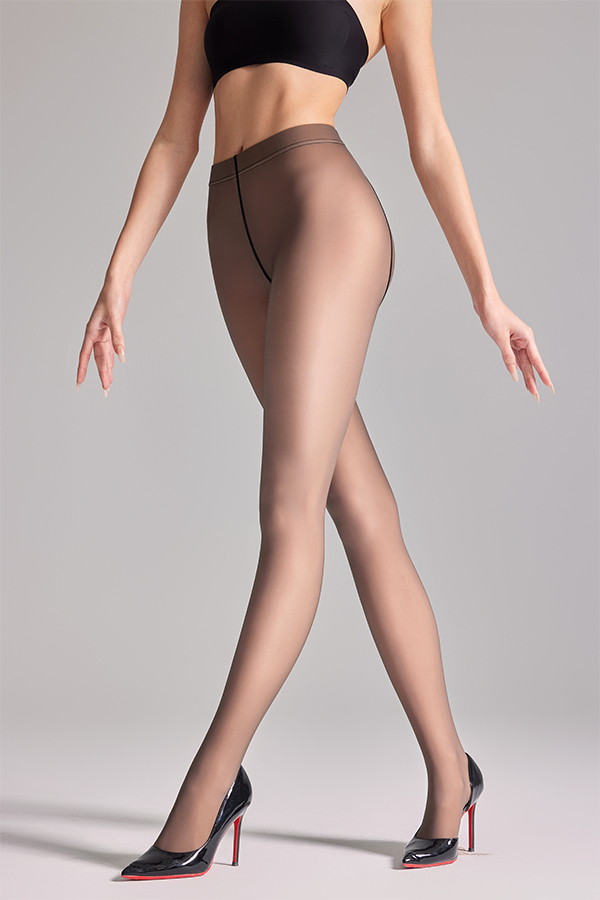
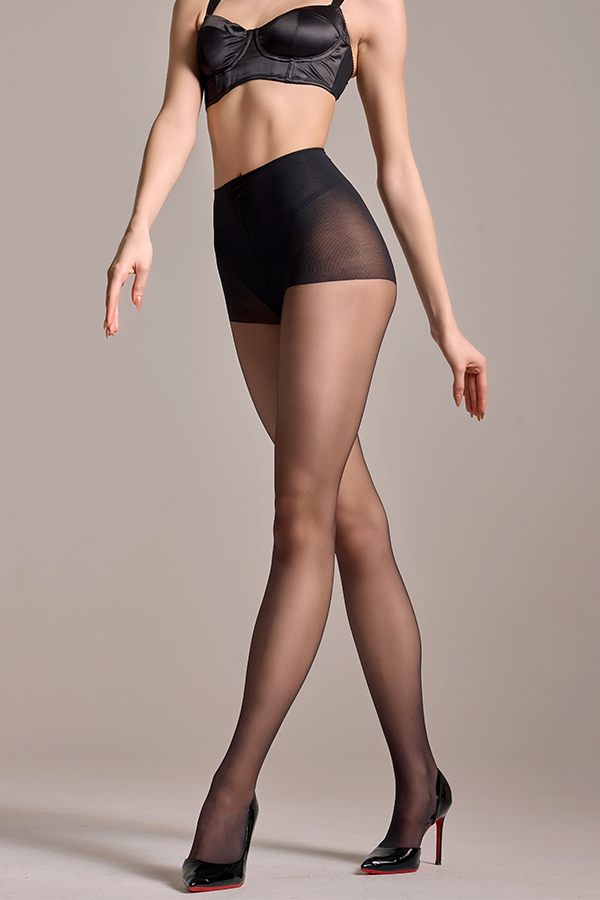
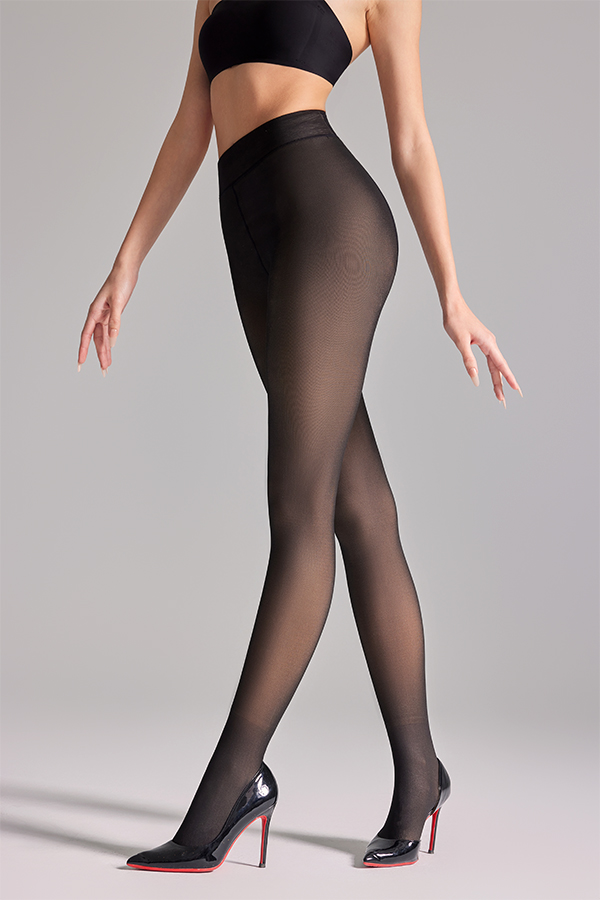
 Expanded panel thermal opaque tights

Our provided products
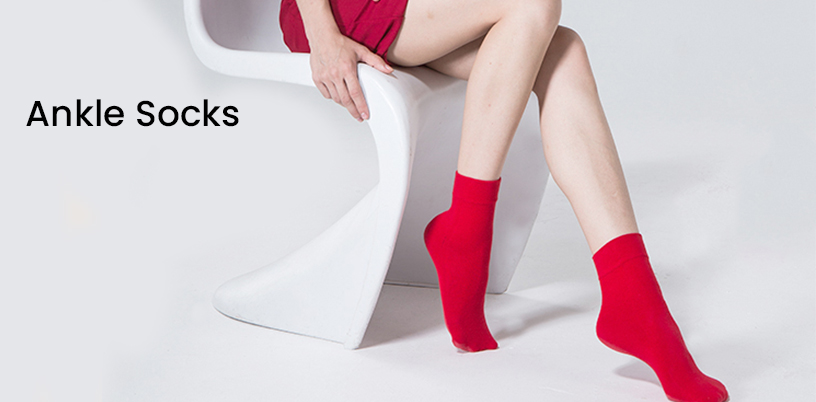
In the modern hosiery market, consumers increasingly expect a sock to do more than cover the foot. They look for comfort, a refined appearance, dependable fit, skin-friendly materials, and the versatility to complement different types of clothing. Retailers and fashion brands, meanwhile, need products that can be manufactured consistently, supplied efficiently, and adapted to specific market requirements. The 3001 Core silk mid-calf socks in flesh colour are designed to meet these expectations through a combination of understated styling, practical coverage, and carefully organized hosiery production.
These mid-calf socks are part of an ankle sock category, yet their raised length gives them broader practical value than a very short low-cut design. The flesh-coloured appearance makes them visually discreet under many garments, while the smooth construction is suitable for everyday wear, professional outfits, formal occasions, and fashion coordination. Their design is intentionally versatile: they can provide a polished finishing layer without becoming the visual focus of an outfit.
Behind the product is Zhejiang Chenyu Knitting Co., Ltd., a hosiery manufacturer based in Dongyang, Zhejiang, China. Founded in 1989, the company has developed a production structure that extends across yarn development, spinning, elasticizing, yarn wrapping, greige weaving, piecing, dyeing, roughening, shaping, inspection, and packaging. This complete production chain gives the manufacturer greater control over material preparation, construction, finishing, and quality management than a fragmented sourcing model.
The purpose of this article is to examine the characteristics and commercial potential of the 3001 Core silk mid-calf socks, while also explaining how an integrated manufacturing system supports consistency and OEM customization. The discussion focuses on product design, comfort, appearance, fabric considerations, production technology, inspection, sustainability, competitive advantages, and the needs of overseas buyers.
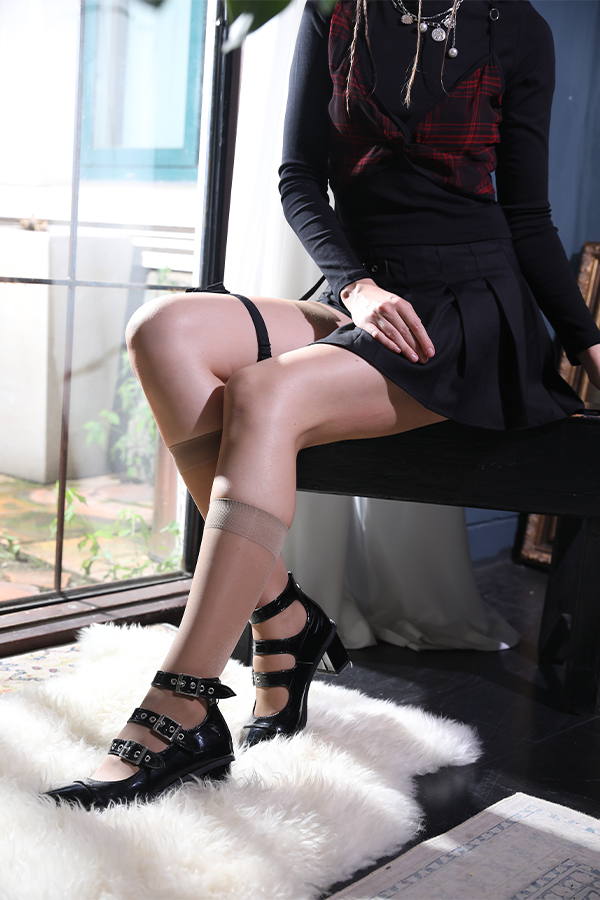
3001 Core silk mid-calf socks flesh-coloured
The 3001 Core silk mid-calf socks are flesh-coloured socks with a mid-calf profile. This length offers a practical balance between coverage and discretion. Compared with ankle socks that stop close to the ankle bone, a mid-calf design provides more protection from contact between the leg and footwear. Compared with knee-high socks, it remains lighter, less visually prominent, and easier to coordinate with trousers, skirts, dresses, and workwear.
The product’s flesh-coloured tone is one of its main visual advantages. A neutral colour can blend more naturally with a variety of skin tones and clothing combinations than highly contrasting shades. It can be used when the wearer wants the benefits of hosiery without creating an obvious colour break at the ankle or lower calf. For retailers, neutral colourways also offer broad market applicability because they can serve customers seeking functional essentials rather than seasonal statement colours alone.
The designation “Core silk” communicates a focus on a refined, smooth hosiery hand feel. In the context of hosiery development, silk-related product positioning usually emphasizes softness, surface elegance, lightweight comfort, and a polished appearance. The precise fibre composition, yarn specification, and finishing method should be confirmed for each commercial order, but the product concept clearly targets customers who appreciate a more delicate and refined sock experience.
The sock is suitable for daily wardrobes in which comfort and visual coordination are equally important. It may be worn with dress shoes, loafers, flats, casual footwear, office shoes, or other styles where a discreet mid-calf layer is desirable. Its relatively neutral design can support private-label basics collections, women’s hosiery ranges, uniform-related assortments, travel essentials, and value-added multipacks.
Length is one of the most important factors in hosiery functionality. A sock that is too short may leave part of the ankle exposed, while a sock that is too long may feel unnecessarily warm or restrictive for certain outfits. The mid-calf profile of the 3001 design creates an adaptable middle ground. It offers more security and coverage than a low-cut sock while avoiding the full-leg visual impact of a knee-high product.
This balanced silhouette is particularly useful in transitional seasons. During spring and autumn, wearers may want more coverage than a trainer sock provides but less insulation than a heavy winter sock. A fine, smooth mid-calf style can work with lightweight trousers and skirts without overwhelming the overall outfit. It can also function as a compact travel item because it occupies less space than longer hosiery while still offering useful coverage.
For businesses, the mid-calf shape can complement several product categories. It can be marketed as an everyday essential, a refined comfort sock, a formalwear accessory, or a neutral wardrobe basic. This flexibility helps buyers reduce the risk associated with highly specialized products that appeal only to one narrow customer group.
Colour selection affects both product perception and sales potential. Flesh colour is associated with discretion, simplicity, and coordination. It can be positioned as a practical shade for workwear, formal clothing, ceremonies, travel, hospitality uniforms, and situations where the wearer prefers a low-visibility sock.
Compared with black or bright fashion colours, flesh colour may be less dependent on seasonal trends. It can remain relevant throughout the year and can be included in basic collections with a longer selling cycle. Retailers may also use the colour as part of a shade range, pairing it with black, white, grey, navy, and seasonal tones to create a balanced hosiery assortment.
Although the product is described as flesh-coloured, buyers should consider shade development carefully. Different markets have different expectations regarding neutral tones and skin-related colour matching. A professional OEM program can review colour standards, lab dips, sample approvals, and production tolerances before bulk manufacture. This process allows the final shade to better match a brand’s target market and visual identity.
Comfort is a central performance requirement for any sock. A wearer notices discomfort quickly when a product feels rough, slips downward, compresses unevenly, traps excess heat, or creates pressure points inside the shoe. The 3001 Core silk mid-calf socks are positioned around a smooth and refined wearing experience, supported by material development and controlled knitting and finishing processes.
A comfortable sock needs to manage several areas at once. The fabric must feel pleasant against the skin, the structure must accommodate natural foot movement, the top must remain sufficiently secure, and the toe and heel areas must avoid excessive bulk. These factors are influenced by yarn selection, knitting parameters, elastic integration, shaping, seaming, dyeing, and final inspection.
A silk-like or silk-positioned surface is valued because it can provide a smooth touch and an elegant visual finish. For customers who dislike coarse textures, a refined sock surface can improve the overall wearing experience. It may also slide more comfortably under trousers and interact smoothly with footwear, reducing the sensation of rough friction during movement.
Surface smoothness is not produced by one step alone. It depends on the quality of the yarn, the spinning process, the knitting conditions, and the finishing treatment. Fibre preparation and yarn wrapping can influence the regularity of the yarn body. Knitting must then convert that yarn into a stable fabric with an even appearance. Subsequent dyeing and shaping should preserve the intended handle rather than causing unnecessary stiffness or distortion.
The mid-calf construction provides useful coverage in everyday situations. It can help prevent direct contact between the lower leg and the inside of footwear or trousers. It also creates a more complete appearance when the wearer sits down or crosses their legs, reducing the chance that a bare section of ankle will become visible.
For professional environments, this coverage can contribute to a neat and coordinated appearance. In formal settings, the flesh colour can remain visually subtle, allowing the clothing and footwear to retain attention. In casual settings, the sock can provide a polished alternative to a very short athletic style without requiring a heavy or highly structured product.
A sock must remain in position without causing excessive pressure. The elasticizing stage is therefore important. Properly developed elastic components can help the sock stay at the intended height while allowing normal movement. The right balance depends on the yarn system, cuff construction, wearer’s leg shape, product size, and target market.
For OEM buyers, fit approval should include wear testing on appropriate foot and leg forms. A sample may look correct on a flat table but behave differently during walking, sitting, or repeated laundering. Evaluating slippage, cuff comfort, stretch recovery, and dimensional stability helps identify changes before bulk production.
The product’s neutral colour and moderate length allow it to work across multiple wardrobe categories. It can be paired with tailored trousers, ankle-length pants, midi skirts, office dresses, casual skirts, and lightweight seasonal outfits. This versatility is valuable for consumers who prefer fewer products with broader use and for retailers building compact, practical collections.
The socks may also appeal to customers who want an alternative to highly visible athletic socks. Their design language is quieter and more refined, which can be especially useful for workwear, travel, hospitality, retail service roles, and formal occasions. The commercial message can focus on discreet comfort, elegant simplicity, and everyday reliability.
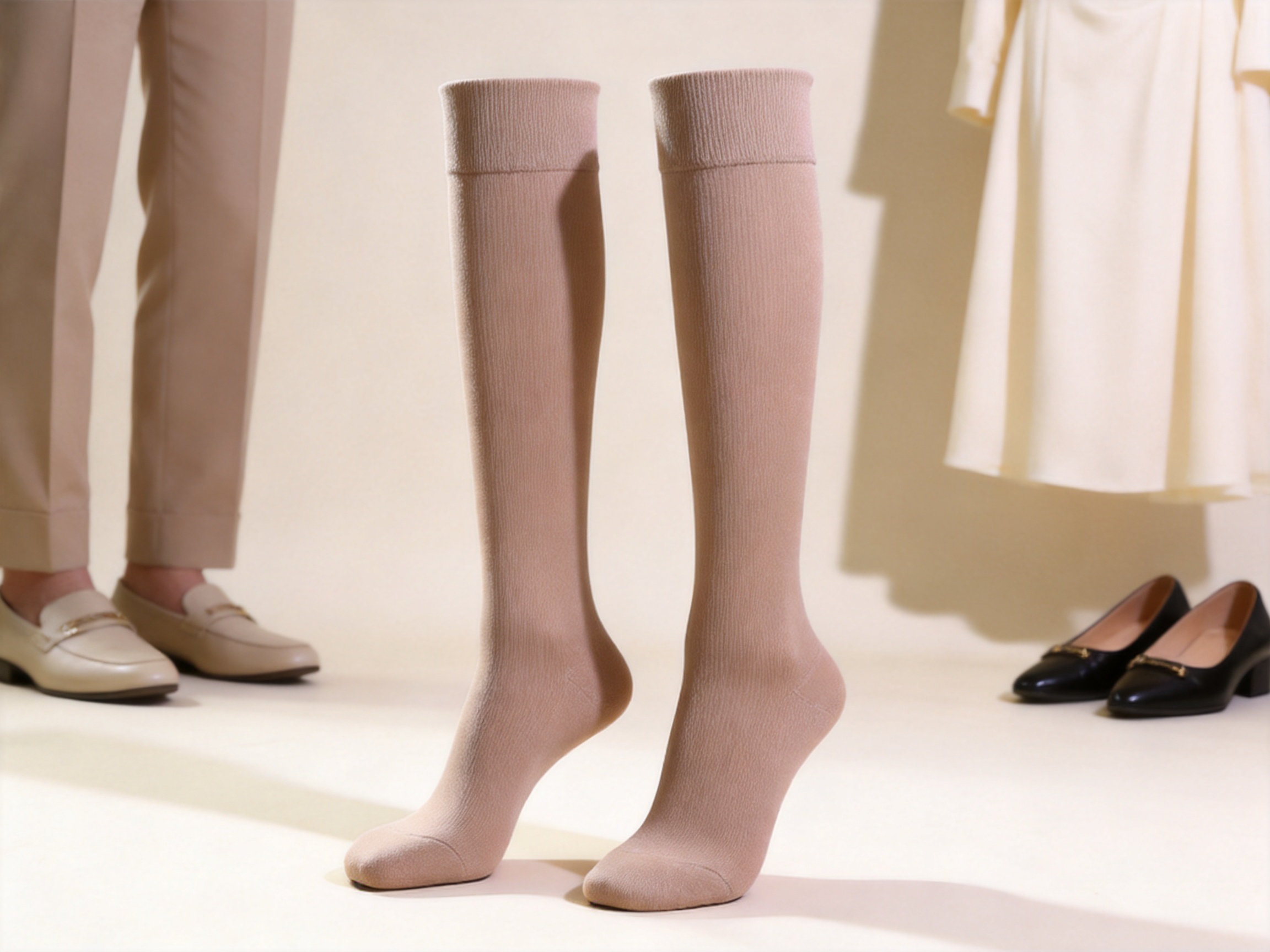
Hosiery performance is directly connected to fibre and yarn engineering. The product name identifies a Core silk concept, while the manufacturer’s wider production capabilities include yarn research and development, spinning, elasticizing, and yarn wrapping. These capabilities are important because they allow material decisions to be considered as part of the complete sock system rather than treated as an isolated purchasing step.
For a silk-oriented sock, the desired performance may include a smooth touch, a fine visual surface, low visual bulk, and comfortable movement inside footwear. The final result depends on the selected fibre blend and yarn construction. Depending on the buyer’s requirements, development may consider softness, strength, stretch, moisture behaviour, colour absorption, drying characteristics, pilling resistance, and care performance.
Yarn research can support product differentiation in a crowded hosiery market. Instead of relying only on standard commodity yarns, a manufacturer with internal development experience can assess yarn combinations and structures according to the intended product positioning. A refined mid-calf sock may require a different yarn balance from a thick sports sock or a winter thermal style.
Yarn development also supports consistency. If the yarn is engineered and evaluated with the end product in mind, the manufacturer can better coordinate yarn diameter, elasticity, surface appearance, and knitting behaviour. This coordination can reduce avoidable variation between production batches and improve the predictability of the finished product.
Spinning influences the evenness and strength of yarn. Regular yarn is important for fine hosiery because irregularities may become visible as streaks, thin spots, thick spots, or uneven texture. A controlled spinning process helps create a more consistent basis for knitting, dyeing, and finishing.
For a flesh-coloured sock, visual uniformity is particularly important. A neutral shade can make surface inconsistencies easier to notice, especially under bright retail lighting. Even yarn preparation and careful inspection can help the final product present a cleaner, more premium appearance.
Elasticizing is relevant to stretch, recovery, and fit. The sock must expand over the foot and lower leg, then return sufficiently toward its original dimensions. Elastic yarn systems can be developed to support this movement while maintaining wearer comfort.
Yarn wrapping can protect or integrate elastic components and can influence the surface and handling of the finished yarn. Proper wrapping may help achieve a smoother appearance and more stable knitting performance. The specific construction should be selected according to the product’s target compression, stretch, hand feel, and durability requirements.
These stages demonstrate why an integrated manufacturer can offer advantages over a trading model that purchases each component from unrelated sources. When yarn development, wrapping, knitting, and finishing are connected within one production system, technical adjustments can be communicated more directly and evaluated against the finished sock rather than only against an intermediate material.
The company’s stated production system covers the complete hosiery chain from yarn research and development to final packaging. This structure is a major strength for buyers seeking consistent OEM production. It creates a clearer connection between raw material decisions, machine settings, finishing standards, inspection procedures, and delivery preparation.
Greige weaving, or the production of unfinished knitted material, is a key stage in hosiery manufacturing. At this point, the sock structure is formed before dyeing and final finishing. Knitting parameters influence density, stretch, surface appearance, dimensional stability, and the way the product responds to later processes.
For the 3001 design, fabric formation must support a fine and orderly appearance while allowing the sock to stretch around the foot and lower leg. The structure should remain sufficiently stable for regular use, yet flexible enough to preserve comfort. Machine selection, needle condition, yarn tension, loop formation, and production speed all contribute to the result.
Integrated technical control at the knitting stage can help reduce defects such as dropped stitches, holes, uneven courses, excessive tightness, and inconsistent dimensions. These issues are easier to prevent when production teams understand both the yarn behaviour and the final product requirements.
After the knitted components are formed, piecing and related construction operations create the finished sock shape. The toe area is especially important because it sits inside the shoe and may be exposed to repeated pressure. A poorly controlled toe construction can cause a hard ridge or uncomfortable seam.
For a refined sock, construction should support a smooth internal experience. The final design and equipment determine the exact seam method, but the production objective remains consistent: reduce unnecessary bulk, maintain alignment, and create a clean appearance. Inspection during and after piecing can identify misalignment, open seams, or irregular joining before the product proceeds to later stages.
Dyeing transforms the unfinished sock into the intended flesh-coloured product. Neutral shades require careful control because slight differences in tone may be visible when products are displayed together. Colour control should consider the approved standard, dye concentration, temperature, time, material behaviour, and lot-to-lot repeatability.
A reliable dyeing process also needs to protect the fabric’s intended hand feel and dimensions. Excessive heat or unsuitable treatment can affect elasticity, shrinkage, surface smoothness, and colour fastness. Proper process management balances shade accuracy with the physical requirements of the sock.
For private-label orders, buyers may establish colour approval procedures that include laboratory samples, pilot lots, standard swatches, and bulk-production comparisons. This is especially helpful when the product is part of a larger colour family or when it must coordinate with other garments and accessories.
Roughening is included in the company’s production chain and can be applied according to product requirements. Not every sock needs the same surface treatment. A fine, silk-positioned style may prioritize a smooth hand, whereas another product may require a warmer or more brushed interior.
The ability to control such processes within the same production system allows the manufacturer to adapt product feel to the buyer’s market. For the 3001 Core silk mid-calf socks, the treatment should be selected with the desired refined surface and lightweight comfort in mind. Any treatment must be evaluated for its effect on softness, appearance, stretch, pilling, and care performance.
Shaping helps the sock reach its intended three-dimensional form. It can influence the way the product sits on the heel, ankle, foot, and calf. Correct shaping is essential because a sock that is technically the right size may still feel poorly fitted if the heel position or overall proportions are inaccurate.
Dimensional stability is also important after washing and repeated wear. A well-controlled shaping process, combined with suitable material selection and finishing, can help the sock retain its intended profile. Buyers should establish testing requirements for length, width, stretch recovery, colour fastness, and appearance after laundering.
Full inspection is a significant advantage in quality-sensitive hosiery supply. Every product can be reviewed for visible defects, construction problems, shade variation, dimensional issues, contamination, and packaging accuracy. Full inspection does not eliminate the need for process control, but it provides an additional barrier against nonconforming goods reaching the customer.
Packaging is the final stage before shipment and has both protective and commercial functions. The product must be folded or arranged consistently, labelled accurately, and packed in a way that protects its appearance. OEM buyers may request specific packaging formats, barcode systems, size labels, country-of-origin information, care instructions, inserts, or retail-ready presentation.
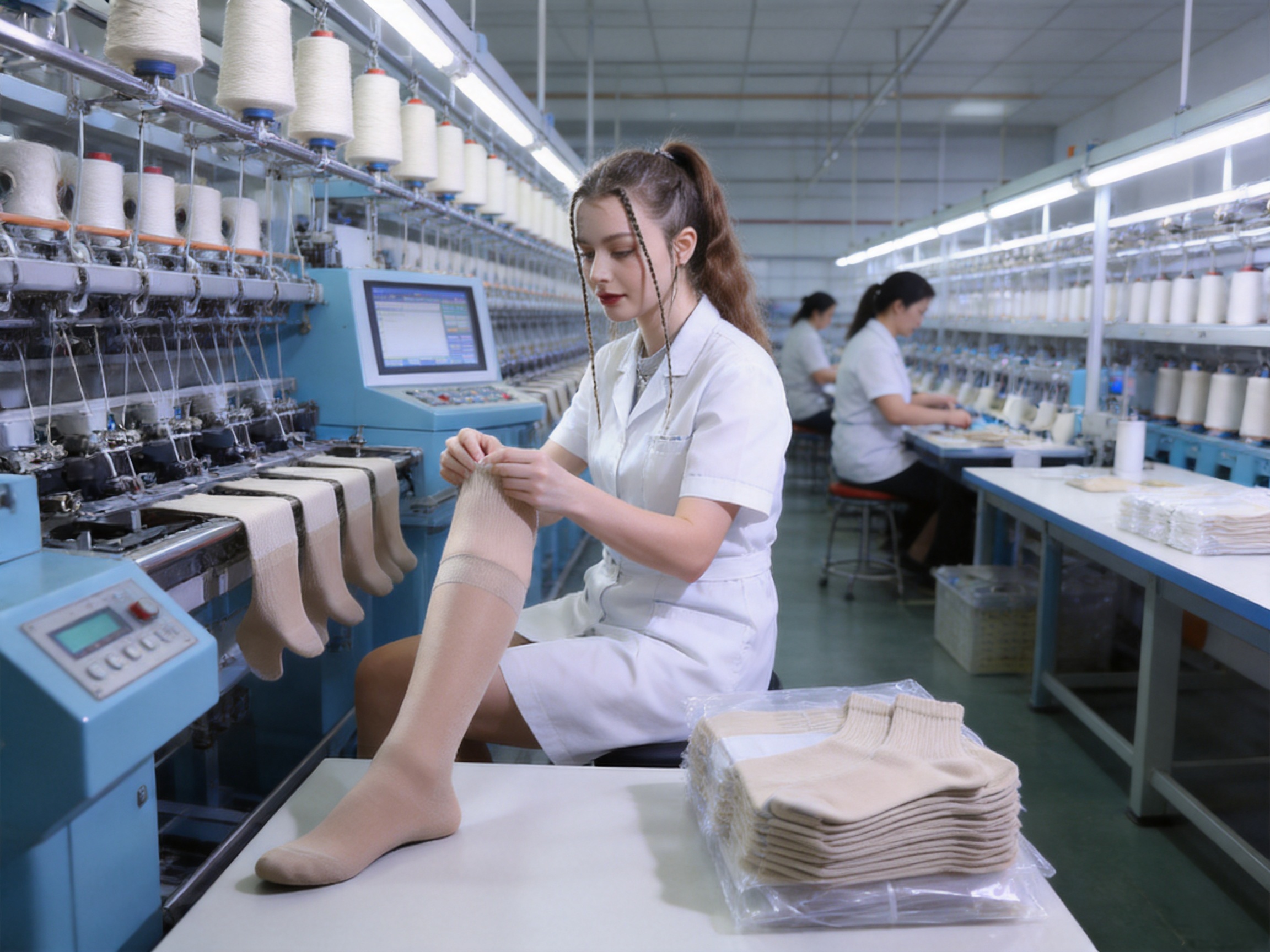
The 3001 Core silk mid-calf socks compete in a market containing basic cotton socks, athletic ankle socks, synthetic dress socks, knee-high hosiery, and fashion-oriented legwear. Their competitive position comes from a combination of design neutrality, refined material positioning, useful length, and manufacturer-supported customization.
A very short ankle sock is often designed for casual or athletic footwear, while a knee-high sock provides greater coverage and may feel less suitable for lightweight everyday outfits. The mid-calf design offers an adaptable compromise. It can fit into formal, professional, casual, and travel wardrobes without being limited to one activity or season.
This versatility can help retailers present the product as a core essential rather than a one-purpose accessory. It may also support multipack programs in which the buyer wants a dependable neutral option that customers can wear frequently.
Flesh colour offers a subtle alternative to black, white, or bright fashion shades. It can be particularly useful when the wearer wants to minimize the visual interruption between the sock, skin, and clothing. This discreet quality can support professional dress codes and formal styling while still providing practical coverage.
The Core silk positioning suggests a more polished alternative to conventional everyday socks. A refined surface, fine construction, and neutral shade can create a higher perceived value. This makes the product suitable not only for budget essentials but also for elevated basics collections where the customer is willing to pay for improved touch and appearance.
The product can serve as a starting point for OEM programs. Buyers may develop packaging, shade variations, size ranges, fibre specifications, logo applications, and assortment structures around the base design. A manufacturer with capabilities across yarn and hosiery production can help coordinate these adjustments more efficiently than a supplier that only handles final assembly.
The company’s one-stop production system is a major differentiator. It covers yarn research and development, spinning, elasticizing, yarn wrapping, greige weaving, piecing, dyeing, roughening, shaping, full inspection, and packaging. Such integration can reduce dependence on multiple external factories and make it easier to trace the source of material or construction issues.
| Evaluation area | 3001 Core silk mid-calf socks | Potential buyer benefit |
|---|---|---|
| Length | Mid-calf profile | Balanced coverage for formal, casual, and professional wear |
| Colour | Flesh-coloured neutral tone | Discreet coordination with garments and footwear |
| Product positioning | Refined Core silk concept | Higher perceived value than an ordinary basic sock |
| Material support | Yarn development and preparation capabilities | More control over hand feel, stretch, and appearance |
| Production scope | Integrated hosiery industry chain | Coordinated development from yarn to packaging |
| Quality management | Full inspection and controlled finishing | Greater opportunity to identify defects before shipment |
| OEM potential | Customization departments and multi-stage production | Support for private-label and market-specific programs |
For international buyers, selecting a hosiery supplier involves more than choosing a visually attractive sample. The supplier must be able to repeat the sample at scale, maintain stable specifications, communicate effectively, manage packaging requirements, and respond to changes in the market. Zhejiang Chenyu Knitting Co., Ltd. has developed foreign trade, e-commerce, OEM customization, and domestic brand departments, giving it experience across different sales and product channels.
The company was founded in 1989 and has accumulated decades of experience in knitting and hosiery production. Its two domestic brands, Xinyu and CEL, demonstrate its involvement in brand-oriented product development, while its OEM operations support buyers that require products under their own labels. This combination can be useful to overseas businesses seeking both manufacturing capacity and product-development understanding.
A one-stop chain can simplify communication. When yarn, knitting, dyeing, shaping, inspection, and packing are handled within a coordinated organization, the buyer does not need to manage every stage through separate intermediaries. Technical feedback can move more quickly from one department to another, helping reduce misunderstandings related to specifications.
For example, if a buyer requests a softer hand feel, a different stretch response, or a revised neutral shade, the change may affect multiple stages. An integrated manufacturer can evaluate the interaction between yarn preparation, knitting density, dyeing, and finishing. This holistic approach is more reliable than changing only one component without considering the rest of the production chain.
OEM cooperation is strongest when the supplier participates in development rather than merely reproducing a sample. Buyers may need guidance regarding yarn selection, size grading, construction, packaging, colour standards, and testing. A manufacturer with internal technical teams can help translate a commercial concept into production specifications.
The 3001 socks can be used as a development reference for different markets. A brand may wish to retain the flesh-coloured mid-calf appearance while adjusting the fibre blend, thickness, cuff, toe construction, label, or packaging. Development samples allow both parties to evaluate the product before confirming bulk production.
Hosiery products are sold through department stores, supermarkets, fashion retailers, online marketplaces, brand websites, uniform suppliers, and distributors. Each channel may require different packaging, documentation, quantity planning, and presentation. A supplier experienced in domestic brands, foreign trade, e-commerce, and OEM customization is better positioned to understand these differences.
For online sales, product consistency and accurate photography are essential because customers rely heavily on images and descriptions. For physical retail, packaging, colour presentation, barcodes, and shelf appearance are important. For uniform or institutional programs, repeatability, size availability, and delivery planning may be priorities. A flexible manufacturer can help adapt the same basic product to different channels.
Hosiery quality should be assessed through a combination of visual inspection, dimensional checks, physical testing, and practical wear evaluation. A finished sock may look attractive but still perform poorly if it loses shape, fades, pills excessively, or develops construction defects. The company’s full-inspection stage provides an important foundation, while buyers can define additional quality requirements according to their market.
Visual inspection should examine the overall shade, surface uniformity, knitting regularity, toe alignment, cuff appearance, and cleanliness. Flesh-coloured products should be checked under suitable lighting because colour variation may appear different under natural light, retail lighting, and photographic lighting.
Inspectors can also review loose threads, holes, dropped stitches, runs, stains, yarn knots, uneven shaping, and packaging damage. Consistent inspection criteria help ensure that different production teams evaluate products in the same way.
Measurements may include foot length, foot width, cuff width, overall sock length, and stretch range. These dimensions should be checked against approved specifications and tolerances. Size grading must reflect the intended market because foot and leg proportions, labelling systems, and consumer expectations vary between regions.
Samples should be evaluated both relaxed and stretched. A relaxed measurement indicates the product’s basic dimensions, while a stretch measurement provides information about accommodation and fit. The relationship between the two is useful for assessing whether the sock will feel secure without becoming restrictive.
Repeated wear and washing can affect the elasticity and dimensions of hosiery. Testing may include repeated stretch cycles, laundering, drying, and remeasurement. The objective is to understand whether the sock maintains its shape, remains wearable, and preserves a satisfactory appearance over time.
Care instructions should match the actual product characteristics. Buyers should confirm recommended washing temperatures, drying methods, ironing restrictions, and other instructions before printing labels or packaging. Clear care information can help customers maintain the product and reduce avoidable complaints.
Colour fastness is especially relevant to a neutral product because fading or uneven colour can reduce its discreet appearance. Testing may consider washing, rubbing, perspiration, and light exposure depending on the intended market and applicable standards.
Surface durability should also be considered. Fine hosiery can be comfortable and elegant, but its performance depends on yarn selection, fabric construction, footwear interaction, and care habits. Pilling, snagging, and abrasion evaluations can help buyers determine the most suitable positioning and usage instructions.
The company’s SEO description identifies sustainable fabrics as part of its development direction. Sustainability in hosiery involves material choices, production efficiency, durability, packaging, energy use, chemical management, and product lifespan. A sock that remains attractive and wearable for longer may reduce the need for frequent replacement, which is an important part of responsible consumption.
Sustainable material development should be supported by clear technical information. Buyers may request details about fibre origin, recycled content where applicable, certifications, dyeing processes, wastewater management, packaging materials, and factory environmental procedures. The exact sustainability claims used in marketing should be based on verifiable specifications and documentation.
Material selection should consider the entire product lifecycle rather than one isolated attribute. A fibre may have a favourable profile in one area but require careful management in another. Relevant questions include how the material is produced, how much processing it needs, how durable it is, how it performs during washing, and whether it can be recycled or responsibly disposed of.
For OEM buyers, sustainable fabric development can be incorporated into the sampling stage. The buyer may compare alternative yarn systems and evaluate their hand feel, appearance, stretch, durability, cost, and environmental documentation. This approach supports more credible product claims and helps balance sustainability with commercial performance.
An integrated production chain can support waste reduction by improving coordination between stages. Accurate yarn preparation, stable knitting, controlled dyeing, and full inspection can reduce the amount of material lost to defects or rework. Efficient planning can also help limit unnecessary sampling, overproduction, and packaging errors.
Waste reduction is not only an environmental objective; it can contribute to cost control and supply reliability. When fewer products require reprocessing or disposal, production planning becomes more predictable. Buyers benefit from improved efficiency, while manufacturers gain better use of materials and capacity.
Product durability is relevant to sustainability because a product that performs reliably may be replaced less often. Durability does not necessarily mean making a sock heavy or rigid. It means balancing fine appearance and comfort with sufficient strength for the intended use.
The best balance depends on the product’s market position. A delicate fashion item may have different expectations from an everyday basic. For the 3001 socks, buyers can define the intended usage level and request testing that reflects real wearing conditions. This can help prevent the product from being either unnecessarily over-engineered or insufficiently durable.
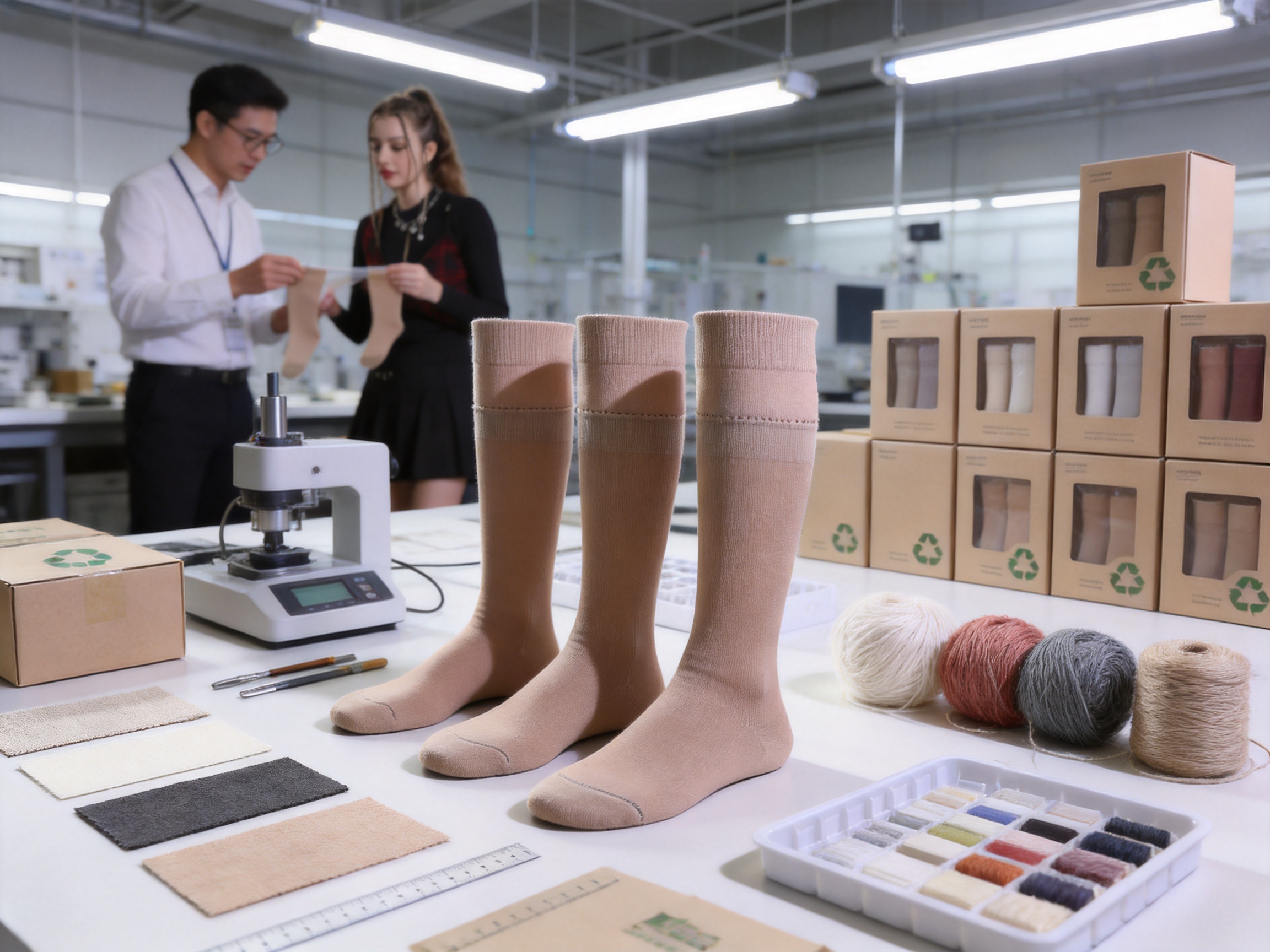
Packaging transforms a manufactured sock into a market-ready product. For private-label customers, it is also an important part of brand communication. The 3001 Core silk mid-calf socks can be presented in a simple essentials format, an elevated hosiery package, a multipack, or a coordinated collection with other sock lengths and colours.
Packaging design should communicate the product’s key benefits without making unsupported claims. Appropriate messages may focus on the flesh-coloured neutral shade, mid-calf coverage, smooth hand feel, everyday versatility, or refined appearance. If the material composition includes a specific silk fibre or certified sustainable content, the packaging should describe it accurately according to confirmed technical documentation.
OEM buyers may require woven labels, printed logos, branded belly bands, cardboard headers, individual boxes, polybags, paper packaging, or retail display formats. The right solution depends on the distribution channel, sustainability goals, transport conditions, and budget.
Packaging can also support product education. Care instructions, size information, shade names, fibre content, and origin details help customers make informed decisions. For online sales, the package should be designed to arrive without crushing, staining, or distorting the sock.
A single neutral sock can become the foundation of a broader hosiery collection. Buyers may introduce the product alongside black mid-calf socks, white casual socks, sheer styles, knee highs, tights, and other hosiery categories. Coordinated packaging and naming can help create a consistent range.
The product may also be offered in different quantity formats. A single pair can support premium presentation, while two-pair, three-pair, or larger multipacks can improve value perception and encourage repeat purchase. The appropriate format depends on the target market and retail strategy.
Successful OEM production begins with a complete product brief. Buyers should provide the intended market, target consumer, quantity expectations, size range, fibre requirements, colour standard, packaging concept, labelling needs, testing requirements, and delivery schedule. Clear information allows the factory to identify technical challenges early.
The specification should state the sock length, size range, fibre composition, yarn characteristics, colour reference, cuff construction, toe construction, finishing requirements, and acceptable tolerances. If the product will be sold in several countries, the buyer should confirm local labelling and safety requirements before final approval.
It is also useful to distinguish between mandatory requirements and flexible preferences. For example, a specific flesh-colour standard or fibre content may be essential, while packaging dimensions or carton arrangement may be open to discussion. This distinction helps the manufacturer prioritize development work.
Sample approval should cover appearance, touch, dimensions, fit, packaging, and care performance. Buyers should retain an approved reference sample and written specification for future comparison. If several sample rounds are required, each revision should be identified clearly to avoid confusion.
Wear testing can reveal issues that are not obvious during visual review. Testers should walk, sit, wear different shoes, and wash the socks according to the proposed care instructions. Feedback should record cuff comfort, toe feel, slippage, stretch recovery, surface changes, and colour appearance.
Bulk orders should include a production timeline covering material preparation, knitting, dyeing, finishing, inspection, packaging, and shipment. Buyers may request pre-production samples, production-line checks, random final inspections, or complete inspection depending on the product and order value.
Because hosiery is a size- and colour-sensitive product, the buyer should establish how shade lots, size ratios, and carton quantities will be managed. Accurate carton marking can prevent delays at warehouses and distribution centres.
If sustainability is part of the product’s marketing position, buyers should request supporting information before making public claims. This may include fibre certificates, recycled content records, factory policies, testing reports, packaging declarations, or other relevant documents. Transparent communication protects both the buyer and the manufacturer from vague or misleading environmental statements.
The 3001 Core silk mid-calf socks can serve several customer groups. Professional women and men may appreciate the discreet appearance and practical coverage. Customers purchasing formalwear may use the product for ceremonies, business events, interviews, or office dressing. Travellers may value a lightweight, compact sock that can be worn with different outfits.
Retailers can position the product in everyday essentials, premium basics, comfort hosiery, or neutral accessories. Uniform suppliers may consider it for industries where a clean and coordinated appearance matters, subject to the relevant dress-code specifications. Online retailers can communicate its use through outfit-based photography, size guidance, and care information.
The product can also appeal to customers who prefer understated fashion. Not every hosiery purchase is intended to make a bold statement. Many consumers want a reliable item that performs quietly and complements the rest of their wardrobe. The flesh-coloured mid-calf design addresses this practical need while retaining a more refined identity than a generic basic sock.
The main design features are the mid-calf length, flesh-coloured appearance, and refined Core silk positioning. Together, these characteristics create a discreet sock suitable for everyday, professional, formal, and coordinated wardrobe use.
The product is listed within the ankle sock category, while its specific design is described as mid-calf. Buyers should confirm the final length measurement and classification for their own catalogue, market, and packaging requirements.
It refers to a neutral shade designed to appear discreet and coordinate with skin tones and clothing. Since neutral colour preferences differ between markets, buyers should approve a physical colour standard or lab dip before bulk production.
The supplied product title uses the term “Core silk,” but the exact fibre composition is not provided in the available information. Buyers should request the confirmed fibre content, yarn specification, and applicable test documentation before publishing material claims.
It provides more coverage than a very short ankle sock while remaining less extensive than a knee-high. This makes it versatile for trousers, skirts, dresses, workwear, formal outfits, and transitional-season dressing.
Yes. The manufacturer operates an OEM customization department and has a production system covering material development, knitting, finishing, inspection, and packaging. Customization details such as colour, size, fibre specification, labels, packaging, and assortment should be discussed during development.
Integrated manufacturing can improve coordination between yarn development, spinning, elasticizing, wrapping, knitting, dyeing, shaping, inspection, and packaging. It may also simplify communication, support traceability, and make technical adjustments easier to manage.
Recommended checks include visual inspection, shade consistency, dimensions, stretch recovery, toe and cuff construction, colour fastness, laundering performance, surface durability, packaging accuracy, and compliance with the requirements of the destination market.
Yes. The neutral mid-calf design can complement ankle socks, knee highs, hold-ups, garter stockings, tights, other hosiery, and children’s tights. A coordinated range can use common packaging, colour logic, and brand presentation.
Buyers should confirm the actual fibre content, any recycled or sustainable material claims, relevant certifications, dyeing and wastewater practices, packaging materials, production waste controls, and product-care information. Marketing statements should be based on documented evidence.
Zhejiang Chenyu Knitting Co., Ltd. is located at No. 289 Juhe Road, Jiangbei Subdistrict, Dongyang, Jinhua, Zhejiang, China. The company was founded in 1989 and has developed domestic brands, foreign trade operations, e-commerce activities, and OEM customization services.
An overseas buyer can begin by providing a product brief, target quantity, destination market, desired fibre content, colour reference, size range, packaging requirements, and testing expectations. The manufacturer can then support sample development, specification confirmation, production planning, inspection, and packaging coordination.
The 3001 Core silk mid-calf socks in flesh colour combine a practical length with a discreet neutral appearance and a refined product concept. Their mid-calf profile provides balanced coverage, while the flesh-coloured shade supports understated coordination across professional, formal, casual, and travel wardrobes. The Core silk positioning gives the product a more elevated identity than an ordinary basic sock, subject to confirmation of the exact fibre and yarn specification.
The product’s strongest commercial value comes from its versatility. It is not limited to one season, one dress code, or one retail channel. It can be developed as an everyday essential, a premium basic, a multipack item, a private-label accessory, or part of a broader hosiery collection. This flexibility can help retailers and brands respond to customers who want comfort, simplicity, and reliable styling.
Equally important is the manufacturing foundation behind the product. Zhejiang Chenyu Knitting Co., Ltd. has operated since 1989 and has established a complete hosiery industry chain covering yarn research and development, spinning, elasticizing, yarn wrapping, greige weaving, piecing, dyeing, roughening, shaping, full inspection, and packaging. This integrated structure supports technical coordination, OEM development, quality management, and product customization.
For buyers, the next step is to confirm the detailed technical specification, including fibre content, size measurements, shade standard, construction, care instructions, packaging, and testing criteria. With these details clearly approved, the 3001 Core silk mid-calf socks can become a dependable component of a modern hosiery program—combining discreet design, refined comfort, manufacturing control, and flexible private-label potential.
1. Product information supplied for the 3001 Core silk mid-calf socks in flesh colour.
2. Company information supplied for Zhejiang Chenyu Knitting Co., Ltd., including its founding history, production capabilities, OEM activities, and integrated hosiery industry chain.
3. General principles of hosiery product development, including yarn preparation, knitting, elastic integration, dyeing, shaping, inspection, and packaging.
4. General textile quality-management practices concerning dimensional stability, colour fastness, stretch recovery, surface durability, laundering, and finished-product inspection.
5. General sustainable textile-development principles concerning material selection, manufacturing efficiency, product durability, packaging, and responsible environmental claims.