
 English
  Español
  Deutsch
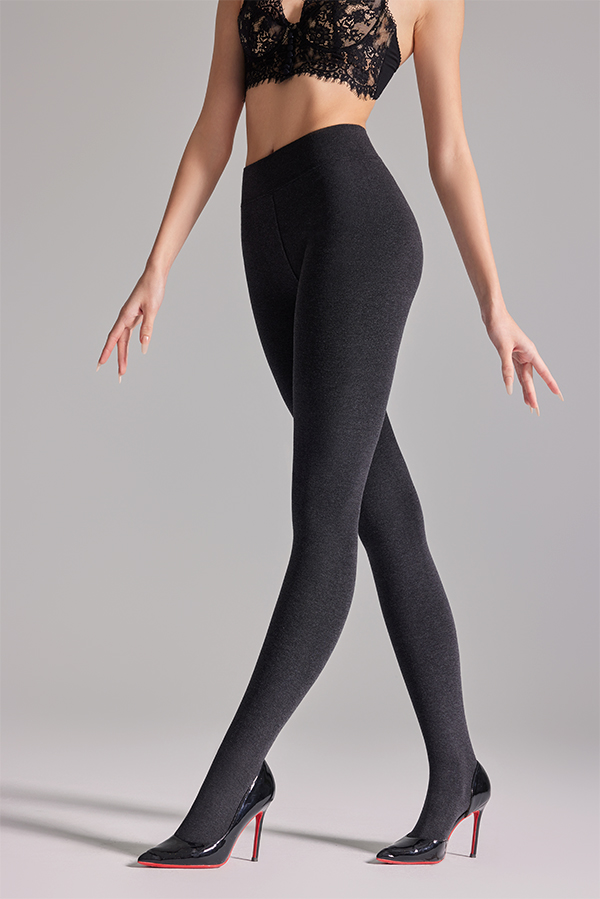
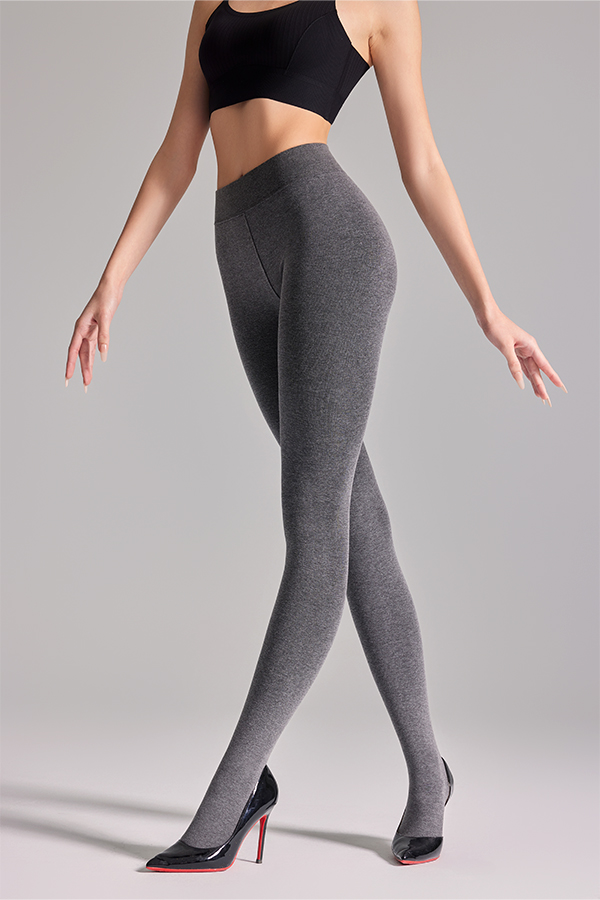
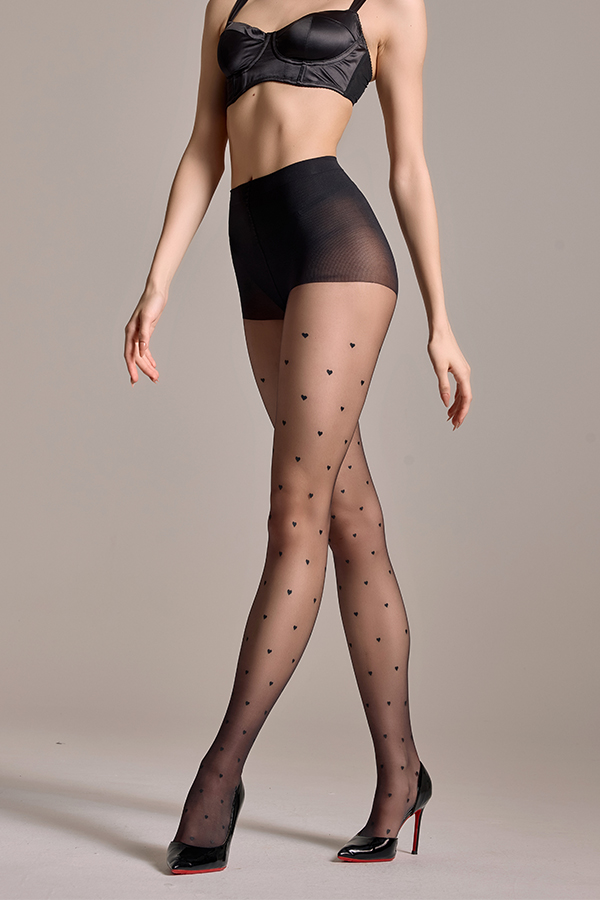
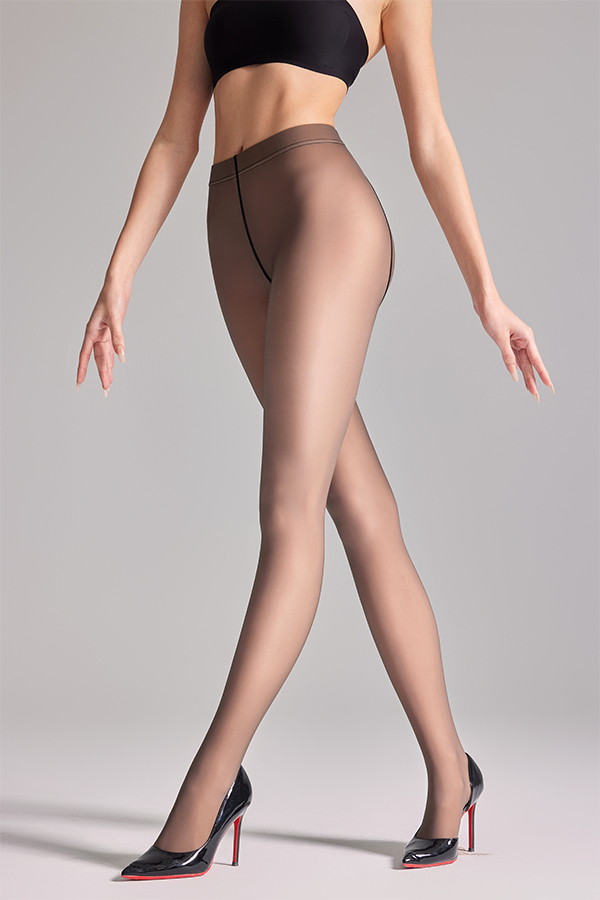
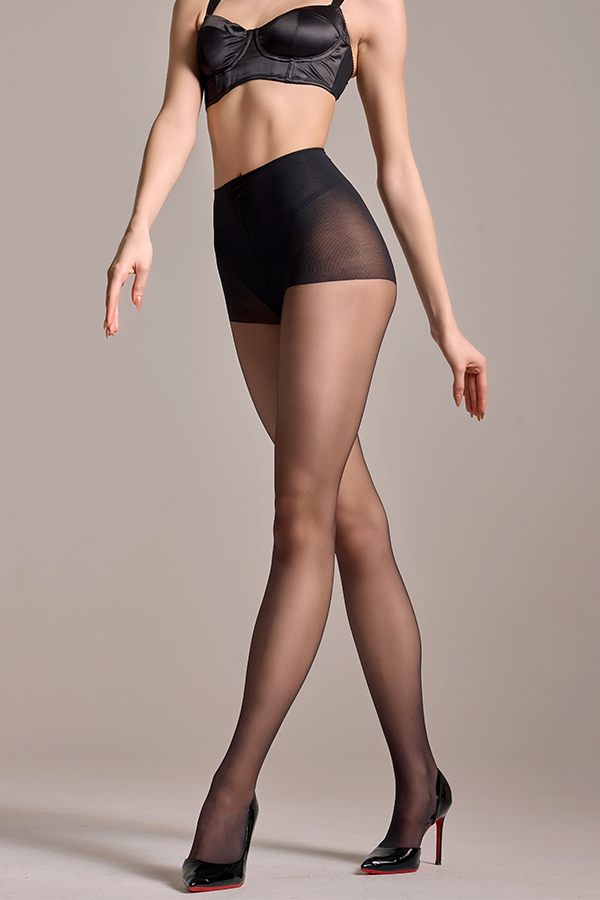
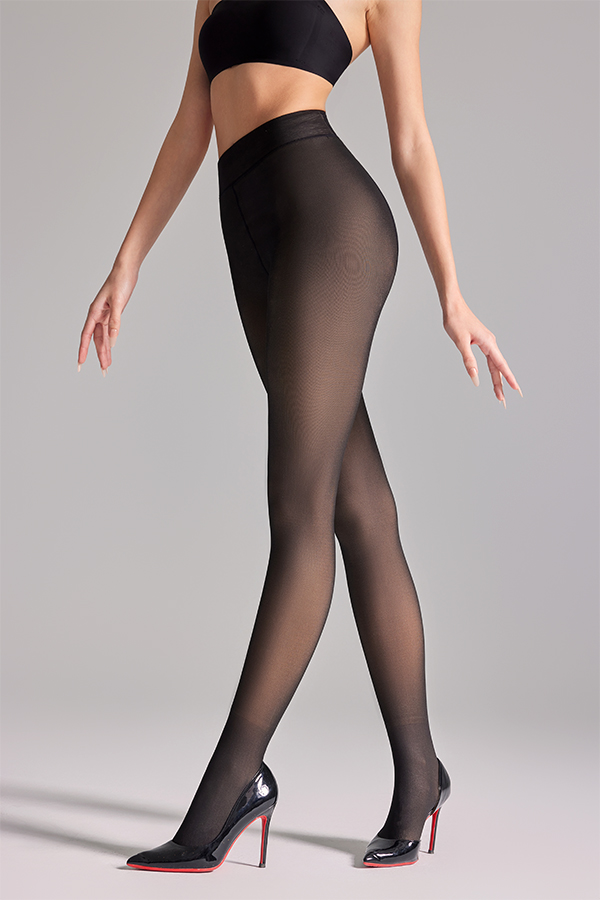
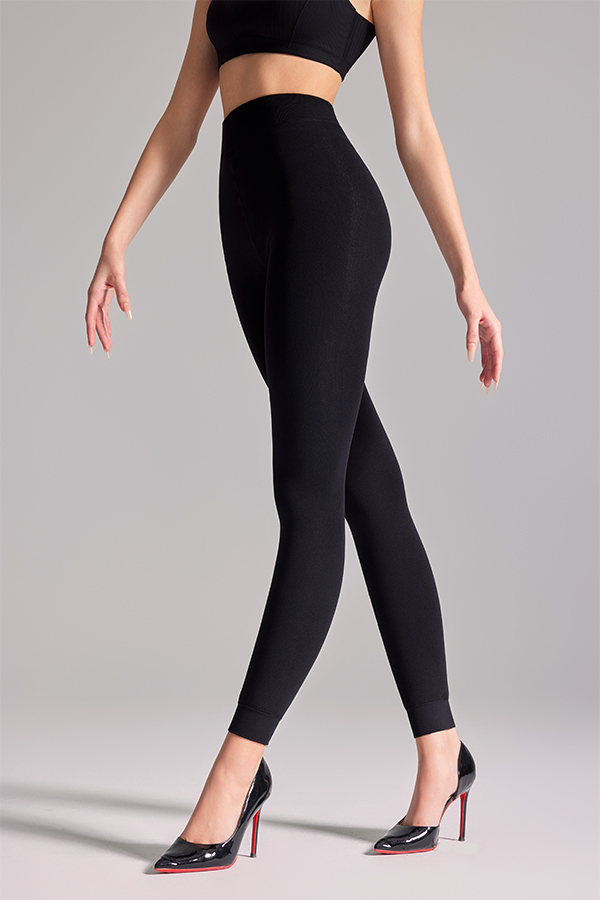
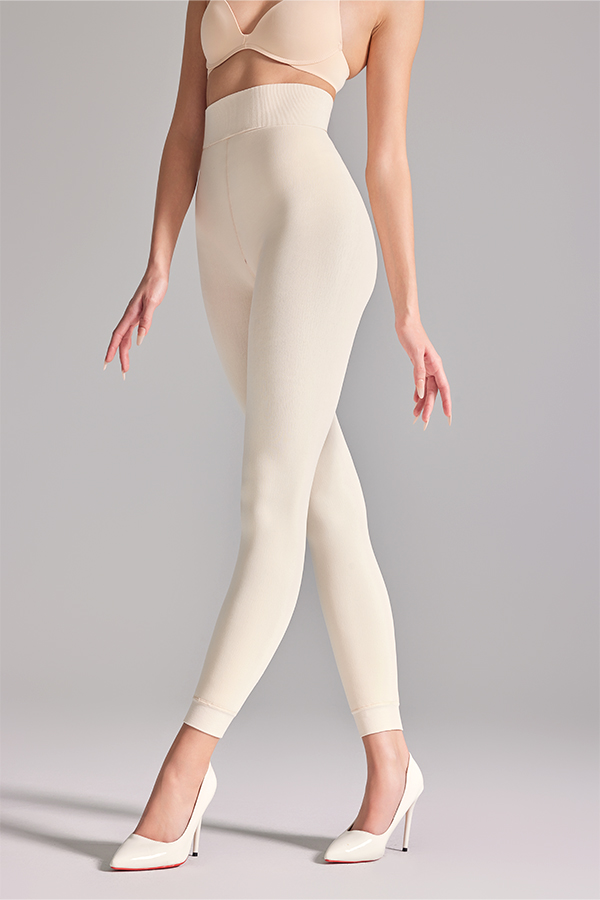
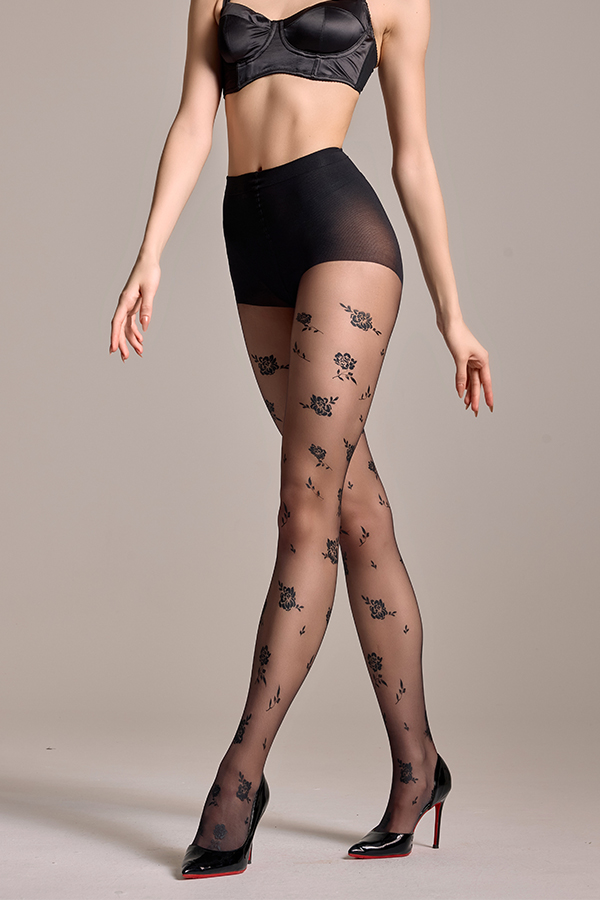
 Expanded panel thermal opaque tights

Our provided products
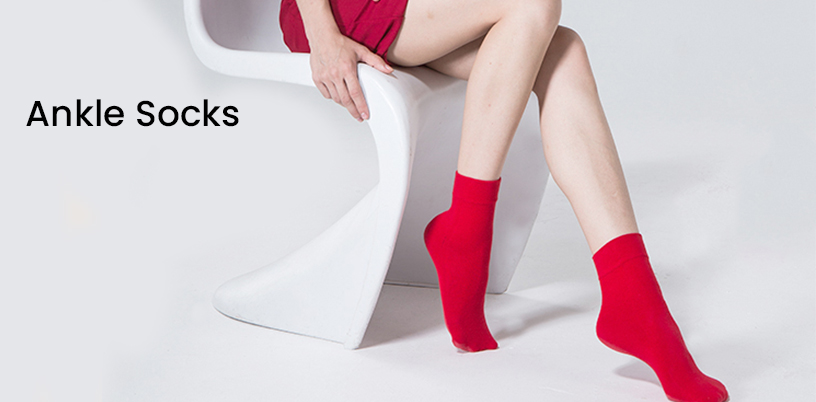
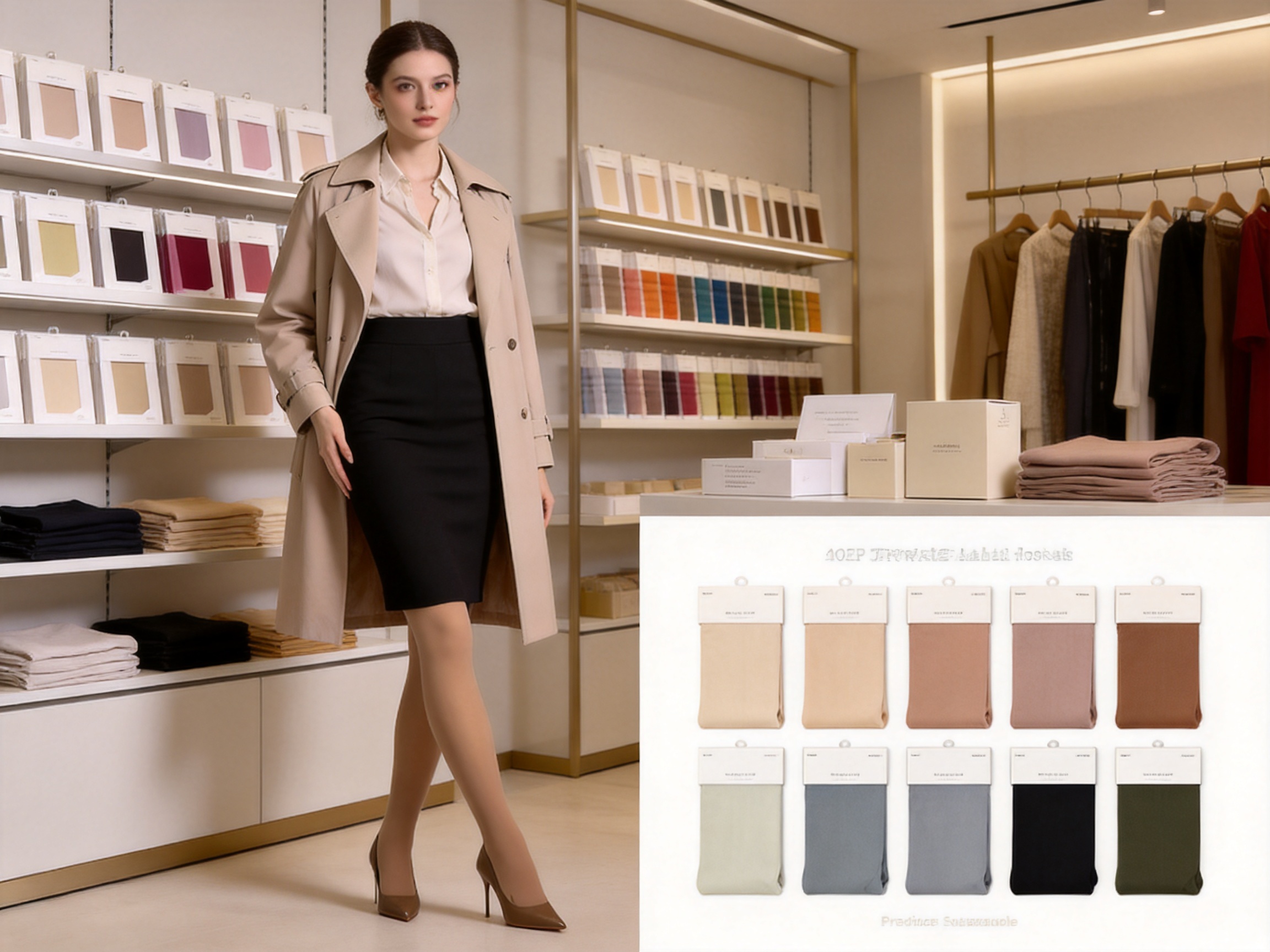
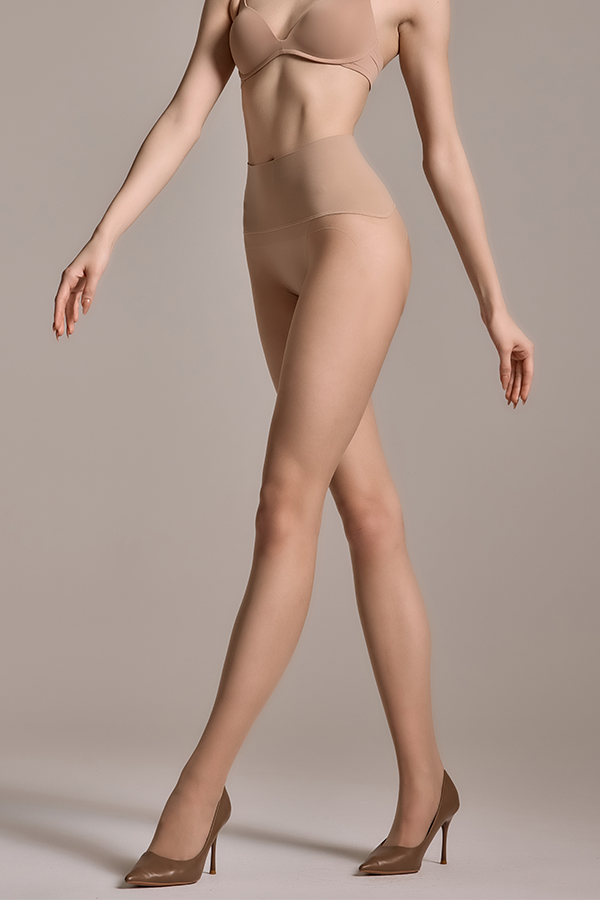
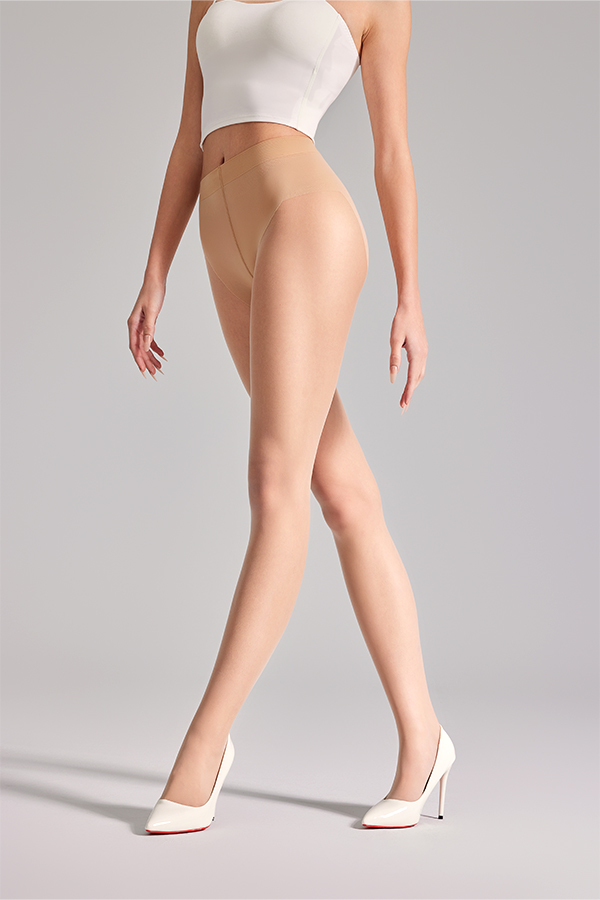
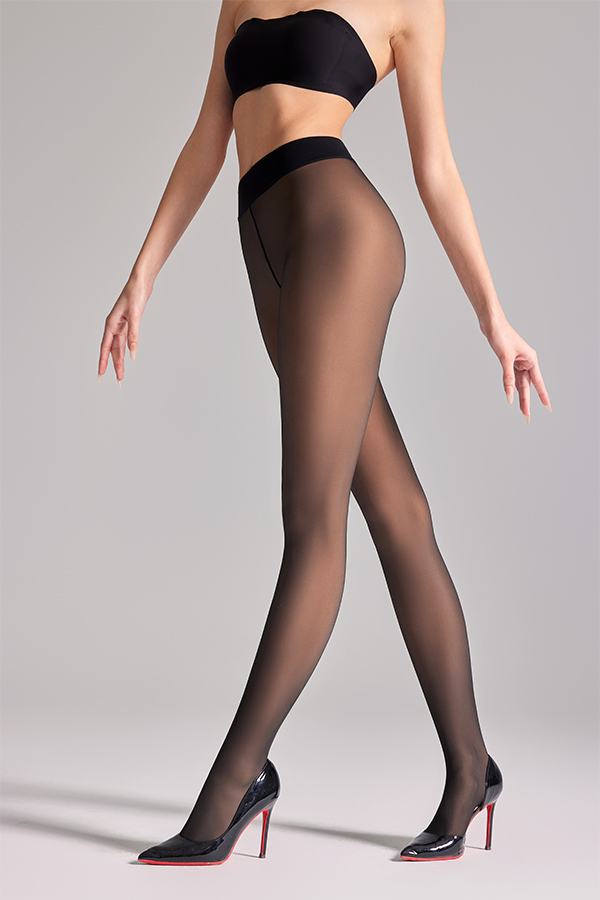
Modern hosiery buyers want more than basic leg coverage. They look for products that combine visual refinement, everyday comfort, dependable construction, and commercial versatility. Polyester Fake Transparent Pantyhose – Illusion Sheer is designed around this demand. Classified as tights and identified by product code 7109T, this style creates the visual impression of sheer pantyhose while providing the practical coverage and structure associated with a more substantial hosiery garment.
The product is especially suitable for fashion collections that require a polished leg appearance without relying exclusively on delicate, traditional sheer hosiery. Its illusion effect can help create a clean and elegant look for seasonal outfits, workwear, dresses, skirts, stage styling, fashion retail, and private-label collections. At the same time, its polyester-based construction supports a balance of appearance, durability, production efficiency, and customization potential.
For importers, fashion brands, wholesalers, and retailers, the value of this product extends beyond its appearance. It is supported by a manufacturer with experience across the complete hosiery production chain, from yarn development and spinning to knitting, dyeing, shaping, inspection, and packaging. This vertically coordinated structure can help simplify sourcing, improve production communication, and support consistent quality across repeat orders.
Fake transparent pantyhose are designed to produce an optical illusion. Rather than relying only on a very thin, fragile layer to create a sheer appearance, the fabric and color arrangement are developed to make the legs look visually lighter, smoother, or more translucent. The result is a fashion effect that resembles transparent hosiery while retaining the body and coverage of a more structured pair of tights.
This concept gives designers greater freedom. Traditional sheer pantyhose can be elegant, but they may be more vulnerable to snagging, stretching, laddering, and uneven appearance. A fake transparent design provides another route to the same visual direction. It can be used when a product needs to look delicate while remaining more suitable for regular wear, styling changes, or retail handling.
The illusion effect is particularly useful in contemporary fashion because consumers frequently combine opaque and semi-sheer elements. A pair of tights can look light and refined from a normal viewing distance while offering more coverage than a conventional ultra-sheer stocking. This makes the style suitable for transitional weather, layered outfits, and garments where the wearer wants a sophisticated appearance without excessive exposure.
Product 7109T is therefore positioned between visual delicacy and functional practicality. It is not simply a standard opaque tight, nor is it limited to the fragile construction of the thinnest sheer hosiery. Its purpose is to create a carefully controlled appearance that can support a wide range of fashion applications.
The main selling point is the illusion sheer appearance. The product is designed to make the leg look smooth and visually transparent while maintaining the presence of a real hosiery structure. This effect can make outfits appear more polished and can help create the impression of longer, more refined legs.
For apparel brands, the illusion effect also offers strong merchandising potential. It can be displayed as a fashion-forward alternative to conventional tights, giving retailers a product story that is easy for customers to understand. Instead of presenting the garment as only another pair of hosiery, sellers can emphasize the contrast between its delicate appearance and its practical coverage.
Polyester is widely used in textile manufacturing because of its strength, dimensional stability, color retention, and resistance to everyday wear. In hosiery, a properly engineered polyester construction can support a consistent surface appearance and help the garment maintain its shape during repeated use.
Compared with materials that may lose their visual uniformity quickly, polyester can offer useful resilience when it is correctly knitted, dyed, shaped, and finished. This does not make any hosiery product indestructible, but it can provide a practical foundation for a style intended for regular fashion use.
Polyester also supports production flexibility. It can be engineered into yarn systems with different textures, weights, stretch characteristics, and surface effects. This gives manufacturers and brand customers more options when developing variations of an illusion sheer product for different markets.
Polyester Fake Transparent Pantyhose can be paired with dresses, skirts, tailored shorts, oversized shirts, knitwear, formalwear, and seasonal fashion. Its visual balance works with both minimalist and decorative styling. It can support a clean office look, a refined evening outfit, a commercial fashion display, or a more expressive editorial style.
The product can also fit multiple retail positions. A brand may present it as an everyday fashion tight, a seasonal accessory, a cold-weather styling item, or a visually distinctive alternative to ordinary pantyhose. This versatility may help reduce dependence on a single fashion trend and make the product more useful across different sales channels.
One of the practical advantages of an illusion sheer construction is that it can offer a more substantial hand and appearance than extremely fine traditional sheers. This may make the garment easier to handle during dressing, packing, shipping, retail display, and customer use.
The exact performance of any hosiery style depends on its yarn specification, knitting structure, finishing, size range, and care instructions. Nevertheless, the product concept itself is valuable because it aims to combine a sheer-looking visual result with a construction that is less dependent on extreme thinness.
Brands often need hosiery products that can be adapted to a particular market identity. A fake transparent tight can serve as a base style for private-label development, seasonal collections, fashion collaborations, or promotional ranges. The product format is sufficiently recognizable for commercial use while leaving room for decisions about packaging, labeling, color direction, sizing, and collection positioning.
An experienced OEM supplier can help customers coordinate these requirements with production planning. This is particularly important for hosiery because yarn selection, knitting parameters, dyeing, shaping, and packaging all influence the final retail product. A coordinated factory structure can make communication more efficient than managing each stage through unrelated suppliers.
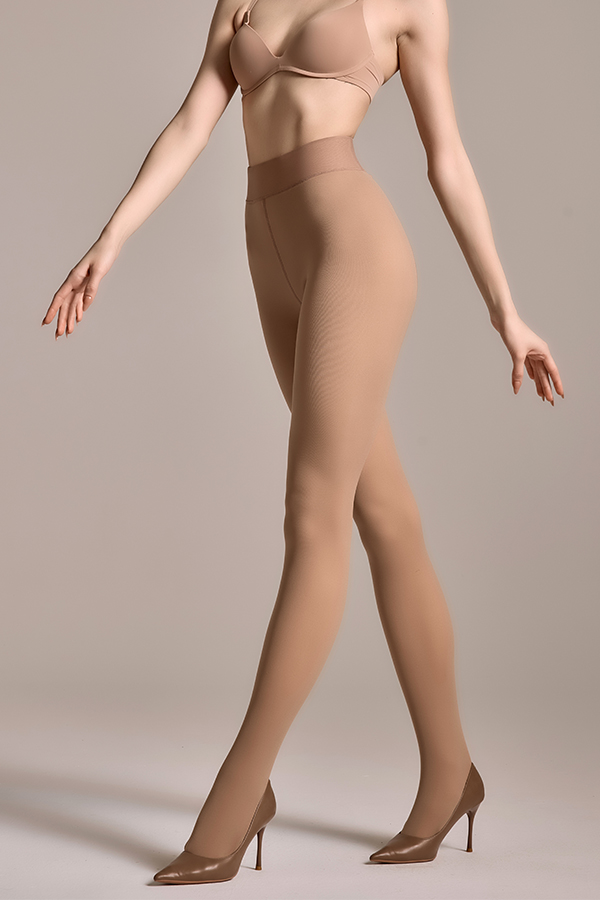
Polyester Fake Transparent Pantyhose – Illusion Sheer
Product comparison should focus on the needs of the end user rather than claiming that one construction is universally better than another. Conventional sheer pantyhose remain valuable for customers who want a very light, barely visible layer. Standard opaque tights are useful for customers who want strong coverage and a bold color effect. Fake transparent pantyhose occupy a different position by combining a visually sheer impression with a more present fabric structure.
| Comparison factor | Fake transparent pantyhose | Traditional sheer pantyhose | Standard opaque tights |
|---|---|---|---|
| Visual effect | Designed to create a transparent or semi-sheer illusion | Uses actual fine sheerness | Creates a clearly covered, opaque appearance |
| Fashion character | Refined, modern, and visually distinctive | Classic and delicate | Bold, practical, and coverage-focused |
| Fabric presence | More structured than an extremely fine sheer | Very light and delicate | Clearly substantial |
| Styling potential | Suitable for dresses, skirts, workwear, eveningwear, and seasonal looks | Often selected for formal or elegant outfits | Often selected for warmth, coverage, or strong color styling |
| Retail message | “Sheer appearance with practical coverage” | “Light and delicate legwear” | “Reliable coverage and warmth” |
| Product differentiation | Strong visual story based on optical illusion | Familiar and established category | Broad and highly competitive category |
This positioning can create an advantage in a crowded hosiery market. Many basic tights compete primarily on color, price, or denier. A fake transparent product can compete through design concept as well as construction. Its appearance encourages customers to examine the garment, understand its visual effect, and imagine it as part of a complete outfit.
It can also help retailers create a layered hosiery assortment. Rather than choosing between standard sheer and standard opaque styles, a retailer can add illusion sheer tights as a bridge product. This broadens the range of styling solutions available to customers and may encourage purchases from shoppers who want something visually different.
The quality of a hosiery product is not determined by one production step. It is the result of many connected processes. Product 7109T is supported by a company whose manufacturing system covers yarn research and development, spinning, elasticizing, yarn wrapping, greige weaving, piecing, dyeing, roughening, shaping, full inspection, and packaging.
This whole-chain approach is significant because hosiery requires close coordination between materials and machinery. A yarn that performs well during spinning may still require precise treatment during knitting. A knitted tube that looks correct before dyeing may change in color, tension, or dimensions during wet processing. Shaping and finishing must then bring the product closer to the intended retail measurements and appearance.
When these stages are coordinated within one production system, the manufacturer can monitor the relationship between them more closely. If a customer requests a change in stretch, handle, color, surface appearance, or packaging, the production team has a broader technical basis for evaluating the request.
Yarn is the foundation of hosiery performance. The selection and preparation of yarn influence softness, stretch, strength, visual uniformity, and knitting behavior. The company’s inclusion of yarn research and development in its production system supports a more integrated approach to product design.
For an illusion sheer product, yarn development is especially important. The yarn must contribute to the desired visual effect while remaining compatible with the required stretch and recovery. The surface should support a smooth appearance, and the yarn system must be suitable for consistent knitting at production scale.
In an OEM project, the yarn stage may be adjusted according to the customer’s priorities. A brand may focus on a smoother appearance, a firmer fit, a softer hand, improved resilience, or a particular seasonal weight. These decisions should be evaluated together rather than treated as isolated features.
Spinning converts fiber materials into usable yarn with controlled characteristics. Consistency at this stage helps reduce variations in thickness and strength. For fashion hosiery, yarn uniformity can influence the evenness of color and the regularity of the finished surface.
Elasticizing is also essential because tights must stretch over the body and recover their shape. An effective elastic system supports fit, comfort, and stability at the waist, hips, legs, and ankles. If stretch is poorly balanced, a garment may feel restrictive, lose its shape, or develop unwanted wrinkles.
The production system’s ability to manage elasticizing as part of the broader manufacturing chain can support better coordination between stretch behavior and visual design. The product must not only look transparent; it must also fit naturally and remain comfortable during movement.
Yarn wrapping can be used to combine or protect yarn components and to create a controlled relationship between elastic and covering fibers. This stage contributes to the feel, appearance, and performance of the final hosiery.
For a fake transparent tight, yarn wrapping may help the manufacturer balance the visual surface with the structural requirements of the garment. The finished product needs a refined appearance, but it also needs enough stability to withstand knitting, finishing, handling, and wear.
Greige knitting is the stage where yarn becomes the basic hosiery structure before dyeing and final finishing. Machine settings, stitch formation, tension, and production speed all influence the fabric’s dimensions and appearance.
Knitting a hosiery product requires precision because the garment is formed into a three-dimensional shape rather than produced as a simple flat textile. The leg, upper section, foot, and other areas may require different considerations. A well-coordinated knitting process helps create a base that can later be shaped and finished into a wearable product.
For illusion sheer hosiery, fabric formation also affects how light interacts with the surface. Stitch density, yarn arrangement, and tension can influence whether the garment appears smooth, cloudy, glossy, matte, or uneven. These details are central to the product’s visual identity.
Piecing connects sections of the hosiery garment and contributes to its overall comfort and appearance. Seam placement and construction quality matter because poorly managed seams can create pressure points, visible lines, or reduced durability.
A professional production system treats piecing as part of the garment design rather than an afterthought. The construction should support the intended silhouette and allow the product to be worn with different types of clothing. In fashion hosiery, a clean appearance is especially important because the garment may be worn under close-fitting skirts or dresses.
Dyeing gives the hosiery its final color direction and can significantly affect its commercial appeal. Illusion sheer products depend on carefully controlled tones because the visual effect is created partly through color perception. An unsuitable shade can make the product appear too opaque, too pale, too dark, or visually disconnected from the wearer’s skin tone and styling concept.
Consistent dyeing is important for both individual pairs and repeat orders. Brands need confidence that the same color direction can be reproduced across production batches. Color evaluation should consider the fabric in different lighting conditions, on the leg, and alongside the garments with which it is expected to be worn.
A company with dyeing capabilities within its own complete production chain can coordinate color decisions more closely with yarn, knitting, and finishing. This may improve responsiveness when customers require a specific shade or want to develop a coordinated collection.
Roughening is one of the processes included in the company’s hosiery production system. Depending on the design, this type of treatment can affect the inner or outer surface, hand feel, warmth, texture, and visual character of the product.
Not every fake transparent product requires the same surface treatment. The correct approach depends on the intended market and season. A fashion style designed for a delicate appearance may require a smoother finish, while a colder-weather version may benefit from a warmer or softer interior. The presence of finishing capabilities gives the manufacturer more opportunities to adapt the product to specific requirements.
Shaping helps transform the knitted garment into a form that fits the body more naturally. It can influence the leg profile, waist area, seat area, ankle transition, and overall balance between different sizes.
For tights, shaping is closely connected to comfort. A visually attractive product may still underperform if it twists, slips, bags at the knees, or creates uneven tension. Proper shaping and finishing help the garment maintain its intended silhouette when worn.
Dimensional stability is also important for packaging and retail. Products should be folded, labeled, and packed in a consistent manner. Stable dimensions make it easier for retailers to present the product and for customers to compare sizes.
Full inspection is a major strength in hosiery manufacturing because small defects can be highly visible. Issues such as uneven knitting, holes, yarn faults, color differences, seam irregularities, incorrect shaping, or packaging errors can affect customer satisfaction.
A complete inspection process is more comprehensive than relying only on occasional sampling. It gives the manufacturer an opportunity to identify problems before goods are packed and shipped. For OEM customers, this can reduce the risk of receiving a shipment that does not match the approved sample or agreed specifications.
Inspection should evaluate both appearance and function. A product can look acceptable when laid flat but reveal fit or stretch problems when worn. A strong quality program therefore considers measurements, construction, color, surface condition, labeling, packaging, and general usability.
Packaging protects hosiery during storage, handling, transportation, and retail display. It also communicates the product’s identity and can influence the customer’s first impression.
For private-label projects, packaging may include the customer’s visual design, product information, size details, care instructions, barcode requirements, and retail presentation. Coordinating packaging with the factory’s final inspection process helps reduce errors such as mismatched labels, incorrect size stickers, or incomplete cartons.
The company’s ability to provide a one-stop production system can make this final stage more efficient. The product can move from manufacturing to inspection and packaging through an organized internal workflow rather than being transferred repeatedly between unrelated facilities.
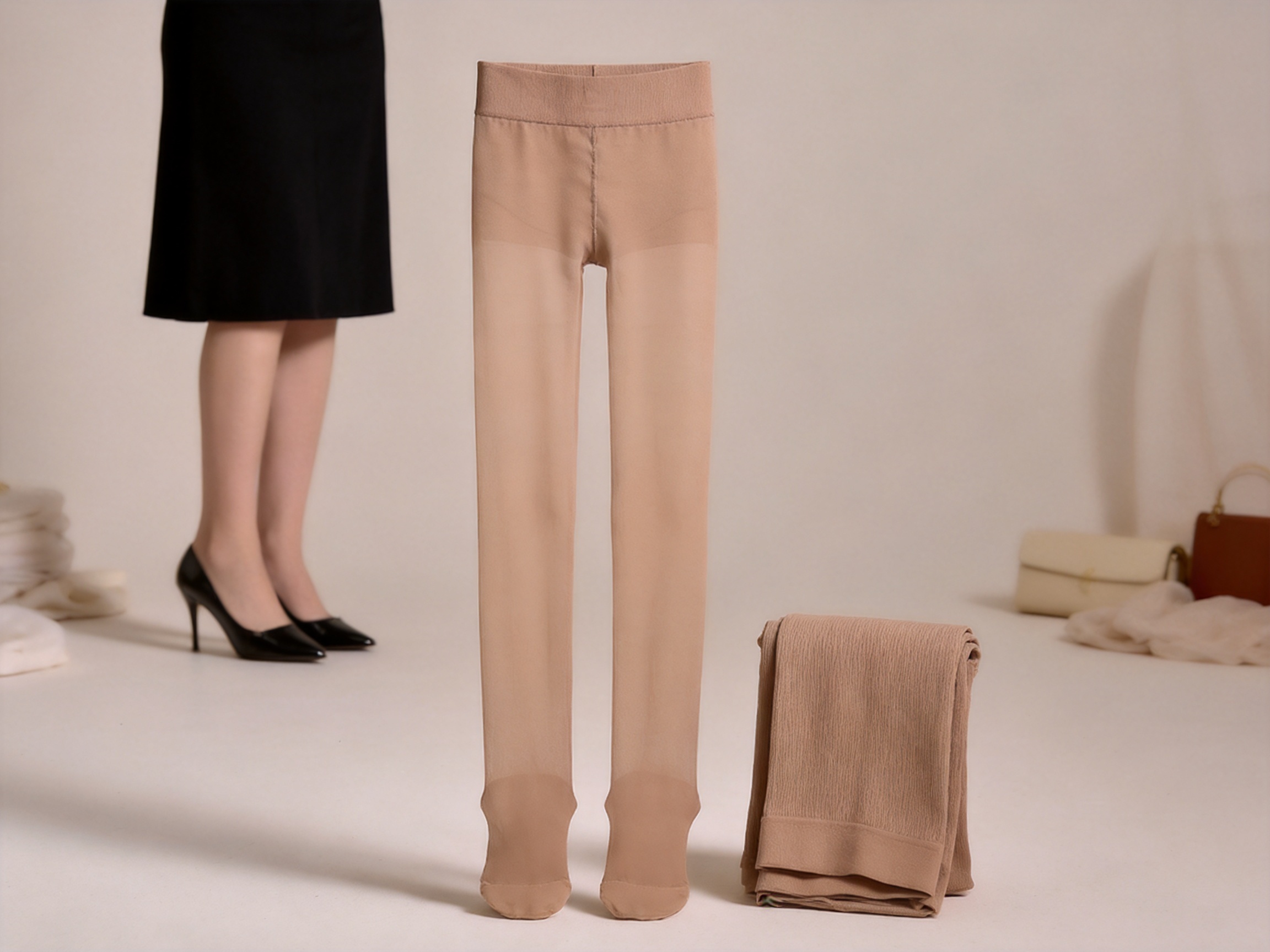
Hosiery buyers often focus on the finished sample, but the supplier’s production structure can be equally important. A complete industry chain offers potential advantages in communication, traceability, schedule coordination, and product development.
When yarn development, knitting, dyeing, shaping, inspection, and packaging are managed through a connected system, the customer can discuss the product with a supplier that understands the full process. This is useful when a change in one area affects another. For example, a request for increased stretch may influence yarn selection, knitting tension, sizing, shaping, and packaging dimensions.
A vertically coordinated factory may also be better positioned to identify the technical cause of a problem. If a sample feels too firm, the solution may involve the elastic yarn, stitch structure, finishing method, or size specification. A manufacturer with experience across these stages can evaluate the issue more comprehensively.
For repeat business, consistency is another important consideration. Retail brands usually need later orders to remain close to the approved sample. An integrated production system can support clearer internal references and more consistent handling of materials and processes.
Although the product concept centers on an illusion sheer appearance, it can be incorporated into different color stories. A brand may request classic neutral shades for everyday wear, fashion colors for seasonal collections, or coordinated tones intended to complement specific apparel ranges.
Color development should consider the final visual effect rather than the yarn color alone. The appearance of knitted hosiery can change according to density, stretch, lighting, skin tone, and the clothing worn with it. A professional development process should therefore include physical samples and practical wear evaluation.
Different markets have different expectations regarding height, body proportions, leg shape, waistband comfort, and stretch. An OEM customer may require a standard size range or a broader range designed for a particular customer group.
Size development should include measurements for the waist, hips, rise, thigh, calf, ankle, and foot. The product must be evaluated in both relaxed and stretched conditions. A size label alone does not guarantee a good fit, so physical testing and clear measurement charts are valuable parts of the development process.
The product can be prepared for different retail environments, including department stores, online fashion shops, specialty hosiery stores, apparel brands, and promotional programs. Packaging may be designed to emphasize the illusion effect, the polyester construction, styling recommendations, or the product’s intended season.
Online sellers should provide clear images and explanations because customers cannot immediately touch or try on the product. The description should explain that the garment is designed to create a fake transparent or illusion sheer effect. Clear information about size, color, coverage, fabric composition, care, and styling can help reduce misunderstanding and returns.
The same product concept can be adapted for different seasons. A lighter version may be suitable for spring and early autumn, while a warmer construction can support colder weather and layered outfits. Surface treatment, yarn selection, and fabric weight can all influence seasonal positioning.
Seasonal planning is particularly valuable for fashion brands that release several collections each year. A manufacturer with broad process capabilities may be able to support related variations without requiring the customer to search for a completely different supplier.
Before placing a large order, buyers should establish clear product specifications. Important points include the product code, composition, color standards, size measurements, stretch requirements, waistband construction, foot design, packaging format, labeling, carton details, and inspection criteria.
Sampling is essential. A development sample allows the buyer to assess appearance, comfort, opacity, surface feel, stretch recovery, seams, toe construction, and overall fit. A production sample or pre-shipment sample can then be compared with the approved development sample.
For illusion sheer hosiery, visual evaluation should be performed under more than one lighting condition. Store lighting, daylight, indoor lighting, and photography lighting may produce different impressions. Buyers should examine the product on a suitable model or mannequin and compare it with the intended apparel collection.
Packaging tests are also useful. Hosiery can be affected by compression, moisture, friction, and prolonged storage. The packaging should protect the product while maintaining a professional presentation. Labels must remain legible, and folded garments should not develop avoidable creases or distortion during transportation.
Even when a hosiery product is designed for improved practicality, correct care remains important. Customers should follow the care instructions supplied with the finished product. In general, hosiery benefits from gentle washing, avoidance of harsh chemicals, and protection from rough surfaces.
When putting on tights, the wearer should remove sharp jewelry and check fingernails to reduce the risk of accidental snags. The garment should be gathered gradually from the top toward the foot, placed over the toes, and then eased upward in stages. Pulling forcefully from the waistband can place unnecessary stress on the fabric.
Proper sizing is another important factor. A garment that is too small may experience excessive tension, while one that is too large may wrinkle or slip. A suitable size helps preserve the intended appearance and improves comfort during movement.
Retailers can include simple care information in product packaging or online listings. This improves the customer experience and helps the product perform as intended. It also reinforces the perception that the hosiery is a considered fashion item rather than a disposable accessory.
The manufacturer describes the use of sustainable fabrics as part of its effort to reduce environmental impact and contribute to a greener future. This direction is relevant to fashion buyers who increasingly evaluate not only product appearance and price but also material decisions and manufacturing responsibility.
Sustainability in hosiery should be considered across the product life cycle. Material selection, yarn efficiency, production waste, dyeing practices, packaging choices, shipping arrangements, and product durability all influence the overall environmental profile.
A longer-lasting garment may reduce the frequency of replacement, although durability depends on construction, care, fit, and use. Buyers should request specific material and production information when environmental claims are important to their market. Clear documentation is preferable to broad statements that cannot be verified.
Packaging can also be reviewed. Brands may consider using packaging that protects the garment while minimizing unnecessary material. Recyclability, printing processes, carton efficiency, and the use of responsible paper or plastic alternatives may all be relevant depending on the destination market.
A complete manufacturing chain can support sustainability discussions because more production information is available within one supplier relationship. Buyers can ask targeted questions about yarn sources, process controls, waste reduction, packaging, and quality management instead of receiving fragmented answers from several independent vendors.
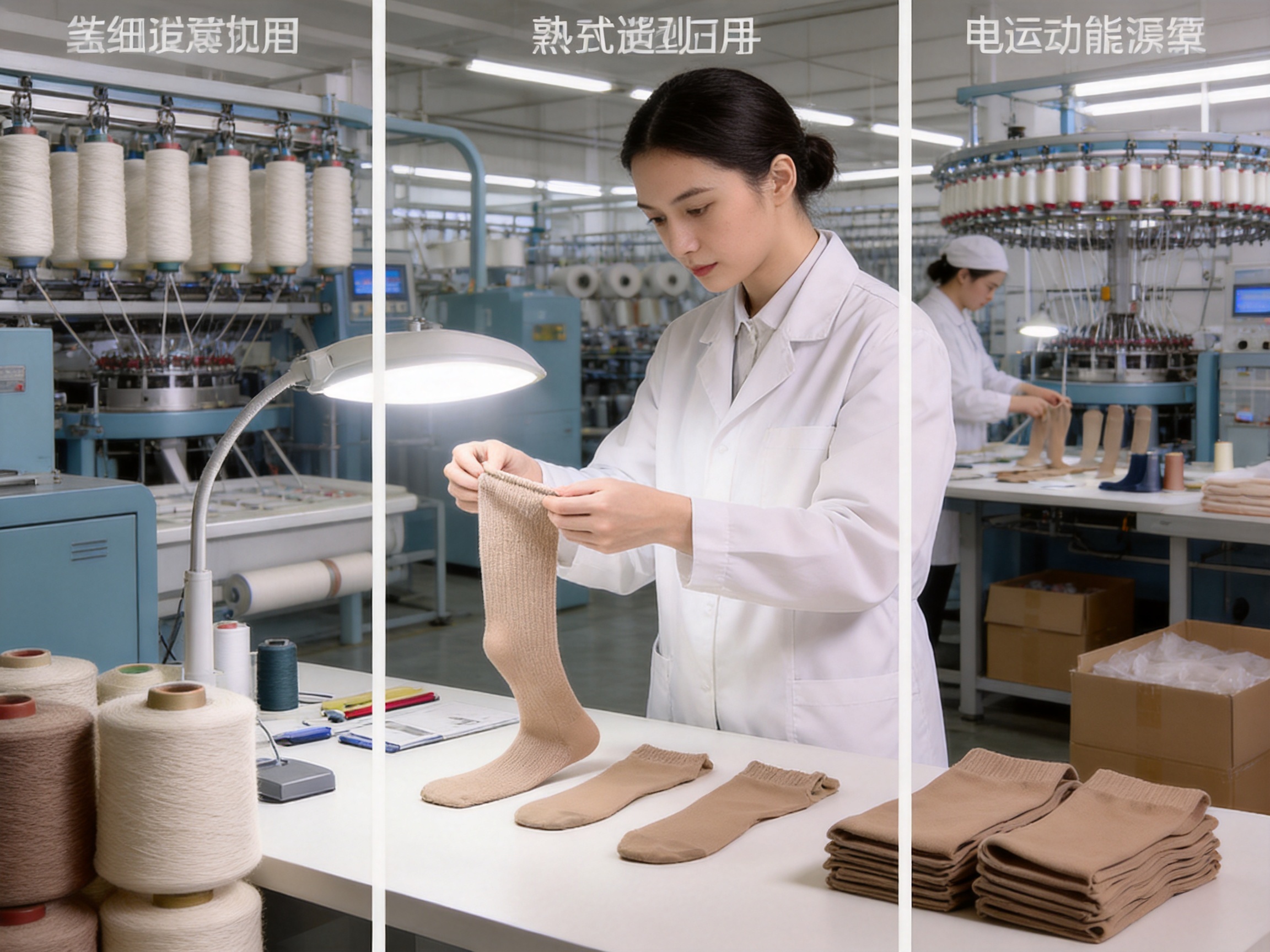
The manufacturer behind this product was founded in 1989 in Dongyang, Zhejiang, China. After nearly four decades of continued development, it has established domestic brands as well as foreign trade, e-commerce, and OEM customization departments.
This combination is relevant to international buyers because it reflects experience in multiple types of business. Domestic and e-commerce activities can provide insight into consumer preferences, while foreign trade operations require attention to export communication, documentation, packaging, and delivery coordination. OEM customization adds the ability to work according to a customer’s specifications rather than offering only fixed stock products.
The company identifies itself as a high-tech enterprise with a complete pantyhose industry chain. Its production system includes the major stages required to develop and finish hosiery products. This structure supports product innovation while also providing a foundation for repeat manufacturing.
Experience is especially valuable in a product such as fake transparent pantyhose because the style depends on coordination between visual design and technical construction. The illusion effect, stretch, color, shape, and finishing must work together. A factory that understands only one production stage may have difficulty optimizing the complete garment.
Fashion retailers can use illusion sheer pantyhose to refresh a basic tights assortment. The product can be displayed near dresses, skirts, boots, heels, knitwear, or evening apparel. Its optical effect creates an opportunity for visual merchandising because customers can immediately see how it changes the appearance of an outfit.
Private-label brands can position the style as a signature product within a seasonal hosiery collection. Custom packaging, carefully selected colors, and a distinctive product description can help create a clear identity. The product is also suitable for capsule collections that focus on modern essentials with a fashion detail.
Online stores can use the product’s illusion concept as a strong content feature. Product photography should show the garment in use and in close detail. Descriptions should distinguish the optical effect from actual bare-leg transparency so that customers understand the coverage level before purchase.
Stage performers, costume designers, photographers, and stylists may use fake transparent tights when a leg needs to appear visually refined under strong lighting or as part of a complete costume. The product’s appearance can support styling concepts that require a polished leg line without using an extremely delicate stocking.
Uniform programs and formal dress collections may also consider this type of hosiery. The illusion sheer look can complement professional clothing and evening uniforms. For such applications, buyers should pay particular attention to size consistency, comfort, color continuity, and replenishment availability.
Successful product positioning should avoid vague claims and focus on specific customer benefits. The strongest message for this style is the relationship between appearance and practicality. It offers a visually sheer direction while remaining a structured polyester tight.
Compared with inexpensive generic tights, the product can be differentiated through its design concept, integrated manufacturing support, and OEM development possibilities. Compared with very delicate sheer pantyhose, it can be presented as a more substantial option for customers seeking a balance between elegance and everyday usability.
Compared with ordinary opaque tights, it provides a lighter visual impression and a more fashion-oriented appearance. This distinction can be reflected in product naming, photography, retail placement, and online advertising.
Buyers should also emphasize quality control and manufacturing capability. A product’s commercial success depends not only on its first sample but also on the supplier’s ability to reproduce the approved style. The manufacturer’s experience in yarn preparation, knitting, dyeing, shaping, inspection, and packaging provides a strong foundation for this requirement.
Before confirming an OEM order, buyers should review the following points:
This checklist helps connect the product’s fashion concept with the operational details required for international trade. It also gives the buyer a structured way to compare suppliers on more than price alone.
Fake transparent pantyhose are tights designed to create the visual impression of sheer or transparent legs. The garment uses its material, color, construction, and surface appearance to produce an illusion effect while retaining more fabric structure than extremely fine traditional sheer hosiery.
The supplied product code is 7109T. Buyers should use this code when discussing samples, specifications, quotations, packaging, and production orders.
Yes. The product is listed under the Tights category. Its appearance is sheer-inspired, but its commercial classification is tights.
The product is described as polyester fake transparent pantyhose. Buyers should confirm the precise fiber composition, yarn details, and any additional elastic components with the manufacturer before finalizing an order.
Ordinary opaque tights are intended to provide a clearly covered appearance. Fake transparent pantyhose are designed to look visually lighter and more translucent. They offer a fashion illusion that can make the legs appear sheer while maintaining a more structured hosiery construction.
Traditional sheer pantyhose use a genuinely fine, lightweight construction to create transparency. Fake transparent pantyhose create a similar visual direction through an illusion effect. They may therefore provide a more substantial feel and appearance than the most delicate sheer products.
Yes. The manufacturer operates an OEM customization department and has a production system covering material development, knitting, dyeing, shaping, inspection, and packaging. Customers should discuss color, sizing, packaging, labeling, quantity, and technical specifications during development.
The style can be paired with dresses, skirts, tailored shorts, workwear, eveningwear, knitwear, boots, heels, and seasonal layered outfits. Its appearance is adaptable to both elegant and contemporary fashion styling.
It is designed as a practical fashion hosiery option, but suitability depends on the final construction, size, care, and individual use. Correct sizing and gentle handling are important for maintaining comfort and appearance.
Buyers should inspect the illusion effect, color, fabric hand, stretch recovery, waist comfort, leg fit, seams, toe construction, knitting uniformity, shaping, and packaging. Testing under different lighting conditions is particularly useful for this product category.
Color development may be available through an OEM program. Customers should provide a clear color reference and approve a physical sample because knitted hosiery can appear different from a color shown on a screen or printed reference.
Vertical production connects the major stages of manufacturing. This can improve communication, help coordinate technical changes, support quality consistency, and simplify the management of repeat orders. It may also make it easier to trace how a material or process decision affects the finished garment.
The manufacturer describes the use of sustainable fabrics as part of its effort to reduce environmental impact. Buyers with specific sustainability requirements should request detailed material information, documentation, and any applicable certifications before making environmental claims in their own marketing.
The manufacturer is located in Dongyang, Jinhua, Zhejiang, China. Its address is No. 289 Juhe Road, Jiangbei Subdistrict, Dongyang, Jinhua, Zhejiang, China.
Polyester Fake Transparent Pantyhose – Illusion Sheer offers a distinctive solution for fashion brands and hosiery buyers seeking a balance between delicate visual styling and practical garment structure. Its optical sheer effect gives it a clear point of difference from ordinary opaque tights, while its polyester foundation supports a useful combination of resilience, shape stability, and production flexibility.
The product’s commercial value is reinforced by the manufacturer’s long experience and complete hosiery industry chain. From yarn research and spinning to elasticizing, wrapping, knitting, piecing, dyeing, finishing, shaping, inspection, and packaging, the production system is designed to manage the many stages required for a consistent finished garment.
For OEM customers, this combination of product design and manufacturing capability creates opportunities for customized colors, sizes, packaging, seasonal variations, and private-label collections. By evaluating samples carefully and defining specifications clearly, buyers can use this illusion sheer style as a modern addition to fashion hosiery assortments.
In a competitive market, products that provide both a compelling appearance and a practical production story are easier to position. This fake transparent pantyhose style meets that opportunity by presenting an elegant visual effect, broad styling potential, and the support of an experienced hosiery manufacturer.
1. Product specification materials for Polyester Fake Transparent Pantyhose – Illusion Sheer, product code 7109T.
2. Manufacturer profile and company information supplied for Zhejiang Chenyu Knitting Co., Ltd.
3. General textile manufacturing principles relating to polyester yarns, elasticized yarn systems, knitted fabric formation, dyeing, shaping, and garment inspection.
4. General apparel product-development practices for OEM sampling, size evaluation, color approval, packaging, and quality control.
5. General sustainable textile-development principles concerning material selection, production efficiency, packaging, durability, and life-cycle considerations.