
 English
  Español
  Deutsch
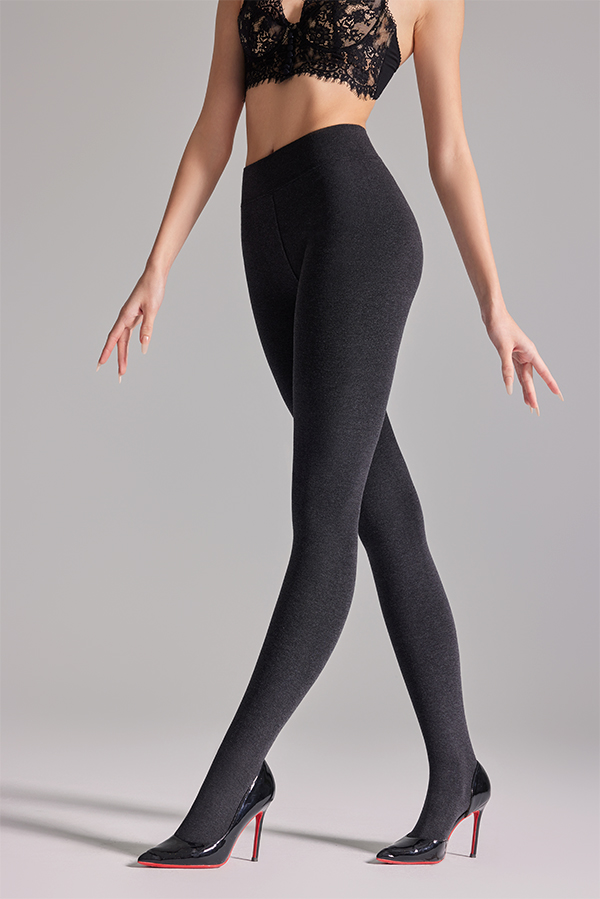
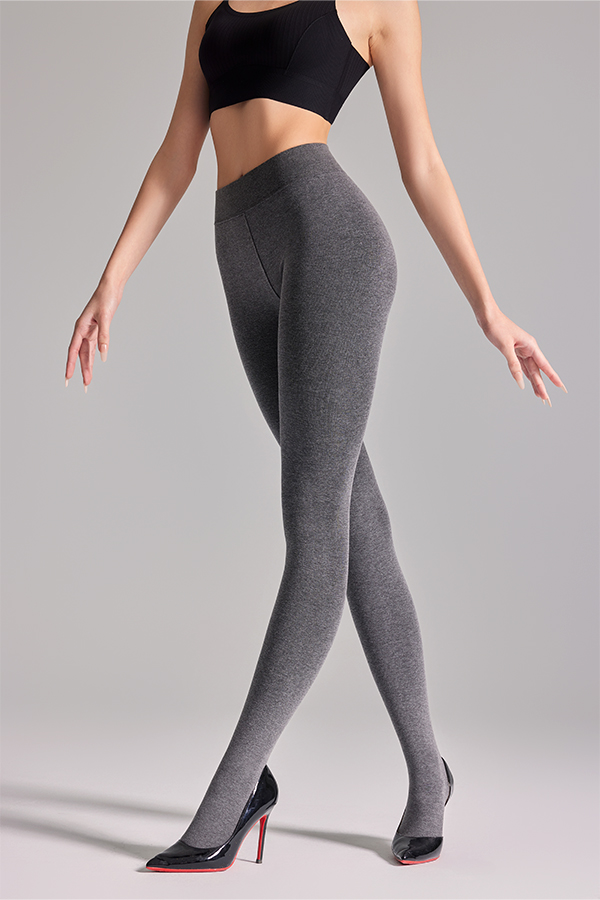
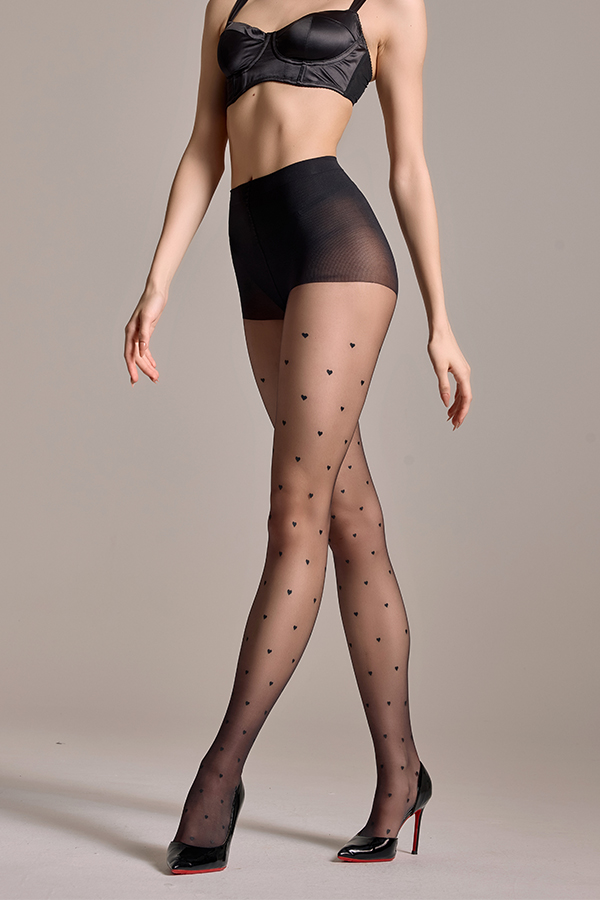
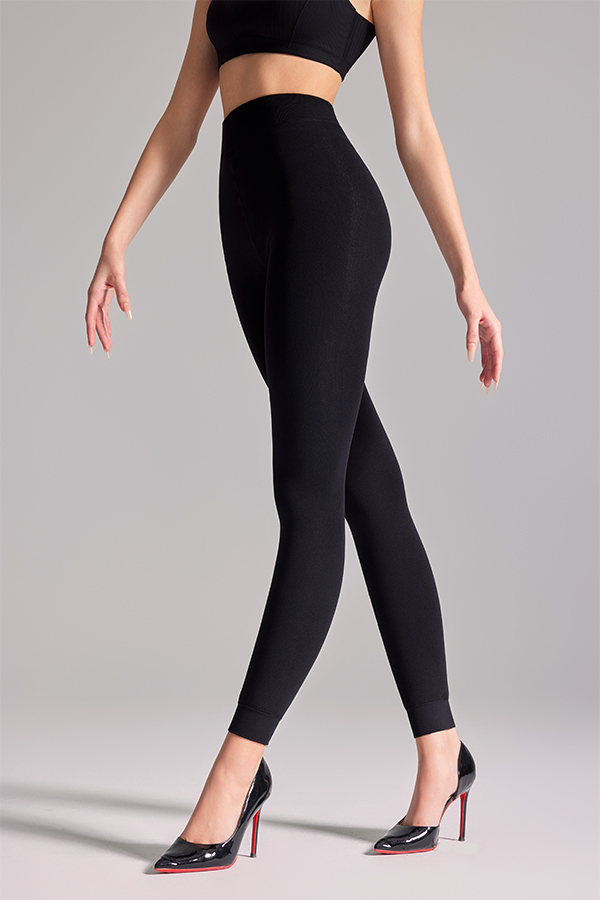
 Expanded panel thermal opaque tights

Our provided products
Plain sheer illusion matte tights combine visual refinement, reliable coverage, and everyday comfort in a single hosiery product designed for modern fashion buyers, private-label brands, wholesalers, retailers, and uniform suppliers. Although the product name suggests a delicate sheer look, the construction is supported by a substantial 680D specification, giving the tights a smooth, polished appearance with enhanced durability and a confidence-building fit. This balance of elegant illusion and practical performance makes the product suitable for fashion collections, workplace styling, formal outfits, seasonal ranges, and customized OEM hosiery programs.
The product is designed for buyers who want tights that look clean, understated, and versatile while still meeting the expectations of commercial distribution. In a competitive hosiery market, a product must do more than look attractive in a catalog. It must fit reliably, feel comfortable, resist common wear problems, be adaptable to different colors and sizes, and come from a manufacturer capable of stable bulk production. These plain sheer illusion matte tights respond to these needs through a combination of fabric engineering, controlled knitting, dyeing consistency, inspection discipline, and scalable customization.
Zhejiang Chenyu Knitting Co., Ltd., located at No. 289 Juhe Road, Jiangbei Subdistrict, Dongyang, Jinhua, Zhejiang, China, manufactures hosiery products through a complete industry-chain production system. Founded in 1989, the company has accumulated decades of technical experience in pantyhose, tights, stockings, and related hosiery categories. Its manufacturing process covers yarn research and development, spinning, elasticizing, yarn wrapping, greige weaving, piecing, dyeing, roughening, shaping, full inspection, and packaging. This one-stop production capability is one of the main reasons the product can deliver stable quality and flexible OEM customization at scale.
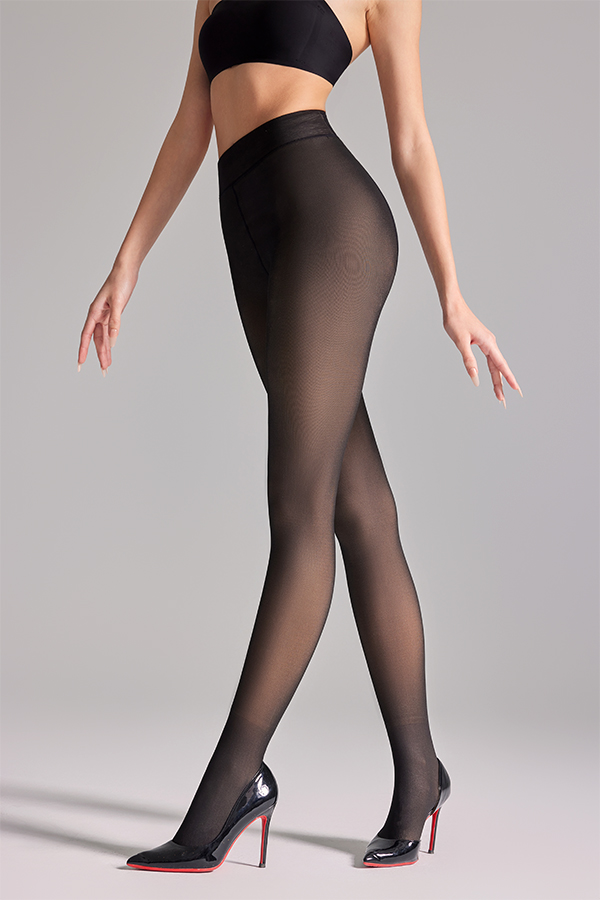
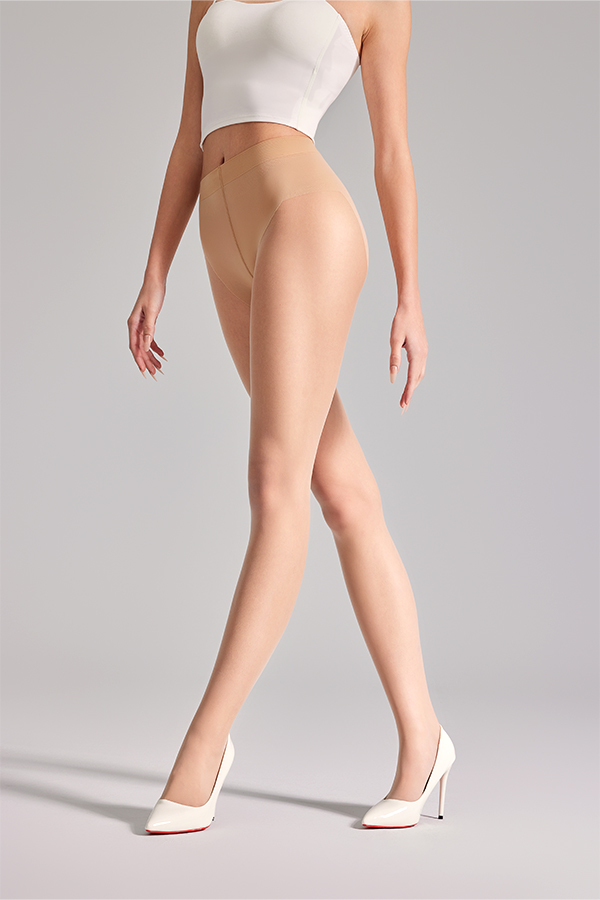
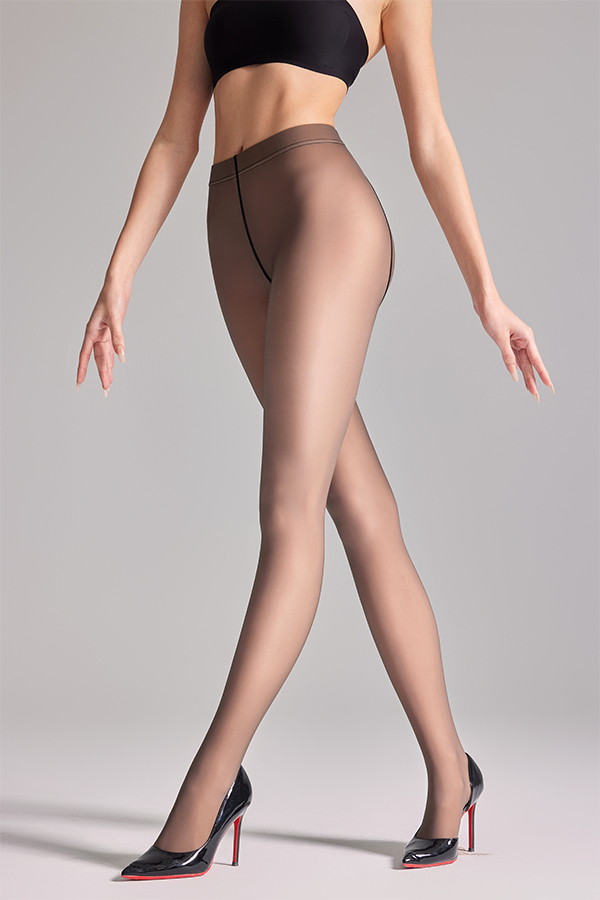
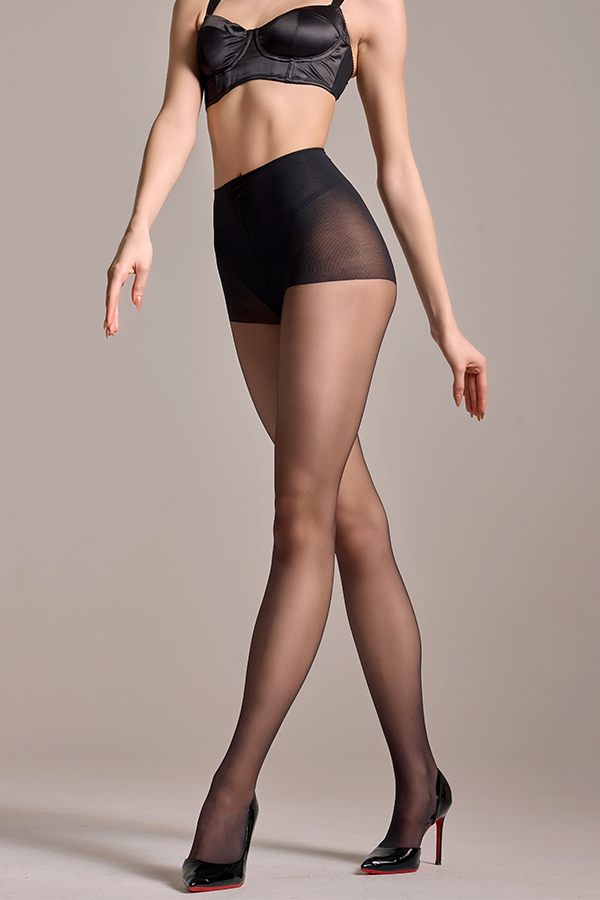
Plain sheer illusion matt tights
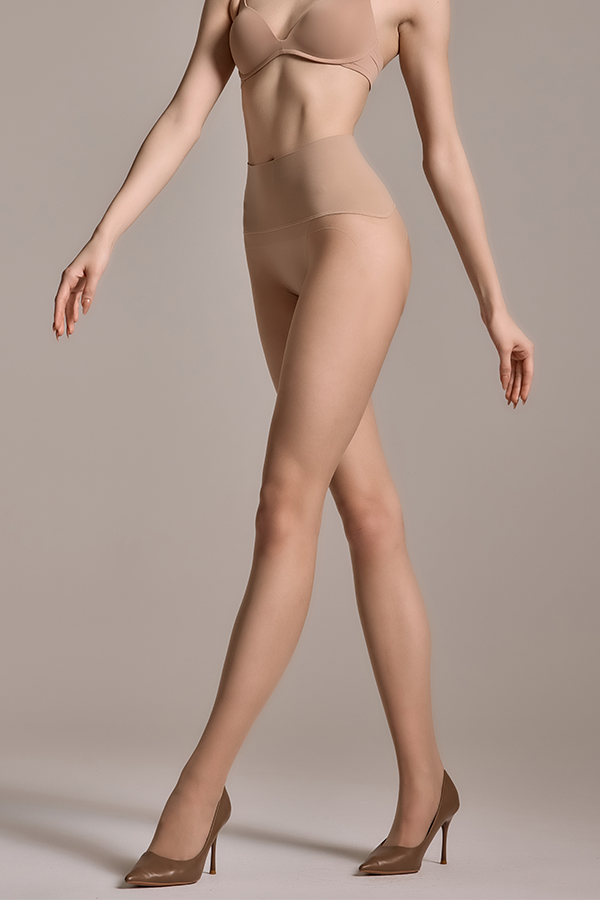
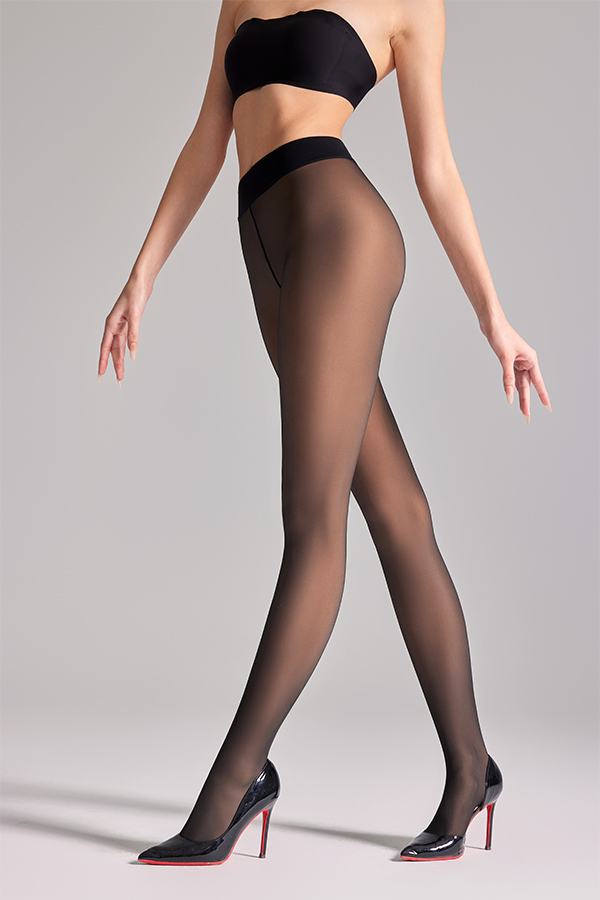
The plain sheer illusion matte tights are developed for customers who need a simple yet premium hosiery style. The design avoids excessive decoration, patterns, or high-gloss shine. Instead, it focuses on a smooth matte texture, a natural leg-enhancing effect, and a clean plain surface that pairs easily with different clothing categories. The result is a timeless hosiery item that can be positioned as a wardrobe basic, a fashion layering essential, a professional styling product, or a customized private-label staple.
The product description identifies the style as CY-8200, with a denier specification of 680D and a fiber composition of polyester and spandex. Polyester contributes strength, dimensional stability, color retention, and practicality for volume production, while spandex brings elasticity, stretch recovery, and body-hugging comfort. Together, these fibers create a hosiery fabric that is both flexible and supportive. The matte finish softens the visual surface, helping the tights appear elegant rather than overly shiny.
The product belongs to the broader tights category and can serve buyers looking for opaque tights, sheer illusion tights, fashion pantyhose alternatives, and versatile everyday hosiery. Because colors and sizes are customizable, the style can be adapted for different market segments, including classic black collections, skin-tone illusion ranges, seasonal fashion colors, workplace uniform programs, and private-label hosiery lines. Packaging can also be customized, with standard carton packing listed as 200 pieces per carton using opp bags, depending on the customer’s branding and logistical requirements.
The minimum order quantity is 2000 pieces per size and color, which is suitable for professional buyers planning commercial distribution rather than small trial retail. This MOQ allows stable dyeing batches, consistent production planning, and efficient packaging operations. For brands and importers, this is an advantage because it supports better control of shade consistency, labeling, assortment planning, and supply chain efficiency.
| Item | Specification | Commercial Value |
|---|---|---|
| Product Style | Plain sheer illusion matte tights | Timeless design suitable for multiple retail and fashion markets |
| Product Code | CY-8200 | Clear identification for OEM ordering and repeat production |
| Denier | 680D | Enhanced coverage, durability, and supportive appearance |
| Fiber Content | Polyester and spandex | Combines strength, stretch, comfort, and shape recovery |
| Surface Effect | Matte, plain, sheer illusion look | Natural, elegant finish without excessive shine |
| Colors | Customizable | Supports private-label palettes, seasonal ranges, and market-specific colors |
| Sizes | Customizable | Allows adjustment for different regions, body types, and retail standards |
| MOQ | 2000 pieces per size and color | Suitable for wholesale, brand programs, and stable production planning |
| Packaging | 200 pieces per carton, opp bag only; customizable | Flexible for bulk distribution, retail packaging, or private-label presentation |
The defining appeal of these tights is the visual balance between coverage and elegance. Many tights on the market fall into two extremes. Some are very sheer and delicate, offering an attractive look but limited durability and limited support. Others are strongly opaque and practical but can appear heavy, flat, or less refined. The plain sheer illusion matte tights are designed to bridge this gap. They offer the smooth, polished impression associated with refined hosiery while maintaining the substance and wearability expected from a higher denier product.
The matte texture is especially important for modern consumers. High-gloss hosiery can look fashionable in certain contexts, but it is not always suitable for professional environments, formal styling, or understated daily outfits. A matte finish provides a softer and more natural appearance. It reduces excessive light reflection and helps create a smoother visual line. For fashion retailers, this means the product can appeal to a broader customer base, including women who want legwear that looks elegant without drawing unnecessary attention.
The plain design also improves styling flexibility. Patterned hosiery can be eye-catching, but it is often trend-dependent and may have a shorter selling period. Plain matte tights are easier to match with dresses, skirts, uniforms, shorts, boots, heels, and seasonal layering outfits. They can be presented as an essential product that remains relevant year after year. This makes them attractive for wholesale buyers because the product is less dependent on temporary fashion cycles and can become a repeat-order item.
The sheer illusion effect gives the tights a subtle sophistication. It creates the impression of smooth skin-like refinement while preserving the practical benefits of a denser construction. This makes the product especially suitable for customers who want the elegant look of sheerer hosiery but prefer more coverage, confidence, and resistance to daily wear. For retail positioning, this can be described as a smart compromise between fashion delicacy and functional dependability.
Comfort is one of the most important factors in hosiery purchasing decisions. Consumers may be attracted by the look of a product, but they will only repurchase if the tights feel comfortable during actual wear. The polyester and spandex composition helps the fabric stretch around the body while maintaining its shape. Spandex supports elasticity and recovery, reducing looseness and helping the tights remain in place during walking, sitting, and standing. Polyester contributes smoothness and durability, which are essential for everyday use.
The 680D specification provides a more substantial hand feel than lightweight hosiery. This can improve the wearer’s sense of security and coverage. The product is not positioned only as delicate legwear; it is also designed for practical daily use. The fabric can provide a gentle wrapping sensation, helping the tights stay close to the legs without creating a bulky appearance. For customers who want smooth lines under clothing, this is an important advantage.
The breathable character of the fabric is also valuable. Even though the denier is high, the product is described as lightweight and comfortable, which suggests attention to yarn selection, knitting density, and finishing. Breathability is not only about thinness; it is also influenced by fabric structure and finishing quality. A well-manufactured pair of tights should feel smooth against the skin, avoid excessive stiffness, and maintain comfort across different occasions.
Fit customization is another commercial advantage. Size requirements vary widely among markets. European, North American, Middle Eastern, Asian, and Latin American customers may have different body measurements, height ranges, and fit expectations. By offering customizable sizes, the manufacturer can help brands build size charts suited to their target customers. This reduces returns, improves consumer satisfaction, and strengthens private-label reputation.
In the hosiery market, durability is often a decisive point of difference. Many competitor products emphasize low price but may sacrifice yarn quality, knitting consistency, elasticity, or inspection standards. Consumers quickly notice problems such as uneven stretch, weak seams, poor colorfastness, sagging, pilling, tearing, or inconsistent sizing. For wholesale buyers, these issues can lead to complaints, returns, and damage to brand trust.
The plain sheer illusion matte tights have several characteristics that help them compete effectively. First, the 680D construction gives the fabric a stronger foundation than very low-denier hosiery. While extremely sheer products may appeal for delicate styling, they are more vulnerable to runs and snags. A higher denier product can better support daily wear, especially when customers need tights for commuting, office use, school uniforms, hospitality work, events, travel, or cooler weather.
Second, the polyester and spandex blend supports both resilience and flexibility. Polyester is widely valued in hosiery because it can withstand repeated use and maintain color well when properly dyed. Spandex gives the garment the stretch needed to fit smoothly and recover after movement. A product with insufficient spandex may feel restrictive or lose shape, while poor-quality elastic yarn may degrade quickly. Through integrated yarn processing and fabric control, the manufacturer can better manage these performance factors.
Third, the company’s complete production chain helps reduce inconsistency. Some suppliers rely heavily on outsourced yarn, outsourced dyeing, or fragmented production stages. When too many stages are separated, quality variation can increase. Zhejiang Chenyu Knitting Co., Ltd. operates a broad in-house process that includes yarn development, spinning, elasticizing, wrapping, weaving, dyeing, shaping, inspection, and packaging. This vertical integration enables stronger traceability, faster correction of defects, and better control over repeat orders.
Fourth, full inspection is a major advantage. Hosiery is a product category where small defects can significantly affect user experience. Uneven knitting, dye marks, holes, weak gusset areas, size deviation, or poor finishing may not be acceptable to retail customers. A full inspection process helps prevent defective pieces from reaching buyers. For OEM clients, this supports more reliable shipments and protects their brand image in competitive markets.
Matte tights continue to perform well across many markets because they are both fashionable and practical. Consumers use them to complete outfits, create smooth leg coverage, provide modesty, add warmth, and adapt clothing across seasons. A matte plain style can be sold in basic hosiery aisles, fashion accessories departments, online marketplaces, uniform channels, boutique collections, and private-label multipacks.
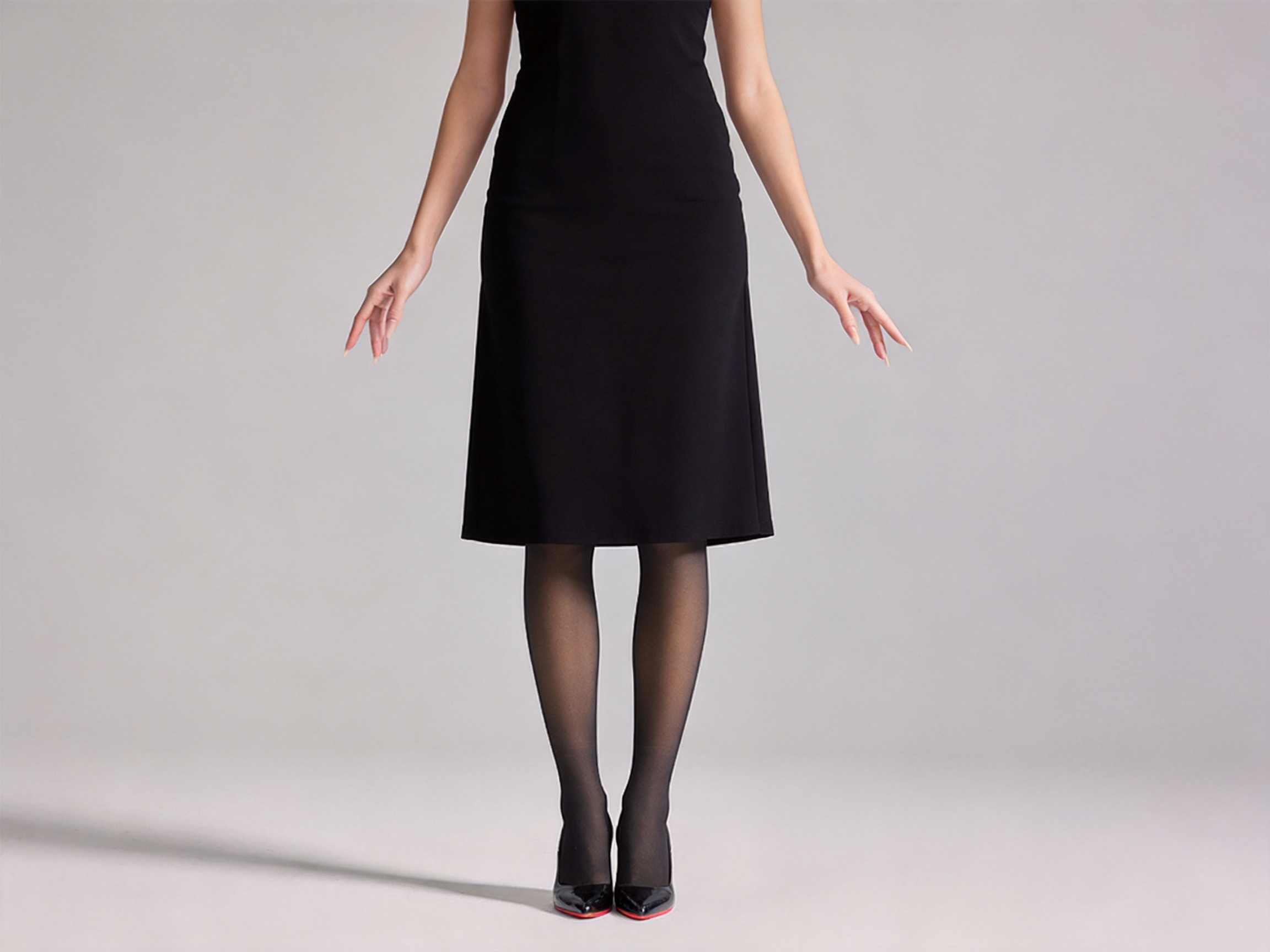
Unlike trendy prints or decorative stockings, matte tights have broad styling compatibility. A customer can wear them with a formal black dress, a business skirt, a winter coat, a casual sweater dress, or a pair of boots. This makes the product suitable for all-year assortment planning, especially in markets where legwear demand rises during autumn and winter but remains relevant for office and formal settings throughout the year.
The sheer illusion aspect also gives retailers a useful marketing angle. It allows the product to be described not merely as opaque tights but as tights that create a naturally smooth appearance. This can attract consumers who want a polished look without the exposed feeling of ultra-sheer hosiery. The product can also be offered in customized skin tones, fashion neutrals, or classic black, depending on the buyer’s target segment.
For e-commerce sellers, a plain matte product is easier to photograph, describe, and standardize than complex patterned hosiery. It is less dependent on close-up pattern detail and more focused on fit, color, texture, and comfort. If supported by consistent production and accurate size guidance, it can become a dependable online-selling item with repeat purchase potential.
The manufacturer’s production strength is central to the product’s value. Zhejiang Chenyu Knitting Co., Ltd. was founded in 1989 and has grown through nearly four decades of innovation, technical refinement, and market development. The company has established a complete pantyhose and hosiery industry chain, which is particularly important for OEM clients that need consistency, flexibility, and professional production support.
Yarn research and development is the starting point. Good hosiery begins before knitting. Yarn properties influence softness, stretch, color absorption, durability, surface smoothness, and final appearance. By participating in yarn development, the company can optimize materials according to target product requirements. For plain sheer illusion matte tights, yarn choice must support both a refined surface and a stable, comfortable structure.
Spinning and elasticizing are also important. Elasticity is not an afterthought in tights; it is fundamental to fit. Poor elastic processing can result in tights that feel tight in some areas, loose in others, or unable to recover after stretching. Controlled elasticizing helps create a more balanced wearing experience. Yarn wrapping further enhances the performance of elastic yarns by improving handling, durability, and fabric behavior during knitting.
Greige weaving or knitting forms the foundation fabric. At this stage, machine precision, tension control, stitch uniformity, and operator expertise all matter. For plain matte tights, any inconsistency can be visible because there is no pattern to hide defects. A clean plain surface requires disciplined knitting and stable yarn feeding. This is why advanced equipment and experienced production management are important advantages over less capable competitors.
Piecing and sewing influence comfort and durability. Seams must be secure, smooth, and correctly positioned. Poor piecing can cause discomfort, twisting, or early failure. In hosiery, consumers may not always notice good sewing immediately, but they will certainly notice bad sewing during wear. Reliable production standards help the product feel more refined and commercially acceptable.
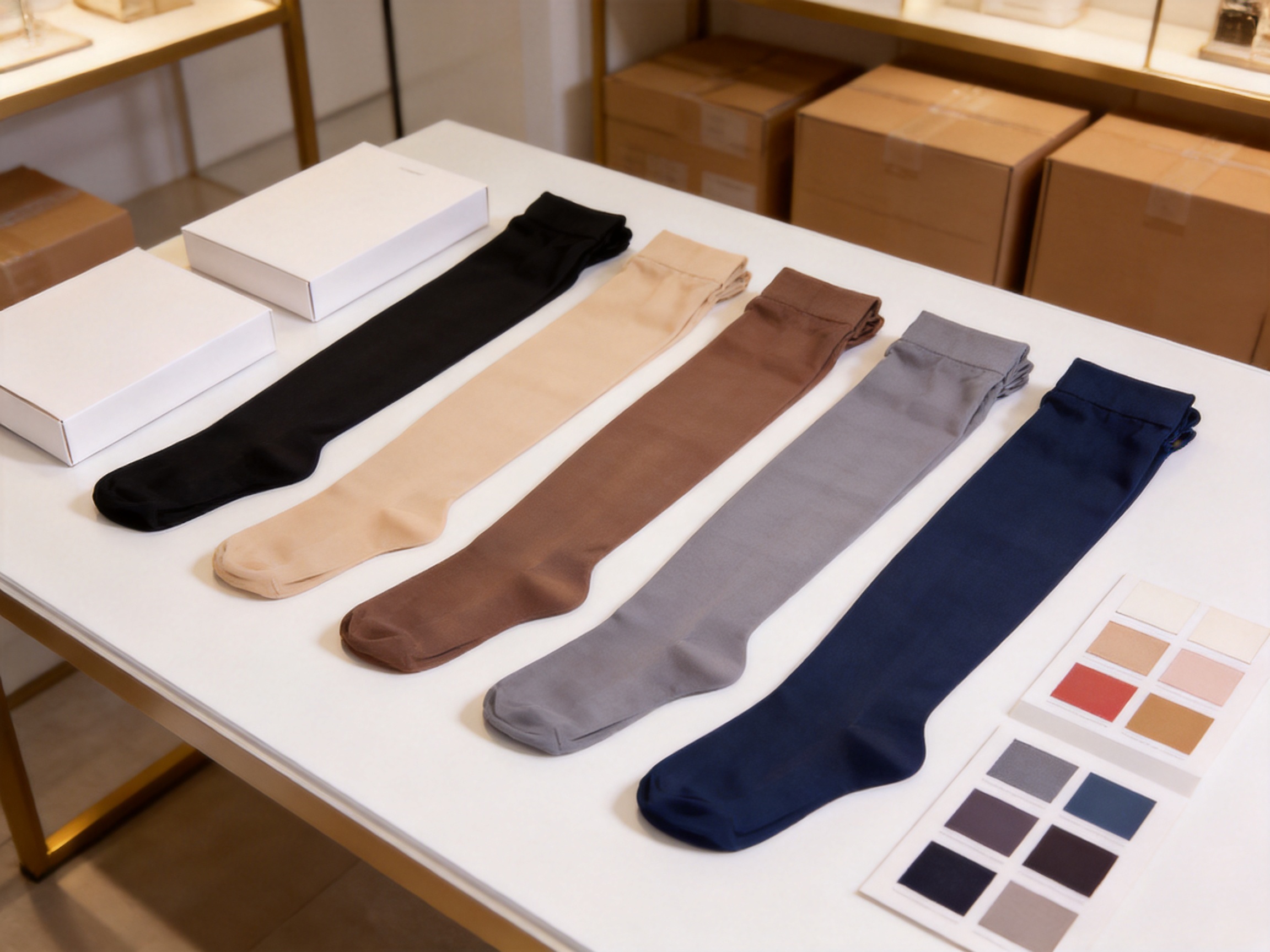
Dyeing is especially important for customizable colors. Customers may request classic black, beige, coffee, gray, navy, burgundy, seasonal tones, or special brand colors. Dyeing consistency affects retail presentation and consumer satisfaction. If one production batch looks different from another, brands may face problems with repeat orders or assortment matching. A manufacturer with controlled dyeing capability can better maintain shade accuracy and batch consistency.
Roughening, shaping, and finishing influence the final hand feel and appearance. Shaping helps the tights hold their intended form, while finishing can improve softness, surface smoothness, and wearing comfort. A product with a matte elegant finish requires careful finishing so that it does not appear rough, overly shiny, or uneven. Full inspection then confirms that the final product meets quality expectations before packaging.

One of the most important strengths of this product is its adaptability. The materials specify customizable colors, customizable sizes, and customizable packaging. This makes the product suitable for OEM fashion pantyhose, hosiery, and stocking programs. A buyer may want a basic black matte tight for supermarket distribution, a premium nude-tone range for boutique channels, a uniform color for institutional use, or a seasonal fashion palette for online retail. Customization allows the same technical base to support multiple commercial strategies.
Color customization can help brands differentiate themselves. Basic black is always important in tights, but the market also demands skin-tone diversity, soft neutrals, and fashion shades. A private-label customer may build a range around several tonal groups, such as natural beige, warm tan, espresso, charcoal, and classic black. Another buyer may want trend colors for autumn and winter collections. Because the product has a plain surface, color quality becomes highly visible; consistent dyeing is therefore a major competitive factor.
Size customization is equally valuable. Standard size charts may not fit every region. Some markets require petite sizing, while others require tall, plus-size, or extended hip and waist measurements. By adjusting size specifications, the manufacturer can help buyers create products that better match their customers. This is particularly important for tights because poor fit can cause rolling waistbands, sagging crotch areas, overstretched thighs, or discomfort at the toes.
Packaging customization helps brands communicate value. The default packing arrangement is 200 pieces per carton with opp bag packaging, but it can be customized. Retail buyers may request printed inserts, hang cards, paper envelopes, boxes, barcode labels, size stickers, multilingual instructions, or eco-conscious packaging options. Wholesale buyers may prefer simple bulk packaging to reduce cost. OEM flexibility allows each client to align packaging with its channel strategy.
For importers and distributors, clear product coding and repeatability matter. The product code CY-8200 helps identify the style for future production. Once a buyer confirms the color, size, packaging, and labeling requirements, repeat orders can be managed more efficiently. This is a major advantage compared with suppliers who frequently change materials or cannot maintain consistent production parameters.
Hosiery quality control must be strict because the product is worn directly on the body and is often judged by both appearance and feel. A tiny hole, uneven dye mark, wrong size label, twisted leg, weak seam, or inconsistent waistband can cause customer dissatisfaction. Therefore, quality assurance is not simply a final check; it must be embedded throughout the entire manufacturing process.
Raw material control is the first step. Yarn must be checked for consistency, strength, elasticity, and suitability for the intended denier and surface effect. If yarn quality varies, the final fabric may show streaks, uneven tension, or inconsistent stretch. Because the company participates in yarn-related processes, it can better monitor these variables before they affect finished goods.
During knitting, machine settings must be controlled carefully. Tension variation can cause fabric unevenness. Needle problems can produce lines or holes. Incorrect parameters can affect size and elasticity. A plain matte product has a clean surface, so production discipline is essential. Skilled technicians and consistent machine maintenance help reduce these risks.
Dyeing control includes shade matching, temperature management, dye uptake consistency, washing, and drying. The matte surface must remain smooth and even after dyeing. A poor dyeing process may cause patchiness, color bleeding, or shade deviation. For customized colors, the ability to match buyer requirements and reproduce shades in future batches is a key professional capability.
Shaping and finishing must be managed to create the intended look and hand feel. If shaping is insufficient, the tights may not present well in packaging or may fit poorly. If finishing is excessive or inconsistent, the surface may lose the desired matte character. Each stage contributes to the final consumer experience.
Full inspection helps ensure that finished products meet shipping standards. Inspectors can identify visual defects, knitting flaws, stains, holes, incorrect labels, packaging mistakes, and size issues. For OEM customers, this reduces risk. A professional buyer does not only purchase hosiery; the buyer purchases reliability. Full inspection is one of the most direct ways to support that reliability.
Compared with ordinary tights from less integrated suppliers, these plain sheer illusion matte tights offer a stronger combination of appearance, comfort, durability, and manufacturing dependability. Their advantages are not limited to the product itself; they also come from the factory’s ability to produce consistently, customize flexibly, and manage quality across the full process.
The first advantage is visual versatility. A plain matte finish can serve many fashion contexts. It does not restrict the customer to a narrow trend. This reduces inventory risk for retailers and makes the product suitable for both basic and elevated collections. It can be marketed as professional, elegant, minimalist, comfortable, or seasonally practical.
The second advantage is durability supported by denier and fiber composition. The 680D specification provides a stronger fabric impression than very sheer hosiery. Polyester and spandex combine reliable wear properties with stretch recovery. For consumers, this means the tights can feel more secure and practical. For retailers, it means fewer complaints related to fragile construction.
The third advantage is OEM readiness. Customizable colors, sizes, and packaging allow buyers to build differentiated products without developing an entirely new style from the beginning. This shortens development time and supports faster market entry. A distributor can use the product as a foundation for multiple private-label programs.
The fourth advantage is production integration. A manufacturer with yarn development, spinning, elasticizing, yarn wrapping, weaving, piecing, dyeing, finishing, inspection, and packaging capabilities can provide more stable outcomes than a supplier that only manages one or two steps. Integrated production improves communication, reduces delays, and strengthens quality traceability.
The fifth advantage is manufacturing experience. A company founded in 1989 has had decades to refine processes, understand buyer needs, and adapt to market changes. Experience matters in hosiery because small technical decisions can strongly influence comfort, size stability, dye consistency, and defect rates. Buyers benefit from working with a manufacturer that understands both product engineering and commercial expectations.
These tights can be positioned in several market applications. In everyday fashion, they offer a clean matte look for consumers who want reliable leg coverage and an understated finish. They can be worn with skirts, dresses, long sweaters, office outfits, and seasonal layering looks. Their plain surface makes them easy to coordinate with different fabrics and colors.
In professional settings, the matte effect is especially useful. Workwear often requires a polished appearance without excessive shine. These tights can be suitable for office employees, hospitality staff, retail staff, flight or travel-related uniforms, event staff, and other roles where neat presentation matters. Custom colors can help match uniform standards or brand identities.
In formalwear, the product provides a refined base for evening dresses, ceremony outfits, and special occasion styling. The sheer illusion look can create smoother visual continuity, while the higher denier specification offers coverage and confidence. Consumers who are uncomfortable with very sheer hosiery may prefer this type of product for important occasions.
In colder seasons, the 680D construction can be marketed as a more substantial option than lightweight pantyhose. While the exact warmth level depends on fabric structure and finishing, the denier gives the product a stronger seasonal appeal. Retailers can place it in autumn and winter collections, especially in neutral and dark colors.
In online retail, the product’s clear value proposition is helpful. Sellers can highlight matte texture, plain styling, customizable colors, stretch comfort, 680D coverage, and OEM manufacturing strength. Because the product is not overly complicated, customers can understand its purpose quickly. Strong images, size charts, and clear descriptions can support conversion.
The company’s SEO description emphasizes the adoption of sustainable fabrics to reduce environmental impact and contribute to a greener future. In modern hosiery markets, sustainability is becoming increasingly important. Buyers are asking not only about price and appearance but also about material responsibility, efficient manufacturing, waste reduction, and packaging options. A vertically integrated manufacturer is well positioned to respond because it can review multiple stages of production rather than only the final assembly.
For tights, sustainability can be approached in several ways. Material selection is one aspect. Efficient dyeing processes are another. Reducing defective rates through better quality control also contributes to sustainability because fewer products are wasted. Durable tights can also be more responsible than extremely fragile alternatives because consumers may replace them less frequently. Packaging customization can support reduced material use or more brand-appropriate eco-conscious presentation.
OEM buyers increasingly need documentation, product consistency, and responsible manufacturing communication. While each sustainability claim should be confirmed according to the buyer’s required standards and certifications, the company’s integrated process provides a strong foundation for improvement. The ability to control yarn, knitting, dyeing, inspection, and packaging can support more systematic environmental management over time.
In fashion, simplicity is often harder to execute than complexity. A patterned tight can distract the eye from minor surface irregularities, but a plain tight must be clean, even, and balanced. The plain sheer illusion matte tights rely on surface uniformity, color consistency, and fit rather than decorative elements. This makes manufacturing precision especially important.
The absence of pattern gives the product a premium minimalist quality. Consumers today often seek wardrobe items that are easy to style and durable enough to justify purchase. A plain matte tight fits this expectation. It can be used repeatedly across outfits rather than reserved for one special look. This increases perceived value and supports repeat purchase.
For private-label brands, minimalist products are also flexible in branding. A retailer can present the same base product as affordable everyday hosiery, a polished office essential, a winter wardrobe staple, or a refined fashion accessory depending on packaging and marketing language. The product’s simplicity does not limit its commercial potential; it expands it.
Wholesale hosiery buyers must consider more than the style itself. They need stable supply, predictable sizing, carton planning, labeling, color matching, and reorder potential. The listed packing of 200 pieces per carton provides a useful reference for logistics. Buyers can plan carton quantities, warehouse allocation, and distribution schedules around standardized packing, while still requesting customized arrangements if necessary.
The MOQ of 2000 pieces per size and color supports efficient batch production. For a buyer, this means the product is best suited for planned commercial programs rather than small test quantities. When managed properly, this scale can reduce unit cost, improve dyeing consistency, and support cohesive market launches. A retailer can order multiple sizes in one color or build a color range across key sizes depending on demand forecasts.
Repeatability is also important. A wholesale buyer may launch the product in one season and reorder based on sales performance. A manufacturer with stable product coding and integrated production is better able to reproduce the same item. This reduces the risk that a reorder will look or feel different from the original batch.
For distributors serving multiple retail customers, customization can create separate programs using the same manufacturing foundation. One retail client may request economical packaging, another may require premium printed packaging, and another may need a specific color set. The manufacturer’s flexibility allows the distributor to serve different channels without constantly searching for new suppliers.
The polyester and spandex blend is a practical choice for commercial tights. Polyester is known for strength, resistance to shrinking, and good dye performance when processed correctly. It can help the tights maintain a smooth surface and stable appearance during ordinary use. Polyester also supports efficient production, making it suitable for OEM orders and large-scale distribution.
Spandex is essential for elasticity. Tights must stretch significantly to fit different leg shapes and body movements. The wearer expects the fabric to expand without tearing and recover without sagging. Spandex helps create this dynamic fit. When combined with appropriate knitting and finishing, it contributes to comfort, smoothness, and shape retention.
The interaction between polyester and spandex must be carefully managed. If the fabric is too rigid, the tights may feel uncomfortable. If it is too loose, the product may sag or wrinkle. If tension is inconsistent, the legs may twist or appear uneven. The manufacturer’s process control helps ensure the blend performs as intended.
The matte surface also depends on fiber behavior and finishing. Excessive shine can result from certain yarns, tensions, or finishes. The product’s matte character requires a controlled approach to material selection and production. This is another reason why integrated manufacturing is valuable. When multiple stages are aligned, the final surface can better match the desired aesthetic.
Brands can position these tights in several ways depending on their market strategy. As an everyday essential, the emphasis can be on comfort, smooth coverage, matte elegance, and dependable wear. As a fashion basic, the product can be promoted as a versatile styling layer for dresses, skirts, and seasonal outfits. As a professional product, it can be described as polished, understated, and suitable for workwear. As a private-label item, it can be customized with brand-specific colors, size charts, and packaging.
The product can also support multi-tier assortment planning. A retailer may offer a standard version in simple packaging for value-oriented customers and a premium version with upgraded packaging and selected colors for fashion customers. Because the base product is plain and flexible, branding and presentation can influence its market tier.
For online platforms, strong content can explain the difference between ordinary opaque tights and sheer illusion matte tights. Consumers often search for hosiery that looks natural, feels comfortable, and does not shine excessively. Clear descriptions of denier, fiber content, matte texture, and styling use can improve customer understanding and reduce hesitation.
For physical retail, packaging should communicate the key benefits quickly. Phrases such as matte finish, smooth illusion effect, 680D coverage, stretch comfort, customizable fit, and everyday elegance can help shoppers identify the product’s value. Color swatches and size guidance are especially important for tights because customers often compare products at the shelf level.
Lower-cost hosiery alternatives may appear attractive at first, especially in price-sensitive markets. However, the lowest price does not always produce the best commercial outcome. If tights fail quickly, fit poorly, show uneven color, or generate customer complaints, the total cost to the brand can be higher than expected. A more reliable product can protect margin by reducing returns, preserving reputation, and encouraging repeat purchase.
These plain sheer illusion matte tights offer value through consistency and adaptability. The product has a commercially useful design, a strong denier specification, a practical fiber blend, and customization support. It is backed by a manufacturer with a complete production chain and long industry experience. For serious buyers, these advantages can be more important than a small price difference.
Another reason to choose this product is the ability to develop long-term programs. A buyer can begin with core colors and expand into seasonal shades or additional packaging formats. Because the product is not tied to one short-term trend, it can remain in the assortment for multiple seasons. This supports better supplier relationships and more efficient purchasing.
The product is also suitable for buyers who need both fashion appeal and operational reliability. It looks refined enough for style-conscious consumers, but it is practical enough for daily use. This combination is difficult to achieve with ultra-cheap hosiery that focuses only on cost reduction.
These tights combine a plain matte surface with a sheer illusion effect and a 680D construction. Ordinary opaque tights may look heavy or flat, while these are designed to create a smoother and more refined appearance. They provide coverage and durability while maintaining an elegant, understated look.
Yes. The polyester and spandex composition supports comfort, elasticity, and shape recovery, making the tights suitable for daily outfits, office styling, commuting, and general use. The plain matte design also makes them easy to pair with many clothing styles.
Yes. Colors are customizable, allowing buyers to develop classic black, neutral skin tones, seasonal fashion colors, uniform colors, or brand-specific shades. This is especially useful for OEM programs and retail collections that require differentiation.
Yes. Sizes are customizable, which helps buyers adapt the product to different regional markets, body measurements, and retail size standards. Better size planning can improve fit satisfaction and reduce return risk.
The MOQ is 2000 pieces per size and color. This quantity supports efficient production planning, consistent dyeing batches, and commercial-scale distribution.
The standard reference is 200 pieces per carton with opp bag packaging, but packaging can be customized. Buyers may request retail packs, printed inserts, labeling, barcode stickers, hang cards, or other brand-specific packaging solutions.
A matte finish reduces excessive shine and creates a softer, more natural look. It is suitable for professional, formal, and everyday styling. Matte tights are also easier to coordinate with a wide range of outfits.
The 680D specification gives the tights a more substantial structure than lightweight sheer hosiery. It supports durability, coverage, and a secure wearing experience while still allowing the product to maintain a refined sheer illusion appearance.
The manufacturer operates a complete process covering yarn research and development, spinning, elasticizing, yarn wrapping, greige weaving, piecing, dyeing, roughening, shaping, full inspection, and packaging. This integrated chain helps improve consistency, traceability, and quality control.
Fashion brands, hosiery wholesalers, importers, online retailers, uniform suppliers, private-label companies, and distributors can all consider this product. It is especially suitable for buyers who need a versatile matte tight with customization options and reliable OEM production support.
Plain sheer illusion matte tights are a strong hosiery choice for modern markets because they combine timeless design, practical construction, and adaptable OEM potential. The product’s plain matte appearance offers styling versatility, while the sheer illusion effect adds refinement. The 680D specification provides coverage and durability, and the polyester-spandex blend supports stretch, comfort, and shape recovery. These features allow the product to serve everyday, professional, formal, seasonal, and private-label applications.
The competitive strength of the product is reinforced by the manufacturing capabilities of Zhejiang Chenyu Knitting Co., Ltd. With a history dating back to 1989 and a complete production chain covering yarn development through packaging, the company can support stable quality, efficient customization, and commercial-scale orders. Its full inspection process and integrated operations help reduce risk for buyers seeking reliable hosiery supply.
For brands and distributors, this product offers more than a basic pair of tights. It provides a flexible foundation for building hosiery collections that can be customized by color, size, and packaging. It can be positioned as a wardrobe essential, a fashion basic, a professional uniform accessory, or a refined matte tight for everyday elegance. In a market where consumers expect both appearance and comfort, these tights deliver a balanced solution with strong commercial potential.
Textile Institute. Textile Terms and Definitions.
Gong, R. H. Specialist Yarn and Fabric Structures: Developments and Applications.
Saville, B. P. Physical Testing of Textiles.
Sinclair, R. Textiles and Fashion: Materials, Design and Technology.
Collier, B. J., and Epps, H. H. Textile Testing and Analysis.
Kadolph, S. J. Textiles.