
 English
  Español
  Deutsch
 Expanded panel thermal opaque tights

Our provided products
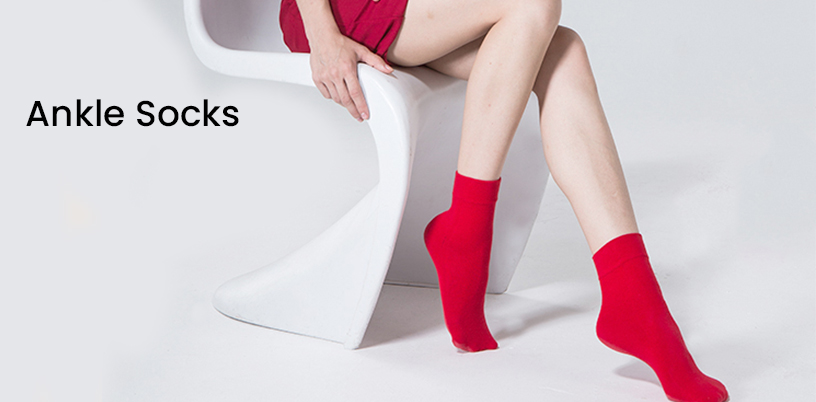
In the modern hosiery market, small details often determine whether a product becomes a simple accessory or a favorite part of daily dressing. The Cute Sunflower Lace Short Socks with Heel are designed for wearers who want comfort, visual charm, secure fit, and reliable manufacturing quality in one compact product. With a short-sock silhouette, decorative sunflower lace, and a shaped heel structure, this style combines practical usability with a soft, cheerful look suitable for children’s fashion, casual outfits, seasonal styling, and coordinated retail collections.
This article presents a detailed overview of the product’s design value, material and structure considerations, advantages over ordinary short socks, and the manufacturing strengths behind it. It also explains how a complete hosiery production system can improve consistency, comfort, durability, and customization flexibility for wholesale buyers, retailers, private-label brands, and OEM customers seeking dependable sock and hosiery solutions.
Cute Sunflower Lace Short Socks with Heel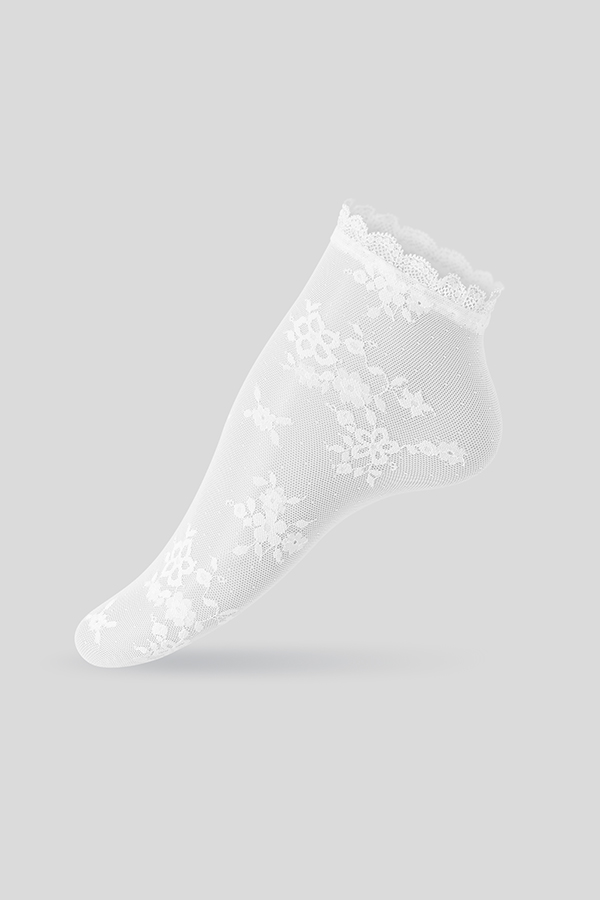
The Cute Sunflower Lace Short Socks with Heel are a decorative short hosiery product developed for customers who appreciate a sweet, refined, and wearable design. The product name highlights three important elements: “sunflower,” which suggests a cheerful floral inspiration; “lace,” which indicates delicate styling and decorative texture; and “with heel,” which emphasizes the functional shaping that helps the sock sit more naturally on the foot. These features distinguish the product from flat, shapeless, or purely basic socks commonly found in mass-market assortments.
Although the product is listed under the Kids Tights category, its form is best understood as a short sock style within the broader hosiery family. In many hosiery catalogs, children’s hosiery, ankle socks, lace socks, tights, and seasonal accessories are grouped together because they share similar yarn, knitting, dyeing, finishing, and packaging processes. This makes the product suitable for inclusion in children’s fashion lines, boutique hosiery collections, school and casual wear ranges, gift sets, and OEM seasonal programs.
The style code associated with the product is 10122, which can be used as a reference identifier for ordering, sampling, internal production tracking, or catalog management. For buyers, a clear product identifier is important because it supports more accurate communication between design, sales, production, quality control, and logistics teams. In hosiery manufacturing, even small variations in lace pattern, cuff tension, heel depth, color, size range, and finishing can create a noticeably different product, so precise item tracking helps reduce misunderstanding and improves repeat-order reliability.
The core design concept of these socks is to bring softness and decorative expression into a practical daily-wear item. Sunflower lace creates a bright and warm visual language, giving the socks a youthful and pleasant personality. Floral details are especially popular in children’s and casual hosiery because they add charm without requiring heavy embellishment. Compared with printed graphics that may fade over time, a lace-inspired structural design can provide texture and depth while maintaining a premium appearance.
The short length makes the socks easy to wear with many types of footwear, including casual shoes, Mary Janes, canvas shoes, loafers, ballet flats, and seasonal children’s shoes. Short socks are highly practical because they do not cover the leg too heavily, making them suitable for spring, summer, early autumn, indoor use, and dress occasions. For parents and retailers, this versatility increases sell-through potential because the product is not limited to a single season or outfit type.
The shaped heel is an important functional feature. Many decorative children’s socks focus only on appearance and neglect fit. A sock without proper heel shaping may slide, twist, bunch under the foot, or create discomfort inside shoes. By including a heel structure, the product is designed to better follow the natural contours of the foot. This helps improve wearing stability, reduces friction caused by shifting fabric, and gives the product a more professional and comfortable finish.
Sunflower-inspired design is associated with brightness, energy, optimism, and natural beauty. In children’s fashion, floral motifs are long-lasting because they create a soft and friendly impression. Unlike overly trendy graphics that may quickly become outdated, floral lace has a more timeless appeal. Sunflower lace can be styled with dresses, skirts, shorts, uniforms, casual pants, and special-occasion clothing, which gives retailers more merchandising flexibility.
Lace is not only a visual detail; it also affects the perceived value of the product. A plain sock may compete mostly on price, but a lace sock competes on beauty, comfort, and emotional appeal. Consumers are often willing to choose a slightly more refined hosiery item when it adds visible style to an outfit. This is particularly true for children’s clothing, where parents, relatives, and gift buyers look for items that feel cute, delicate, and thoughtfully made.
Compared with heavy embroidery or attached ornaments, lace design can be more practical for everyday wear. It can provide decorative interest while remaining lightweight and flexible. In hosiery products, flexibility is essential because the item must stretch, recover, and move with the foot. A well-executed lace pattern can balance decoration and comfort, allowing the sock to remain soft, breathable, and easy to wear.
Comfort is one of the most important evaluation points for any sock, especially when the product is intended for children or younger wearers. Children are sensitive to tightness, seams, bunching, scratchiness, and overheating. A beautiful sock that feels uncomfortable will not become a repeat-purchase product. Therefore, the Cute Sunflower Lace Short Socks with Heel must be understood as both a style item and a comfort-focused hosiery product.
A short sock design reduces unnecessary leg coverage and helps improve air circulation around the ankle area. This is beneficial in warmer weather and indoor environments. The lace structure can also contribute to a lighter hand feel, depending on the yarn selection and knitting density. When combined with careful finishing and shaping, the result is a sock that looks delicate but remains practical for regular use.
The heel construction enhances comfort by reducing excess movement inside the shoe. A properly positioned heel allows the toe, arch, and ankle areas to sit more naturally. This supports a better wearing experience and reduces the likelihood of the sock slipping down or rotating during walking. For parents, a secure fit means fewer complaints from children and less need to adjust socks throughout the day.
Compared with competitor products that rely only on decorative appearance, this style emphasizes a balance between beauty and functional fit. That balance is important for wholesale buyers because attractive products generate initial interest, but comfortable products generate repeat orders. In the hosiery industry, repeat purchase behavior is strongly connected to perceived softness, durability, and fit consistency.
The inclusion of a heel is a key distinction from many low-cost children’s socks that use a simple tube-like construction. Tube socks can fit a range of sizes, but they often sacrifice precision. For growing children, flexibility is useful, but too much shapelessness can reduce comfort. A formed heel provides an anatomical reference point and helps the sock align with the foot during wear.
The heel also helps maintain the appearance of the sock. When socks twist or shift, the lace decoration may move out of position, reducing the intended styling effect. With a better heel fit, the sunflower lace can remain more evenly displayed, especially when worn with open-top or low-cut shoes. This is particularly valuable for fashion-focused retail displays and product photography because the sock retains its intended look on the foot.
Daily performance depends on several factors, including yarn elasticity, knitting tension, cuff recovery, toe comfort, and finishing stability. A complete manufacturing system can control these variables more effectively than a fragmented supply chain. When yarn preparation, knitting, dyeing, shaping, inspection, and packaging are coordinated within a unified production process, the final product is more likely to meet consistent quality standards across bulk orders.
Ordinary short socks are often designed for basic coverage and low-cost production. They may use simple patterns, flat structures, limited shaping, and minimal finishing. While these products can meet basic needs, they often lack emotional appeal and premium presentation. The Cute Sunflower Lace Short Socks with Heel offer a more distinctive alternative by combining decorative lace, floral character, short-length versatility, and heel shaping.
One important advantage is visual differentiation. Retail shelves and online marketplaces are crowded with similar basic socks. A sunflower lace design can stand out immediately in product listings, boutique displays, children’s clothing sets, and seasonal promotions. Strong visual identity helps increase click-through rates, customer attention, and gift appeal.
Another advantage is styling flexibility. Basic socks may serve only as invisible or functional items, while decorative short socks become part of the outfit. They can be matched with dresses for formal occasions, casual wear for everyday outings, or themed collections for spring and summer. This allows retailers to position the product not only as hosiery but also as a fashion accessory.
A third advantage is improved fit through the heel structure. Competitor products without a shaped heel may be easier to manufacture, but they can lack the secure and comfortable fit expected by quality-conscious consumers. The shaped heel supports better positioning, which improves daily wear satisfaction. In children’s hosiery, this is especially important because comfort issues are quickly noticed by end users.
Finally, the product benefits from being supported by a manufacturer with a complete hosiery production chain. Many competitor products are assembled through outsourced or partially controlled processes, which can create inconsistencies in color, size, elasticity, and finishing. A vertically integrated production model can improve repeatability, quality control, and customization responsiveness.
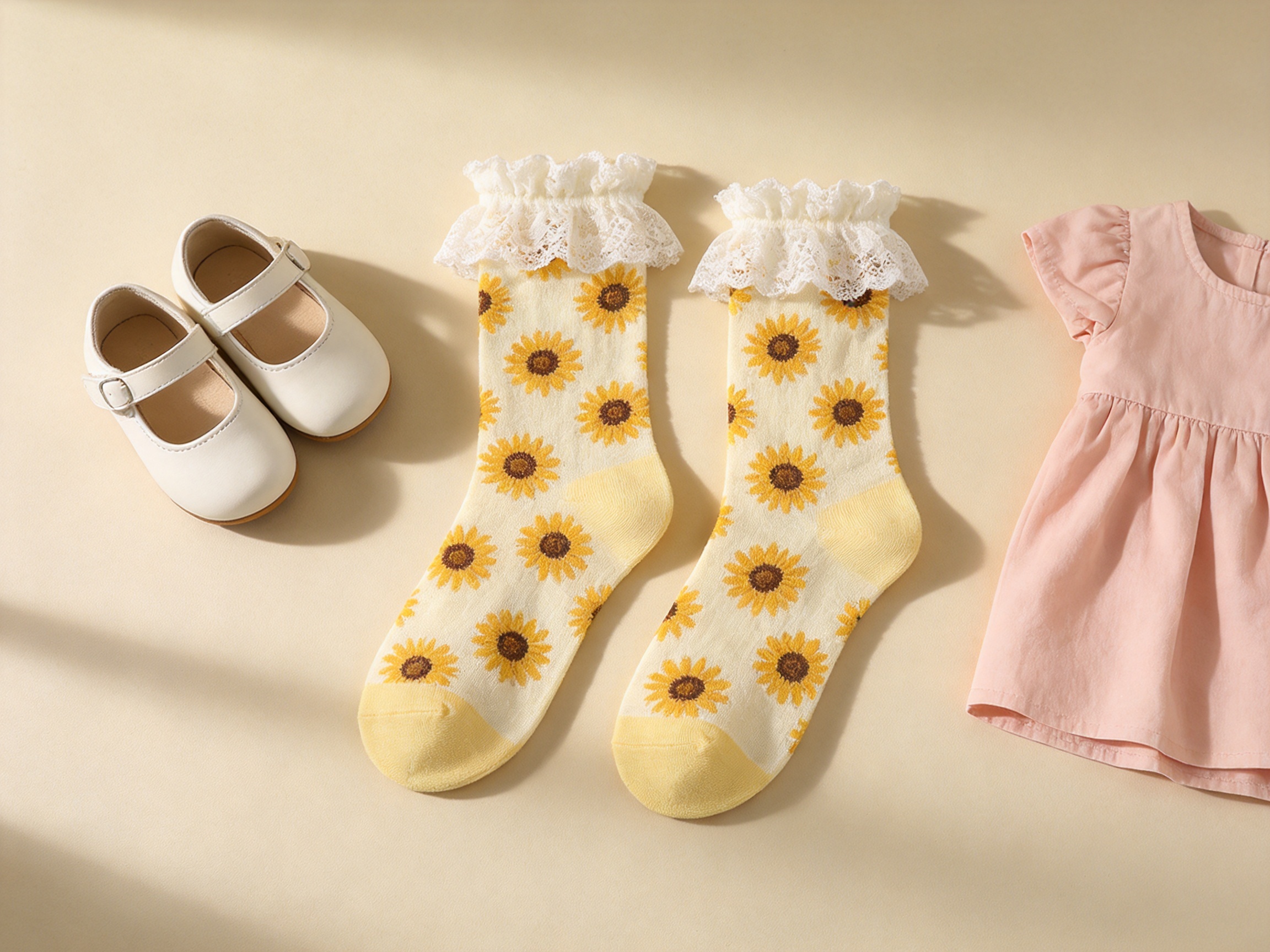
Zhejiang Chenyu Knitting Co., Ltd. was founded in 1989 and is located in Dongyang, Zhejiang, China. With nearly four decades of development, the company has built extensive experience in hosiery manufacturing, including pantyhose, stockings, tights, socks, and related knitted legwear products. Its long history is meaningful because hosiery production requires accumulated technical knowledge, equipment familiarity, material understanding, and quality discipline.
The company has developed a one-stop whole-industry-chain production system covering yarn research and development, spinning, elasticizing, yarn wrapping, greige weaving, piecing, dyeing, roughening, shaping, full inspection, and packaging. This integrated model is a major advantage for OEM customers and wholesale buyers because it reduces dependency on disconnected external suppliers. When multiple steps are managed under one system, product development can be faster, communication can be clearer, and quality problems can be traced and corrected more efficiently.
For a lace short sock, manufacturing precision is particularly important. The product must look delicate while retaining enough elasticity for easy wearing. The lace area must be stable, the heel must be positioned correctly, the cuff must hold comfortably, and the final shape must be neat. These outcomes depend on careful coordination between yarn selection, knitting settings, finishing conditions, and inspection standards.
Yarn is the foundation of hosiery quality. The softness, stretch, durability, breathability, and appearance of socks depend heavily on yarn composition and yarn treatment. A manufacturer with yarn research and development capability can adjust product characteristics according to market needs. For example, children’s lace socks may require a smooth touch, gentle elasticity, stable color absorption, and enough resilience to maintain shape after repeated wearing.
Yarn research also supports product differentiation. A basic supplier may simply purchase standard yarns from the market, while an integrated manufacturer can evaluate yarn performance in relation to knitting structure and final use. This matters for lace designs because the yarn must form clean patterns without becoming too stiff or fragile. If the yarn is too thick, the lace loses delicacy; if it is too weak, durability may suffer. A balanced yarn strategy helps create a product that is attractive and dependable.
In OEM projects, yarn development can also support customer-specific requirements. Buyers may request different hand feels, seasonal weights, color palettes, elasticity levels, or sustainable material options. The company’s focus on sustainable fabrics reflects a broader industry movement toward reducing environmental impact and supporting a greener future. For brands seeking eco-conscious product lines, this capability can be an important selection factor.
Spinning, elasticizing, and yarn wrapping are technical stages that strongly affect the performance of hosiery. Spinning determines yarn consistency and strength. Elasticizing adds stretch and recovery characteristics. Yarn wrapping can combine elastic cores with outer fibers to create a comfortable, stable, and functional yarn system. These processes help determine whether the final sock feels soft, returns to shape, and resists deformation during use.
In children’s socks, elasticity must be carefully controlled. Too little stretch can make the sock difficult to put on and prone to slipping. Too much compression can leave marks or feel uncomfortable. A well-managed elasticizing process helps achieve a gentle but secure fit. This is particularly important for short socks because the cuff has less leg coverage to help hold the product in place. The heel structure and elastic balance must work together.
Yarn wrapping also contributes to surface quality. A smooth and consistent yarn helps produce an even knitted surface and clearer lace pattern. In decorative hosiery, inconsistent yarn can cause visible defects, uneven loops, or irregular texture. By controlling earlier yarn preparation steps, the manufacturer can reduce defects before knitting begins, improving efficiency and final quality.
Greige weaving or knitting is the stage where the sock begins to take its physical form. For the Cute Sunflower Lace Short Socks with Heel, this stage determines the pattern clarity, size foundation, heel placement, and structural consistency. Knitting machines must be set with appropriate tension, stitch density, pattern programming, and size parameters. A small adjustment can change the fit and appearance of the final product.
Lace knitting requires special attention because decorative openings and textured areas must remain stable. The pattern should look clean, but the fabric must not become weak or overly loose. The sunflower motif needs definition, symmetry, and repeat accuracy. If the pattern is inconsistent, the sock may look lower quality even if the material itself is acceptable. This is why manufacturing experience is essential for decorative hosiery.
For bulk orders, knitting precision supports size consistency. Retailers and OEM customers need products that match agreed specifications across cartons and repeat shipments. Inconsistent sizing can lead to returns, customer complaints, and brand reputation risk. A factory with a mature production system is better positioned to maintain controlled specifications throughout the order.
Piecing and dyeing are crucial for both appearance and comfort. Piecing must be neat and secure so that the sock maintains structure and does not create irritating areas. In children’s hosiery, seam comfort is especially important because rough seams can quickly become a reason for dissatisfaction. Skilled workmanship helps ensure the product feels smooth and wearable.
Dyeing affects the emotional and commercial value of the sock. Sunflower lace socks may be offered in soft neutrals, bright seasonal colors, pastel tones, or customized palettes depending on buyer needs. Color consistency is one of the major challenges in hosiery production. Variations between batches can create problems for retailers, especially when products are sold in sets or displayed in coordinated collections.
A complete manufacturing system with dyeing capability can improve color management by coordinating material preparation, dye recipes, process timing, and finishing requirements. This reduces the risk of shade variation and helps customers achieve more reliable product presentation. For OEM customers, accurate color matching to brand palettes can be a decisive advantage.
Finishing processes transform a knitted item into a market-ready product. Roughening, when used appropriately, can improve surface feel or warmth in certain hosiery products. Shaping helps set the sock’s dimensions and appearance. For short lace socks with heel, shaping is essential because it supports a neat silhouette, improves presentation, and helps the heel and foot areas align properly.
Finishing also affects hand feel. A sock may be technically well knitted but still feel less appealing if it is not properly finished. Softness, smoothness, elasticity, and visual neatness are all enhanced during finishing. For decorative socks, finishing can help the lace pattern appear more refined and consistent.
In retail, first impression matters. Customers often judge hosiery by touching it, viewing its shape, or examining the cuff and pattern. A well-finished lace sock conveys quality before it is even worn. For online sales, high-quality finishing supports better product photography because the sock looks structured, smooth, and attractive in images.
Full inspection is a vital step in hosiery production. Socks are relatively small items, but they can contain many possible defects: dropped stitches, uneven patterning, color spots, sizing variation, seam irregularities, loose threads, stains, or packaging errors. A full inspection process helps identify these issues before shipment. This protects both the manufacturer and the buyer.
For OEM customers, inspection consistency supports brand trust. When products are sold under a private label, end consumers associate quality with the brand name on the package. A reliable manufacturing partner helps protect that reputation by preventing defective items from entering the market. This is especially important in children’s products, where parents expect safety, comfort, and reliability.
Packaging is not merely the final step; it is part of the product experience. Packaging can be customized for retail hang tags, multi-packs, gift sets, e-commerce packs, or bulk distribution. For a cute lace sock, attractive packaging can enhance gift appeal and help communicate softness, style, and quality. A manufacturer with integrated packaging capability can respond more efficiently to different market channels.
| Aspect | Product Value | Buyer Benefit |
|---|---|---|
| Sunflower lace design | Creates a sweet, decorative, and cheerful appearance | Improves shelf appeal and supports fashion-focused merchandising |
| Short sock length | Comfortable for daily wear and easy to match with many shoes | Suitable for multiple seasons, outfits, and retail categories |
| Shaped heel | Helps the sock fit the foot more naturally | Reduces slipping, twisting, and discomfort compared with tube-style socks |
| Integrated production chain | Covers yarn development, knitting, dyeing, shaping, inspection, and packaging | Improves consistency, quality control, and OEM customization efficiency |
| Sustainable fabric direction | Supports lower environmental impact and green development goals | Helps brands respond to growing consumer demand for responsible products |
| Full inspection | Controls visible and functional defects before shipment | Protects brand reputation and reduces after-sales risk |
The Cute Sunflower Lace Short Socks with Heel are well suited to OEM customization. Buyers may request different colors, size ranges, packaging methods, material options, cuff styles, lace density, or coordinated product sets. Because the product has a clear design foundation, it can be adapted for different market segments while preserving its core identity. For example, a boutique children’s brand may choose pastel colors and premium packaging, while a mass retailer may request practical multi-pack assortments.
Customization is one of the strongest advantages of working with a manufacturer that has comprehensive production capabilities. When yarn, knitting, dyeing, finishing, inspection, and packaging are coordinated internally, product adjustments can be tested and refined more efficiently. This reduces development time and helps buyers bring new collections to market faster.
OEM hosiery buyers often need more than a single product. They need communication accuracy, sample development, cost control, quality assurance, delivery planning, and repeat-order consistency. A factory with decades of experience and a complete production chain is better positioned to provide these services. For the Cute Sunflower Lace Short Socks with Heel, this means the product can serve as a standalone style or as part of a broader hosiery collection including ankle socks, knee highs, hold-ups, garter stockings, tights, other hosiery, and kids tights.
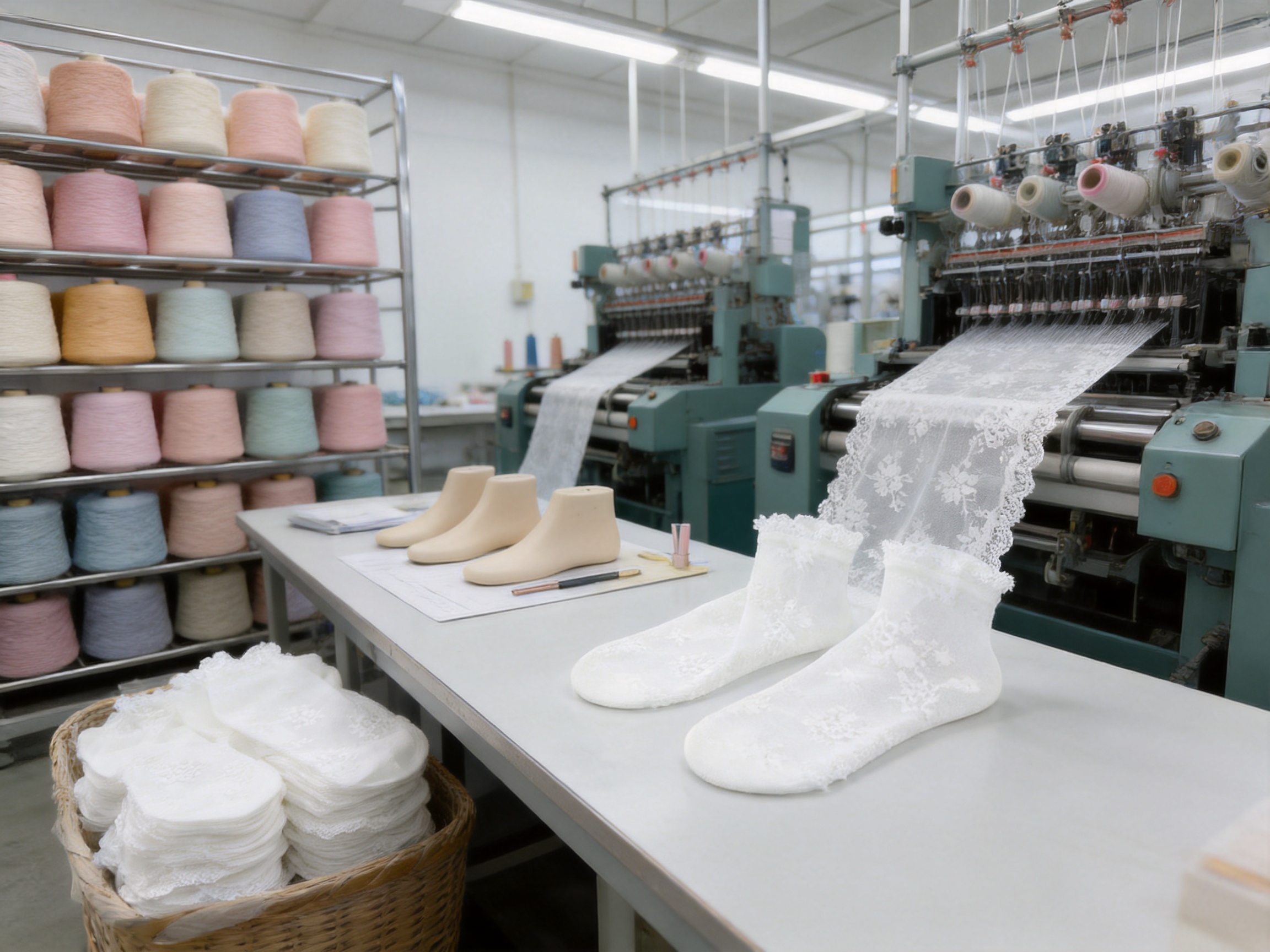
Retailers and distributors evaluate hosiery according to appearance, comfort, margin potential, consistency, packaging, and customer satisfaction. The Cute Sunflower Lace Short Socks with Heel offer a combination of visual charm and practical wearability that can support strong retail positioning. The product is not limited to basic utility; it adds visible outfit value, making it easier to display and promote.
Compared with plain socks, decorative lace socks can be positioned at a higher perceived value. They are suitable for impulse purchases, gift purchases, seasonal promotions, and outfit-matching recommendations. Retail staff can easily explain the product’s appeal: a cute sunflower lace design, a comfortable short length, and a shaped heel for better fit. These clear selling points help support consumer decision-making.
For distributors, consistency is crucial. A product that looks good in samples but varies in bulk shipment can create serious commercial problems. The manufacturing system behind this sock helps address that concern by integrating multiple production stages and applying full inspection. Buyers can therefore focus on market expansion with greater confidence in product repeatability.
In e-commerce, product images and descriptions play a major role in conversion. A sock with sunflower lace has strong visual appeal because it communicates style quickly. The lace texture, short silhouette, and heel shape can be photographed from multiple angles, helping online shoppers understand both design and function. A product that photographs well can perform better in crowded digital marketplaces.
Short socks are also convenient for online logistics. They are lightweight, compact, and suitable for single-pair, multi-pair, or gift-set packaging. This can reduce shipping complexity and support flexible selling models. Retailers may offer color assortments, size bundles, seasonal collections, or parent-child matching concepts depending on market demand.
For online reviews, comfort and fit often matter as much as appearance. The shaped heel supports a better wearing experience, which can contribute to positive customer feedback. In digital commerce, customer reviews strongly influence future sales. A product that combines attractive design with reliable comfort has better long-term potential than a style that only looks good in photos.
The sunflower lace theme is particularly suitable for spring and summer collections, but the short sock design can be used across multiple seasons. In spring, it pairs naturally with floral dresses, light skirts, and pastel outfits. In summer, its short length helps maintain comfort while adding a cute detail to sandals or casual shoes, depending on styling preferences. In autumn, it can be worn with layered outfits, school looks, or soft neutral tones.
The product also works well for special occasions. Children’s birthday outfits, family photos, holiday gatherings, school performances, and casual celebrations often require accessories that look polished without being uncomfortable. Lace short socks are ideal for these situations because they add a refined touch while remaining practical for movement.
For retailers, occasion-based merchandising creates opportunities for themed displays. The socks can be shown with dresses, shoes, hair accessories, gift boxes, or seasonal apparel. This cross-selling potential increases the commercial value of the product beyond its individual price point.
The hosiery industry is increasingly influenced by sustainability concerns. Consumers and brands are paying more attention to material selection, production efficiency, waste reduction, and environmental responsibility. Zhejiang Chenyu Knitting Co., Ltd. has emphasized the adoption of sustainable fabrics to reduce environmental impact and contribute to a greener future. This direction is important for customers who want to align product development with responsible sourcing goals.
For a product like the Cute Sunflower Lace Short Socks with Heel, sustainable fabric options can help improve market relevance. Parents and younger consumers are increasingly aware of environmental issues, and brands that communicate responsible material choices may gain stronger trust. Even when sustainability requirements vary by market, having the manufacturing capability and mindset to support greener options is a competitive advantage.
Responsible manufacturing is not only about materials; it also relates to process control. Integrated production can reduce unnecessary transfers, improve defect prevention, and support more efficient quality management. When fewer defective goods are produced, less material is wasted. Better planning and process consistency can therefore contribute to both commercial and environmental benefits.
Brand differentiation is essential in hosiery because many products can appear similar at first glance. A distinctive design such as sunflower lace gives a brand a clear visual identity. It allows retailers to move away from generic basics and offer something more expressive. For children’s fashion, this can be especially effective because emotional appeal influences purchasing decisions.
The product’s design can be adapted to different brand stories. A brand may present it as a sweet garden-inspired accessory, a delicate everyday sock, a comfortable dress sock for children, or part of a seasonal lace collection. The design is specific enough to be memorable but flexible enough for various retail concepts.
In private-label development, brands often seek products that can be customized without losing manufacturing stability. This sock meets that requirement because the core structure is practical and the decorative area can be adjusted through color, yarn, pattern scale, and packaging. A strong factory partner can help translate brand ideas into commercially viable production.
Decorative socks must balance delicacy and durability. Lace designs may look fragile, so manufacturing quality is essential to ensure the product performs well during normal wear. Yarn strength, knitting density, stitch stability, heel reinforcement strategy, and finishing all contribute to durability. While the sock is designed to be cute and soft, it should also withstand the practical demands of daily use.
Durability is particularly important for children’s hosiery because children move actively, walk, run, sit, and play throughout the day. Socks experience friction inside shoes and repeated stretching during wear and washing. A shaped heel can help reduce fabric stress caused by twisting, while consistent knitting supports structural stability.
Compared with lower-cost competitors that may prioritize decoration at the expense of construction, this product benefits from a manufacturing approach that considers both appearance and performance. For buyers, this means a better opportunity to deliver customer satisfaction and reduce complaints related to holes, deformation, or poor fit.
Children’s hosiery must meet high expectations for comfort and practical safety. Products should avoid harsh hand feel, excessive compression, unstable attachments, or irritating seams. A lace sock intended for children should be soft enough for sensitive skin and stable enough for regular activity. The Cute Sunflower Lace Short Socks with Heel are designed around these practical expectations by emphasizing wearability as well as decoration.
The absence of heavy ornaments can be an advantage. Some decorative children’s socks use beads, bows, or hard attachments that may create discomfort inside shoes or raise durability concerns. Lace decoration offers a softer approach. It provides visual interest through textile structure rather than bulky add-ons. This makes the product more suitable for everyday use.
Fit is also part of comfort. A sock that slips into the shoe can become irritating and may distract children during school, travel, or play. The heel structure helps reduce this issue. When combined with appropriate cuff elasticity and sizing, the sock can stay in place more effectively than many generic short socks.
Supply chain reliability is one of the key reasons buyers choose experienced manufacturers. In hosiery, delays or inconsistencies can affect seasonal launches, retail promotions, and inventory planning. A manufacturer with a full production chain has more control over scheduling, material coordination, and quality checkpoints. This can improve the reliability of both sampling and bulk production.
Zhejiang Chenyu Knitting Co., Ltd. has developed foreign trade, e-commerce, and OEM customization departments in addition to its domestic brand operations. This organizational structure reflects experience serving different business models. International customers often need documentation, communication, customization, packing standards, and shipping coordination. A dedicated OEM and foreign trade capability can help meet these expectations more effectively.
For a product such as the Cute Sunflower Lace Short Socks with Heel, supply chain reliability supports repeat programs. Retailers may want to reorder successful colors, expand size ranges, or develop related styles. A stable production partner can maintain product continuity and support long-term collection planning.
The product belongs to the wider hosiery category, which includes ankle socks, knee highs, hold-ups, garter stockings, tights, other hosiery, and kids tights. This broad category structure gives buyers opportunities to build coordinated assortments. A lace short sock can complement tights, knee highs, and other children’s legwear products in a complete seasonal range.
For example, a retailer may offer sunflower lace short socks for warmer days, matching lace knee highs for dress outfits, and soft tights for cooler weather. This type of assortment strategy encourages customers to purchase multiple related products from the same collection. It also helps brands maintain a consistent design language across different hosiery forms.
Because the manufacturer has experience in pantyhose, stockings, tights, and socks, it can support broader product development beyond a single item. This is valuable for buyers seeking a long-term hosiery supplier rather than a one-time product source. The Cute Sunflower Lace Short Socks with Heel can therefore serve as an entry point into a more comprehensive collaboration.
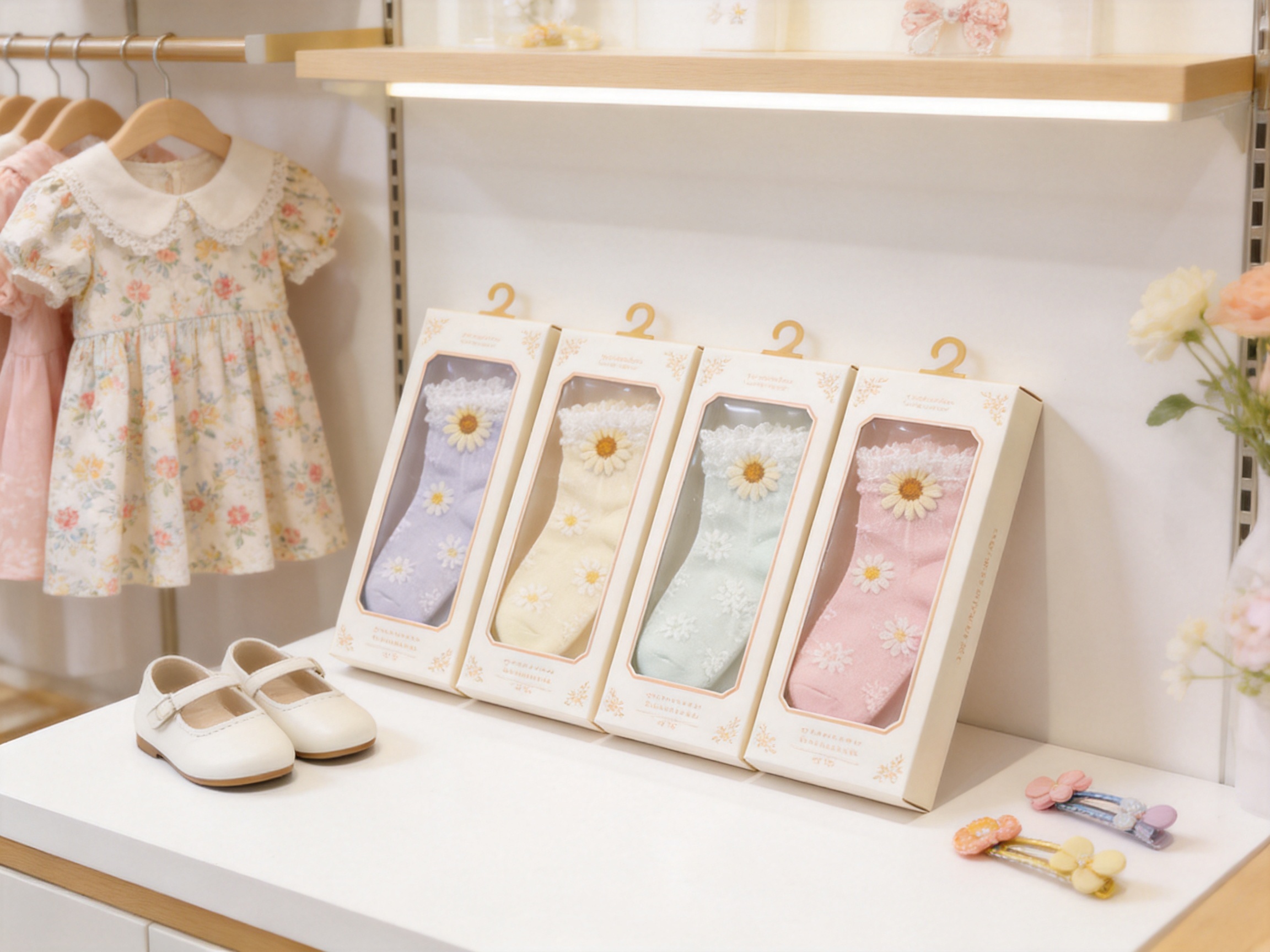
Retailers can present the Cute Sunflower Lace Short Socks with Heel in several effective ways. One approach is to display them as a children’s fashion accessory near dresses, skirts, or shoes. This encourages outfit-based purchasing and helps consumers imagine how the socks will look when worn. Another approach is to sell them in coordinated color sets, allowing parents to buy multiple pairs for different outfits.
The socks can also be positioned as a giftable item. Their cute lace design and compact size make them suitable for baby and children’s gift baskets, birthday gifts, holiday add-ons, and boutique packaging. Retailers may increase perceived value through thoughtful hang tags, small boxes, or themed packaging.
For online stores, detailed product photography is important. Images should show the full sock shape, the heel area, lace detail, cuff, and how the sock appears when worn. Clear sizing information and care instructions can reduce customer uncertainty and improve satisfaction. Because the product has visible design details, high-quality images can significantly support sales.
Proper care helps maintain the appearance and performance of lace socks. Customers should generally wash delicate hosiery with similar colors and avoid harsh friction. A laundry bag may help protect lace structures during machine washing. Mild detergent and gentle cycles are usually preferred for decorative socks. High heat should be avoided when possible because it can affect elasticity and shape retention.
Parents should choose the correct size for children to ensure comfort. Socks that are too small may feel tight and distort the lace pattern, while socks that are too large may slip or bunch. The shaped heel should sit at the natural heel position for best fit. When the heel aligns correctly, the sock is more likely to stay comfortable throughout the day.
Retailers can include care information on packaging or product pages. This helps customers protect the product and reduces misunderstandings about lace hosiery maintenance. Good care guidance also reflects positively on the brand because it shows attention to the full customer experience.
The Cute Sunflower Lace Short Socks with Heel are a strong choice for OEM programs because they combine marketable design, everyday practicality, and manufacturing adaptability. The sunflower lace detail provides clear visual identity, while the short length and shaped heel support daily wear. This combination makes the product attractive to both style-focused buyers and comfort-conscious consumers.
OEM customers often need products that can be customized while remaining production-friendly. This sock offers that balance. Colors, sizes, packaging, and material options can be adjusted, but the core structure remains practical and understandable. Buyers can create exclusive versions for different markets without starting from zero.
The manufacturing background further strengthens the product’s OEM value. A company with a complete industry chain can manage development and production with greater control. From yarn preparation to full inspection, each stage contributes to the final result. This reduces risk for buyers and supports more professional long-term cooperation.
When compared with generic children’s short socks, the Cute Sunflower Lace Short Socks with Heel offer stronger visual appeal. Plain socks may be easy to produce, but they rarely create excitement. The sunflower lace gives the product a charming identity that can attract attention in both physical and online retail environments.
When compared with heavily decorated socks, this product offers better practicality. Bulky ornaments may look attractive initially but can cause discomfort, fall off, or complicate washing. Lace decoration is softer and more integrated into the textile structure, making it more suitable for frequent wear.
When compared with tube-style socks, the shaped heel gives this product a fit advantage. A heel structure helps the sock sit correctly on the foot, reducing twisting and improving comfort. This is an important selling point for parents and quality-focused buyers.
When compared with products from less integrated suppliers, the manufacturing support behind this sock is a major advantage. The complete production chain allows better control over yarn, knitting, dyeing, finishing, inspection, and packaging. For buyers, this can mean fewer quality surprises and more reliable repeat production.
Zhejiang Chenyu Knitting Co., Ltd. has operated since 1989, giving it long-term experience in the hosiery sector. The company is located at No. 289 Juhe Road, Jiangbei Subdistrict, Dongyang, Jinhua, Zhejiang, China. Its development includes domestic brands, foreign trade, e-commerce, and OEM customization departments, showing that it serves diverse customer needs and market channels.
The company’s complete production system is one of its defining strengths. By covering yarn research and development, spinning, elasticizing, yarn wrapping, greige weaving, piecing, dyeing, roughening, shaping, full inspection, and packaging, it can deliver more controlled hosiery solutions. This is especially valuable for products that require both decorative design and reliable performance.
As a high-tech enterprise with a complete pantyhose industry chain in China, the company has the technical foundation to support complex hosiery development. Although the Cute Sunflower Lace Short Socks with Heel are a small product, they benefit from the same disciplined approach used in advanced hosiery manufacturing. Precision, consistency, and process control are important at every product scale.
The product combines a decorative sunflower lace design with a short, practical silhouette and a shaped heel. Ordinary socks often focus only on basic coverage, while this style offers visual charm, better outfit coordination, and improved fit stability.
The shaped heel helps the sock align more naturally with the foot. It can reduce twisting, slipping, and bunching, making the sock more comfortable for daily wear than simple tube-style socks.
Yes. The cute lace style, short length, and comfortable structure make it suitable for children’s outfits, boutique collections, seasonal assortments, gift sets, and casual daily wear.
Yes. OEM customization can include color selection, size range, packaging, material direction, lace detail adjustments, and coordinated collection development, depending on buyer requirements and production evaluation.
The manufacturer uses a complete production chain that includes yarn development, spinning, elasticizing, yarn wrapping, knitting, piecing, dyeing, shaping, full inspection, and packaging. This integrated system improves consistency and quality control.
The product can fit children’s apparel stores, hosiery retailers, boutique brands, online shops, gift markets, department stores, and private-label programs. It is especially suitable for buyers looking for cute, comfortable, and visually distinctive hosiery.
The company emphasizes the adoption of sustainable fabrics to reduce environmental impact and contribute to a greener future. Buyers interested in sustainability can discuss suitable material options and program requirements.
Gentle washing with similar colors is recommended. A laundry bag can help protect lace structures. Avoiding harsh friction and high heat can help maintain elasticity, shape, and appearance.
The Cute Sunflower Lace Short Socks with Heel are more than a decorative hosiery item. They represent a balanced approach to design, comfort, fit, and manufacturing reliability. The sunflower lace adds emotional and visual appeal, the short length supports versatile daily styling, and the shaped heel improves practical wearability. Together, these features create a product that can stand out in a competitive hosiery market.
For retailers, the product offers strong merchandising potential, gift appeal, and outfit-matching value. For e-commerce sellers, it provides attractive photography opportunities and clear selling points. For OEM customers, it offers customization flexibility supported by a mature manufacturer with an integrated production chain. This combination of product charm and manufacturing strength makes it a valuable choice for buyers seeking dependable, stylish, and comfortable hosiery solutions.
Zhejiang Chenyu Knitting Co., Ltd. brings decades of hosiery experience, advanced production processes, and full-chain manufacturing capability to the development of products like this. From yarn research to final packaging, each stage contributes to quality and consistency. In a market where consumers expect both beauty and comfort, the Cute Sunflower Lace Short Socks with Heel offer a thoughtful solution with strong commercial potential.
Textile Institute. Textile Terms and Definitions. Manchester: The Textile Institute.
Gohl, E. P. G., and Vilensky, L. D. Textile Science: An Explanation of Fibre Properties. CBS Publishers.
Collier, B. J., and Epps, H. H. Textile Testing and Analysis. Pearson Education.
Sinclair, R. Textiles and Fashion: Materials, Design and Technology. Woodhead Publishing.
Brown, P., and Rice, J. Ready-to-Wear Apparel Analysis. Pearson.
Gioello, D. A. Understanding Fabrics: From Fiber to Finished Cloth. Fairchild Books.