
 English
  Español
  Deutsch
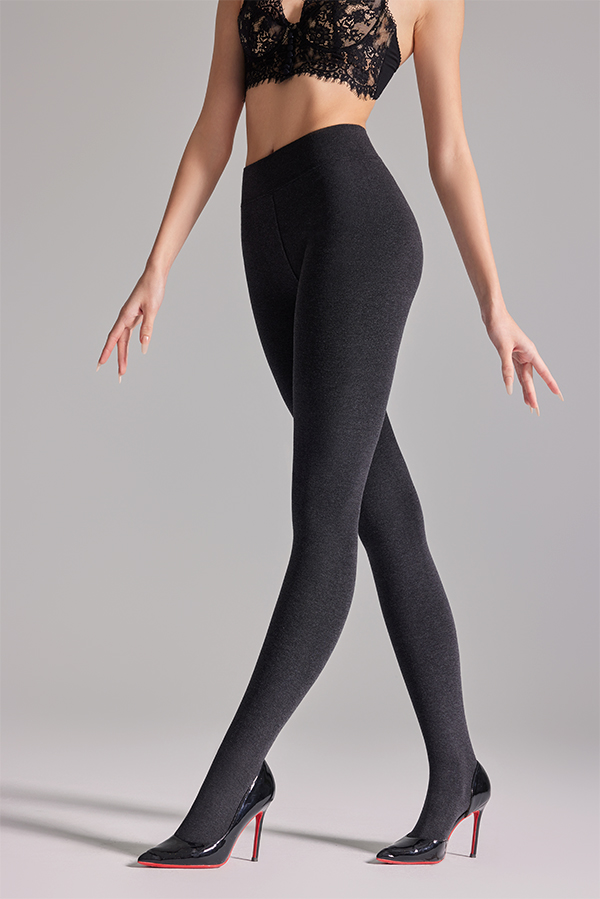
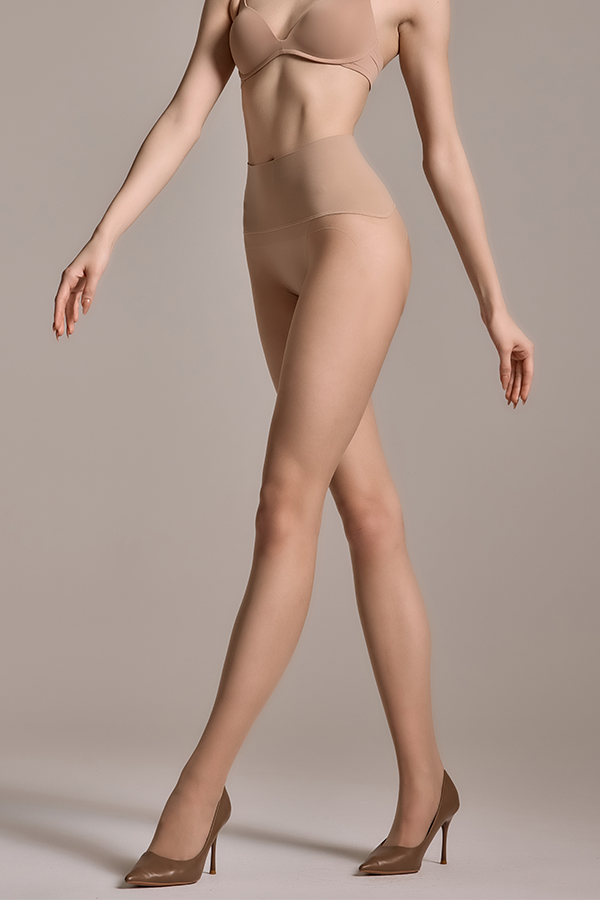
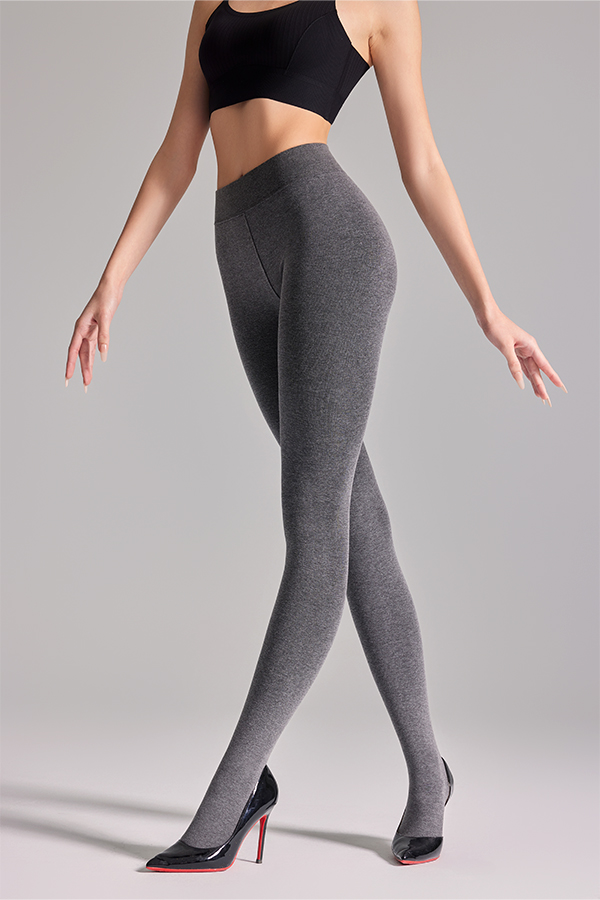
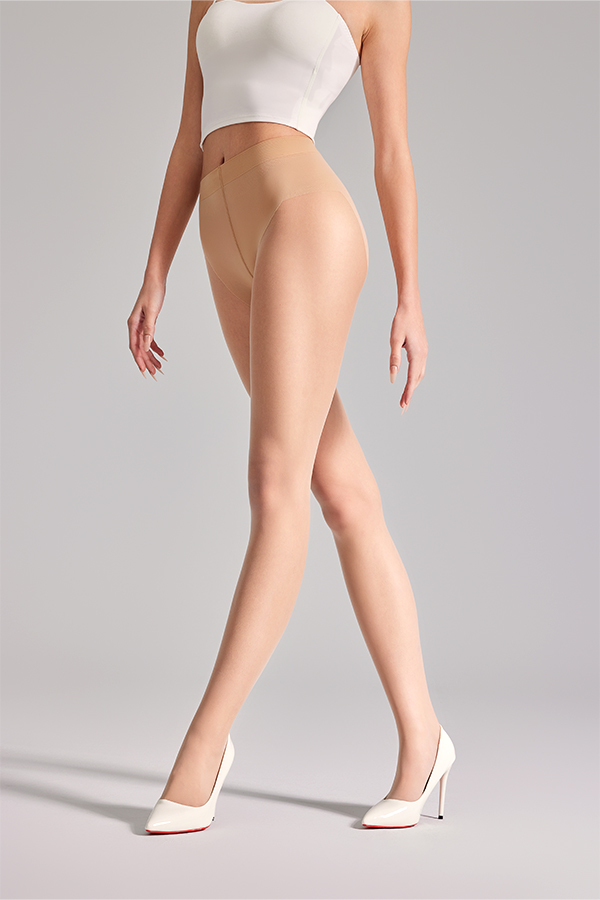
 Expanded panel thermal opaque tights

Our provided products
Children’s tights are no longer limited to plain, single-color basics. Parents, retailers, schools, costume designers, and children’s fashion brands increasingly look for hosiery that combines reliable comfort with distinctive visual appeal. The W Pattern Jacquard Kids Tights are designed for this market need, offering a decorative knitted structure, practical coverage, and the flexibility required for everyday children’s clothing.
Unlike printed tights, jacquard tights create their visual effect through the knitting structure itself. This method allows a pattern to become part of the fabric rather than simply being applied to its surface. The result is a product with a more integrated appearance, a refined texture, and strong potential for repeated seasonal collections. The W pattern provides a recognizable design element while remaining versatile enough for casual outfits, school clothing, holiday apparel, stage costumes, and special occasions.
This product is manufactured by Zhejiang Chenyu Knitting Co., Ltd., a hosiery producer located in Dongyang, Zhejiang, China. The company has operated since 1989 and has developed a complete hosiery manufacturing system covering yarn research and development, spinning, elasticizing, yarn wrapping, greige weaving, piecing, dyeing, roughening, shaping, inspection, and packaging. Such an integrated production structure can provide important advantages for buyers seeking consistent quality, coordinated development, and OEM customization.
The W Pattern Jacquard Kids Tights belong to the Kids Tights category and are intended for children’s apparel applications. Their main design feature is a W-shaped jacquard pattern knitted into the tights. The pattern can create a more dimensional and premium appearance than a basic solid color, while the underlying hosiery construction continues to provide the stretch and body coverage expected from tights.
Jacquard knitting is particularly suitable for children’s fashion because it offers broad creative possibilities. Patterns can be developed through changes in stitch structure, yarn color, pattern scale, and placement. A manufacturer can use these techniques to create subtle all-over effects or more visible geometric designs. The W pattern is a strong foundation for a collection because it has a clear identity without being tied to one particular age group, garment category, or holiday theme.
The product can be developed in a range of colors, sizes, yarn compositions, and thicknesses according to market requirements. Depending on the intended use, buyers may request lightweight tights for transitional weather, medium-weight tights for daily wear, or warmer constructions for colder seasons. The same pattern concept can also be adapted for different children’s fashion programs, allowing a brand to maintain visual consistency across multiple collections.
| Product Attribute | Details | Commercial Relevance |
|---|---|---|
| Product type | Jacquard knitted children’s tights | Suitable for fashion, schoolwear, occasionwear, and seasonal collections |
| Pattern | W-shaped decorative pattern | Creates a recognizable design identity and textured visual effect |
| Category | Kids Tights | Designed for children’s apparel channels and family-oriented retail |
| Construction | Stretch hosiery construction with integrated patterning | Supports movement, fit, and comfortable wear when properly developed |
| Customization | Potential customization of color, size, yarn, packaging, and labeling | Supports OEM and private-label product programs |
| Manufacturing support | Integrated hosiery production system | Helps coordinate development, production, inspection, and delivery |
The main difference between jacquard tights and printed tights is the way the design is formed. Printed tights generally receive color or artwork after the base fabric has been produced. Jacquard tights use a controlled knitting process to build the design into the fabric. This distinction affects the appearance, hand feel, production planning, and potential product positioning.
An integrated knitted pattern can provide a more sophisticated surface effect. Depending on the yarn and stitch selection, the design may appear tonal, contrasting, raised, recessed, or gently textured. The pattern can also remain visually connected to the fabric during stretching because it is created through the knitted structure. This characteristic is valuable for children’s tights, where the fabric is frequently extended during dressing and movement.
Jacquard construction can also support a more premium product story. Retailers often need clear points of difference between entry-level basics and higher-value fashion items. A well-developed knitted pattern offers a product feature that can be communicated through packaging, merchandising, photography, and seasonal storytelling. It gives the tights an identifiable design element without requiring complex decoration such as embroidery, appliqué, or additional surface attachments.
Another advantage is design flexibility. The W pattern can be produced in a restrained color combination for everyday wear or in a bold contrast for fashion-forward collections. It can be paired with dresses, skirts, shorts, knitwear, tunics, and layered outfits. Because the visual identity comes from the knit structure, the product can appear coordinated with a collection while still retaining a distinctive hosiery character.
A children’s product must be visually appealing to both the child and the purchasing adult. The W pattern gives the tights a recognizable appearance that is more memorable than an entirely plain construction. It can function as a signature motif for a seasonal assortment or as part of a broader geometric design family.
The pattern may be positioned as an all-over design or adjusted according to the desired style. A smaller W pattern can create a subtle, closely repeated texture, while a larger pattern can produce a stronger fashion statement. The final effect depends on scale, color contrast, yarn selection, and the relationship between the motif and the base fabric.
Geometric patterns are adaptable. The W motif can be styled with classic children’s clothing, contemporary streetwear, festive outfits, or coordinated family apparel. Neutral shades may be appropriate for school and everyday use, while brighter colors can support holiday, party, or fashion collections.
This versatility can be valuable for retailers that serve multiple customer groups. A single basic construction may be adapted for different markets through color and packaging changes. For example, a retailer may choose dark neutral colors for autumn and winter, soft pastel shades for spring, and stronger contrast combinations for special collections. The ability to use one design concept across several product variations can simplify assortment planning.
Because the W pattern is knitted into the tights, it can have a more cohesive appearance than a separately applied decoration. The design becomes part of the fabric’s visual structure. This helps create a polished finish suitable for products positioned above basic commodity hosiery.
Careful development remains essential. Pattern clarity depends on yarn behavior, machine settings, fabric density, tension, and finishing. A professional hosiery manufacturer can evaluate these variables through sampling and production testing before bulk manufacturing begins.
The W pattern can be expanded into a wider family of products. A brand may develop matching ankle socks, knee highs, or other hosiery items using related geometric motifs. It may also create coordinated adult styles, although children’s products require their own fit, safety, and comfort evaluation.
A collection-based approach can improve merchandising. Instead of presenting one isolated style, buyers can offer multiple colors and weights under a common visual theme. This can make the product easier to display in retail stores and online catalogs.
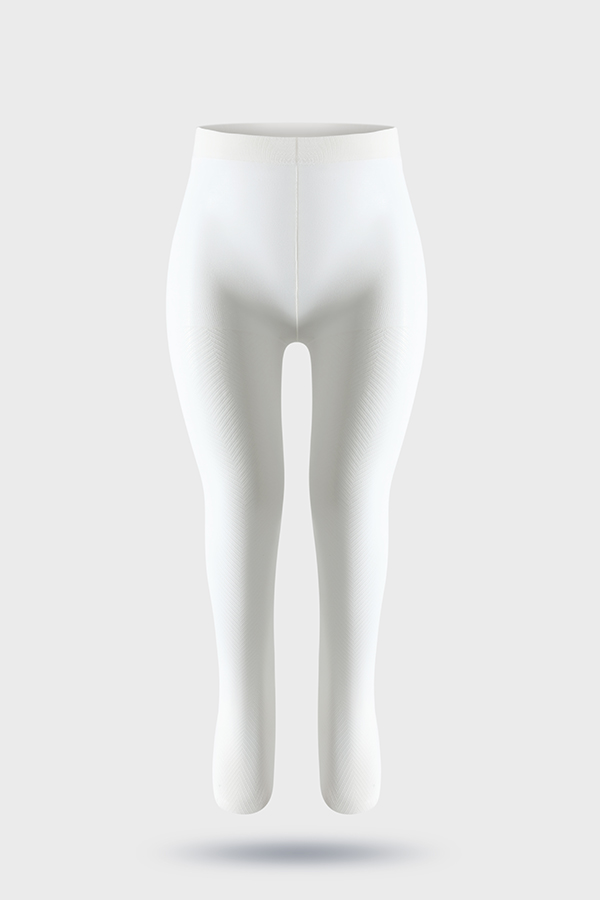
W Pattern Jacquard Kids Tights
Appearance alone is not sufficient for children’s tights. Young wearers are sensitive to tightness, rough textures, bulky seams, temperature, and difficult dressing. For this reason, the comfort performance of a jacquard design must be evaluated together with its visual qualities.
The stretch of the fabric is central to fit. Tights must extend over the legs and hips while returning toward their original shape after movement. A well-balanced stretch system can help the tights remain in place without creating excessive pressure. The exact result depends on fiber composition, covered yarn selection, knitted density, waist construction, and garment finishing.
The waistband also requires careful attention. It should provide enough stability to reduce slipping but should not be unnecessarily restrictive. A comfortable waistband can make the product easier for children to wear during school, play, travel, or family activities. Buyers may request different waistband specifications depending on the age range and retail positioning of the product.
Seam design affects the wearing experience as well. A flat or carefully controlled seam can reduce irritation around the toe and other contact areas. The toe closure should be neat and secure, with no loose yarns that could cause discomfort or compromise product appearance. These details may seem small, but they are important indicators of production quality.
Children’s tights must also support active movement. The wearer may walk, run, sit, climb, dance, or play throughout the day. The garment should be developed to accommodate these actions without excessive distortion. A jacquard pattern must be tested in a stretched condition as well as in its relaxed state to confirm that the motif remains attractive and the fabric remains comfortable.
Softness is influenced by the yarn, dyeing process, finishing treatment, and final handling. The preferred hand feel may vary by market. Some buyers look for a smooth, lightweight touch, while others prefer a warmer and slightly fuller feel. Sampling allows the manufacturer and buyer to compare different fabric options before selecting the final specification.
Yarn selection is one of the foundations of hosiery quality. It affects stretch, recovery, softness, durability, color appearance, surface smoothness, and the behavior of the jacquard pattern. A manufacturer with in-house or coordinated yarn development capabilities can evaluate these factors at an early stage rather than treating yarn as an afterthought.
Hosiery commonly uses combinations of synthetic and elastic fibers to achieve the necessary balance between fit and performance. The precise composition should be selected according to the product’s purpose, target price, market regulations, and desired hand feel. For children’s tights, the material should be evaluated for comfort, colorfastness, dimensional stability, and resistance to ordinary wear.
Elasticizing and yarn covering are important steps in creating reliable stretch performance. A covered elastic yarn can help integrate elasticity into the knitted structure while protecting the elastic component. Consistency in this process can influence how evenly the tights stretch across different parts of the garment.
Sustainable material options may also be considered. The supplied company information states that the manufacturer adopts sustainable fabrics to reduce environmental impact and contribute to a greener future. Buyers interested in sustainability should request specific fiber information, relevant certifications, recycled content details, and production documentation for each selected material. Clear verification is important because sustainability claims should correspond to measurable material and process information.
For OEM projects, yarn development can be adjusted to suit a brand’s product strategy. A buyer may request a particular level of opacity, a warmer winter hand, a finer transitional-season construction, or a specific color effect. These requirements can be translated into yarn and knitting specifications during the sampling process.
The company’s manufacturing strength is based on a one-stop whole-industry-chain production system. According to the provided company information, the system covers yarn research and development, spinning, elasticizing, yarn wrapping, greige weaving, piecing, dyeing, roughening, shaping, full inspection, and packaging. This broad coverage is particularly valuable for a product such as jacquard kids tights because the final appearance depends on the coordination of many stages.
The process begins with material planning and yarn research. At this stage, the manufacturer can assess the requirements of the target product, including stretch, pattern definition, softness, thickness, color, and cost. For jacquard tights, yarn selection must also consider how different yarns will interact within the pattern.
Early yarn evaluation can reduce the risk of developing a visually attractive sample that fails during bulk production. It allows the technical team to consider knitting performance and finishing behavior before finalizing the design.
Spinning establishes the basic structure and consistency of the yarn. Stable yarn quality is necessary for even knitting and a uniform surface. Elasticizing adds the stretch characteristics required by hosiery. Variations in elastic behavior can lead to inconsistent fit, so controlled processing is important.
For children’s tights, the elastic system must be balanced. Too little recovery may cause sagging, while excessive tension may reduce comfort. The appropriate result depends on the intended age range, garment dimensions, and fabric weight.
Yarn wrapping can help combine elastic components with covering fibers. This process influences the smoothness, strength, and stretch behavior of the yarn. Consistent wrapping is essential for producing a stable knitted fabric and maintaining a clean appearance.
In a jacquard product, the yarn wrapping process can also influence pattern clarity. If the yarn surface is uneven or the tension is unstable, the visual definition of the W motif may be affected. Coordinated control across yarn preparation and knitting therefore contributes to the final design quality.
Greige knitting is the stage at which the basic uncolored fabric or garment structure is formed. The knitting equipment and programming determine the pattern, density, stretch, and dimensions of the tights. Jacquard production requires accurate pattern programming and careful control of yarn feeding and machine tension.
The W motif must be developed with the natural stretch of the tights in mind. A pattern that looks correct on a flat sample may change when worn. Technical teams can evaluate the motif in relaxed and extended conditions, making adjustments to scale, spacing, and stitch structure as necessary.
Machine settings also affect the overall appearance of the legs, seat, and waistband. Consistent density helps avoid visible differences between panels or between individual pairs. This is particularly important for wholesale and private-label orders, where large quantities must present a uniform appearance.
After knitting, component sections may require piecing or assembly. Accurate alignment is important for maintaining symmetry and ensuring that the finished tights have a balanced appearance. The toe, body, and waistband areas must be joined securely and neatly.
Children’s tights are relatively small garments, which means that small dimensional differences can have a noticeable effect on fit. Careful assembly helps maintain the intended size specifications and reduces the possibility of uncomfortable or visually irregular seams.
Dyeing gives the tights their final color and can significantly affect softness, shade consistency, and dimensional stability. Color control is especially important for jacquard products because the contrast between the motif and the base may be central to the design.
During development, buyers should confirm the desired color standard, tolerance, and approval procedure. Production lots should be compared with approved standards to reduce shade variation. When multiple components or colorways are included in one collection, coordinated color management becomes even more important.
Dyeing must also be evaluated for colorfastness. Children’s garments may be exposed to washing, perspiration, friction, and contact with other clothing. Appropriate testing can help confirm whether the product meets the buyer’s performance expectations and applicable market requirements.
Roughening may be used to create a warmer or fuller interior hand, depending on the product specification. This can be useful for cold-weather children’s tights, although the final result must be balanced against breathability, bulk, and ease of dressing.
Finishing treatments can influence the softness, shape, appearance, and dimensional stability of the finished product. The manufacturer must select suitable settings for the chosen yarn and fabric construction. Over-finishing may affect stretch recovery, while insufficient finishing may leave the product unstable or uneven.
Shaping helps the finished tights achieve the intended dimensions and fit. This stage can stabilize the legs, seat, and waistband after wet processing and knitting. Consistent shaping is important for ensuring that products in the same size range fit in a similar way.
For children’s products, shaping should be assessed against a practical size chart rather than relying only on nominal age labels. Children of the same age can have different heights and body proportions. Buyers may therefore use height, weight, or body measurement references in addition to age-based categories.
The company identifies full inspection as part of its production system. Inspection can include checks for holes, dropped stitches, uneven pattern formation, stains, shade differences, seam problems, incorrect dimensions, and packaging errors. The exact inspection standard should be agreed with the buyer before production.
Packaging is the final stage before shipment and has both protective and commercial importance. Individual packaging, size stickers, barcode labels, care information, and carton markings can be customized for OEM orders. Proper packaging helps protect the tights during transport and supports efficient retail handling.
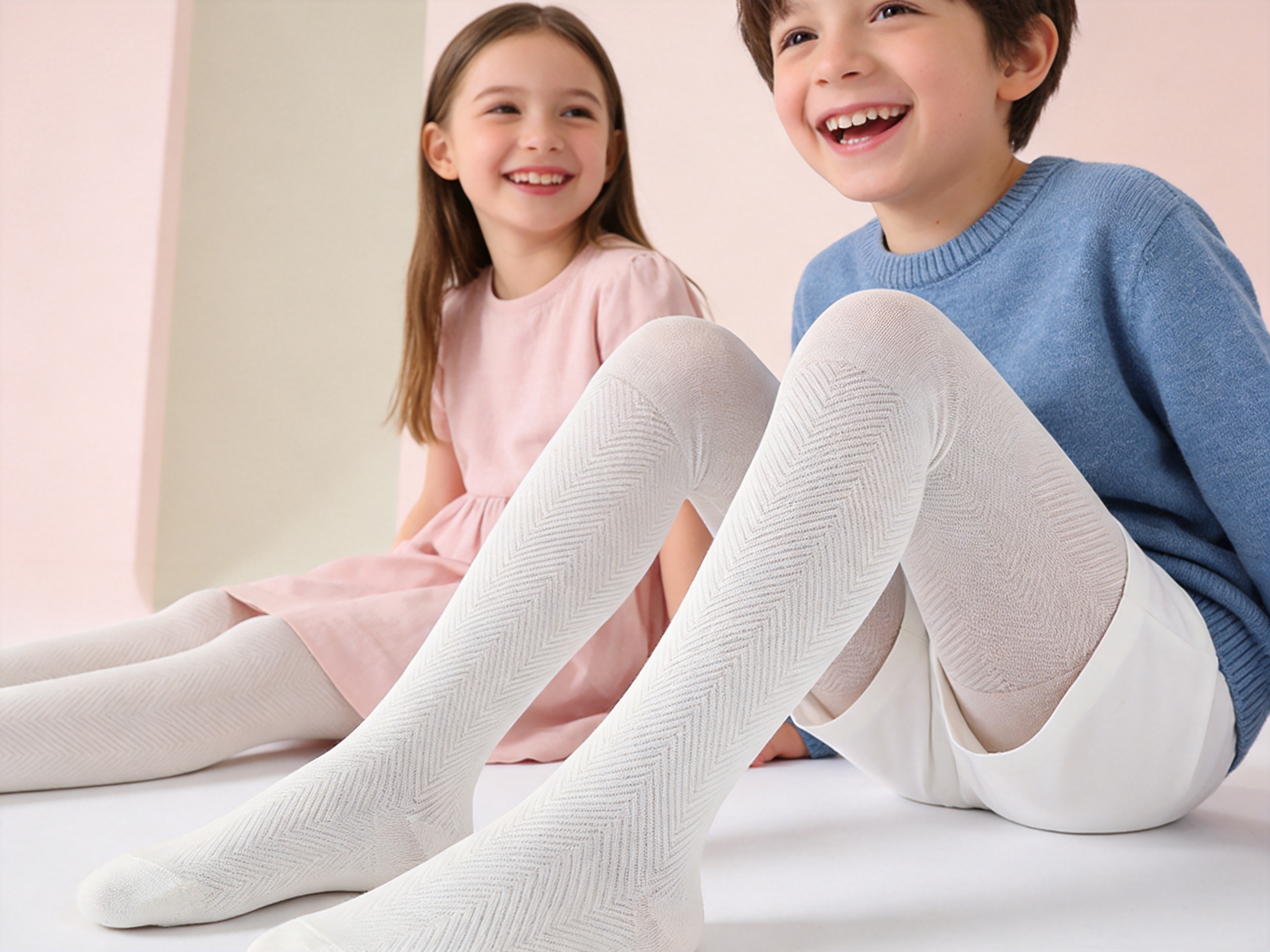
The W Pattern Jacquard Kids Tights can compete with simpler tights through a combination of design, manufacturing capability, and customization potential. The product is not positioned merely as a basic legwear item; it can serve as a fashion-focused children’s accessory with a clear visual point of difference.
Plain tights remain important for everyday wardrobes, but they offer limited visual differentiation. A jacquard motif gives the retailer more material for product presentation and allows the product to occupy a more specialized position. This can be useful for brands that want to expand beyond basic colors without moving into complex or expensive decorations.
An integrated knitted pattern can present a cleaner and more cohesive appearance than certain forms of surface printing or attached decoration. It is part of the hosiery structure and can be developed to work with the stretch of the garment. This makes the product suitable for buyers who want a decorative effect while preserving the practical nature of tights.
OEM buyers can potentially modify colors, yarns, thicknesses, sizes, labels, packaging, and related design details. A manufacturer with an extensive production system is better positioned to coordinate these changes. Customization can help brands develop exclusive products rather than competing only on standard catalog items.
A fragmented supply chain may require a buyer to coordinate separate yarn suppliers, knitting factories, dye houses, finishing facilities, inspection providers, and packers. An integrated manufacturer can simplify communication and reduce the number of handoffs. This may improve project coordination, particularly for complex or time-sensitive programs.
Zhejiang Chenyu Knitting Co., Ltd. was founded in 1989 and has nearly four decades of operating experience based on the information provided. Long-term manufacturing experience can support practical problem-solving in areas such as yarn selection, machine programming, color management, sizing, finishing, and quality control.
Experience does not replace product-specific testing, but it can make the development process more efficient. A knowledgeable technical team can identify potential production issues earlier and recommend adjustments before bulk manufacturing.
The product is suitable for brands, wholesalers, retailers, importers, and children’s clothing manufacturers seeking an OEM hosiery partner. An OEM project can begin with the existing W pattern or use it as a starting point for a modified design.
During the initial discussion, the buyer should define the target consumer, age and size range, season, retail price, expected quantity, color plan, packaging requirements, and destination market. These details influence yarn selection, construction, testing, and production scheduling.
A clear technical specification should include the following elements:
1. Product name and design reference.
2. Target age range and size breakdown.
3. Finished measurements and acceptable tolerances.
4. Fiber composition and sustainability requirements.
5. Thickness, opacity, warmth, and hand-feel expectations.
6. Pattern scale, spacing, color, and placement.
7. Waistband, toe, seam, and finishing requirements.
8. Color standards and sample approval procedures.
9. Care label, fiber label, barcode, and packaging information.
10. Inspection criteria and shipment documentation.
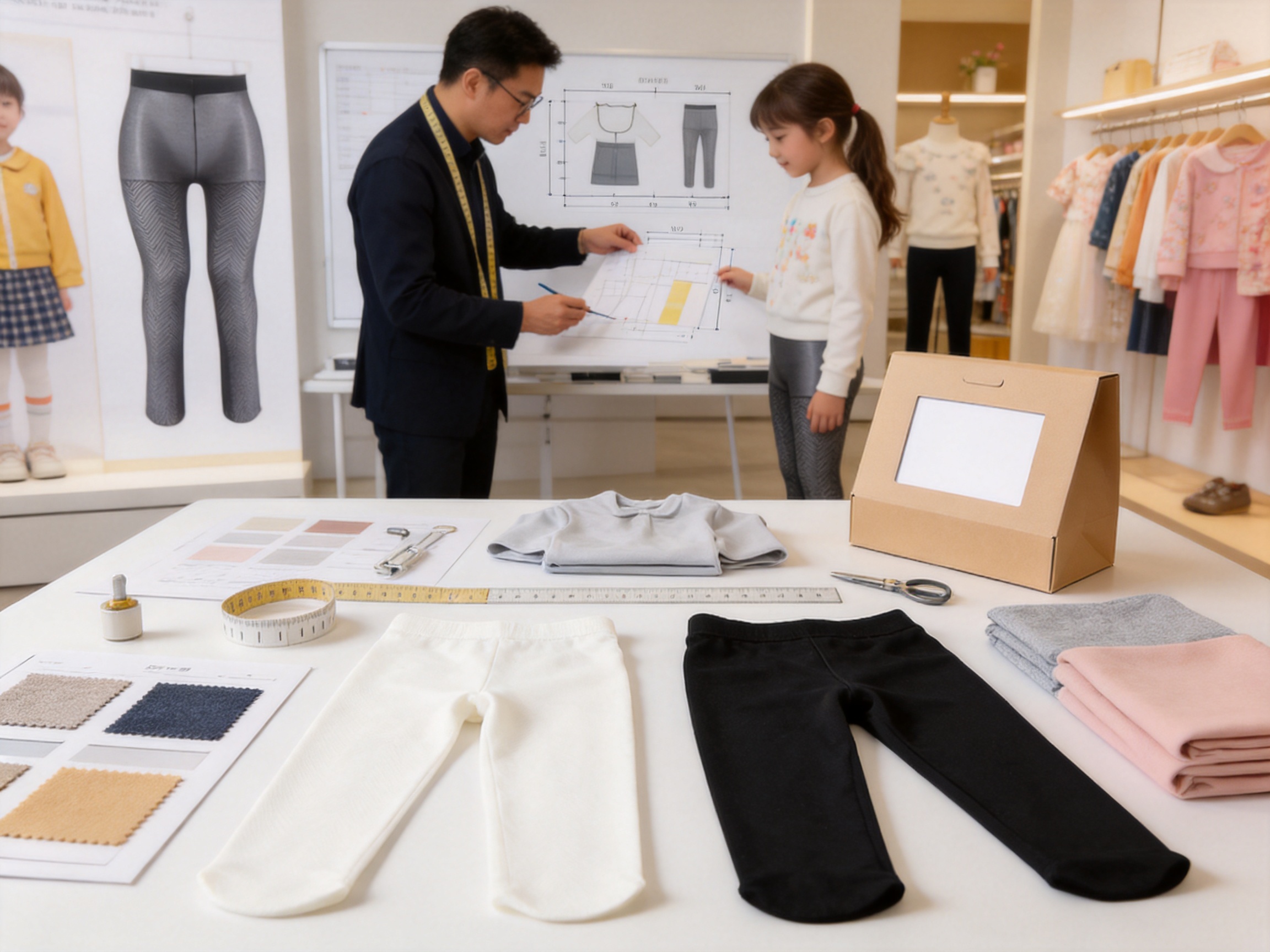
A professional sampling process should include more than one visual review. The sample should be examined on a suitable mannequin or model, stretched through normal wearing positions, washed according to the proposed care instructions, and checked for dimensional change. The pattern should be evaluated after washing as well as before washing.
Once the sample is approved, a sealed reference sample can be retained for production comparison. This helps both the buyer and the manufacturer evaluate bulk goods against an agreed standard. Any changes to yarn, machine settings, color, or finishing should be communicated and approved when they may affect product performance.
Quality control should begin with incoming materials and continue through finished-goods inspection. Since jacquard tights combine stretch, patterning, color, and garment assembly, no single inspection point is sufficient.
| Inspection Area | Typical Evaluation | Importance |
|---|---|---|
| Yarn | Composition, appearance, consistency, and elasticity | Supports stable knitting and predictable fit |
| Pattern | W motif clarity, alignment, spacing, and repeat accuracy | Protects the product’s main design feature |
| Dimensions | Length, waist, hip, foot, and stretch measurements | Helps ensure size consistency |
| Seams | Security, neatness, position, and comfort | Reduces irritation and construction defects |
| Color | Shade consistency and contrast between pattern elements | Maintains collection and batch uniformity |
| Fastness | Resistance to washing, rubbing, and perspiration | Supports lasting appearance during normal use |
| Stretch recovery | Extension and return after repeated stretching | Helps reduce sagging and shape loss |
| Packaging | Labels, quantities, barcodes, and carton information | Prevents logistics and retail handling errors |
Pattern inspection is especially important. A small programming or yarn-feeding issue can cause a repeated defect across many pairs. Automated or visual inspection methods may be used according to the factory’s equipment and quality system. Defect standards should be agreed in advance so that both parties share the same expectations.
Dimensional testing is also essential because tights are designed to stretch. A product can appear acceptable when laid flat but fail to fit correctly when worn. Measurements should therefore be considered in both relaxed and extended states. Buyers should identify which measurements are critical for their target market.
Wash testing can reveal changes that are not visible during initial inspection. The tights may experience shrinkage, color migration, pilling, loss of softness, or reduced stretch recovery. Testing under the proposed care instructions helps determine whether the product meets the intended quality level.
Children’s products require careful attention to safety and regulatory requirements. The specific rules depend on the destination market, fiber composition, dyes, labels, packaging, and age classification. Buyers should confirm all applicable requirements with qualified compliance professionals or testing laboratories.
Materials should be selected with attention to restricted substances and skin-contact considerations. Colorants, finishing agents, and other chemical inputs may need to comply with the regulations of the target country or region. Documentation and testing should be requested where appropriate.
Physical safety also matters. Tights should not contain unnecessary detachable parts that could create a hazard. Loose threads should be removed, seams should be secure, and packaging components should be suitable for the intended age group. Care labels should provide clear washing and drying instructions to help preserve the product and reduce misuse.
It is advisable to establish a compliance checklist before sampling. This checklist can include required fiber labeling, country-of-origin information, flammability standards, chemical testing, packaging warnings, barcode formats, and documentation requirements. Early planning can reduce delays later in the order process.
The W Pattern Jacquard Kids Tights can serve several product applications. In everyday children’s fashion, they can add interest to dresses, skirts, sweaters, and layered outfits. In schoolwear, suitable colors and a moderate pattern scale can provide a decorative alternative to plain tights while maintaining a neat appearance.
For holiday and occasionwear, contrast colors or metallic-look yarn effects may create a more festive presentation, subject to comfort and compliance requirements. For dance, performance, and costume applications, the design can be evaluated for stage visibility, stretch, opacity, and durability.
Children’s fashion brands can also use the product in seasonal capsule collections. A winter range may emphasize warmth and fuller construction, while a spring range may use lighter yarns and softer colors. Retailers may offer multiple colorways under one product family to encourage coordinated purchases.
The product may be appropriate for online retail, department stores, specialty children’s boutiques, uniform suppliers, apparel wholesalers, and private-label programs. Each channel may require a different packaging format and level of product information.
Jacquard tights benefit from photography that shows both the full silhouette and the pattern detail. Online shoppers need to understand the scale of the W motif, the base color, the level of opacity, and the relationship between the pattern and the leg. Product pages should provide accurate size information and clear care instructions.
Retail packaging can emphasize the knitted design and the intended styling direction. A simple package may be appropriate for basic retail programs, while a premium card, sleeve, or recyclable box can support a higher-value collection. The packaging should remain practical and should not create unnecessary waste.
Color naming also affects merchandising. Descriptions such as charcoal, navy, ivory, berry, or soft pink may be more useful than vague names, provided they correspond accurately to the actual shades. Buyers should approve color samples under suitable lighting because screen displays can vary.
For wholesale presentations, a sample set may include the principal colorway, alternative colors, different thicknesses, and packaging examples. This allows buyers to assess the product as part of a complete commercial program rather than as a single isolated sample.
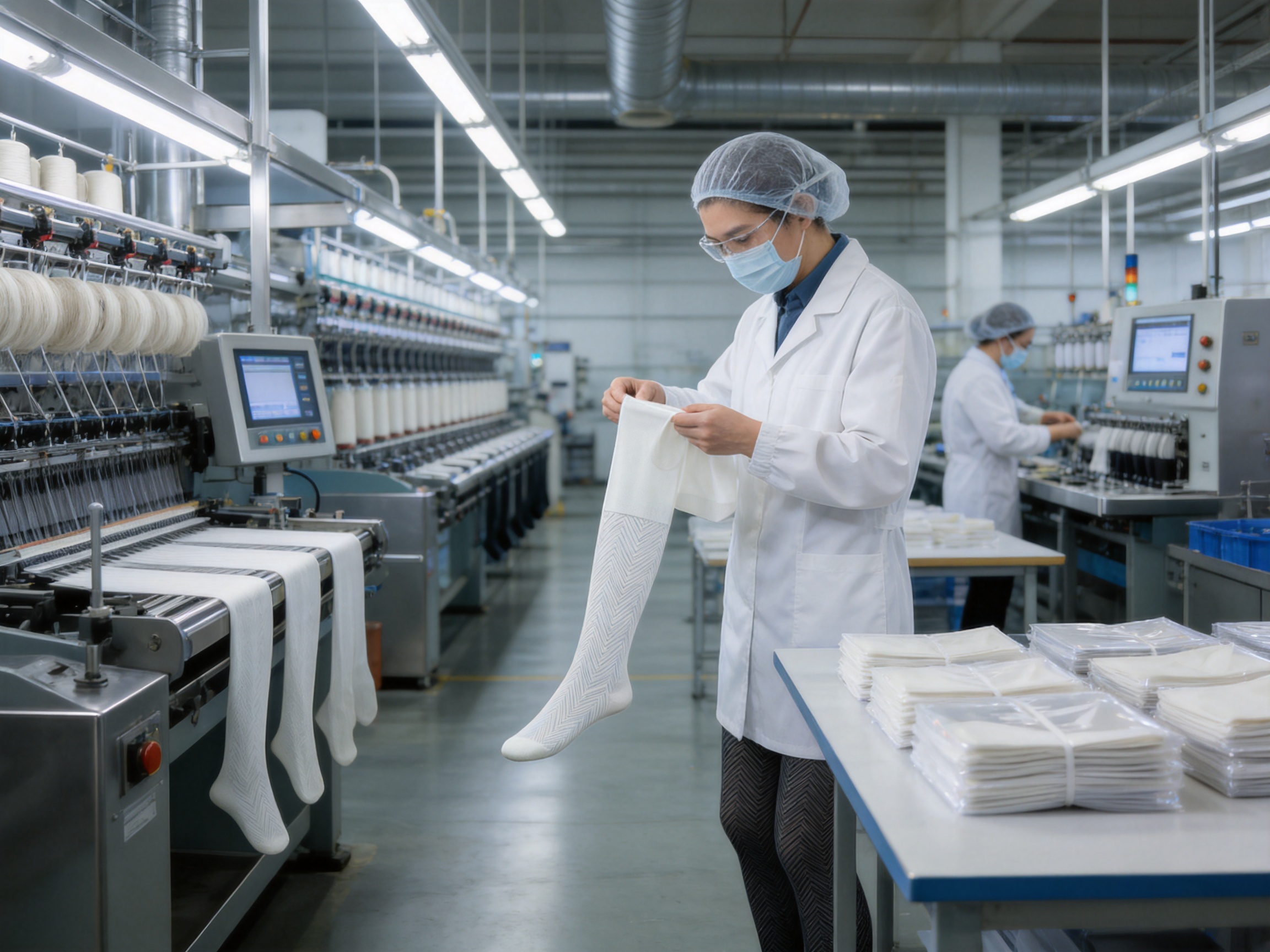
The correct specification depends on the target market rather than on one universal definition of quality. A lightweight pair intended for spring retail will require different characteristics from a thick winter pair intended for outdoor use. Buyers should define the product’s role before finalizing materials and construction.
Seasonal use affects thickness, warmth, opacity, and yarn selection. Lightweight tights may be more comfortable during mild weather and may coordinate well with dresses and short skirts. Warmer tights may use a fuller construction or a brushed interior for cold conditions.
Children’s proportions change as they grow. A design that works well for toddlers may require different dimensions and construction for older children. The waistband, rise, foot length, and leg length should be reviewed for each size group.
Entry-level retail programs may prioritize cost efficiency and simplified packaging, while premium collections may prioritize softness, specialized fibers, distinctive colors, and detailed presentation. The W pattern can support both directions, but the final product must be engineered according to the selected price and quality position.
Parents value products that are easy to wash and maintain. The chosen fiber blend and finishing process should be evaluated for washing stability, drying instructions, pilling resistance, and color retention. Clear care information can improve customer satisfaction and reduce avoidable product damage.
Zhejiang Chenyu Knitting Co., Ltd. was established in 1989 in Dongyang, Zhejiang, China. The company has developed domestic brands identified in the supplied information as Xinyu and CEL, along with foreign trade, e-commerce, and OEM customization departments. This combination suggests experience across brand development, export cooperation, online commerce, and customized manufacturing.
The company describes itself as a high-tech enterprise with a complete pantyhose industry chain in China. Its integrated system covers the production stages from yarn research and development to final packaging. For an OEM customer, this type of structure can offer a single coordinated point of contact for product development and manufacturing.
Vertical integration can support greater control over product consistency. When yarn, knitting, dyeing, finishing, inspection, and packaging are coordinated within one production network, technical changes can be communicated more directly. It may also simplify the investigation of quality issues because the manufacturer can review multiple stages of the process.
Product development is another important strength. The company’s stated production capabilities can support the development of different hosiery categories, including ankle socks, knee highs, hold-ups, garter stockings, tights, other hosiery, and kids tights. This category breadth can help buyers build broader hosiery programs with one manufacturing partner.
Customers evaluating a supplier should still complete their own due diligence. They may request factory information, product samples, quality system details, test reports, production capacity information, and references appropriate to their project. A strong supplier relationship is built through transparent communication and documented performance.
A practical development workflow can make the W Pattern Jacquard Kids Tights project more efficient.
Step one is market definition. The buyer identifies the target customer, season, price range, sales channel, age group, and expected order volume.
Step two is design confirmation. The buyer and manufacturer confirm the W motif, pattern scale, color combinations, thickness, opacity, and overall styling direction.
Step three is material selection. Yarn composition, stretch requirements, softness, warmth, sustainability objectives, and compliance needs are reviewed.
Step four is technical sampling. The factory develops a sample and evaluates the pattern, dimensions, seams, waistband, foot construction, color, and hand feel.
Step five is wear and wash evaluation. The sample is assessed in normal wearing conditions and after care testing. Adjustments are made if the pattern, fit, stretch recovery, or comfort is not satisfactory.
Step six is approval. The buyer confirms the final sample, color standard, size chart, label content, packaging, and inspection requirements.
Step seven is bulk production. The manufacturer organizes yarn preparation, knitting, assembly, dyeing, finishing, shaping, inspection, and packing according to the approved specifications.
Step eight is shipment review. Finished products and shipping cartons are checked against the agreed quality and packing standards before dispatch.
This workflow helps prevent misunderstandings and gives both parties clear decision points. It is particularly useful when the design contains a repeated jacquard pattern because changes made after bulk production begins may be costly or time-consuming.
Proper care can help children’s tights retain their appearance and stretch. The final care instructions must correspond to the actual fiber composition and finishing process, but gentle washing is commonly preferred for fine hosiery. Tights should generally be protected from rough items such as zippers, hooks, and abrasive surfaces.
Parents may improve product life by washing tights inside a suitable laundry bag, avoiding excessive heat, and following the manufacturer’s drying instructions. Strong friction can contribute to pilling, snagging, and surface damage. Careful dressing is also useful because fingernails and jewelry can catch the fabric.
Retailers can communicate care instructions through labels, packaging, and product descriptions. Clear guidance supports customer satisfaction and can reinforce the perception that the product is a considered, quality item.
The W Pattern Jacquard Kids Tights combine a recognizable geometric design with the practical function of children’s hosiery. Their jacquard construction creates an integrated pattern effect that can offer more visual distinction than plain tights and a more refined appearance than basic surface decoration. The product can be adapted through colors, yarns, sizes, thicknesses, packaging, and private-label details to suit different markets.
Comfort, stretch recovery, waistband performance, seam quality, softness, dimensional stability, and colorfastness should remain central to product development. A decorative pattern is valuable only when it works together with reliable fit and wearability. Thorough sampling, wash testing, size evaluation, and inspection are therefore important steps before commercial production.
The manufacturing capabilities described by Zhejiang Chenyu Knitting Co., Ltd. provide a strong foundation for this type of product. The company’s long operating history, hosiery specialization, OEM customization departments, and whole-industry-chain production system can support coordinated development from yarn research through packaging. For buyers seeking a distinctive children’s tights program, the product offers a practical starting point for fashion, seasonal, schoolwear, occasionwear, and private-label collections.
They are children’s tights featuring a W-shaped design knitted into the fabric through a jacquard construction. The pattern is integrated into the hosiery structure rather than applied only as a surface print.
The jacquard pattern provides a distinctive and potentially more premium appearance. It can create visual texture and collection identity while remaining suitable for practical children’s clothing.
Depending on the project, buyers may be able to customize pattern scale, colors, yarns, thickness, sizes, labels, packaging, and other OEM details. Specific customization options should be confirmed during product development.
They can be developed for everyday wear when the selected yarn, thickness, stretch, waistband, seams, and finishing are appropriate for the intended age group and season. Buyers should evaluate samples under normal wearing conditions.
Yes. Lightweight, medium-weight, and warmer constructions may be developed by adjusting yarn selection, fabric density, finishing, and interior treatment. The final specification should match the climate and intended use.
Buyers should confirm the approved sample, size chart, fiber composition, color standards, pattern appearance, stretch recovery, wash performance, packaging, labeling, inspection criteria, and compliance requirements.
An integrated system can coordinate yarn development, knitting, dyeing, finishing, inspection, and packaging through one manufacturing organization. This may simplify communication, support consistency, and make it easier to identify and resolve production issues.
The supplied company information identifies OEM customization as one of its business areas. Buyers can discuss private labels, custom packaging, product specifications, and order requirements directly with the manufacturer.
Size selection should consider height, body measurements, leg length, hip dimensions, and the manufacturer’s size chart. Age labels can be helpful, but children of the same age may have different proportions.
Care instructions should follow the final product label. In general, gentle washing, protection from rough garments, avoidance of unnecessary heat, and careful dressing can help reduce snagging and preserve the tights’ appearance.
Potential buyers include children’s fashion brands, hosiery wholesalers, department stores, specialty boutiques, online retailers, schoolwear suppliers, costume companies, importers, and private-label apparel businesses.
1. Product information supplied for W Pattern Jacquard Kids Tights, including product category, title, image records, and OEM product description.
2. Company information supplied for Zhejiang Chenyu Knitting Co., Ltd., including company history, location, production capabilities, and integrated hosiery manufacturing system.
3. General hosiery product-development principles covering yarn selection, knitting, elasticizing, dyeing, shaping, inspection, and packaging.
4. General children’s apparel quality considerations covering fit, comfort, care labeling, colorfastness, physical safety, and market compliance.
5. General textile sustainability principles concerning responsible material selection, environmental impact reduction, documentation, and verification of sustainability claims.
6. General OEM and private-label manufacturing practices concerning sampling, technical specifications, approval procedures, quality control, and shipment inspection.