
 English
  Español
  Deutsch
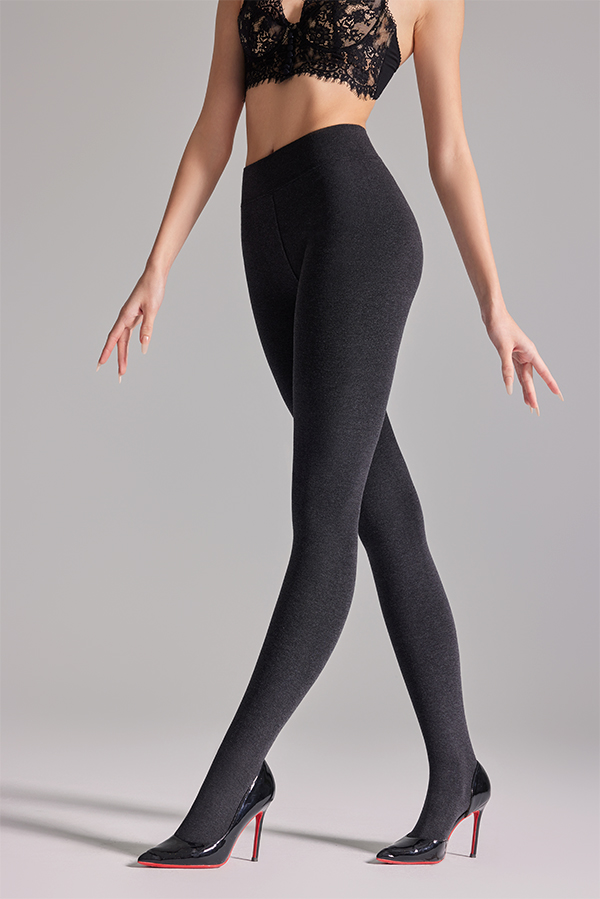
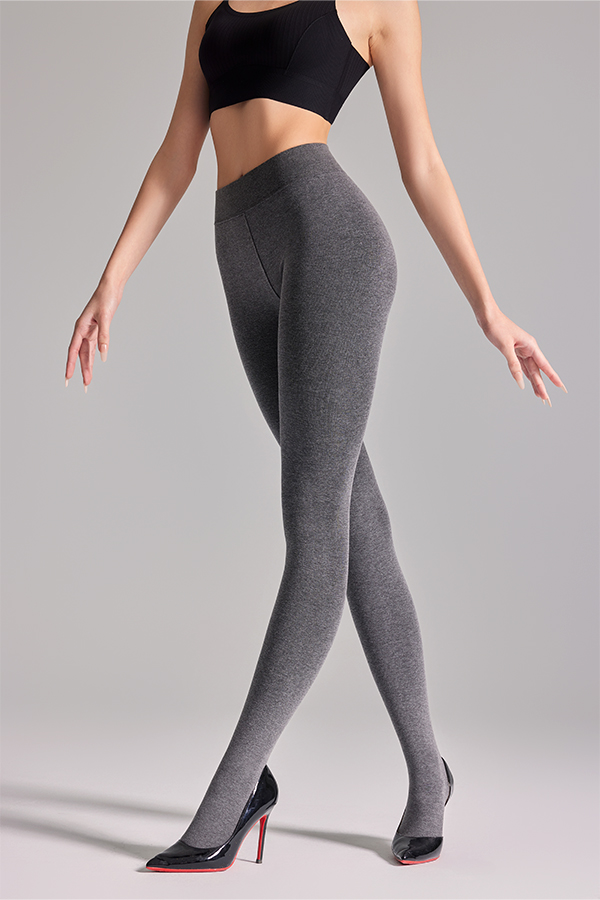
 Expanded panel thermal opaque tights

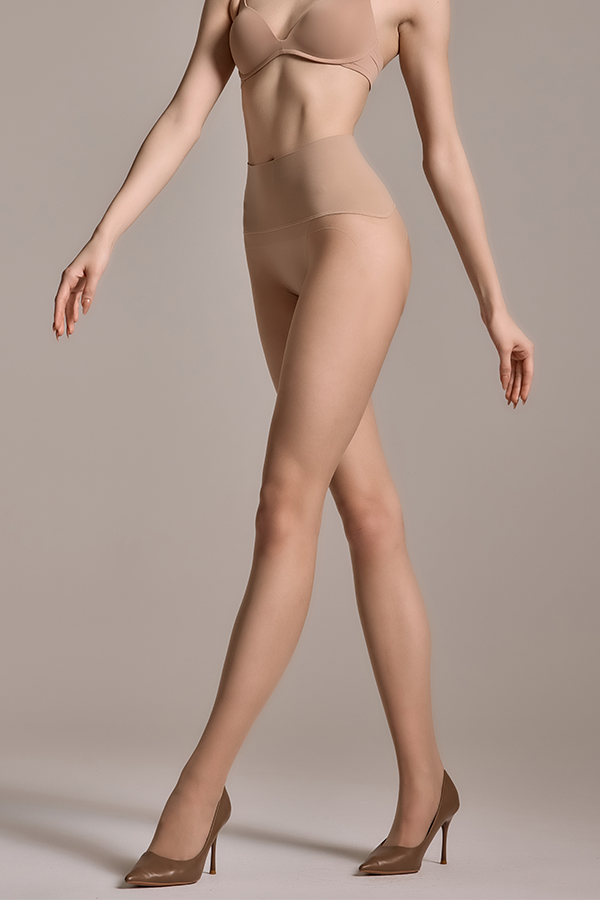
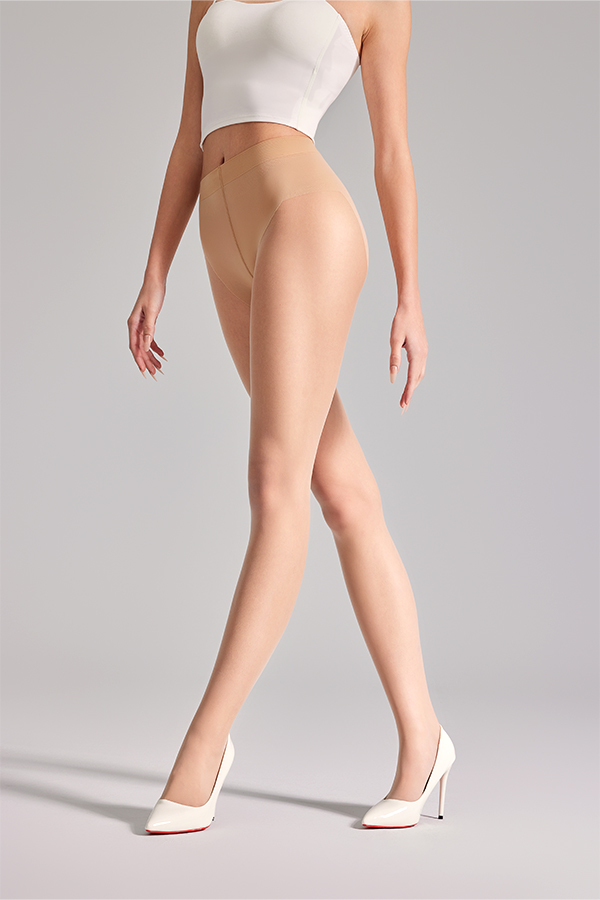
Our provided products
Plus-size hosiery must do more than stretch. It needs to provide dependable coverage, maintain its shape throughout the day, resist premature runs, and remain comfortable across a wide range of body types. The Plus Size Run-Resistant Tights with Cotton Triangle Gusset are designed to address these practical requirements through a combination of flexible construction, reinforced performance, and carefully considered comfort features.
For retailers, fashion brands, uniform suppliers, and private-label customers, the product also represents an opportunity to offer a dependable everyday tight supported by an experienced hosiery manufacturer. The product is identified as WM6000 and belongs to the tights category. It is suitable for collections that require reliable plus-size fitting, soft next-to-skin comfort, and an improved level of resistance to everyday wear.
Unlike ordinary tights that may sacrifice durability for softness or restrict movement in larger sizes, this design focuses on balancing stretch, resilience, and wearability. The cotton triangle gusset is especially important because it contributes to hygiene, comfort, and freedom of movement. The run-resistant construction helps slow the spread of damage if the fabric is snagged, giving the wearer more confidence during work, travel, social occasions, and everyday activities.
This article examines the product’s main advantages, its potential applications, the value of its construction, and the manufacturing capabilities behind it. It also explains why an integrated production system can provide meaningful benefits to buyers seeking consistent quality and professional OEM hosiery development.
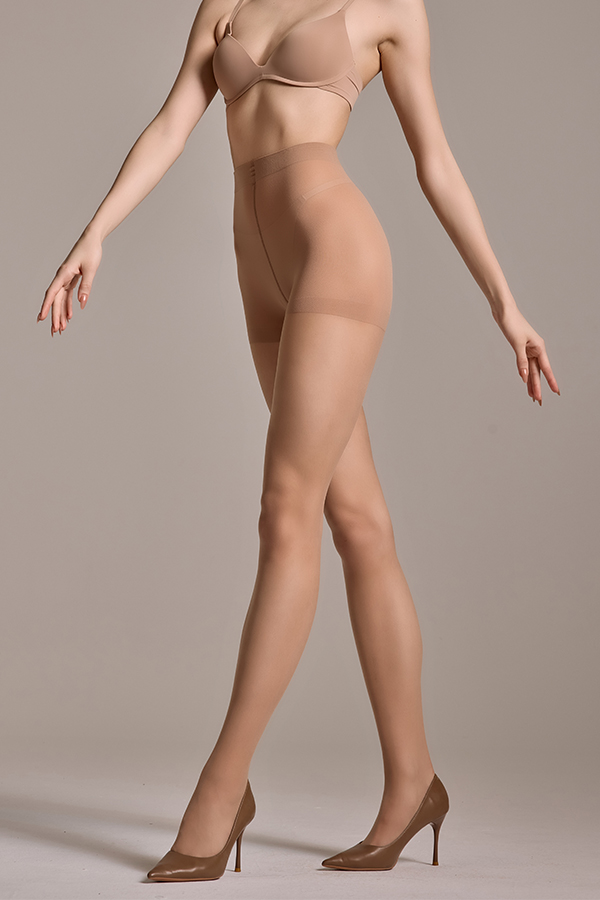
Plus Size Run-resistand Tights with Cotton Triangle Gusset
The Plus Size Run-Resistant Tights with Cotton Triangle Gusset are developed for consumers who need tights that combine a generous fit with practical daily performance. The design is centered on three primary characteristics: plus-size adaptability, run-resistant construction, and a cotton triangle gusset.
Plus-size tights are expected to accommodate more movement and a broader range of body proportions than standard-size hosiery. This requires suitable yarn selection, controlled knitting, stable elastic performance, and accurate shaping. A successful plus-size product should not simply be a larger version of a regular tight. It should be engineered to remain comfortable at the waist, hips, thighs, and seat while reducing excessive pressure and minimizing the risk of slipping or rolling.
The WM6000 design addresses these expectations with a construction intended for improved flexibility and everyday stability. A well-balanced stretch structure can help the tights follow the wearer’s movements without creating excessive tension at high-stress areas. This is important when the wearer is sitting, walking, climbing stairs, commuting, or remaining active for extended periods.
The cotton triangle gusset adds a dedicated comfort panel to the central construction. Cotton is widely valued in intimate apparel because it offers a soft hand feel and breathable contact with the skin. In a tights design, a cotton gusset can support a more comfortable wearing experience and reduce the need for an additional undergarment in some situations, depending on the wearer’s preference and the product specification.
Run resistance is another practical advantage. Hosiery is vulnerable to snags from jewelry, furniture, footwear, bags, and rough surfaces. Although no knitted garment can be completely immune to damage, a run-resistant structure can help limit the progression of a small snag. This can extend the useful life of the product and reduce the frustration associated with quickly developing ladders.
Comfort begins with proportion. A plus-size tight should provide sufficient room through the body without becoming excessively loose in the lower leg. The fit must support the wearer while maintaining the visual appearance expected from hosiery. This requires attention to the relationship between waist width, hip capacity, thigh circumference, rise length, and leg shaping.
The WM6000 product is positioned as a dedicated plus-size design rather than a basic standard-size product expanded without sufficient adjustment. Its construction can be developed to provide more room where the wearer needs it while retaining an appropriately close fit through the legs. This balance helps prevent common problems such as a waistband that digs into the body, a gusset that feels restrictive, or fabric that becomes overstretched across the hips.
Stretch is valuable only when it is controlled. Excessive stretch may create a thin appearance, uneven color, or a tendency to lose shape. Insufficient stretch can restrict movement and place unnecessary stress on the knitted loops. A professional hosiery manufacturing process must therefore coordinate yarn characteristics, machine settings, knitting density, and finishing conditions to achieve consistent elasticity.
Run resistance is an important purchasing factor for consumers who want better value from everyday hosiery. A run begins when knitted loops are broken or displaced. If the structure allows the damage to travel quickly, a small snag can become a visible ladder within a short time. A run-resistant construction is intended to slow this process and reduce the likelihood that isolated damage will immediately compromise the entire leg.
For wearers, this means increased confidence during daily use. For retailers and brands, it can support a product positioning based on durability and value. A tight that remains presentable for longer may encourage repeat purchases and positive customer feedback. It can also be a practical option for workwear programs, hospitality uniforms, performance costumes, and other situations in which consistent appearance matters.
Run resistance should be understood as a performance feature rather than an absolute guarantee. Careful handling remains important, and the final level of resistance depends on yarn selection, knitting structure, finishing, product thickness, and testing conditions. Nevertheless, a purpose-designed run-resistant product can provide a meaningful advantage over basic fashion tights that are optimized mainly for appearance.
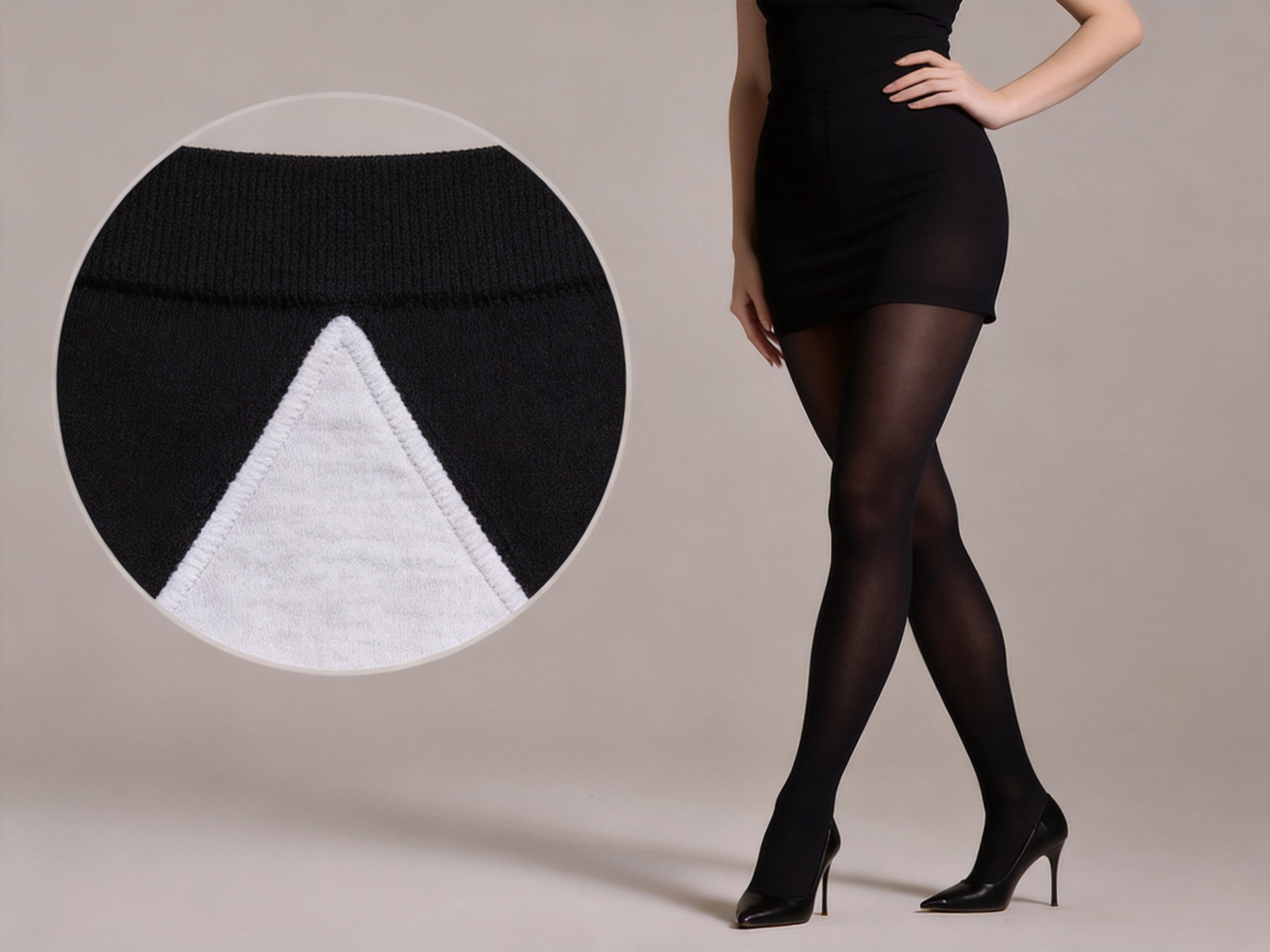
The cotton triangle gusset is one of the product’s most distinctive comfort features. Located in the central area of the tights, the gusset helps create additional room and can reduce stress on the surrounding fabric. Its triangular form supports a smoother transition between the front, back, and leg sections of the garment.
Cotton is often selected for gussets because of its soft touch and familiar skin comfort. It can contribute to a more breathable-feeling contact layer and may be especially appreciated during long periods of wear. The gusset also helps reinforce a high-movement area, supporting the overall durability of the garment.
For plus-size customers, gusset design can be particularly important. The garment must accommodate a broader range of movement and body volume without causing uncomfortable tension. A properly integrated gusset can improve mobility while helping the tights sit more naturally against the body.
The product can serve multiple wardrobe and commercial purposes. It may be offered as an everyday basic, a workwear essential, a seasonal layering item, or part of a broader plus-size hosiery collection. Its neutral functional design makes it suitable for pairing with skirts, dresses, tunics, long shirts, and selected formal outfits.
Retailers can position the tights for consumers seeking dependable coverage and comfort. Fashion brands can use the construction as a foundation for private-label programs, potentially adding custom colors, deniers, packaging, size ranges, or branding elements according to their market requirements. Uniform suppliers may also find value in a product that prioritizes repeatable sizing and durable daily wear.
Tights are highly engineered knitted garments. Their appearance may seem simple, but the product must perform under repeated stretching, friction, washing, and movement. Small variations in yarn quality, loop formation, seam alignment, or finishing can affect comfort and service life.
The main body of the tights must stretch in multiple directions while preserving recovery. The waistband must remain secure without excessive pressure. The toe area must be comfortable inside footwear. The gusset must be correctly positioned and securely joined. The leg fabric must maintain a uniform appearance and avoid unwanted distortion.
These requirements are more demanding in plus-size products because the garment may experience greater extension across the hips, seat, and thighs. If the structure is not properly balanced, the fabric may become overly sheer, the waistband may roll, or the garment may gradually lose its original shape. Manufacturing expertise is therefore essential to achieving a reliable result.
A professional producer can evaluate the product at multiple stages rather than relying only on final inspection. Yarn characteristics can be monitored before knitting. Machine settings can be adjusted during production. Semi-finished components can be checked before assembly. Dyeing and finishing can be controlled to reduce shade variation and dimensional instability. Final inspection can identify defects before packing.
The manufacturer behind the product is Zhejiang Chenyu Knitting Co., Ltd., founded in 1989 and located in Dongyang, Zhejiang, China. The company has developed a one-stop production system covering a broad range of hosiery processes. This integrated structure is an important advantage for customers seeking OEM and private-label development.
The stated production chain includes yarn research and development, spinning, elasticizing, yarn wrapping, greige weaving, piecing, dyeing, roughening, shaping, full inspection, and packaging. By bringing these stages into a coordinated manufacturing system, the company can manage more of the product journey internally and improve communication between technical departments.
A complete production chain can reduce the risks associated with fragmented sourcing. When different suppliers are responsible for yarn, knitting, dyeing, finishing, and packaging, changes in one stage may not be communicated effectively to the next. An integrated manufacturer is better positioned to trace problems, coordinate adjustments, and maintain continuity from raw material development to finished goods.
Yarn is the foundation of hosiery performance. Its fineness, elasticity, strength, softness, covering behavior, and dye affinity all influence the final garment. For a run-resistant plus-size tight, yarn selection must support both flexibility and structural stability.
Yarn research and development allows the manufacturer to evaluate different material combinations and technical requirements before large-scale production. The goal may be to achieve a particular hand feel, opacity, stretch recovery, surface appearance, or resistance to damage. Yarn development can also support customization for different markets, seasons, and price levels.
For buyers, access to in-house or closely coordinated yarn development can make product refinement more efficient. Instead of selecting only from a fixed catalog, the customer may be able to discuss the intended market position and work with the manufacturer on a more suitable specification.
Spinning transforms fibers into yarns with controlled linear density and cohesion. Consistency during this stage is important because irregular yarn can produce variations in fabric appearance, thickness, and strength. A controlled spinning process supports more stable knitting performance and a more uniform finished product.
Elasticizing adds stretch capability to the yarn system. Hosiery relies on elastic behavior to fit the body, recover after movement, and maintain a secure position. In a plus-size product, elasticizing must be carefully coordinated with the intended size range and garment dimensions.
Too little elasticity may result in poor fit and sagging. Too much tension may create discomfort or excessive compression. Professional control of elasticizing helps establish the balance required for a wearable and durable tight.
Yarn wrapping can be used to combine or cover elastic components with textile yarns. This process influences the yarn’s surface, handling properties, appearance, and interaction with knitting equipment. A well-managed wrapped yarn can support a smoother fabric surface and more stable performance.
In tights, the relationship between covered elastic yarn and the main textile yarn is especially important. It affects stretch, recovery, opacity, softness, and resistance to deformation. Consistent wrapping helps limit variations that may otherwise appear as streaks, uneven tension, or inconsistent fit.
The greige stage refers to the fabric or knitted product before dyeing and final finishing. At this point, the manufacturer can evaluate construction, density, loop formation, dimensions, and preliminary appearance. Early inspection makes it possible to identify technical issues before the product moves into later, more costly stages.
For the WM6000 design, the greige construction must support the intended plus-size dimensions and run-resistant performance. The fabric should stretch evenly and maintain a consistent surface. Careful preparation at this stage contributes to improved dye uptake, more predictable shaping, and better final appearance.
Piecing joins the major components of the tights, including the body, legs, and gusset area. Assembly quality affects comfort, durability, and appearance. Poorly aligned or bulky seams may cause irritation, while insufficiently secure joining can create weak points during wear.
The cotton triangle gusset requires accurate placement and reliable attachment. Its shape must work with the surrounding panels so that it supports movement rather than creating tension. A professional assembly process can maintain repeatable positioning across production batches and size ranges.
Dyeing gives the tights their final color and visual character. Hosiery dyeing requires attention to shade consistency, penetration, color fastness, and compatibility with the fiber composition. In a plus-size product, maintaining an even color appearance across larger fabric areas is particularly important.
Color consistency is essential for commercial customers. Retailers need different production batches to remain visually compatible, while fashion brands may require precise adherence to approved samples. Controlled dyeing procedures and appropriate quality checks help reduce undesirable shade differences.
Roughening may be used to create a softer, warmer, or more comfortable interior surface, depending on the product specification. The treatment must be balanced carefully. An overly aggressive process may weaken the fabric or alter its appearance, while insufficient treatment may not deliver the desired hand feel.
When suitable for the product, controlled surface treatment can improve the tactile experience and make the tights more appealing for extended wear. It may also support seasonal positioning, particularly when customers seek additional softness or warmth.
Shaping is a critical stage for achieving dimensional stability and a consistent fit. The tights are formed according to the intended size and silhouette, allowing the knitted structure to settle into its finished configuration. Proper shaping can improve the relationship between the waist, hips, thighs, knees, and lower legs.
Plus-size shaping must be approached with particular care because the garment includes greater body volume and may require different proportions from standard sizes. Consistent shaping helps ensure that the finished tights are easier to put on, more comfortable during movement, and less likely to develop excessive distortion.
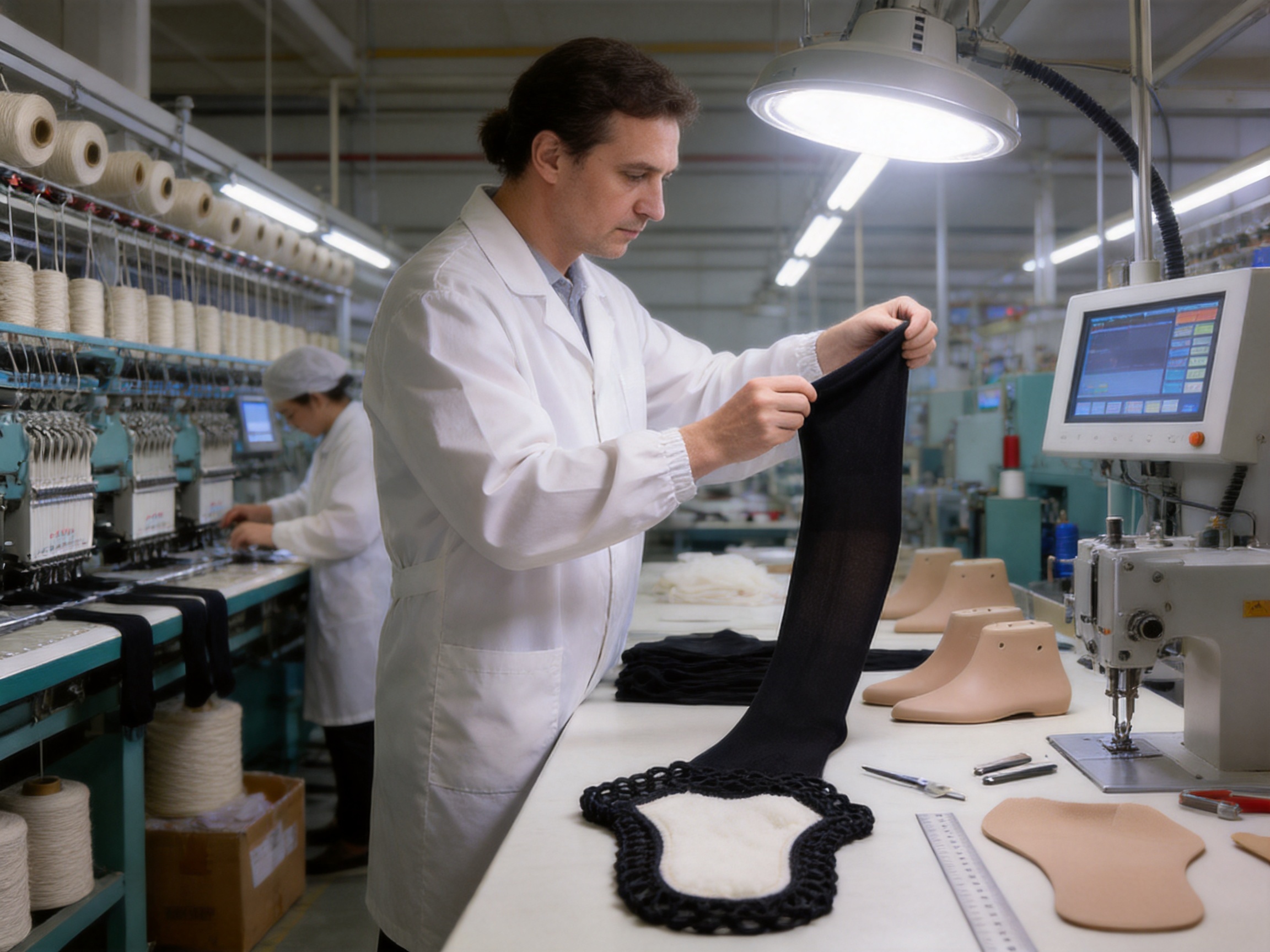
The company describes a full inspection system as part of its production capabilities. Full inspection is valuable in hosiery because defects can be difficult to identify once products are packed or distributed. A systematic inspection process can screen for fabric marks, broken yarns, holes, uneven dyeing, seam problems, size inconsistencies, and packaging errors.
Quality control begins with incoming materials. Yarns, elastic components, cotton gusset fabrics, labels, and packaging materials should be checked against approved specifications. Material records can help support traceability and reduce the possibility of unapproved substitutions.
During knitting and assembly, process checks can examine fabric density, loop integrity, dimensions, seam quality, and component placement. These checks are particularly important for run-resistant tights because the product’s main value proposition depends on structural reliability.
After dyeing and finishing, the product can be evaluated for color, hand feel, stretch, recovery, appearance, and dimensional stability. The final inspection stage provides another opportunity to verify that the finished item matches the approved sample and commercial requirements.
For OEM customers, a strong quality system supports more than defect reduction. It also improves confidence in repeat orders. A successful initial sample must be followed by consistent bulk production. Documented specifications, controlled processes, and inspection records can help maintain continuity as order quantities increase.
The WM6000 product can serve as a foundation for customized hosiery programs. OEM buyers may require different sizes, colors, deniers, packaging formats, labels, cartons, or market-specific compliance documentation. An experienced manufacturer with an integrated production chain is better equipped to coordinate these requirements.
Product development begins with a clear specification. Buyers may define the target consumer, intended use, desired level of coverage, preferred hand feel, size range, color palette, packaging style, and price position. The manufacturer can then assess the construction and recommend adjustments where necessary.
Sample development is an important stage. A sample allows the buyer to review fit, softness, opacity, gusset placement, waistband comfort, seam appearance, and overall presentation. For plus-size tights, fitting should be evaluated across the complete size range rather than only one sample size.
Once the specification is approved, production controls can be aligned with the agreed standard. This may include yarn approval, color lab dips, size tolerances, packaging approval, inspection requirements, and shipment documentation. Clear communication at this stage reduces misunderstandings and helps protect the final retail experience.
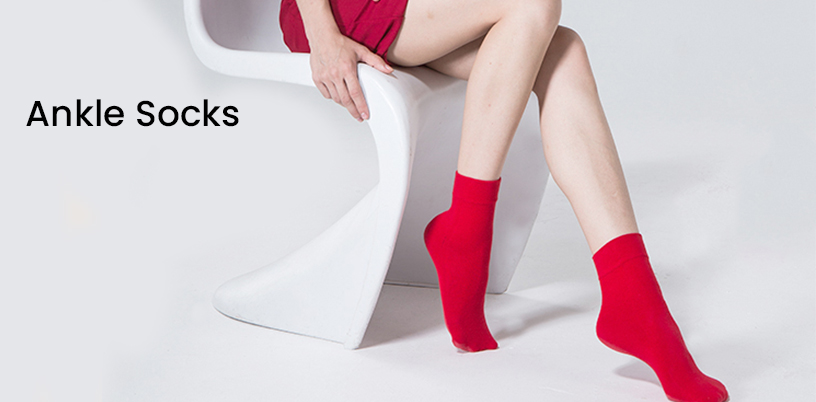
Private-label customers can also use the product as part of a coordinated collection. The tights may be paired with ankle socks, knee highs, hold-ups, garter stockings, other hosiery products, and kids’ tights. A manufacturer with broad category experience can help buyers develop a more unified product range.
The hosiery market includes basic tights, fashion tights, support styles, thermal products, sheer products, and specialized plus-size designs. The WM6000 product can distinguish itself by combining several practical benefits in one garment rather than focusing on only one feature.
Some products compete primarily on low price. Others emphasize color, pattern, or seasonal fashion. A run-resistant plus-size tight with a cotton gusset occupies a more functional position. It is intended for customers who value comfort and durability as much as appearance.
The product’s competitive advantages can be summarized as follows:
| Product characteristic | Consumer benefit | Commercial value |
|---|---|---|
| Plus-size construction | Improved room and comfort for fuller proportions | Supports inclusive sizing and broader market reach |
| Run-resistant design | Helps slow the spread of damage from minor snags | Supports durability-focused product positioning |
| Cotton triangle gusset | Soft, comfortable contact and improved movement | Adds a recognizable functional feature |
| Integrated production chain | More consistent product development and quality control | Supports OEM reliability and repeat production |
| Full inspection and packaging | Improves confidence in the finished product | Helps reduce avoidable defects and presentation issues |
These advantages are particularly relevant in markets where customers are becoming more selective about fit and long-term value. Inclusive sizing is no longer limited to adding larger dimensions. Consumers increasingly expect plus-size garments to be designed with appropriate proportions, comfort, and performance in mind.
A product that meets these expectations may help brands build stronger relationships with customers. When tights fit comfortably, remain attractive after repeated wear, and provide practical protection against runs, customers are more likely to regard the product as a worthwhile wardrobe essential rather than a disposable accessory.
For everyday fashion, the tights can provide a smooth foundation under dresses and skirts. The plus-size construction gives consumers an option that is designed around fuller body proportions, while the run-resistant feature supports more dependable wear during ordinary activities.
Work environments often require a neat and consistent appearance. Office workers, hospitality employees, sales staff, and service professionals may wear tights for extended periods. Comfort, stability, and resistance to premature damage are therefore valuable. A cotton gusset can contribute to long-wear comfort, while run resistance may reduce the likelihood of an unexpected wardrobe problem.
Travel involves prolonged sitting, walking, changing temperatures, and exposure to luggage or surrounding surfaces. Tights with a comfortable plus-size fit can make movement easier, while durable construction can provide practical reassurance during journeys.
Formal occasions, celebrations, performances, and social events often require coordinated styling. A dependable tight can complete an outfit while helping the wearer feel comfortable for several hours. Private-label brands may offer the product in different shades to match seasonal apparel and eventwear collections.
Uniform programs place emphasis on consistency, repeat availability, and practical wear. A manufacturer capable of maintaining stable specifications can support recurring orders for organizations that require multiple sizes and predictable color standards.
Consumers should select a size based on the manufacturer’s measurement chart rather than relying only on a familiar clothing size. Height, hip measurement, waist measurement, and body shape can all influence the best fit. Plus-size products may include several size options to accommodate different proportions.
The tights should be put on gradually and evenly. Gathering the leg fabric before pulling it over the foot can reduce unnecessary stress on individual sections. The garment should then be eased upward over the calf, knee, thigh, and hips. Pulling sharply from the waistband may place excessive strain on the knitted structure.
Comfort also depends on the relationship between the tights and the rest of the outfit. Appropriate underwear, correctly fitted footwear, and smooth garment layers can reduce friction. If the waistband rolls or the gusset feels misplaced, the wearer should confirm that the selected size and garment orientation are correct.
Because the product is designed for plus-size users, comfort should be evaluated while sitting and moving, not only while standing. A good fit should allow ordinary activities without severe tightness, bunching, or repeated adjustment.
Proper care can help preserve the appearance and performance of hosiery. Consumers should follow the care instructions supplied with the final product specification. In general, gentle washing, moderate water temperature, and avoidance of harsh treatment are common recommendations for delicate knitted garments.
Hand washing or using a protective laundry bag can reduce contact with zippers, hooks, rough fabrics, and other items that may cause snags. Strong bleaching agents and excessive heat may affect color, elastic recovery, and fiber performance. Tights should be dried carefully and kept away from sharp objects during storage.
Retail packaging can also contribute to product protection. A well-designed package helps prevent snagging before purchase and communicates the product’s size, features, care guidance, and brand identity. For OEM customers, packaging can be customized to support a clear market position and improve shelf presentation.
The company’s stated development direction includes the adoption of sustainable fabrics to reduce environmental impact and contribute to a greener future. Sustainability in hosiery can involve several areas, including material selection, energy management, waste reduction, production efficiency, packaging choices, and product longevity.
A durable product can support sustainability by reducing the need for frequent replacement. If run-resistant tights remain usable for longer, the consumption of raw materials and packaging associated with replacement purchases may be reduced. Durability should therefore be considered not only as a commercial advantage but also as one part of a more responsible product lifecycle.
Material choices should be evaluated according to the intended performance, care requirements, and end-use conditions. Sustainable fabrics may be incorporated where they can meet the technical needs of stretch, recovery, softness, and color performance. For OEM projects, buyers can discuss preferred material options and sustainability objectives during the development stage.
Production integration may also improve resource management. Coordinating yarn development, knitting, dyeing, finishing, inspection, and packaging can reduce unnecessary transportation between suppliers and support more efficient planning. The exact environmental benefit depends on factory practices, energy sources, process controls, and verified performance data, but integrated manufacturing provides a framework for more coordinated improvement.
The WM6000 construction can provide a starting point for future product variations. Depending on market needs, buyers may consider different fabric weights, levels of transparency, seasonal warmth, colors, or surface finishes. The central principles of plus-size fit, run resistance, and gusset comfort can remain while the visual and functional details evolve.
Potential collection extensions may include lighter options for warmer seasons, more opaque styles for professional clothing, soft-brushed versions for cooler weather, and fashion colors for seasonal campaigns. Buyers may also request expanded size ranges or alternative waistband treatments to address specific customer preferences.
Technical development should always begin with the intended use. A sheer fashion tight may require different yarn and knitting settings from an opaque workwear style. A winter design may prioritize warmth and surface softness, while a travel product may emphasize durability and recovery. By defining the end-use clearly, the manufacturer can select more appropriate materials and processes.
Sampling and wear evaluation are valuable before bulk production. Test users can provide feedback on waistband comfort, leg length, gusset position, opacity, stretch recovery, and resistance to snagging. These observations can be combined with factory inspection and laboratory testing to refine the specification.
How a product is presented can influence consumer understanding. Packaging should communicate the key features without making unsupported claims. Clear wording such as “plus-size fit,” “run-resistant construction,” and “cotton triangle gusset” can help shoppers quickly identify the product’s purpose.
Size information should be easy to find and based on accurate measurements. Product photography should show the garment clearly and represent the intended fit. Retail descriptions can explain that run resistance helps reduce the spread of damage but does not make the tights completely snag-proof.
Brands may also communicate the product’s manufacturing story. An experienced manufacturer with a long history, a broad production chain, and full inspection capabilities can provide useful background for buyers who value quality and responsible sourcing. However, all product and sustainability statements should be supported by accurate factory information and relevant documentation.
For e-commerce, the product page should include fabric composition, available sizes, color options, care instructions, gusset details, and usage guidance. Customers benefit from knowing how to put on and care for tights correctly, especially when purchasing a plus-size product online.
Zhejiang Chenyu Knitting Co., Ltd. has operated since 1989 and has developed experience across domestic brands, foreign trade, e-commerce, and OEM customization. This combination gives the company exposure to different market expectations and product development requirements.
The company has established two domestic brands, Xinyu and CEL, while also maintaining foreign trade and customization departments. Brand development can strengthen understanding of consumer preferences, product presentation, and market positioning. OEM experience, meanwhile, supports the practical requirements of customer specifications, sampling, production scheduling, and private-label packaging.
The one-stop industry-chain model is a major operational strength. It covers the stages from yarn research and development through packaging, allowing the company to coordinate technical decisions throughout the complete manufacturing process. This can be especially valuable for complex products that depend on the relationship between yarn behavior, knitting structure, dyeing, shaping, and final inspection.
The company describes itself as a high-tech enterprise with a complete pantyhose industry chain in China. For buyers, the practical meaning of this capability is the potential for more efficient development, improved traceability, and better consistency between approved samples and bulk production.
The company’s location in Dongyang, Zhejiang, places it within an established textile and manufacturing region. Access to an experienced industrial environment can support production coordination, technical labor, material sourcing, and export-oriented operations.
Buyers considering the WM6000 product should begin by defining their target customer and sales channel. A product intended for mass retail may require different packaging and pricing from one intended for a premium boutique or professional uniform program.
The next step is to confirm the technical specification. Important points include size range, measurements, denier or thickness, composition, color standards, waistband style, gusset material, toe construction, packaging, labeling, and inspection requirements.
Sample evaluation should include both visual and practical review. The buyer should inspect the tights on a suitable fit model or mannequin, preferably across several sizes. The evaluation should consider whether the garment is easy to put on, stays in place, remains comfortable while sitting, and presents an even appearance across the legs.
Wear testing can provide additional information. Testers may record the garment’s behavior after repeated use and washing, including stretch recovery, waistband stability, pilling, color retention, seam comfort, and resistance to runs. Results should be interpreted according to the agreed product specification and test conditions.
Before placing a bulk order, the buyer should approve a final reference sample and packaging sample. Clear records of these approvals help both parties maintain consistency. For repeat orders, the same reference information can be used to compare production quality and address any variation promptly.
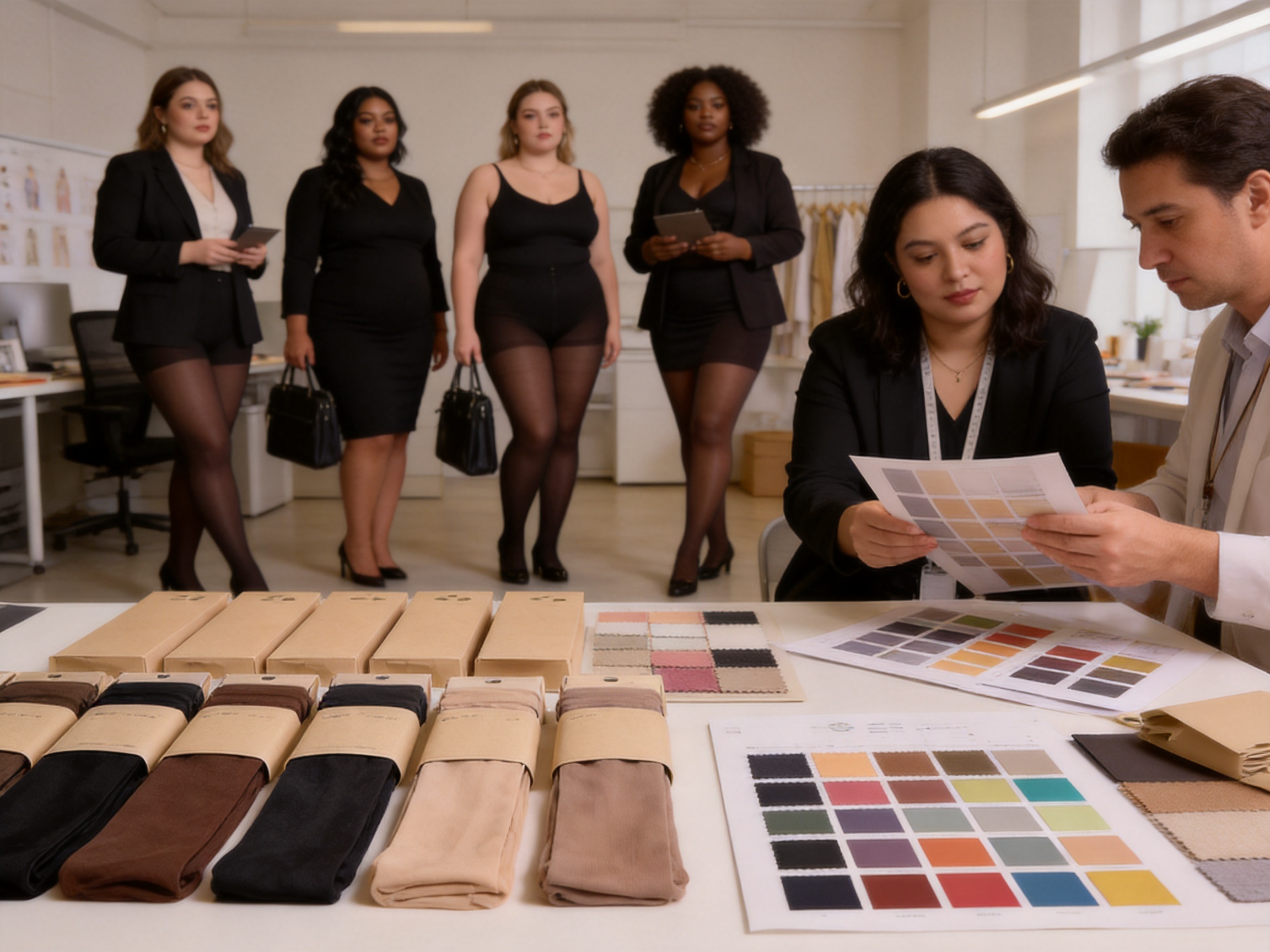
The tights are designed to provide a comfortable, flexible, and durable hosiery option for fuller body proportions. Their primary features are a plus-size construction, run-resistant performance, and a cotton triangle gusset.
Run-resistant means that the knitted structure is designed to help slow the spread of damage caused by a snag or broken loop. It does not mean that the tights are completely immune to ladders, holes, or other damage. Careful handling remains important.
A cotton triangle gusset can provide a softer skin-contact area, support comfort, improve movement, and reinforce the central part of the garment. It is especially useful in a plus-size design where additional room and flexibility may be important.
The combination of a plus-size fit, cotton gusset, and run-resistant construction is intended to support everyday and extended wear. The final comfort experience depends on correct sizing, personal preference, garment care, and the specific production specification.
The manufacturer provides OEM customization services. Buyers can discuss requirements such as sizes, colors, packaging, labels, materials, thickness, and other product details during development. Customization should be confirmed through approved samples and written specifications.
Color options can be discussed as part of the OEM development process. Buyers should provide or approve color standards and confirm the required shade tolerance before bulk production.
The wearer should remove sharp jewelry, gather each leg of the tights, place the foot carefully into the toe section, and gradually ease the fabric upward. Pulling the garment sharply from the waistband or fingertips can increase the risk of damage.
Care instructions supplied with the final product should always be followed. Gentle washing, protection from rough items, avoidance of excessive heat, and careful drying are generally helpful for maintaining hosiery performance.
Buyers should review fit, waist comfort, hip and thigh room, leg length, gusset placement, surface appearance, opacity, stretch recovery, seam quality, color, packaging, and labeling. Wear testing can provide additional evidence of practical performance.
An integrated chain allows more stages of manufacturing to be coordinated by one experienced producer. It can improve communication between yarn development, knitting, assembly, dyeing, shaping, inspection, and packaging, supporting more consistent product quality and efficient OEM development.
The Plus Size Run-Resistant Tights with Cotton Triangle Gusset are designed around the needs of consumers who want more than basic coverage. The product combines a fuller-fit construction with run-resistant performance and a cotton gusset intended to improve comfort and movement. These features create a practical foundation for everyday fashion, professional clothing, travel, special occasions, and uniform supply.
Its value is strengthened by the manufacturing capabilities behind it. Since its founding in 1989, Zhejiang Chenyu Knitting Co., Ltd. has developed a broad hosiery production system covering yarn research and development, spinning, elasticizing, yarn wrapping, greige production, piecing, dyeing, roughening, shaping, full inspection, and packaging.
For OEM and private-label buyers, this one-stop structure can simplify communication and support greater consistency from initial concept to finished product. It also creates opportunities to develop related sizes, colors, weights, finishes, and packaging formats for different markets.
In a competitive hosiery industry, a well-designed plus-size tight should deliver a balanced combination of fit, resilience, comfort, and reliable manufacturing. The WM6000 product is positioned to meet these expectations while giving brands and retailers a functional product platform that can be adapted to their own collections and customer requirements.
1. Product specification provided for the Plus Size Run-Resistant Tights with Cotton Triangle Gusset, product code WM6000.
2. Company information provided for Zhejiang Chenyu Knitting Co., Ltd., including its founding history, production capabilities, brands, and OEM services.
3. General hosiery manufacturing principles concerning yarn preparation, elasticizing, knitting, assembly, dyeing, shaping, inspection, and packaging.
4. General textile product development practices for size grading, fit evaluation, wear testing, quality control, and private-label production.
5. General apparel care principles for delicate knitted garments, including gentle washing, snag prevention, drying, and storage.