
 English
  Español
  Deutsch
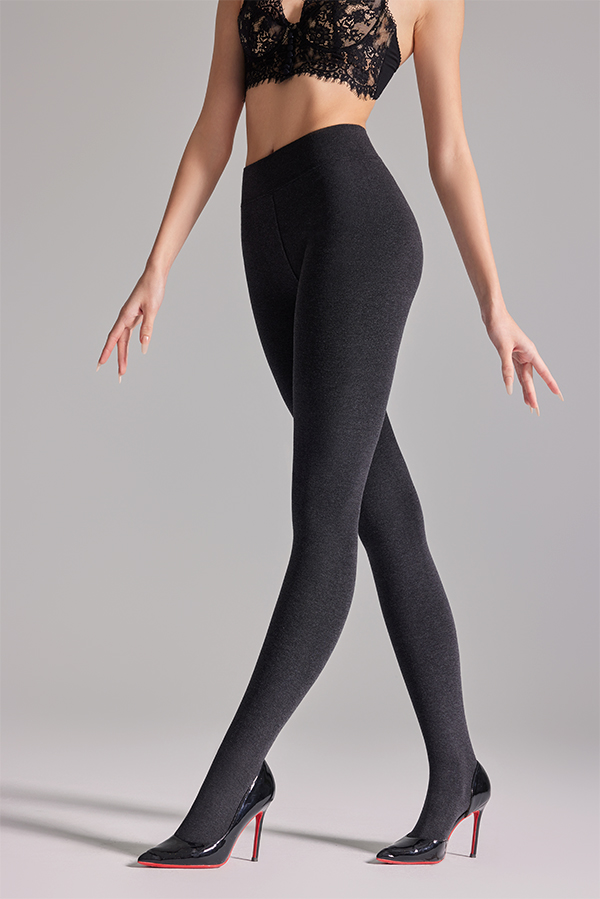
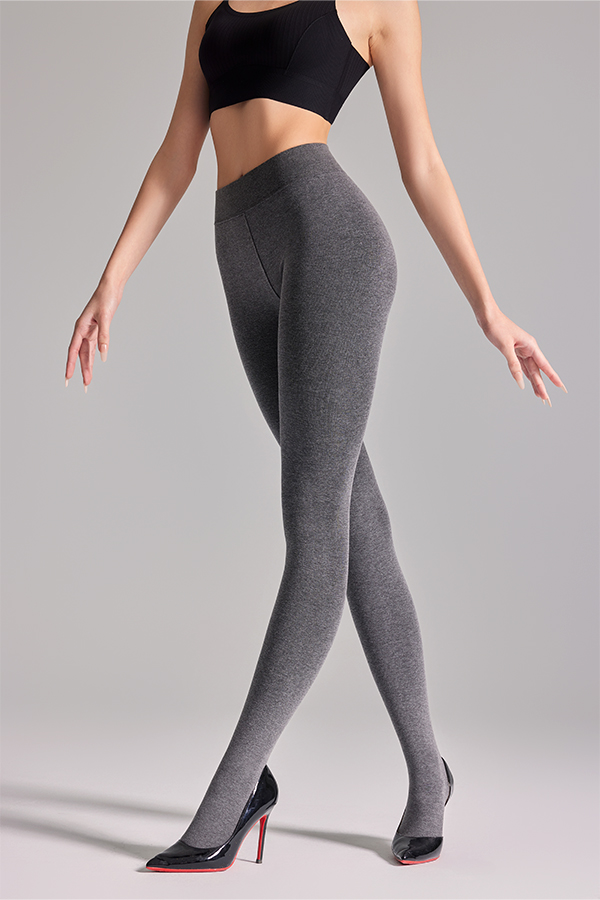
 Expanded panel thermal opaque tights

Our provided products
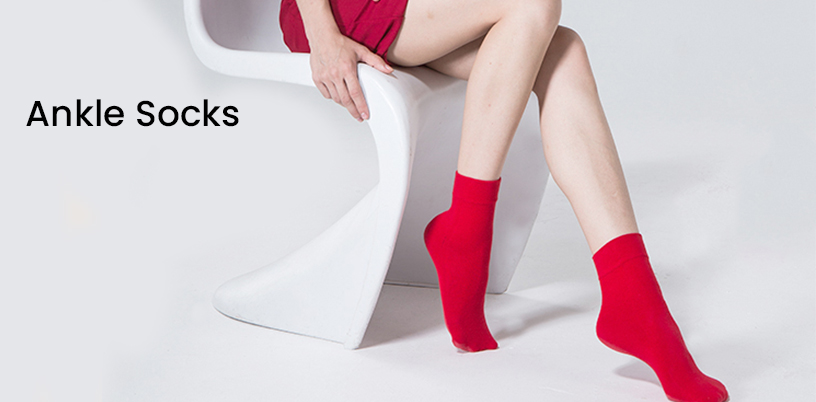
Sheer tights remain one of the most versatile products in the hosiery market. They can complete a formal outfit, add polish to officewear, provide light leg coverage during transitional seasons, and create a refined appearance for special occasions. However, modern consumers expect more than a transparent leg covering. They want tights that feel comfortable throughout the day, stay in place while walking, offer dependable coverage, and provide a flattering silhouette without excessive pressure.
The Boxer Brief Control Top Sheer Tights are designed to meet these expectations through a practical combination of 30-denier sheerness, a supportive boxer brief control top, a nylon-rich fiber blend, and a secure fit. Identified by product code CK-1012, this style is suitable for private-label collections, fashion retailers, uniform suppliers, e-commerce brands, and distributors seeking a versatile sheer hosiery product with OEM customization potential.
Unlike basic sheer tights that focus only on appearance, this design gives equal attention to fit, comfort, coverage, and daily usability. The boxer brief construction creates a broader support zone around the waist, hips, and upper thighs, while the sheer lower-leg section preserves the elegant look associated with classic pantyhose. This combination allows the product to serve customers who want a smoother silhouette without choosing a highly restrictive shaping garment.
Manufactured by Zhejiang Chenyu Knitting Co., Ltd., the product benefits from an integrated hosiery production system that covers many stages of development and manufacturing. The company’s capabilities include yarn research and development, spinning, elasticizing, yarn wrapping, greige weaving, piecing, dyeing, roughening, shaping, inspection, and packaging. This broad production structure provides a strong foundation for consistent quality, coordinated product development, and OEM customization.
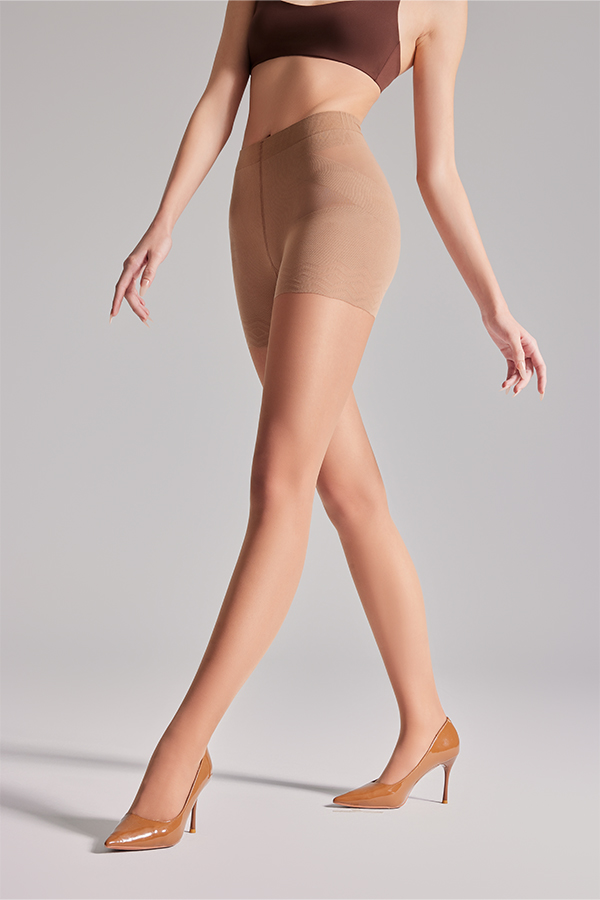
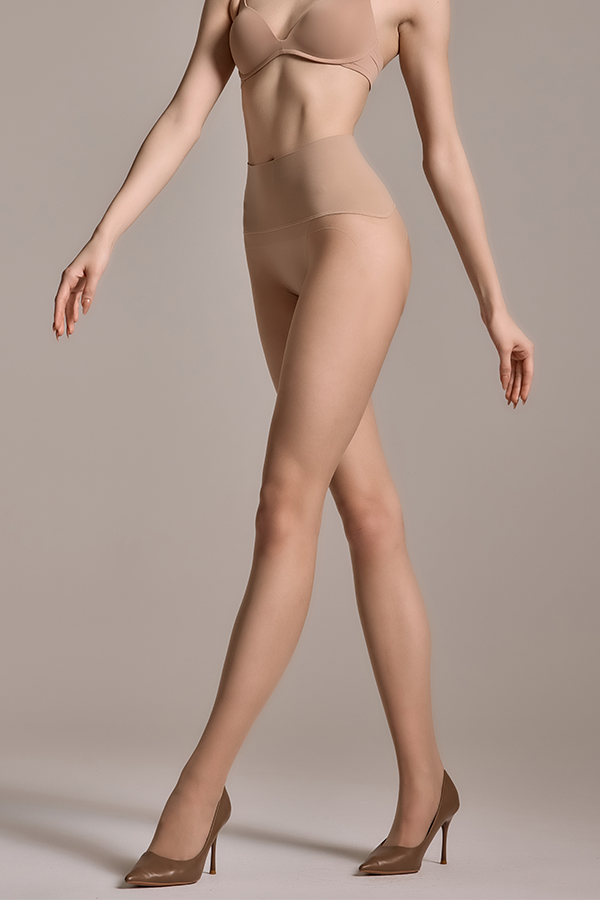
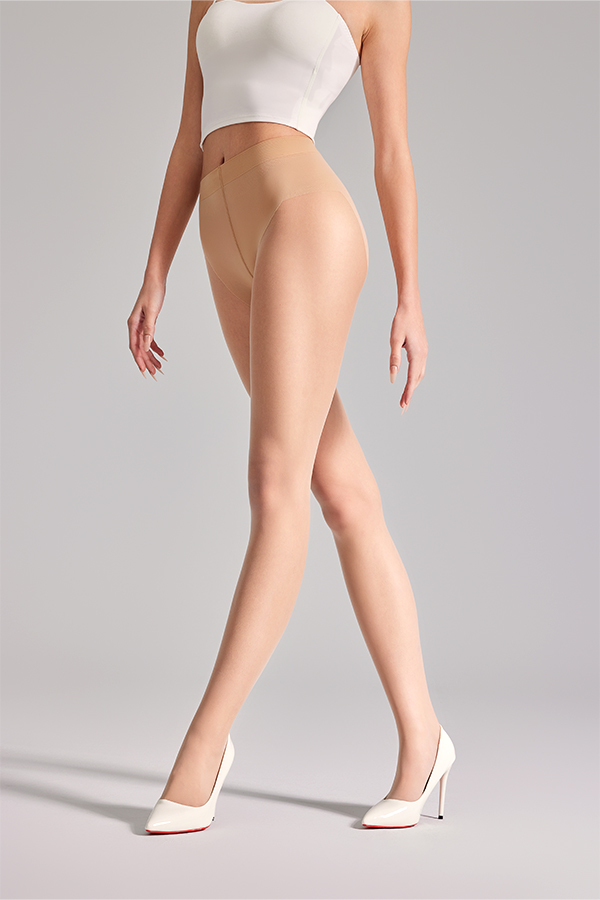
Boxer brief control top sheer tights
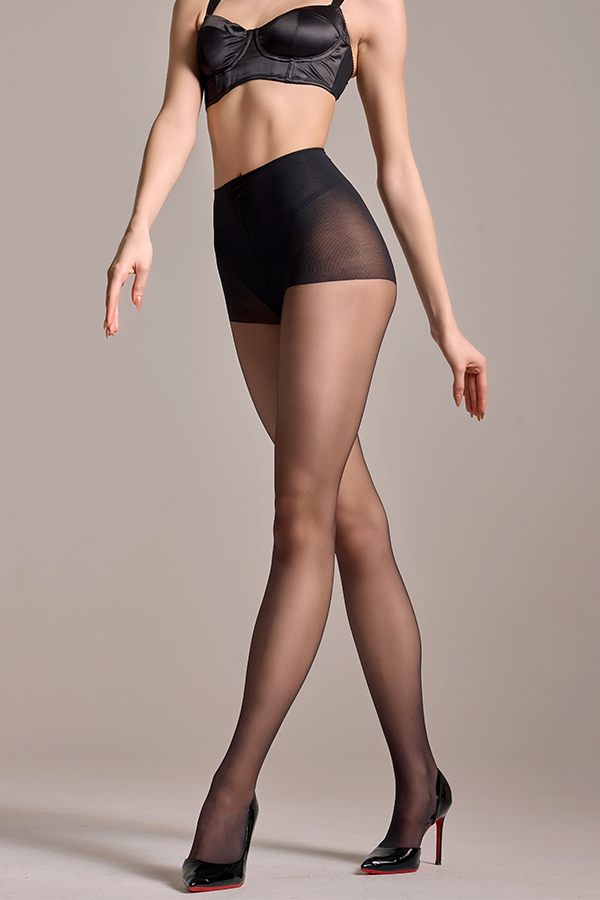
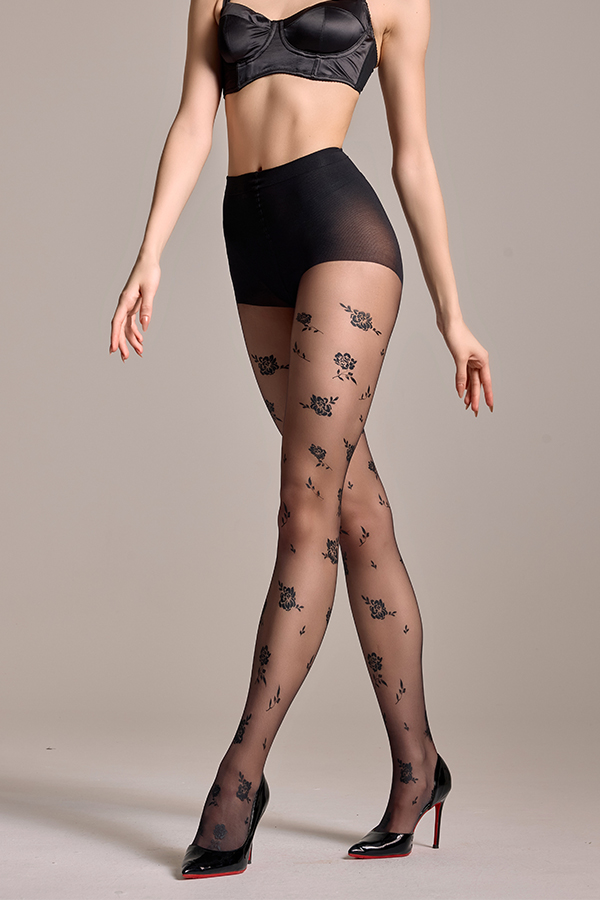
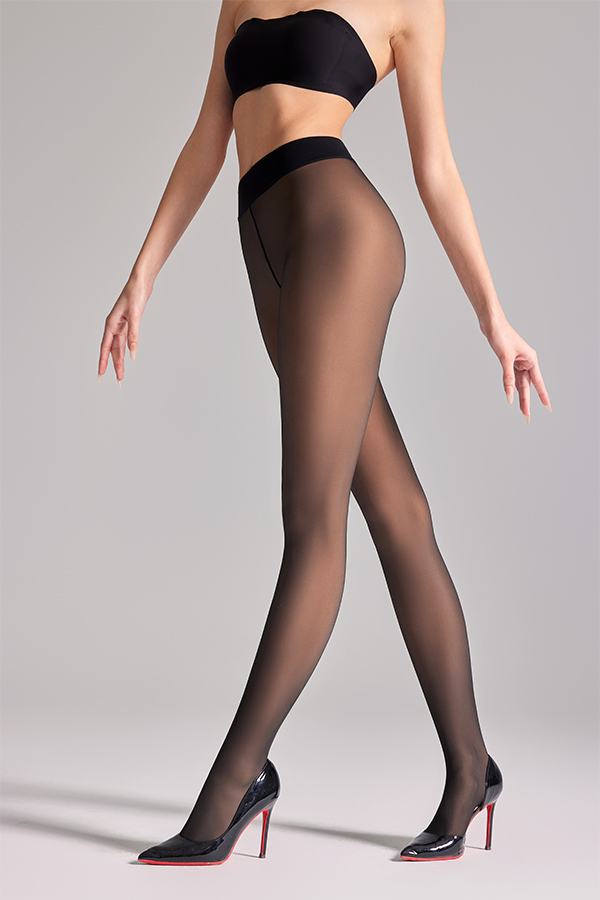
The Boxer Brief Control Top Sheer Tights are a fashion hosiery product intended to combine a neat appearance with practical support. The lower section is made from sheer 30D fabric, creating a lightweight and polished visual effect. The upper section uses a boxer brief-inspired control top to provide fuller coverage and gentle shaping across the waist, hips, and upper thigh area.
The product is positioned between ordinary sheer tights and more intensive shapewear hosiery. Standard sheer tights may offer limited support and can sometimes roll down, dig into the waist, or provide insufficient coverage under fitted garments. Heavy control tights may create excessive compression or feel uncomfortable during long periods of wear. The boxer brief control top offers a balanced alternative: it is designed to smooth the body while maintaining the softness and flexibility expected from everyday tights.
With a fiber composition of 85% nylon and 15% spandex, the style is engineered for a combination of softness, elasticity, resilience, and close fit. Nylon contributes to the smooth hand feel, lightweight construction, and clean surface appearance. Spandex supplies stretch and recovery, allowing the garment to adapt to body movement and return toward its original shape after wear.
The 30D specification makes the tights suitable for customers who prefer a sheer but not excessively fragile appearance. Compared with ultra-fine hosiery, 30D fabric can provide a more visible and dependable presence on the leg while retaining a lightweight look. It is appropriate for professional clothing, dresses, skirts, stage-related styling, hospitality uniforms, and everyday fashion coordination.
| Specification | Product Information |
|---|---|
| Product type | Boxer brief control top sheer tights |
| Product code | CK-1012 |
| Category | Sheer tights |
| Denier | 30D |
| Fiber content | 85% nylon; 15% spandex |
| Available sizes | S-M and L-XL |
| Color options | Customizable |
| Minimum order quantity | 2,000 pieces per size and color |
| Standard packing | 200 pieces per carton in OPP bags |
| Packaging options | Customizable according to project requirements |
These specifications give buyers a clear starting point for product planning. Size ranges, color selections, labeling, packaging, and other commercial details can be discussed as part of an OEM program. A buyer may therefore use the standard construction as the foundation for a private-label product while adapting the presentation to a particular market or customer group.
The most distinctive feature of this style is the boxer brief control top. This construction extends the supportive area beyond a narrow waistband and creates a broader transition between the waist, hips, and upper legs. The result is a more secure feeling and a smoother appearance under clothing.
A narrow waistband can concentrate pressure at one point. When a wearer sits, bends, or walks for extended periods, concentrated pressure may cause discomfort or encourage the waistband to roll. A boxer brief design distributes support over a larger area. This does not mean that the garment is intended to replace medical compression or intensive body-shaping products. Instead, it provides gentle everyday control that can help the garment look neater and feel more stable.
The extended upper construction also contributes to coverage. Consumers wearing skirts, dresses, tunics, or work uniforms may prefer additional coverage around the upper thigh and hip area. The boxer brief silhouette offers a practical layer beneath clothing and may help reduce concerns about transparency or exposure during normal movement.
Many consumers appreciate shaping benefits but dislike garments that feel overly tight. The 15% spandex content supports a flexible fit, while the structure of the control top helps smooth rather than dramatically compress. This balance can make the tights more suitable for regular officewear and long periods of use.
Gentle shaping is also commercially valuable because it broadens the target audience. Some shoppers seek a polished appearance for business clothing, while others want a reliable base layer for formal events. A moderate control top can appeal to both groups without making the product seem limited to specialized shapewear use.
A well-designed control top can help the tights remain positioned around the waist and hips. Stability is an important factor in consumer satisfaction because tights that shift downward, bunch at the thighs, or roll at the waist can quickly become uncomfortable. The boxer brief format gives the upper garment more surface area to maintain contact with the body.
The combination of stretch fiber and full upper coverage also supports easier movement. When the wearer walks, climbs stairs, sits, or changes posture, the fabric can flex with the body. This flexibility is particularly useful for products intended for working customers, commuters, event guests, and anyone who wears tights for several hours at a time.

Denier is a key consideration when selecting tights. A 30D construction is light enough to preserve a sheer appearance but substantial enough to offer more visual presence than extremely fine hosiery. This makes the style adaptable across different seasons, clothing categories, and customer preferences.
For office attire, 30D tights can provide a clean and professional finish under skirts and dresses. For formal events, the sheer surface creates an elegant line from the foot through the leg. For everyday outfits, the fabric can add a refined layer without making the styling appear heavy. Retailers can therefore position the product as a multi-occasion item rather than a single-use fashion accessory.
The sheer lower section also contrasts effectively with the fuller boxer brief upper section. This contrast gives the product a contemporary appearance. Instead of presenting a uniform opaque garment, the design creates a visual balance between coverage and transparency. It can appeal to consumers who want the shaping benefits of a control top while still preferring the light, graceful look of sheer hosiery.
Sheer tights are easy to coordinate with professional dresses, pencil skirts, pleated skirts, tailored shorts, eveningwear, and formal uniforms. The 30D level can support a broad range of styling directions, including understated neutral looks, sophisticated monochrome outfits, and seasonal fashion combinations.
Color customization provides additional opportunities for market adaptation. A buyer may select shades that reflect local consumer preferences, seasonal collections, uniform requirements, or a brand’s existing color system. Nude, black, brown, gray, and other fashion colors can be considered depending on development requirements, dyeing capability, testing, and order planning.
Color consistency is especially important in sheer hosiery because variations may be noticeable across the legs and between production lots. A manufacturer with internal dyeing and inspection capabilities can coordinate color development more effectively than a fragmented supply chain in which each stage is handled by unrelated suppliers.
The 85% nylon and 15% spandex composition is selected to balance the characteristics required in a modern pair of sheer tights. Nylon is widely used in hosiery because it can be spun into fine, smooth yarns and knitted into lightweight structures. It contributes to a clean appearance, comfortable touch, and suitable strength for fashion hosiery.
Spandex is responsible for much of the stretch and recovery performance. Tights must expand as they are put on and worn, but they should also retain a close fit rather than becoming loose after a short period. Spandex helps the garment adapt to different body movements and supports the recovery of the fabric after stretching.
The fiber combination also supports the control top’s purpose. A shaping panel requires elasticity to fit the body, while the leg area needs enough stretch to follow the wearer’s movements. The blend can therefore be used to create a garment that feels flexible while preserving a smooth, close-fitting appearance.
Comfort is influenced by more than fiber content. It also depends on knitting density, seam construction, waistband design, finishing, sizing, and quality control. The integrated production approach used by Zhejiang Chenyu Knitting Co., Ltd. allows these factors to be considered across multiple manufacturing stages.
Breathability is another important consideration. Although tights are close-fitting, a lightweight sheer construction can feel less heavy than dense opaque hosiery. The product description emphasizes breathable fabric, making the style suitable for office environments, social occasions, and daily wear where consumers expect coverage without unnecessary bulk.
Good recovery helps tights maintain their intended shape during repeated movement. Consumers generally expect the waistband, hips, and legs to remain smooth rather than becoming visibly loose or distorted. The spandex component supports this requirement, while knitting and finishing processes influence how effectively the finished garment performs in practical use.
For buyers, fiber selection can also support product segmentation. The same basic style may be developed in different deniers, colors, or size ranges for different markets. A manufacturer with experience in yarn development, elasticizing, and yarn wrapping is better positioned to evaluate these adjustments as part of a coordinated development program.
Basic sheer tights often provide a simple leg-covering function. While this simplicity can be attractive at an entry price point, it may not satisfy consumers who want greater upper-body coverage or a smoother fit. The Boxer Brief Control Top Sheer Tights add functional value through their specialized upper construction.
First, the control top provides more coverage around the waist, hips, and upper thighs. Second, the broader support zone can help reduce waistband movement. Third, the boxer brief silhouette offers a smoother base under fitted clothing. Fourth, the product can be marketed as both fashion hosiery and light shaping hosiery, allowing retailers to communicate more than a purely decorative benefit.
Compared with heavy shaping tights, the 30D sheer leg section provides a lighter visual effect. Consumers who want a refined appearance may not want a thick, opaque, or highly compressive garment. This style answers that need by combining a supportive upper area with a sheer lower section.
Compared with ordinary pantyhose with narrow waistbands, the boxer brief construction can feel more secure during movement. The design is especially relevant for customers who have experienced rolling, slipping, or insufficient coverage in conventional styles. While fit will always depend on correct sizing and individual body shape, the structural concept directly addresses common hosiery concerns.
From a commercial standpoint, the product offers several communication points: control, coverage, sheerness, comfort, flexibility, and versatile styling. These benefits can be used in product pages, packaging, catalogues, sales presentations, and in-store displays.
The style can also occupy multiple retail categories. It may be listed under sheer tights, shaping tights, control top hosiery, officewear accessories, formalwear essentials, or everyday pantyhose. This flexibility may help brands reach different customer searches and merchandising programs.
For private-label buyers, a product with a clear functional story can be easier to differentiate from low-cost basic tights. A brand may build a collection around comfort control, modern coverage, or polished everyday dressing. Custom colors and packaging can then reinforce the selected positioning.
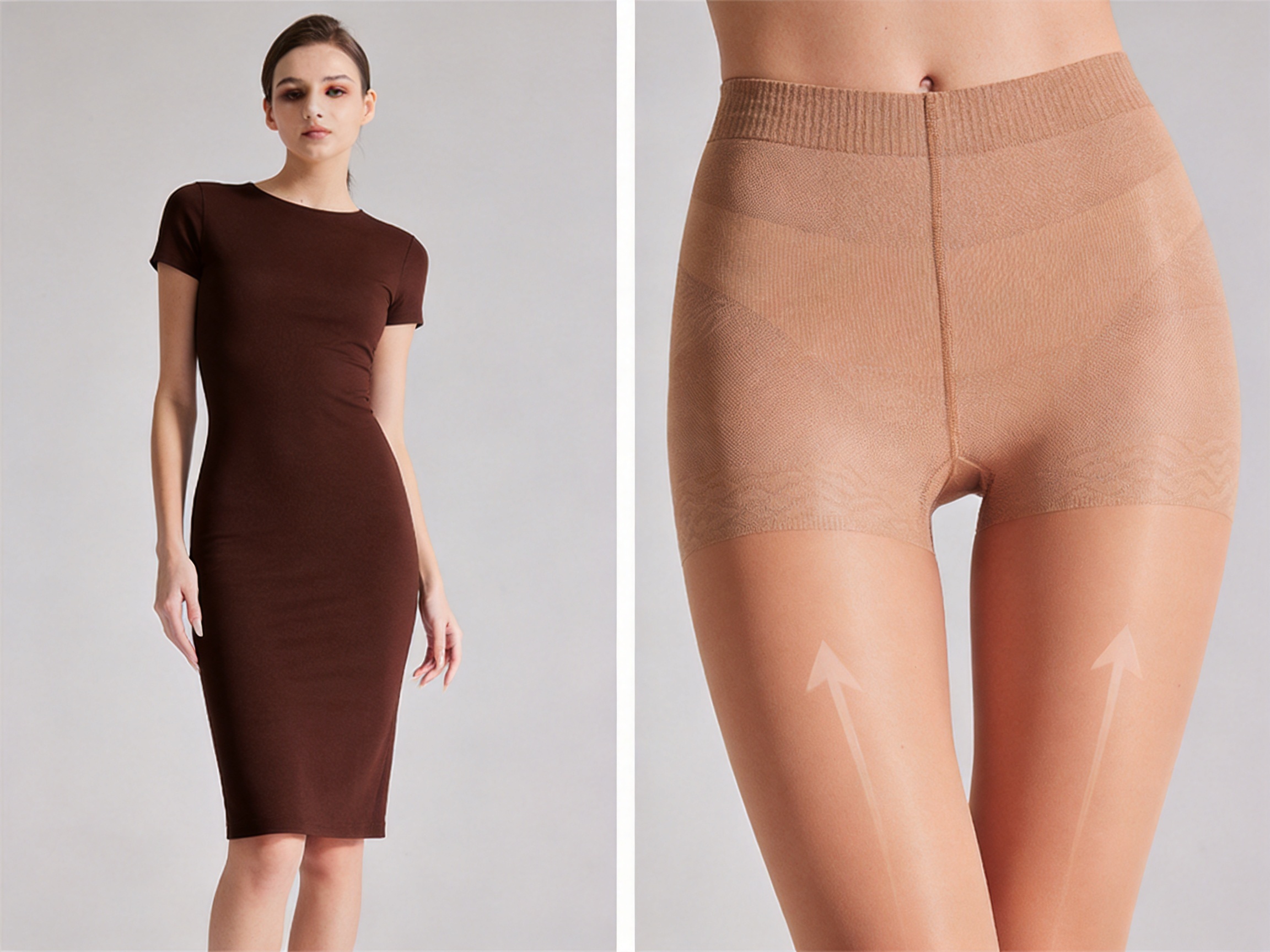
The quality of hosiery depends on the relationship between yarn, machinery, knitting, finishing, inspection, and packaging. Zhejiang Chenyu Knitting Co., Ltd. has developed a one-stop production system that covers the complete pantyhose industry chain. This structure is a significant advantage for buyers seeking coordinated OEM manufacturing rather than isolated production services.
The company was founded in 1989 and is located in Dongyang, Zhejiang, China. Over several decades of continuous development, it has expanded across product development, production, domestic brands, foreign trade, e-commerce, and OEM customization. This combination gives the company experience in both manufacturing and market-oriented product planning.
Yarn is the foundation of a hosiery product. Its fineness, elasticity, uniformity, color response, and surface characteristics influence the appearance and performance of the finished tights. Internal yarn research and development capabilities can help a manufacturer assess yarn choices before they reach the knitting stage.
For a 30D sheer product, yarn selection must support a delicate appearance while maintaining practical performance. The manufacturer may evaluate yarn structure, elasticity, covering, and compatibility with the selected knitting process. This type of upstream attention can help reduce avoidable inconsistencies in the final product.
Spinning transforms fibers into usable yarn with controlled characteristics. Elasticizing is especially relevant to tights because stretch and recovery are central to fit. By coordinating spinning and elasticizing within the wider production system, the manufacturer can better align yarn properties with the intended product structure.
For the Boxer Brief Control Top Sheer Tights, the yarn system must support both the sheer leg and the shaping upper. These areas may require different performance considerations, including visual transparency, stretch, recovery, and comfort. Integrated technical control can assist in balancing those requirements.
Yarn wrapping is another specialized process used to combine or protect elastic elements. Proper wrapping can influence the consistency, appearance, and handling of elastic yarn during knitting. In hosiery, where small variations may affect fit or surface uniformity, controlled yarn preparation is an important part of manufacturing reliability.
Greige weaving creates the initial knitted fabric before dyeing and finishing. At this stage, production teams must manage machine settings, fabric density, tension, and pattern or construction requirements. The upper control area and the sheer leg section must work together as a finished garment, so the transition between zones requires careful attention.
Piecing is used to assemble knitted components into the recognizable hosiery form. Accurate piecing contributes to fit, symmetry, seam comfort, and overall appearance. For control top tights, the upper portion must be joined in a way that supports the intended boxer brief shape while avoiding unnecessary bulk.
Dyeing gives the product its final shade and visual identity. Because the style is available in customizable colors, dyeing capability is essential for private-label development. A buyer may request a core shade for an ongoing collection or seasonal colors for a limited fashion program.
Color development involves more than choosing a sample. It may require lab dips, shade evaluation, production approval, and lot monitoring. In sheer hosiery, the relationship between fabric transparency and color depth must also be considered. An experienced dyeing team can help buyers evaluate how the selected color appears on the finished leg rather than relying only on a flat fabric swatch.
Roughening and shaping contribute to the tactile quality and final form of the garment. Depending on the product requirements, finishing may influence softness, surface feel, warmth, dimensional stability, and fit. Shaping is particularly relevant for control top products because the garment must be formed to follow the body and maintain its intended proportions.
Finishing processes need to be carefully matched to a sheer product. Excessive treatment may change the transparency, hand feel, or elasticity, while insufficient treatment may leave the garment lacking in softness or dimensional stability. An integrated factory can coordinate these decisions with the earlier yarn and knitting stages.
Full inspection is a major strength in hosiery manufacturing because the product is lightweight and close-fitting. Inspectors may evaluate visual uniformity, knitting defects, seams, waistband condition, sizing, color, shaping, and packaging accuracy. Identifying issues before shipment helps protect the buyer’s brand reputation and reduce the risk of customer complaints.
The standard packing arrangement is 200 pieces per carton in OPP bags, with customization available. Packaging can be adapted for wholesale distribution, retail presentation, private labeling, barcode systems, folding requirements, or buyer-specific carton instructions. Packaging coordination is particularly useful for brands that want the goods to arrive ready for warehouse handling or direct retail placement.
When sourcing tights, buyers should evaluate both product design and production consistency. A sample may look attractive, but repeatability across sizes, colors, and production lots is equally important. The supplier’s full-chain production system creates a framework for monitoring the product from yarn preparation through final packing.
For this style, important quality checkpoints include the following: the 30D appearance should be visually consistent; the upper control section should have an even shape; the elastic should recover properly; seams should be neat and comfortable; the legs should be symmetrical; the color should match the approved standard; and the packed quantity should correspond to the purchase order.
| Quality Area | What Buyers Should Review | Why It Matters |
|---|---|---|
| Sheer leg appearance | Uniformity, transparency, surface smoothness, and absence of visible defects | Directly affects the elegance and perceived value of the product |
| Control top construction | Coverage, shaping, waistband stability, and transition to the leg | Determines comfort, support, and product differentiation |
| Elastic performance | Stretch, recovery, and resistance to excessive deformation | Helps the tights maintain fit during wear |
| Seam quality | Neatness, strength, symmetry, and comfort against the skin | Influences durability and wearer satisfaction |
| Color consistency | Match to approved shade and consistency between lots | Supports brand reliability and repeat ordering |
| Packaging accuracy | Correct labeling, quantity, folding, bags, and carton details | Reduces warehouse and retail handling problems |
Buyers may also establish inspection standards according to their sales channel. A fashion retailer may emphasize shade and appearance, while a uniform distributor may prioritize repeatability and delivery planning. An e-commerce brand may require highly consistent product photography, sizing information, and packaging presentation. A supplier capable of discussing these priorities early can help create a more reliable OEM program.
The product is available in customizable colors and sizes, making it suitable for different market strategies. The standard size range is S-M and L-XL, while additional requirements can be discussed during development. Buyers should provide target measurements, grading expectations, and market-specific fit information when requesting size adjustments.
Size customization is important because hosiery fit varies between regions and customer groups. A brand may use different size charts for different sales territories or develop a broader size range to serve more consumers. Clear measurement communication helps align the finished product with the intended customer profile.
Color customization can support seasonal collections, private-label identity, and uniform programs. Neutral shades may be used for year-round retail, while fashion colors can create limited-edition launches. Buyers should consider the relationship between the color, denier, garment transparency, and final use before confirming production.
Packaging customization is another important option. The standard OPP bag and carton arrangement is appropriate for wholesale shipments, but a buyer may request branded bags, printed inserts, stickers, barcodes, retail cards, or custom carton markings. Packaging decisions should be finalized early because they may affect artwork approval, material sourcing, production scheduling, and carton configuration.
OEM development may also include labels, care information, product naming, folding methods, and presentation details. A consistent visual identity can help transform a standard hosiery construction into a recognizable product within a broader brand collection.
The listed minimum order quantity is 2,000 pieces per size and color. This quantity is suitable for buyers planning a structured retail launch, wholesale program, or recurring replenishment. It also allows the manufacturer to organize production more efficiently by reducing excessive fragmentation between colors and size runs.
Buyers should plan demand carefully when selecting multiple colors and sizes. A product may require separate quantities for each combination, so the total order can grow quickly when several options are included. Forecasting, sales history, promotional plans, and warehouse capacity should all be considered before finalizing the purchase order.
For new brands, a focused initial assortment may be more practical than launching too many colors at once. Core black and selected neutral shades can establish the product, while later orders may introduce additional colors based on market response. The supplier can then support the brand through repeat production and assortment expansion.
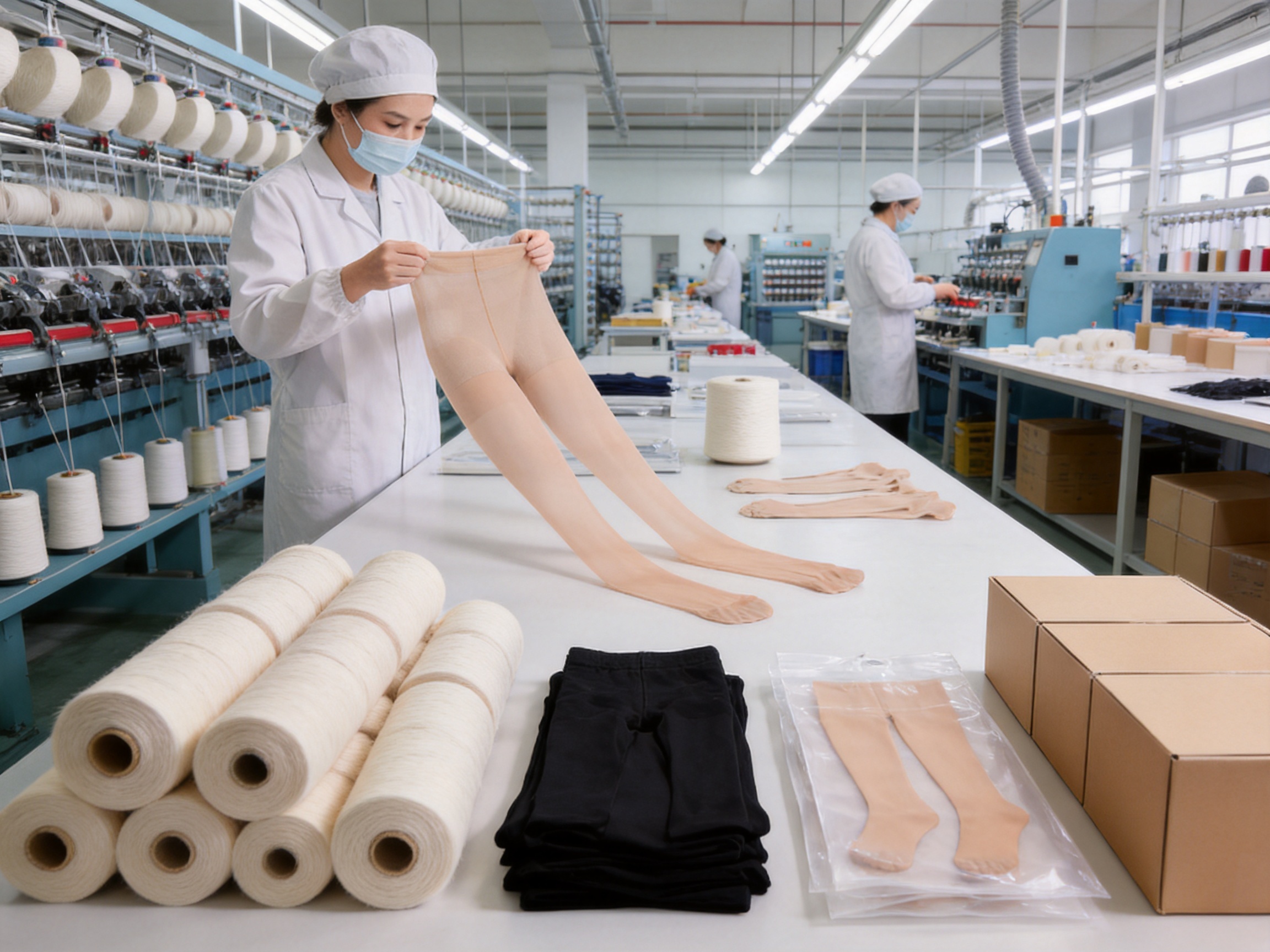
The Boxer Brief Control Top Sheer Tights can be offered to a broad customer base because of its balance between fashion and function. The product is suitable for adult consumers seeking a polished leg appearance and gentle upper-body support.
Professional clothing often requires a refined and coordinated appearance. Sheer tights can complement dresses, skirts, and tailored outfits while providing a smooth visual finish. The control top adds a practical benefit for customers who spend long hours at work and want their hosiery to remain stable throughout the day.
Weddings, dinners, ceremonies, receptions, and other formal occasions often call for elegant hosiery. The 30D sheer leg section can contribute to a sophisticated appearance without visually overpowering the outfit. The boxer brief upper provides additional coverage beneath dresses and skirts, which may increase wearer confidence during social events.
Hotels, restaurants, airlines, retail teams, and event organizations may require hosiery that creates a consistent professional appearance. Custom colors and packaging can support uniform programs, while the control top may provide comfort and stability during extended standing or walking. Bulk ordering at the specified MOQ can be suitable for organized uniform procurement.
Consumers do not always reserve sheer tights for special occasions. They can wear them with seasonal dresses, skirts, long shirts, and fashion-led outfits. The moderate 30D construction helps the product function as an everyday accessory, while the shaping top gives it a distinct reason to be selected over basic hosiery.
Hosiery production involves many technical steps, and quality problems can arise when communication is weak between suppliers. A factory with a more complete industry chain can coordinate material selection, fabric production, dyeing, finishing, inspection, and packaging in a more unified way.
For an OEM buyer, this may simplify communication. Instead of managing separate yarn, knitting, dyeing, finishing, and packing partners, the buyer can work with one primary manufacturing organization. This can make it easier to track revisions, confirm specifications, resolve production questions, and maintain consistency from one order to the next.
An integrated structure may also support faster technical feedback. If a buyer requests a change in stretch, denier, color, upper coverage, or packaging, the relevant departments can evaluate the impact together. This is especially useful when developing a product that combines two different visual and functional zones, such as a sheer leg with a boxer brief control top.
The company’s experience in foreign trade, e-commerce, and OEM customization adds commercial value to its technical production capabilities. A manufacturer serving different channels may be familiar with the importance of product documentation, packaging instructions, export preparation, private-label requirements, and consistent order fulfillment.
Its two domestic brands, Xinyu and CEL, also indicate experience in developing and presenting hosiery products for the market. For OEM customers, this background can support discussions about product positioning, assortment building, and consumer-oriented features, although each buyer’s branding and specifications remain individually customizable.
Sustainability is increasingly important in the hosiery industry. Buyers and consumers are examining fiber choices, production efficiency, packaging materials, product durability, and waste reduction. The company’s stated adoption of sustainable fabrics reflects an effort to reduce environmental impact and contribute to a greener future.
Responsible product development should be considered across the entire product life cycle. A durable garment can reduce the need for frequent replacement, while accurate production and inspection can reduce waste caused by rejected goods. Efficient packaging can also help reduce unnecessary material use, depending on the buyer’s selected packaging solution.
For OEM projects, sustainability goals should be discussed at the beginning rather than added at the final stage. Buyers may request information about available sustainable yarns, recycled or lower-impact material options, packaging alternatives, production waste management, and relevant testing or documentation. The exact solution will depend on the commercial requirements and performance expectations of the project.
Because sheer hosiery requires a careful balance between fineness, elasticity, strength, and appearance, material changes should be evaluated through sampling and testing. A sustainable alternative must still meet the functional requirements of the product, including comfort, stretch recovery, color quality, and visual consistency.
A brand may position this style as a premium everyday essential, a comfort-oriented control tight, or a versatile solution for professional and formal dressing. The most effective message will depend on the target customer and price level.
For a comfort-focused collection, the emphasis can be placed on the breathable sheer fabric, flexible fiber blend, secure boxer brief fit, and gentle shaping. For a professional collection, the message can focus on smooth appearance, discreet coverage, and all-day wearability. For a formalwear collection, the brand can highlight the elegant 30D leg and flattering silhouette.
The product can also serve as an anchor item within a broader hosiery range. A brand may offer basic sheer tights, control top tights, opaque tights, patterned tights, knee highs, and other hosiery categories. The Boxer Brief Control Top Sheer Tights would occupy a functional middle position, providing more support than a basic sheer style without the visual weight of opaque hosiery.
Clear product communication is essential. Customers should understand that the control top is intended to provide gentle shaping and coverage, not medical compression. They should also receive accurate size guidance because the best performance depends on selecting the appropriate size. Product photography, fit notes, care instructions, and fiber information can all improve the purchase experience.
Sheer tights are delicate garments, and proper handling can help preserve their appearance. Consumers should avoid contact with sharp jewelry, rough surfaces, unfinished nails, and abrasive accessories when putting on or removing the tights. Rolling the garment gradually up the legs rather than pulling forcefully from the waistband can reduce unnecessary strain.
Care instructions should follow the final approved product and testing results. In general, gentle washing, appropriate water temperature, mild detergent, and careful drying are commonly recommended for stretch hosiery. Harsh heat, aggressive machine cycles, and direct contact with rough materials may affect the fibers and elastic recovery.
Brands should include clear care information on packaging or labels. This can reduce misuse and help customers understand how to protect the 30D sheer construction and the elastic control top. Retailers may also benefit from explaining the difference between size fit and control level, since consumers sometimes choose a smaller size in an attempt to obtain more shaping. Incorrect sizing can reduce comfort and may place unnecessary stress on the garment.
Before confirming an OEM order, buyers should prepare a detailed product brief. The brief should identify the target market, intended use, preferred denier, fiber composition, size chart, color requirements, packaging, labeling, quantity, and delivery expectations.
It is useful to approve a physical sample before bulk production. The sample should be reviewed for leg appearance, transparency, waistband position, boxer brief coverage, seam comfort, stretch, recovery, color, and overall fit. If the product will be sold in more than one size or color, buyers should request representative samples where appropriate.
Packaging artwork and carton instructions should also be approved before production. Details such as piece count, OPP bag requirements, labels, barcodes, carton marks, and shipping information can affect the packing process. Early confirmation helps reduce the possibility of delays or rework.
Finally, buyers should establish quality expectations in writing. A clear specification can cover acceptable appearance, measurement tolerances, color standards, packaging quantity, inspection procedures, and approval responsibilities. This is especially valuable for repeat orders, where consistency is a central part of brand performance.
The main difference is the boxer brief control top. It provides broader coverage and gentle shaping across the waist, hips, and upper thighs, while the 30D lower section retains a sheer and elegant appearance. Ordinary sheer tights may not offer the same level of upper-body coverage or support.
Yes. The product is designed for everyday wear, office attire, special occasions, and formal outfits. Its breathable sheer construction and flexible nylon-spandex blend make it suitable for customers who want a polished appearance and comfortable fit over several hours.
The product is described as providing gentle control and smoothing. It is intended to improve fit and silhouette rather than function as medical compression hosiery or highly restrictive shapewear. Buyers should communicate this distinction clearly to end customers.
Thirty denier indicates a lightweight sheer construction. It generally appears more substantial than ultra-fine hosiery while remaining lighter and more transparent than opaque tights. The final appearance will also depend on color, knitting, finishing, and the wearer’s skin tone.
The stated composition is 85% nylon and 15% spandex. Nylon supports the smooth, lightweight hosiery structure, while spandex contributes stretch and recovery for a closer and more flexible fit.
The standard sizes are S-M and L-XL. Customized sizing can be discussed for OEM projects. Buyers should provide their target measurement chart and market requirements for evaluation.
Yes. Colors are customizable. Buyers can discuss core shades, seasonal colors, uniform colors, and private-label requirements during product development. Color approval should be completed before bulk production.
The stated minimum order quantity is 2,000 pieces per size and color. This means that each size-and-color combination should be planned according to the required quantity.
The standard packing arrangement is 200 pieces per carton, with each piece packed in an OPP bag. Packaging can be customized according to the buyer’s labeling, retail, warehouse, or shipping requirements.
Yes. The product is suitable for OEM customization. Buyers can discuss colors, sizes, packaging, labels, product presentation, and other project specifications with the manufacturer.
The company’s production system covers yarn research and development, spinning, elasticizing, yarn wrapping, greige weaving, piecing, dyeing, roughening, shaping, full inspection, and packaging. This one-stop structure supports coordinated product development and production management.
It can be considered for hospitality, retail, event, and other professional uniform programs. Custom colors, consistent sizing, and bulk packaging may help support organized procurement, subject to project-specific approval.
Buyers should review the sample for fit, transparency, leg uniformity, control top coverage, waistband stability, seam comfort, stretch recovery, color, packaging, and overall appearance. The sample should be compared with the approved specification before bulk production begins.
The company states that it adopts sustainable fabrics to reduce environmental impact. Buyers seeking specific sustainable materials or packaging solutions should discuss available options, performance requirements, testing, and documentation during the development stage.
Fashion labels, private-label retailers, online hosiery brands, uniform suppliers, wholesalers, department stores, and distributors may find the product suitable. Its combination of sheerness, coverage, gentle control, and customization gives it broad commercial potential.
The Boxer Brief Control Top Sheer Tights offer a balanced solution for consumers who want more than a basic pair of pantyhose. The 30D sheer leg creates a refined appearance, while the boxer brief control top adds coverage, stability, and gentle shaping. The 85% nylon and 15% spandex fiber blend supports a flexible fit that is appropriate for officewear, formal events, uniforms, and everyday fashion.
From a competitive perspective, the design occupies an attractive position between ordinary sheer tights and heavy shaping hosiery. It provides a clear functional story without sacrificing elegance. This makes it suitable for brands seeking a product that can be marketed around comfort, confidence, smooth appearance, and versatile styling.
For OEM buyers, the product is supported by the manufacturing strengths of Zhejiang Chenyu Knitting Co., Ltd. Founded in 1989 and based in Dongyang, Zhejiang, the company has developed a comprehensive production system covering the major stages of the pantyhose industry chain. Its capabilities in yarn development, spinning, elasticizing, wrapping, weaving, piecing, dyeing, finishing, shaping, inspection, and packaging can help buyers manage quality and customization through one coordinated supplier.
Custom colors, available size options, private-label packaging, and a minimum order quantity of 2,000 pieces per size and color make the style appropriate for organized retail and wholesale programs. With careful sampling, clear specifications, and appropriate quality controls, this product can become a dependable part of a modern hosiery collection.
1. Product specification and technical information for Boxer Brief Control Top Sheer Tights, product code CK-1012.
2. Fiber and textile manufacturing principles relating to nylon, spandex, stretch recovery, and hosiery construction.
3. General hosiery product development practices covering denier selection, knitting, dyeing, shaping, inspection, and packaging.
4. Manufacturing profile and company information for Zhejiang Chenyu Knitting Co., Ltd., including its integrated pantyhose production system.
5. General apparel sourcing guidance concerning OEM customization, minimum order quantities, size development, color approval, and packaging management.