
 English
  Español
  Deutsch
 Expanded panel thermal opaque tights

Our provided products

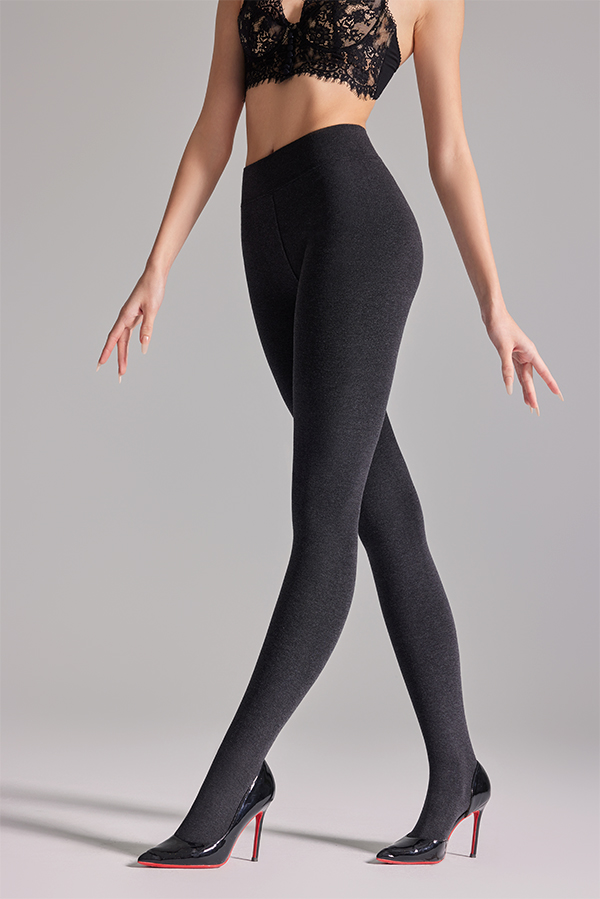
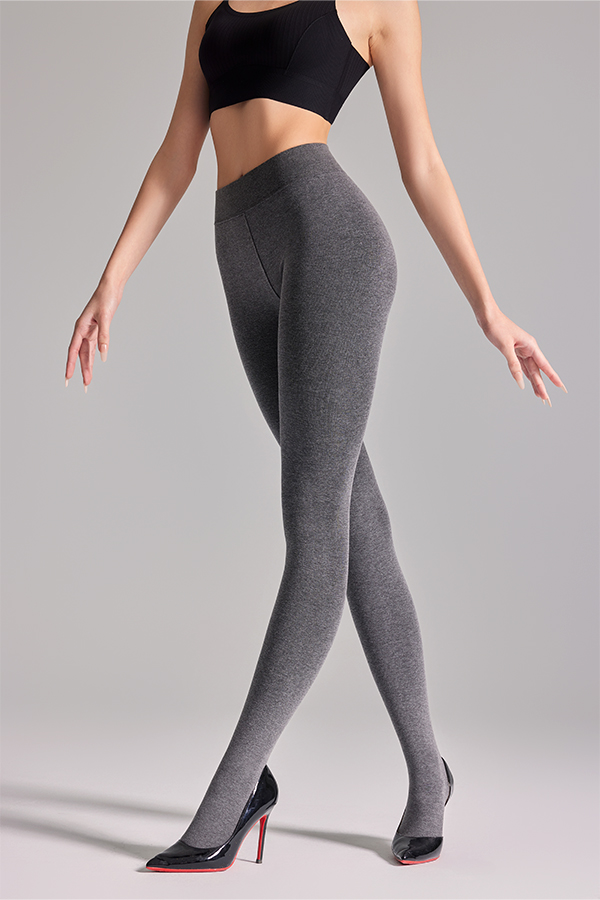
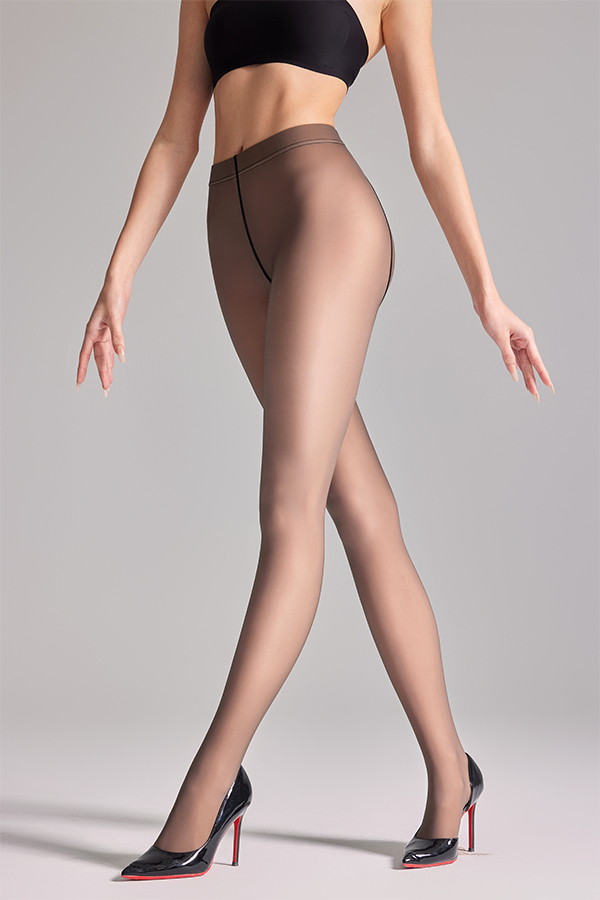
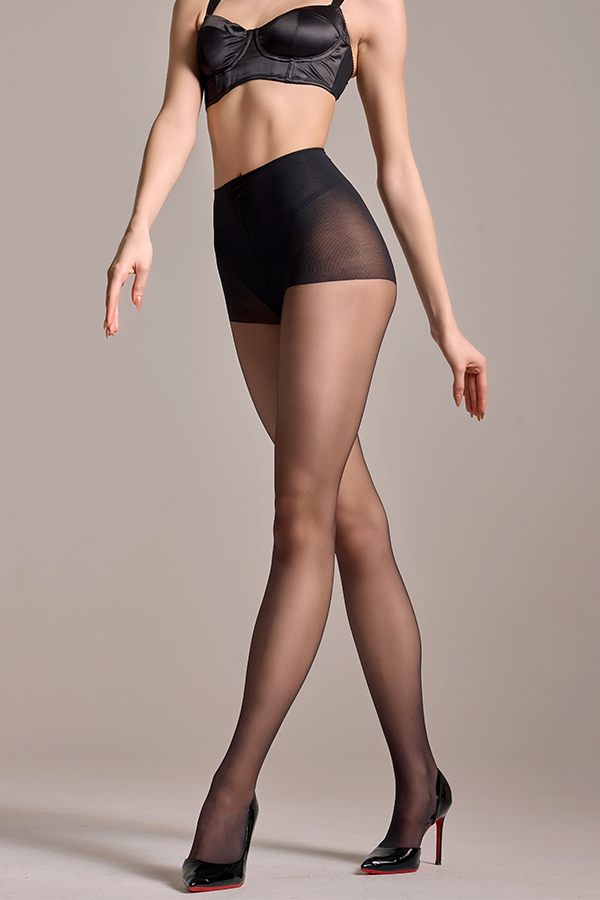
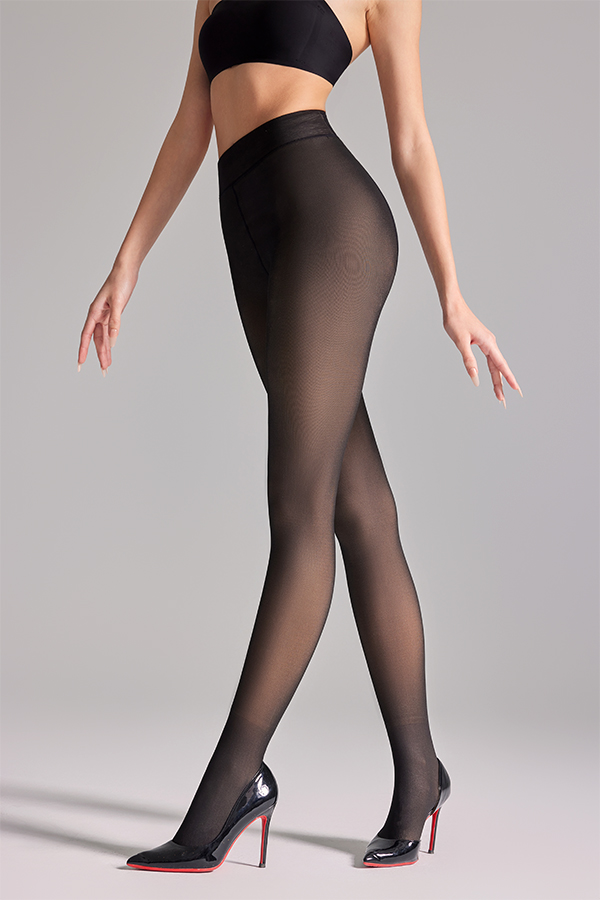
Glossy opaque tights combine high-impact visual appeal with the practical coverage expected from a reliable hosiery essential. Designed with a radiant surface finish and a substantial 120-denier construction, this style delivers a polished appearance while helping create a smooth, confident foundation for dresses, skirts, tunics, and coordinated fashion looks. The luminous finish catches the light without sacrificing the dense appearance associated with opaque tights, making the product suitable for special occasions, seasonal collections, fashion-forward retail programs, and private-label hosiery lines.
The product is identified as CY-88012 and belongs to the opaque tights category. Its fiber composition is nylon and spandex, a combination widely valued for its balance of softness, flexibility, resilience, and close-fitting performance. The fabric is designed to stretch with the wearer’s movement while maintaining a sleek visual line. Through customized colors, sizes, packing, and other specifications, the product can be adapted for different markets, customer profiles, brand identities, and collection themes.
Behind the finished tights is a complete manufacturing system developed by Zhejiang Chenyu Knitting Co., Ltd. The company has operated since 1989 and has built capabilities covering yarn research and development, spinning, elasticizing, yarn wrapping, greige weaving, piecing, dyeing, roughening, shaping, inspection, and packaging. This integrated structure supports consistent production, coordinated quality management, and flexible OEM development. It also allows customers to work with one experienced manufacturing partner rather than managing disconnected suppliers for separate stages of production.
The key characteristic of this product is the relationship between opacity and shine. Many tights emphasize only one of these qualities. Very sheer tights can create a delicate appearance but may provide limited coverage, while conventional opaque tights can offer density but appear flat or visually understated. Glossy opaque tights are developed to bring both qualities together: a bold, luminous surface and a substantial 120D construction that gives the legs a more covered and streamlined appearance.
The high-shine effect creates an immediate fashion statement. Under natural or artificial lighting, the surface reflects light and gives the fabric a radiant finish. This visual quality can elevate a simple outfit, add contrast to matte garments, or support an eveningwear collection that requires more eye-catching accessories and styling details. The shine may also make the tights particularly attractive for festive assortments, performance-inspired looks, stage-related fashion, nightlife apparel, and seasonal launches.
At the same time, the opaque construction provides a strong foundation for everyday styling. A dense leg appearance can help coordinate with heavier fabrics such as wool, denim, velvet, corduroy, knitwear, and structured tailoring. The product therefore has a broad use range. It can be positioned as a statement accessory for an event or as a practical fashion layer during cooler months.
Rather than relying on a complicated pattern or decorative surface, the product achieves its visual impact through material selection, knitting, finishing, and surface appearance. This gives buyers a versatile base for branding and assortment development. It can be sold as a hero product in a fashion collection, coordinated with shoes and apparel, or offered in several colors as part of a foundational hosiery range.
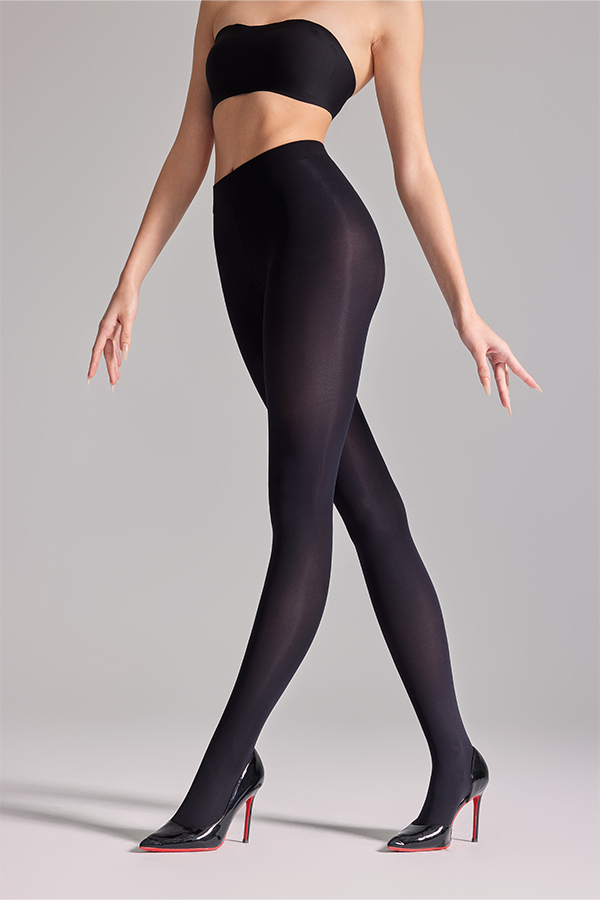
Glossy opaque tights
Denier is an important specification in hosiery because it helps communicate the relative weight and density of the yarn used in the product. At 120D, these tights are positioned as a substantial opaque style rather than a lightweight sheer or semi-sheer item. The denser construction supports a more solid leg appearance and offers the visual confidence many consumers expect from opaque hosiery.
The 120D specification is also valuable from a merchandising perspective. It gives buyers a clear product position within a hosiery assortment. A retailer can distinguish this style from sheer fashion tights, medium-weight transitional tights, and fleece-lined winter products. The product can be marketed as a high-coverage option with a glossy finish, allowing it to occupy a distinctive space between basic opaque hosiery and more decorative fashion styles.
Opaque coverage can support flexible outfit planning. Consumers may wear the tights with short skirts, dresses, oversized shirts, long sweaters, and layered autumn or winter outfits. The dense appearance can help unify contrasting colors and create a continuous visual line from garment to footwear. When used with darker apparel, the tights can reinforce a sleek and refined appearance. When used with lighter or brighter clothing, the glossy surface can become an intentional focal point.
For brands, a 120D construction may also simplify collection communication. The denier specification gives buyers, sales teams, and consumers an easy way to understand the product’s coverage level. It can be included in product descriptions, wholesale catalogs, packaging copy, technical sheets, and online product listings. Clear specifications reduce ambiguity and help retailers place the item within the correct price, season, and performance category.
Full coverage does not need to look heavy or dull. The glossy finish adds visual energy to the dense construction, creating a more refined surface than a purely matte opaque tight. This balance is one of the product’s principal advantages. It offers the security and styling flexibility of a substantial fabric while preserving a fashion-oriented appearance.
The resulting look can be adapted to different levels of formality. With a tailored dress and refined footwear, the tights can contribute to an elegant outfit. With a short skirt, oversized knit, and boots, they can support a modern streetwear-inspired appearance. With metallic accessories or evening garments, the shine can reinforce a celebratory mood. This adaptability can make the product useful across multiple merchandising stories rather than limiting it to a single fashion trend.
The product uses nylon and spandex, two fibers that complement each other in close-fitting hosiery. Nylon is commonly selected for its smooth hand feel, strength, abrasion resistance, and ability to accept color. It can help create the even surface required for a polished hosiery appearance. Spandex contributes stretch and recovery, enabling the tights to move with the body and return toward their original shape after wear.
Stretch is particularly important in tights because the product must accommodate different movements and body positions. Walking, sitting, climbing stairs, bending, and daily activities all place changing demands on the fabric. A suitable stretch component can improve comfort by helping the garment follow the wearer’s shape rather than resisting movement. It can also support a close, smooth fit that reduces unnecessary looseness and wrinkling.
The combination is also relevant to product presentation. A smooth nylon surface can help enhance the reflection associated with the glossy finish, while spandex supports the flexible fit needed to maintain the visual line of the garment. The result is a product that is not merely decorative. It is designed to combine appearance, movement, and wearability in one construction.
Comfort is essential for fashion tights because consumers may wear them for workdays, social events, travel, celebrations, or long periods of standing and movement. A fabric that stretches appropriately can help reduce the feeling of restriction. The product description emphasizes a comfortable and stretchy construction, making it suitable for customers who want a statement appearance without giving up ease of movement.
Comfort also supports repeat purchase. When a fashion item is attractive but difficult to wear, consumers may treat it as a one-time novelty. When appearance and wearability are combined, the item has a stronger opportunity to become part of a regular wardrobe. For retailers and brands, this can improve the commercial value of the product by connecting visual differentiation with practical use.
As with all close-fitting hosiery, final comfort depends on correct sizing, garment construction, and individual preference. For this reason, customizable sizing is an important commercial advantage. Buyers can discuss size ranges suited to their target market rather than relying on a single standardized assortment that may not meet regional or customer-specific requirements.
Conventional opaque tights often focus on coverage and basic coordination. Glossy opaque tights add an additional design dimension through their reflective surface. This difference can make the product more noticeable on a retail display, in an e-commerce image, or in a seasonal campaign. The product is therefore able to compete not only on basic functionality but also on fashion expression.
Compared with matte opaque tights, the glossy style has greater surface presence. It may appear more polished and more suitable for occasions that call for a dressier finish. The shine can also add depth to monochromatic styling, especially when paired with garments that have a different texture. Matte wool, brushed knitwear, smooth satin, and structured tailoring can each create a distinct contrast with the reflective tights.
Compared with sheer tights, the 120D construction provides a stronger sense of coverage. This may appeal to consumers who want a more uniform leg appearance, additional visual density, or a style that feels more substantial. The product is especially suitable for customers who prefer opaque hosiery but find standard matte options too plain.
Compared with heavily patterned tights, glossy opaque tights can be easier to coordinate. The surface makes a statement without requiring a printed motif, lace design, or complex graphic. This allows consumers to pair the product with a wider range of clothing. It also gives brands a clean base for color development and seasonal positioning.
| Product Characteristic | Glossy Opaque Tights | Typical Sheer Tights | Typical Matte Opaque Tights |
|---|---|---|---|
| Coverage | High coverage with a 120D construction | Light to moderate coverage | High coverage |
| Surface appearance | Radiant, high-shine finish | Usually subtle or lightly transparent | Generally low-shine or matte |
| Fashion impact | Bold and statement-oriented | Delicate and understated | Classic and functional |
| Styling range | Suitable for events, seasonal looks, and everyday accents | Often used for refined or lightweight styling | Often used for basic daily coordination |
| Fiber composition | Nylon and spandex | Varies by product | Varies by product |
| Customization potential | Custom colors, sizes, and packing available | Depends on supplier | Depends on supplier |
This comparison illustrates why the product can occupy a valuable position in a hosiery portfolio. It does not need to replace every basic style. Instead, it can complement sheer and matte products by providing a more expressive alternative with strong coverage and a distinctive finish.
Glossy opaque tights can serve multiple product categories and customer occasions. Their most obvious application is occasion dressing. Evening parties, holiday celebrations, date-night outfits, formal social events, and fashion-led gatherings all provide opportunities for a luminous hosiery accessory. The product can add visual interest without requiring a fully sequined or highly decorated garment.
The tights can also support seasonal fashion. During autumn and winter, the 120D construction pairs naturally with sweaters, coats, boots, and layered garments. The glossy finish can prevent heavier seasonal outfits from appearing visually flat. In spring or transitional weather, the tights can be used with dresses and skirts when consumers want coverage with a more distinctive finish.
For everyday fashion, the product can be styled as a bold accent. A simple black dress, neutral skirt, or oversized shirt can gain a more modern character through glossy hosiery. Consumers who prefer minimal clothing may use the tights as the primary statement element. This approach can make the product attractive to shoppers who want to experiment with trends while keeping the rest of their outfit relatively simple.
Retailers may also position the product for themed collections. Examples include city-night edits, partywear capsules, winter shine stories, dance-inspired assortments, fashion-week selections, and holiday gift guides. Because colors are customizable, the product can be developed in classic shades, seasonal tones, or special colors selected to match a brand’s creative direction.
Customizable colors and sizes give the product strong potential for private-label programs. A brand may request a standard black version for a permanent core collection, then add seasonal colors for limited releases. A retailer may also develop different size distributions for different regions or customer demographics. This flexibility helps buyers create a more targeted assortment.
Packaging can be customized as well. The stated packing arrangement is 200 pieces per carton with an OPP bag only, while packaging can be adjusted according to customer requirements. Buyers may therefore discuss branded bags, inserts, labels, cartons, barcode systems, or other packaging elements appropriate for their distribution channels. Packaging customization is useful for both retail presentation and warehouse management.
The minimum order quantity is 2,000 pieces per size and color. This quantity is suitable for established wholesale, private-label, and promotional programs that require a meaningful production run. It also supports consistent color and size planning. Buyers can use the MOQ to develop a clear purchasing forecast and determine whether the style is best suited to a permanent range, a seasonal campaign, or a coordinated multi-market launch.
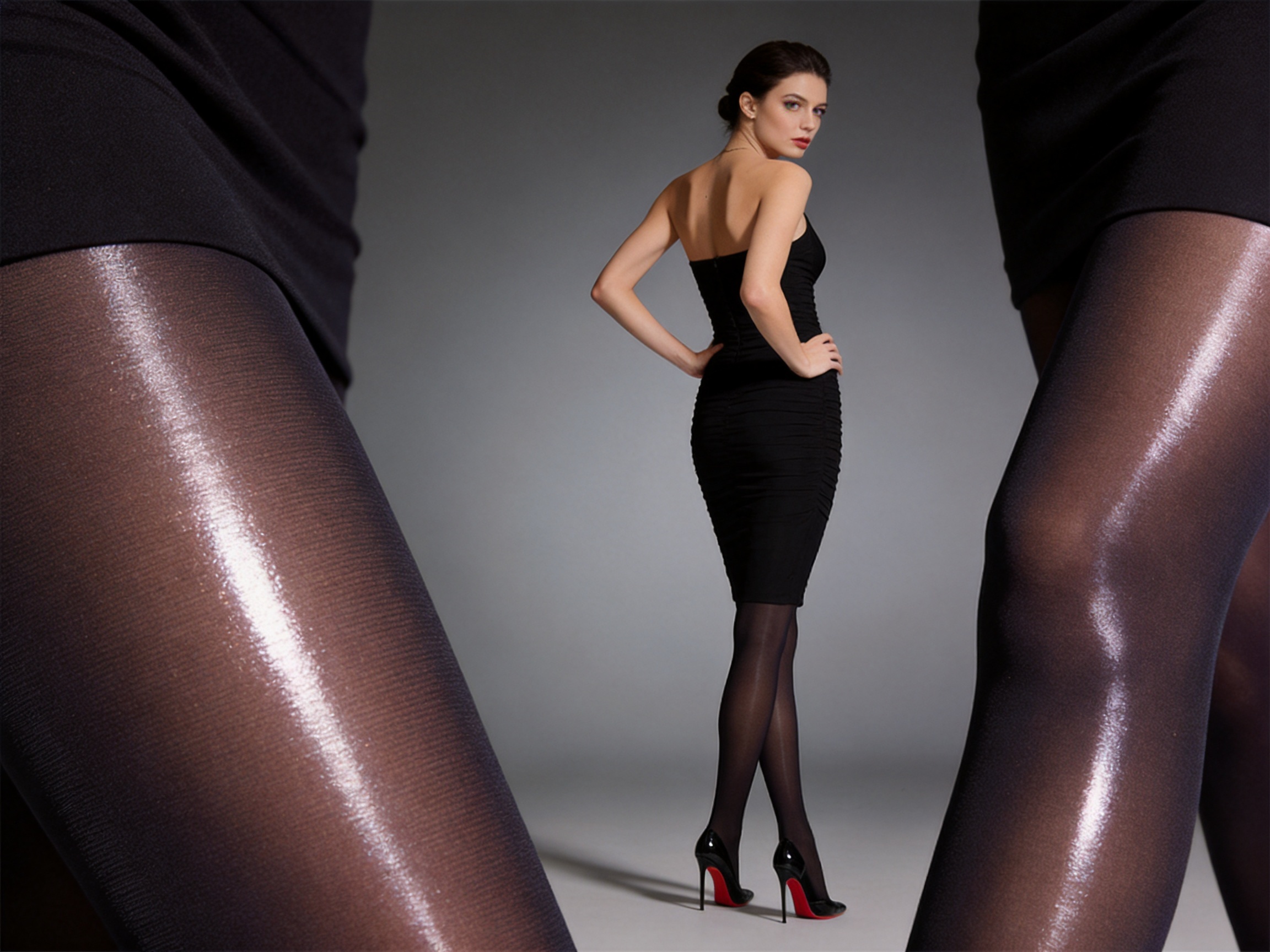
A major strength behind the product is the manufacturer’s one-stop production system. Zhejiang Chenyu Knitting Co., Ltd. has developed an industry-chain structure that covers many of the processes required to produce pantyhose and tights. These capabilities include yarn research and development, spinning, elasticizing, yarn wrapping, greige weaving, piecing, dyeing, roughening, shaping, full inspection, and packaging.
Vertical integration can support better coordination between stages. In a fragmented supply chain, delays or inconsistencies at one supplier may affect every subsequent process. When more production capabilities are managed within one coordinated system, technical information can move more efficiently between departments. This can help the manufacturer respond to adjustments in yarn, color, elasticity, shaping, finishing, and packing requirements.
For buyers, integrated manufacturing may simplify communication. Instead of explaining product requirements to multiple independent vendors, the customer can work with one production partner that understands the full construction of the item. This is particularly useful for OEM development, where the buyer may need to discuss appearance, hand feel, fit, color, packaging, and quantity as part of one connected project.
Yarn research and development forms the foundation of a successful hosiery product. The yarn influences surface appearance, stretch, color performance, durability, and the overall hand feel of the tights. For a glossy opaque style, yarn selection is especially important because the final appearance depends on how the knitted surface interacts with light.
The manufacturer’s yarn-related capabilities allow the production process to begin with attention to the material foundation. Nylon and spandex can be evaluated and prepared for the intended balance of density and elasticity. Proper yarn handling also supports consistent knitting performance and helps establish the desired relationship between opaque coverage and surface radiance.
Research and development can be valuable when customers request adjustments. A buyer may want a stronger shine, a softer touch, a different color effect, or a modified stretch response. While the exact result depends on technical testing and approved samples, an integrated development structure provides a practical basis for evaluating such requirements.
Spinning and related yarn preparation processes influence the consistency of the material used in production. Elasticizing helps prepare stretch components for use in close-fitting hosiery, while yarn wrapping can support the combination and protection of different yarn elements. These stages contribute to the balance between flexibility and structural stability.
For glossy opaque tights, elastic performance matters because the garment must stretch over the leg while preserving its appearance. If the yarn system is not properly coordinated, a surface may appear uneven when extended, or the garment may not recover effectively after wear. Integrated preparation enables technical teams to manage the material before it reaches the knitting stage.
Greige weaving produces the initial knitted material before later color and finishing processes. Consistency at this stage is critical to the final density and appearance of the tights. Uniform knitting can help support even coverage and reduce unwanted variations across the garment.
Piecing is another essential stage in hosiery production. It contributes to the formation of the finished garment from knitted components. Careful piecing supports a clean construction and helps maintain the intended fit. For a close-fitting product, accurate assembly is important because small inconsistencies can influence comfort, alignment, and visual smoothness.
The combination of knitting and piecing capabilities enables the manufacturer to control the transition from raw material to shaped hosiery. It also provides a technical foundation for developing different sizes and construction specifications within the same product family.
Color is a major customization opportunity for this style. Although glossy black is a natural choice for a high-shine opaque tight, buyers may request other colors for seasonal, regional, or brand-specific collections. Dyeing capabilities support the development of these color options after the knitted structure has been prepared.
Color consistency is especially important for wholesale programs. A retailer expects repeat orders to maintain a recognizable appearance, while a fashion brand may need a color to match garments, accessories, packaging, or a campaign concept. Coordinated dyeing and quality checks can support more reliable color management across production lots.
Custom color development normally requires approval procedures, testing, and confirmation of production standards. Buyers should provide clear color references and allow sufficient time for lab dips, sample evaluation, and final production planning. The manufacturer’s integrated structure can make these conversations more direct because color requirements can be considered alongside yarn, knitting, and finishing specifications.
Roughening and shaping are important finishing stages in hosiery manufacturing. Roughening may be used when a particular hand feel or interior surface is required, while shaping helps establish the final dimensions and appearance of the tights. Although this glossy opaque style is described primarily through its luminous outer appearance, finishing processes remain essential to overall fit and presentation.
Shaping helps the finished garment conform to the intended size range and design. It can support a smoother leg line and help the tights retain their proportions after processing. Proper finishing also helps transform the knitted material into a commercially ready product with a consistent appearance from one piece to the next.
The relationship between shaping and shine deserves attention. A smooth, even surface allows light to reflect more consistently, which can enhance the polished effect. Uneven stretching, irregular finishing, or inconsistent dimensions could reduce the visual quality of a glossy product. For this reason, finishing is not merely a final cosmetic step; it contributes directly to the product’s main selling feature.
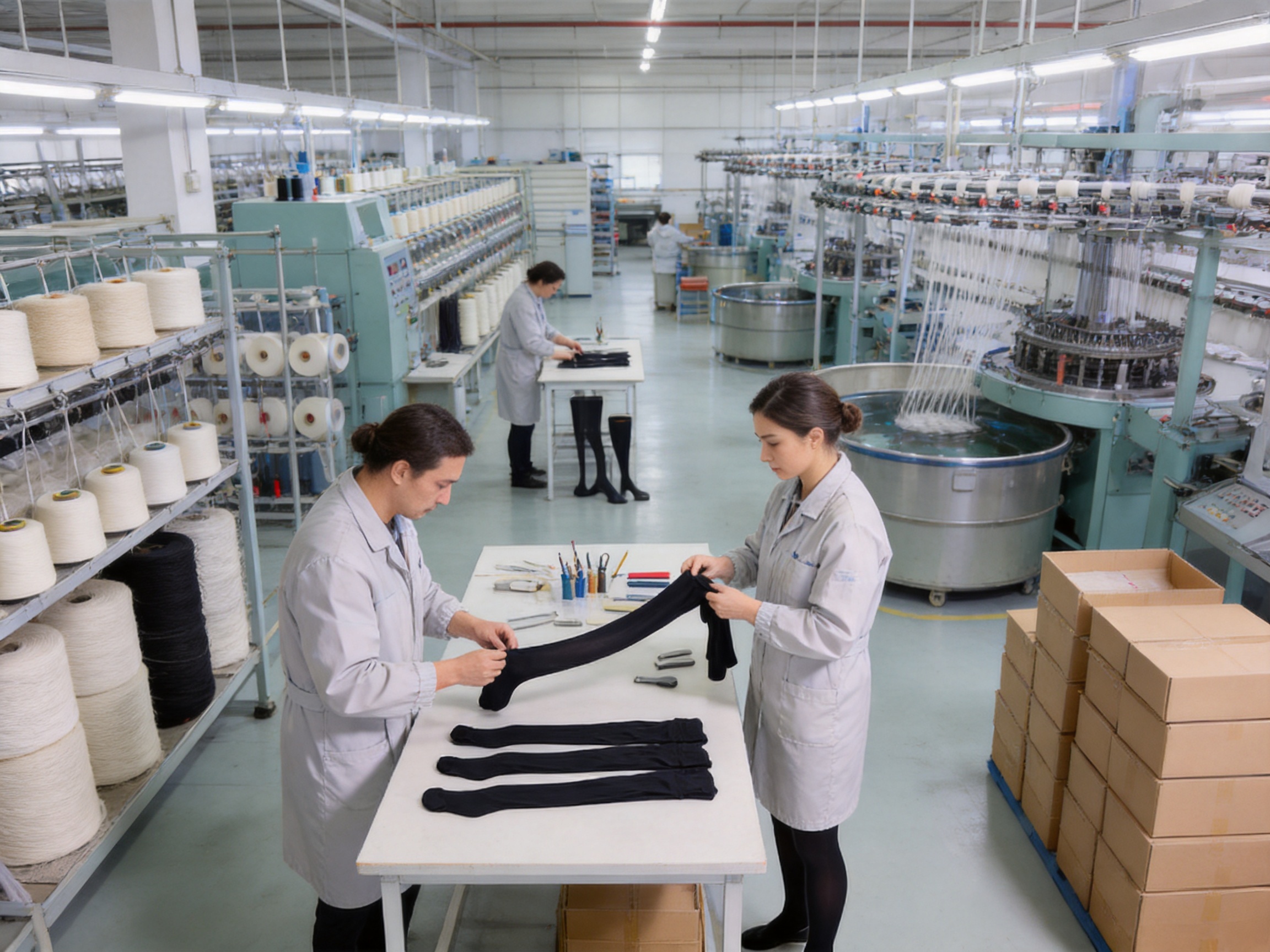
Full inspection is included in the company’s production system. This is an important strength for a product where visual consistency is highly visible. Glossy surfaces can reveal irregularities more easily than heavily textured or patterned surfaces, so inspection helps identify issues before packing and shipment.
Quality inspection may consider factors such as knitted uniformity, surface appearance, color consistency, sizing, construction, shaping, and packaging accuracy. The specific inspection standards should be confirmed with the buyer during order development, but the presence of a full-inspection stage demonstrates the importance placed on finished-product control.
For wholesale customers, consistent quality has commercial consequences. A retailer may need to manage returns, customer complaints, shelf presentation, and replenishment. A dependable inspection process can reduce the risk of receiving products that vary noticeably in appearance or construction. It also supports confidence when the product is sold under a private label, where the brand itself is responsible for the customer experience.
Inspection is especially relevant to custom orders. When colors, sizes, packaging, or specifications are modified, the quality process must verify that the finished products match the approved requirements. A coordinated manufacturer can align production records and inspection procedures with the customer’s order details.
The stated packing arrangement is 200 pieces per carton with OPP bag packaging only, and the packing method can be customized. OPP bags provide a straightforward protective format for individual pieces and can support efficient carton packing. For large-volume orders, standardized carton quantities also help buyers plan storage, transportation, and distribution.
Packaging can be adapted for different sales channels. A wholesale distributor may prefer simple protective packaging to control costs and improve warehouse efficiency. A retail brand may request branded packaging, printed inserts, size stickers, barcode labels, or presentation cards. E-commerce sellers may require additional protection or information for individual fulfillment. These requirements should be discussed before production so that packaging materials, carton dimensions, and packing procedures can be confirmed in advance.
Clear carton planning is also valuable when multiple colors and sizes are ordered. Buyers should establish a packing list that identifies the product code, color, size, quantity, carton number, and any special labeling requirements. This can help improve inventory accuracy after shipment and make distribution easier at the receiving warehouse.
Because the MOQ is 2,000 pieces per size and color, customers should create an order plan that reflects anticipated demand. A carefully planned size and color matrix can reduce stock imbalance and help ensure that the most commercially important variants receive appropriate quantities. The manufacturer can then use the approved matrix to organize production and packing more efficiently.
Glossy opaque tights have strong visual potential in product photography. The reflective finish can create highlights that communicate the product’s main feature immediately. For digital commerce, images should show the tights in both close-up and full-look settings so that customers understand the difference between surface shine and overall opacity.
In physical retail, the product can be displayed near occasionwear, party dresses, boots, heels, or seasonal accessories. The shine can attract attention when placed beside matte hosiery styles. A retailer may create a small “finish story” that groups sheer, matte, ribbed, and glossy tights together, helping shoppers compare different visual effects.
Color customization expands merchandising possibilities. A black version may function as a year-round core product, while deep jewel tones, neutral shades, or carefully selected seasonal colors can support limited editions. Brands can use color to segment collections by occasion, season, customer age, or fashion direction without changing the essential product concept.
The style is also suitable for coordinated product architecture. A brand could offer glossy opaque tights alongside matching glossy socks, fashion leggings, or other hosiery products. Alternatively, it could use the tights as a higher-impact option within a basic legwear range. The product’s clear identity makes it easy to explain in catalogs and online listings: high-shine appearance, opaque coverage, 120D construction, nylon and spandex content, and customizable specifications.
For fashion-conscious consumers, the main attraction is visual impact. They may choose the tights because they make a familiar outfit appear more dramatic or contemporary. For practical shoppers, the appeal may be the combination of coverage and stretch. For retailers, the value lies in offering a differentiated item that can expand the range beyond basic opaque hosiery.
For private-label brands, the product can serve as a foundation for storytelling around confidence, shine, self-expression, and polished styling. It can be marketed as a wardrobe accessory that transforms an outfit rather than as a purely functional underlayer. The messaging should remain accurate and focus on the product’s actual features: glossy finish, opaque coverage, flexible nylon-and-spandex construction, and customization availability.
The company’s SEO description states that it adopts sustainable fabrics to reduce environmental impact and contribute to a greener future. Buyers interested in sustainability should discuss the specific fibers, certifications, recycled content, dyeing practices, packaging materials, and production standards applicable to their order. Sustainability claims are strongest when supported by documented material and process information.
An integrated production system can support more coordinated resource management because several stages are handled within one manufacturing network. It may also make it easier to review production practices across yarn preparation, knitting, dyeing, finishing, inspection, and packaging. However, the environmental performance of a specific order depends on the confirmed materials, processes, quantities, and packaging selected by the buyer.
Customers may request information about sustainable yarn alternatives, recycled nylon, responsible spandex options, low-impact packaging, carton materials, and waste-reduction procedures. These discussions should take place during product development rather than after production begins. Early planning gives the manufacturer more opportunity to assess technical feasibility, color performance, cost, and minimum-order requirements.
Responsible production also includes durability and product usefulness. A well-made pair of tights that maintains its appearance and fit through appropriate use can provide greater value than a short-lived novelty item. Quality control, suitable sizing, careful finishing, and accurate care information all contribute to more responsible consumption.
Buyers considering this product should begin by defining the target market and intended sales channel. Important questions include whether the tights are designed for mass retail, boutiques, online sales, uniforms, performance-related fashion, seasonal collections, or private-label programs. The answers can influence color selection, size range, packaging, labeling, and order quantity.
The next step is to confirm the technical specification. The current product information identifies 120D, nylon and spandex fiber content, customizable colors, customizable sizes, and OPP bag packing. Buyers should confirm the desired color references, size chart, waistband requirements, package format, labeling, carton specifications, and any additional performance expectations.
Sample approval should follow technical discussions. A buyer can evaluate the sample’s shine, opacity, stretch, hand feel, fit, color, seams, shaping, and packaging. It is useful to review samples under different lighting conditions because a glossy finish may appear different in daylight, retail lighting, and photography.
After approval, the buyer should confirm the production quantity by size and color. The MOQ is 2,000 pieces per size and color, so the purchasing plan should be prepared carefully. A clear order matrix helps prevent misunderstandings and supports efficient production scheduling.
Before shipment, the buyer should review inspection arrangements and packing details. If the customer has a specific quality standard, measurement tolerance, color tolerance, or packaging checklist, these requirements should be documented. Clear communication at each stage supports a smoother OEM experience and helps both parties evaluate the finished goods against the approved sample.
Hosiery production requires more than basic fabric manufacturing. Tights must combine yarn performance, knitting precision, elasticity, shaping, color, finishing, inspection, and packaging. Each stage affects the final customer experience. An experienced manufacturer with a specialized pantyhose production system is therefore better positioned to manage the technical relationship between these stages.
Zhejiang Chenyu Knitting Co., Ltd. was founded in 1989 and has developed through nearly four decades of continuous innovation and production experience. Its activities include domestic brands, foreign trade, e-commerce, and OEM customization. This broad business background gives the company exposure to different market requirements and product development needs.
The company’s complete pantyhose industry chain is a significant strength for buyers seeking a stable supply partner. From yarn development to finished packing, the production process is organized around hosiery expertise. This can support more efficient communication, better process coordination, and a stronger foundation for customized programs.
For the glossy opaque tights specifically, the manufacturer’s capabilities align closely with the product’s requirements. Yarn and elasticizing support the nylon-and-spandex construction. Greige weaving and piecing establish the garment structure. Dyeing enables color customization. Shaping and finishing support fit and appearance. Full inspection helps protect consistency. Packaging capabilities support wholesale and private-label delivery.
Glossy opaque tights are close-fitting hosiery with a luminous, high-shine surface and dense coverage. This product uses a 120D construction, making it more substantial and less transparent than sheer tights. It is designed to provide a polished appearance while remaining stretchy and comfortable for styling.
The product code provided for this style is CY-88012.
The tights are 120D. This indicates a substantial opaque construction designed to provide strong coverage and a more uniform leg appearance.
The stated fiber content is nylon and spandex. Nylon supports a smooth and durable surface, while spandex contributes stretch and recovery for a flexible close fit.
Yes. The high-shine finish makes them suitable for parties, celebrations, evening outfits, festive collections, and other occasions where a more radiant fashion effect is desired. They can also be used as an accent in everyday styling.
They can be styled for everyday wear when the consumer wants opaque coverage with a more noticeable finish. They may be paired with skirts, dresses, tunics, knitwear, boots, or casual tailoring. Actual comfort and service life depend on correct sizing, care, and normal use.
Yes. The provided product information states that colors are customizable. Buyers should supply color references and approve samples before bulk production.
Yes. Sizes are customizable. Buyers should provide or confirm a size chart, measurement requirements, and any regional grading expectations during product development.
The MOQ is 2,000 pieces per size and color. Buyers should calculate the size and color assortment carefully before placing an order.
The stated arrangement is 200 pieces per carton with OPP bag packaging only. Packing can be customized according to the buyer’s requirements.
Yes. Customizable colors, sizes, and packing make the style suitable for OEM and private-label development. Branding, labels, inserts, and other packaging details should be confirmed with the manufacturer before production.
The company’s one-stop system covers yarn research and development, spinning, elasticizing, yarn wrapping, greige weaving, piecing, dyeing, roughening, shaping, full inspection, and packaging.
Buyers should review opacity, surface shine, color, stretch, recovery, hand feel, sizing, shaping, seams, waistband construction, packaging, and overall appearance. It is also useful to view the sample under different lighting conditions.
The company states that it adopts sustainable fabrics to help reduce environmental impact. Buyers should request specific information about available sustainable fibers, certifications, recycled content, dyeing methods, packaging, and applicable production standards for their order.
Zhejiang Chenyu Knitting Co., Ltd. is located in Dongyang, Jinhua, Zhejiang, China. Its address is No. 289 Juhe Road, Jiangbei Subdistrict, Dongyang, Jinhua, Zhejiang, China.
Glossy opaque tights offer a distinctive combination of visual radiance, full coverage, flexible fit, and broad styling potential. The 120D construction gives the product a substantial opaque appearance, while the high-shine surface adds a more fashionable and statement-oriented character than ordinary matte tights. Nylon and spandex provide the material foundation for a smooth, stretchy garment designed to move with the wearer.
The product can serve special-event dressing, seasonal fashion, everyday styling, private-label collections, and wholesale hosiery programs. Customizable colors and sizes allow buyers to adapt the style to their target market, while customizable packing supports different retail and distribution requirements. With an MOQ of 2,000 pieces per size and color, the product is well suited to organized OEM and bulk purchasing plans.
Its manufacturing foundation is equally important. The company’s experience since 1989 and its integrated hosiery production system cover the full path from yarn development to packaging. This one-stop structure supports coordinated technical management, customization, inspection, and supply planning. For brands and wholesalers seeking a high-impact opaque tight with reliable development support, glossy opaque tights represent a commercially versatile and visually differentiated product opportunity.
1. Product specification sheet for CY-88012 glossy opaque tights, including denier, fiber content, MOQ, colors, packing, and size information.
2. Company profile of Zhejiang Chenyu Knitting Co., Ltd., including company history, production capabilities, OEM services, and integrated hosiery manufacturing processes.
3. General textile terminology reference concerning denier, nylon fibers, spandex fibers, knitted hosiery construction, and garment finishing.
4. General apparel product-development practice concerning sample approval, color confirmation, size grading, packaging customization, and wholesale quality inspection.