
 English
  Español
  Deutsch
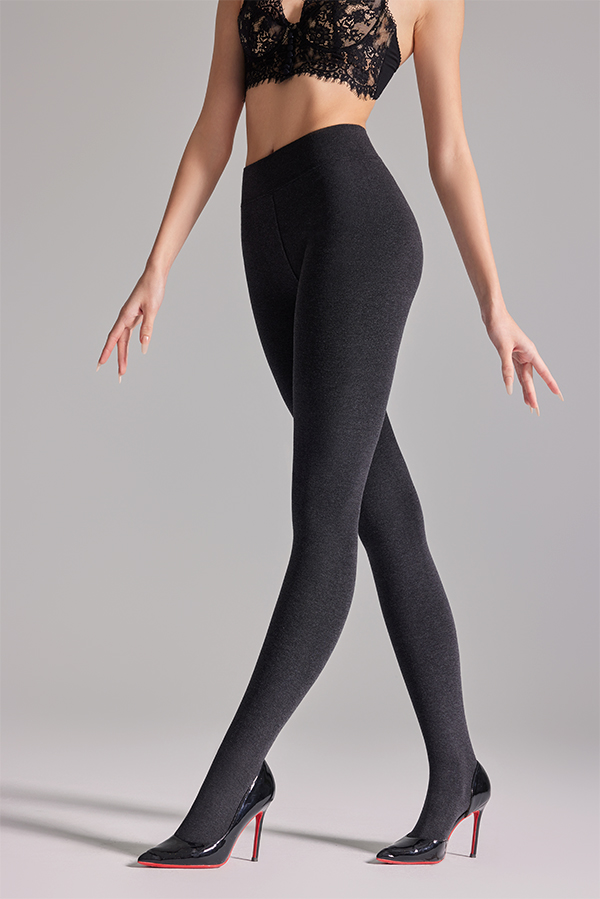
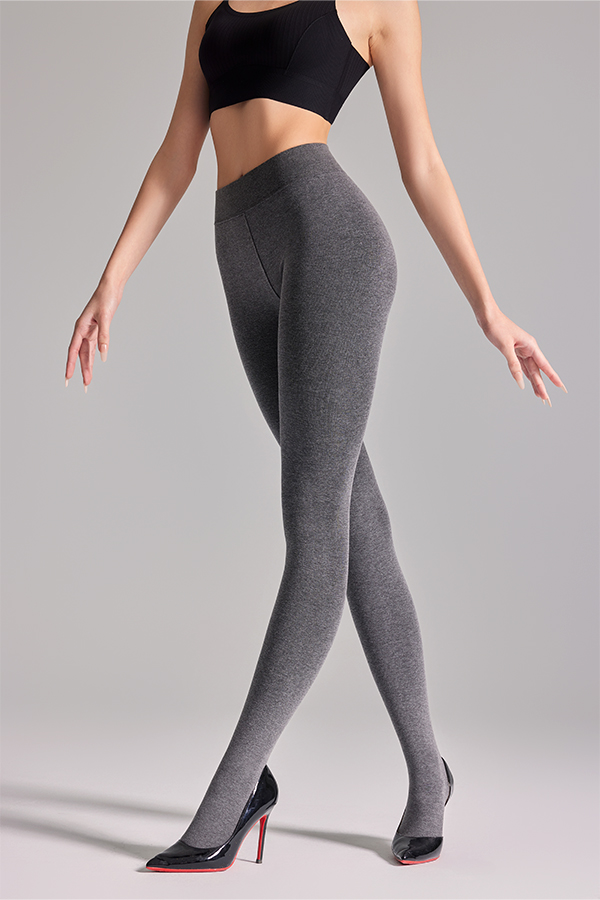
 Expanded panel thermal opaque tights

Our provided products

A seamless hosiery structure changes how a pair of tights is manufactured and inspected. Instead of relying on conventional sewn seams across the main body, the garment is formed through a controlled knitting process designed to create a continuous structure. For B2B buyers sourcing Seamless Opaque Tights, the production specification therefore needs to address yarn composition, knitting density, stretch, shaping, dimensions, and finishing rather than focusing only on the appearance of the finished garment.
The main body of Seamless Opaque Tights is produced through knitting equipment configured for the required garment structure. Yarn tension, knitting density, machine settings, and fabric formation can influence the finished thickness, elasticity, surface appearance, and dimensions.
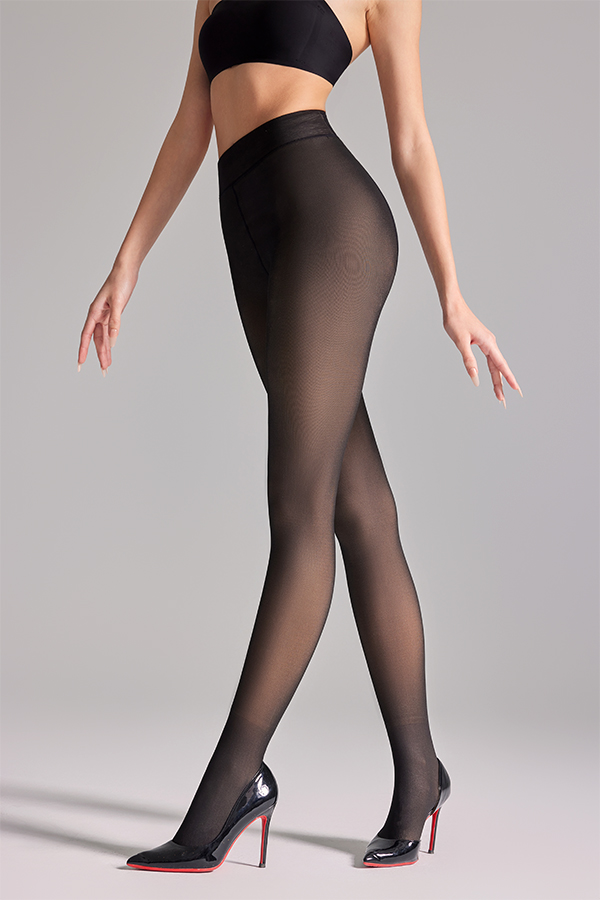
Opaque hosiery also requires sufficient fabric coverage to achieve the intended visual effect. The yarn specification and knitted structure work together to determine how much of the underlying surface is concealed.
At the factory, production parameters can be established according to an approved sample or technical specification. Monitoring the knitting process helps identify irregularities before the garments move to subsequent finishing and inspection stages.
A typical opaque tights specification can combine nylon with elastane or another elastic component. The ratio and characteristics of these materials affect the garment's ability to stretch and recover after deformation.
For B2B procurement, the fiber composition should be confirmed before production because changing the material ratio can alter the finished product. Buyers may also specify denier, yarn type, color, and required hand feel according to the target product range.
The manufacturer's production process includes yarn development, spinning, elasticizing, yarn covering, greige knitting, dyeing, shaping, inspection, and packaging. Integrating multiple stages within the production chain provides opportunities to maintain material and process records throughout manufacturing.
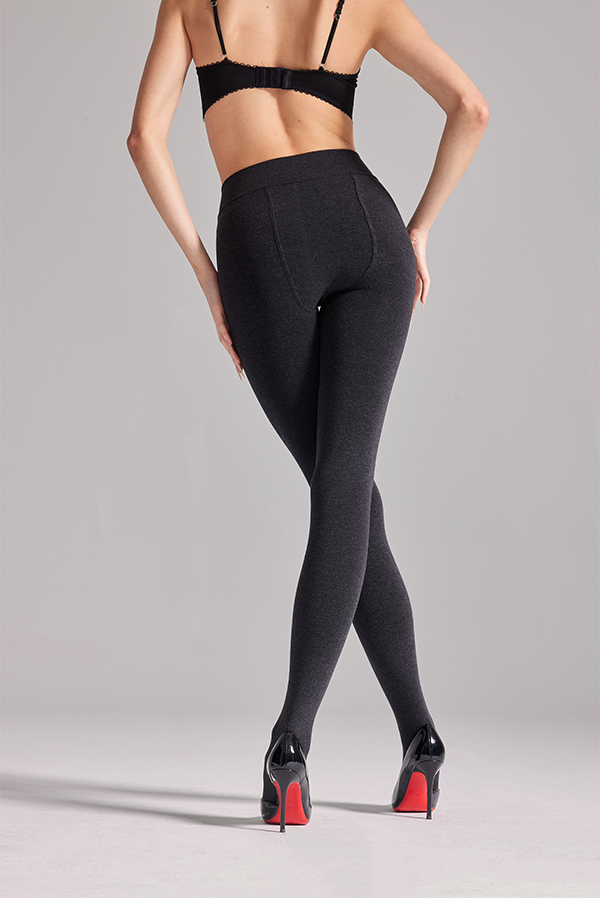
The seamless body still requires controlled shaping to achieve the specified waist, hip, leg, and foot dimensions. After knitting and dyeing, shaping and finishing processes can affect the final measurements.
For Seamless Opaque Tights, size consistency is particularly important for wholesale orders because the same product may be produced across multiple size ranges. A difference in finished dimensions can become more noticeable when garments are packed and sold under one standardized size label.
Buyers should therefore provide a clear size chart covering the required measurements and tolerances. An approved sample can also provide a physical reference for production teams when dimensional requirements are difficult to describe only through numbers.
Wholesale buyers may require different colors, sizes, waistband designs, packaging formats, or branding details. Private-label orders can also involve adjustments to the product specification while retaining the same basic seamless construction.
The factory can confirm customization requirements during the sampling and production preparation stages. Once the buyer approves the sample, the technical details can be recorded for bulk manufacturing.
For repeat orders of Seamless Opaque Tights, maintaining the approved yarn composition, knitting configuration, color reference, size chart, and packaging information can make subsequent production easier to coordinate. This is particularly useful when distributors need the same style to remain consistent across multiple purchasing cycles.
Quality inspection for Seamless Opaque Tights can cover the knitted surface, dimensions, waistband, toe area, color, elasticity, and visible defects. The seamless construction makes the knitted body itself an important inspection area because irregularities may originate during the knitting stage rather than during later assembly.
Inspection can take place at different stages of the production process, with final checks performed before packing. Finished products can be sorted according to approved size and color specifications before entering cartons.
For export orders, packaging details also require verification. Individual labels, size identification, quantities, carton markings, and product codes should correspond with the approved purchase order.
A clearly defined specification gives the manufacturer a consistent reference from yarn preparation through knitting, dyeing, shaping, inspection, and packing. For buyers purchasing Seamless Opaque Tights in bulk, this production-based approach helps connect the requested product specification with measurable factory controls.