
 English
  Español
  Deutsch
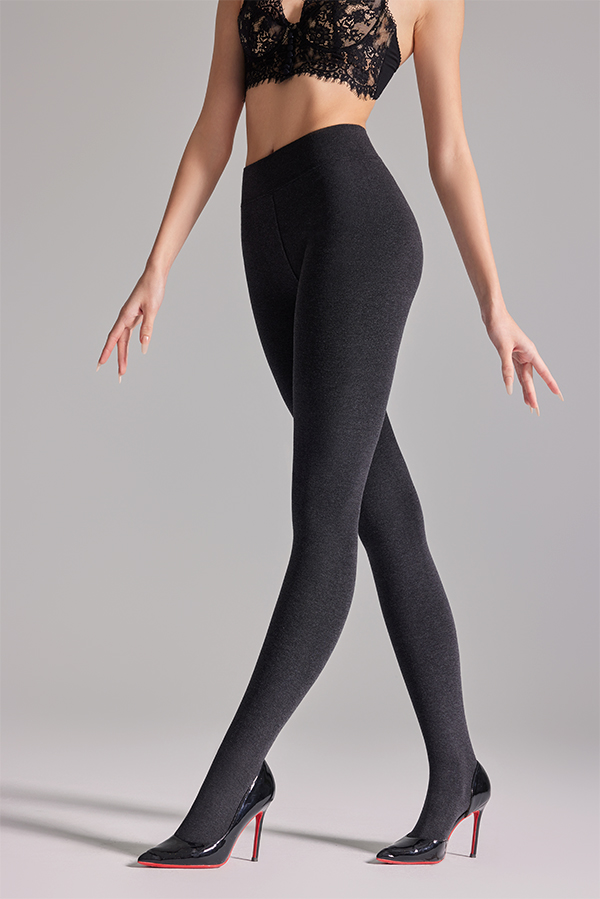
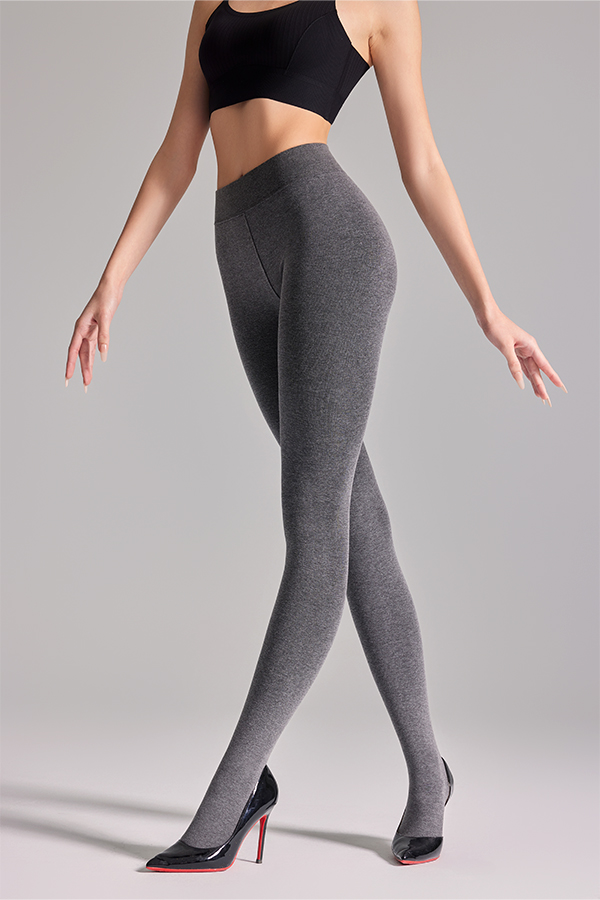
 Expanded panel thermal opaque tights

Our provided products

A decorative waistband changes the construction requirements of hosiery. Compared with a conventional elastic waist, lace introduces another material and another production interface that needs to remain consistent during stretching, shaping, and sewing. For B2B buyers sourcing Lace Waistband Tights, the purchasing specification therefore needs to cover more than fabric composition and size. Lace structure, waistband elasticity, attachment method, garment dimensions, color, and finishing details all influence the finished product.
The defining feature of Lace Waistband Tights is the decorative lace section positioned around the waist. The waistband needs to coordinate with the stretch characteristics of the main hosiery fabric so that the finished garment can retain its intended shape during use.
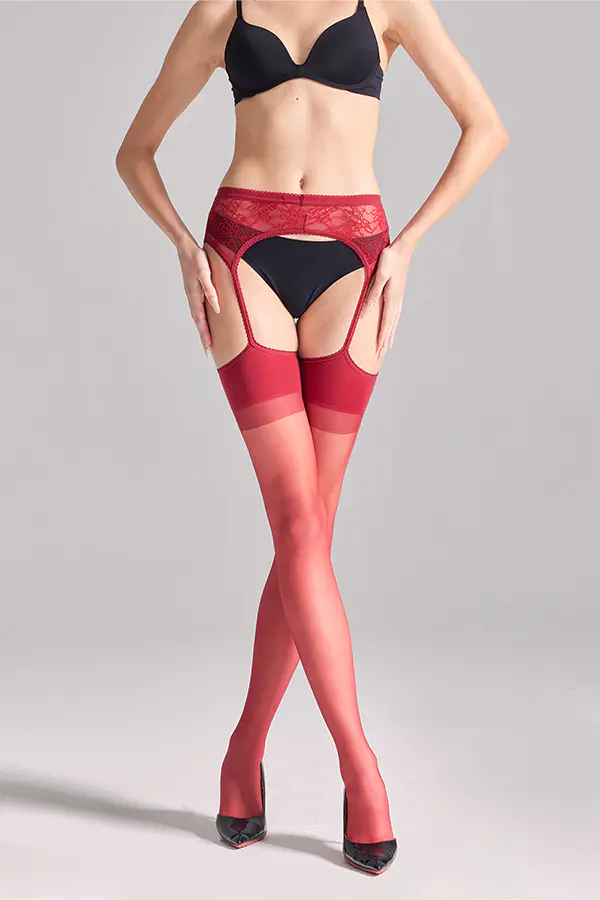
Lace patterns can vary from relatively open decorative structures to denser floral or geometric designs. The selected lace needs to correspond with the width and construction of the waistband. Buyers placing OEM orders can provide a reference sample, artwork, lace pattern, or dimensional specification for the factory to evaluate before production.
At the manufacturing stage, the waistband and body need to be handled as connected components. Differences in elasticity between the lace and hosiery fabric can affect how the waist section sits after assembly, making material matching and sewing control relevant to production consistency.
Before the lace waistband is attached, the main hosiery body is produced through knitting and subsequent processing. Yarn characteristics, knitting parameters, shaping, dyeing, and finishing all contribute to the dimensions and appearance of the garment.
The factory's production system covers processes including yarn development, spinning, elasticizing, yarn covering, greige knitting, piecing, dyeing, shaping, full inspection, and packaging. This type of integrated production structure gives manufacturers multiple points at which material and workmanship can be checked.
For Lace Waistband Tights, consistent shaping is particularly relevant because the waistband must connect with the upper section of the tights at the specified dimensions. If the body size and lace component are not matched correctly, the assembly can show uneven tension or alignment.
The lace component is not simply a decorative addition. Its width, stretch, pattern, edge structure, and material characteristics need to be considered when defining the product.
For wholesale and private-label orders, buyers may request different lace patterns, colors, waistband widths, or garment constructions. The factory can establish the approved lace sample and construction details before bulk production.
Current product information from Zhejiang Chenyu Knitting includes lace waistband suspender stockings alongside other lace-based hosiery products, showing that lace upper constructions form part of the manufacturer's garter and hosiery production range.
|
Specification |
Buyer Confirmation |
Production Consideration |
|
Lace pattern |
Approved design or sample |
Lace sourcing and matching |
|
Waistband width |
Finished measurement |
Cutting and assembly |
|
Waist elasticity |
Required stretch and recovery |
Material matching |
|
Main fabric |
Fiber and denier specification |
Knitting parameters |
|
Color |
Approved color reference |
Dyeing and batch control |
|
Size |
Waist, hip, and leg measurements |
Shaping and inspection |
|
Packaging |
Label, quantity, and packing format |
Final packing |
For Lace Waistband Tights, defining these details before production reduces ambiguity between the buyer's product development team and the factory. It also provides a reference for repeat orders when the same style needs to be manufactured again.
A manufacturer handling Lace Waistband Tights orders may need to produce several sizes or colors within one purchase order. Each configuration should be identified clearly so that the appropriate lace, fabric, size, and packaging specifications remain associated with the correct production batch.
OEM projects can also involve modifications to waistband height, lace pattern, garment color, toe construction, or packaging. Such changes should be confirmed through samples or approved specifications before bulk production begins.
For distributors, maintaining a consistent product code and technical specification is useful when repeat orders are placed. The factory can use the approved production record as a reference for material preparation, knitting, assembly, inspection, and packing.
Final inspection of Lace Waistband Tights can include checking lace alignment, waistband dimensions, stitching, fabric appearance, size measurements, elasticity, color consistency, and visible defects. Particular attention can be given to the connection between the lace section and the main hosiery body because this area combines different materials and construction processes.
Full inspection and packaging are included in the manufacturer's stated production chain, providing a final checkpoint before finished hosiery enters shipment.
For overseas B2B orders, packaging identification also needs to match the approved specification. Size, color, style number, carton quantity, and labeling can be checked before cartons are sealed.
When sourcing Lace Waistband Tights, the useful production reference is therefore a complete specification covering both decorative and functional details. Clear requirements for lace construction, waistband dimensions, main fabric, sizing, color, assembly, and packaging give the factory a defined basis for producing consistent batches.