
 English
  Español
  Deutsch
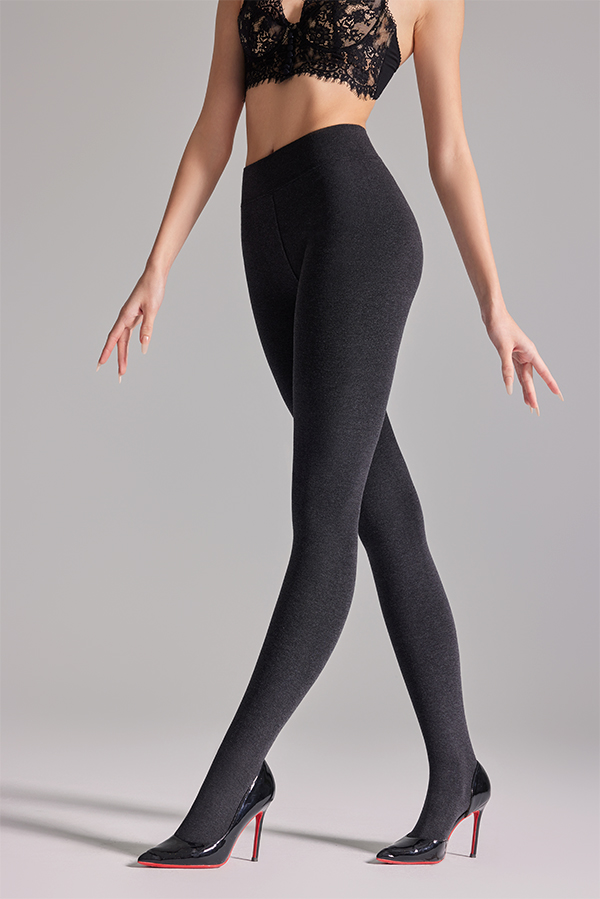
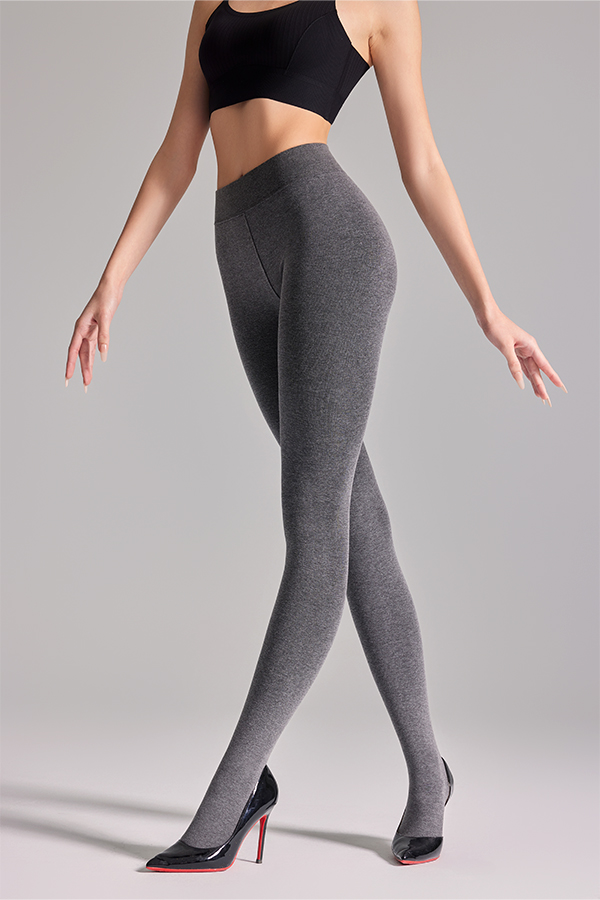
 Expanded panel thermal opaque tights

Our provided products
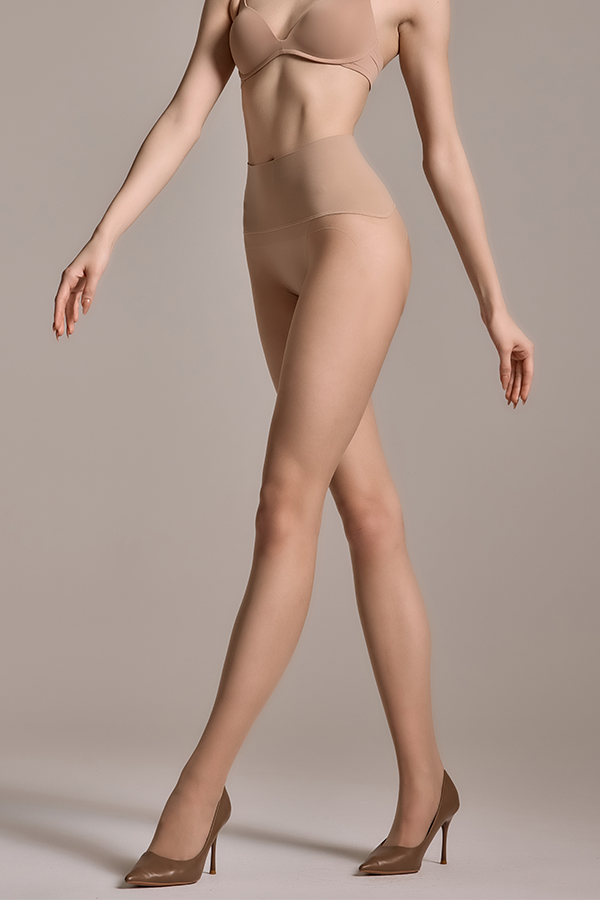
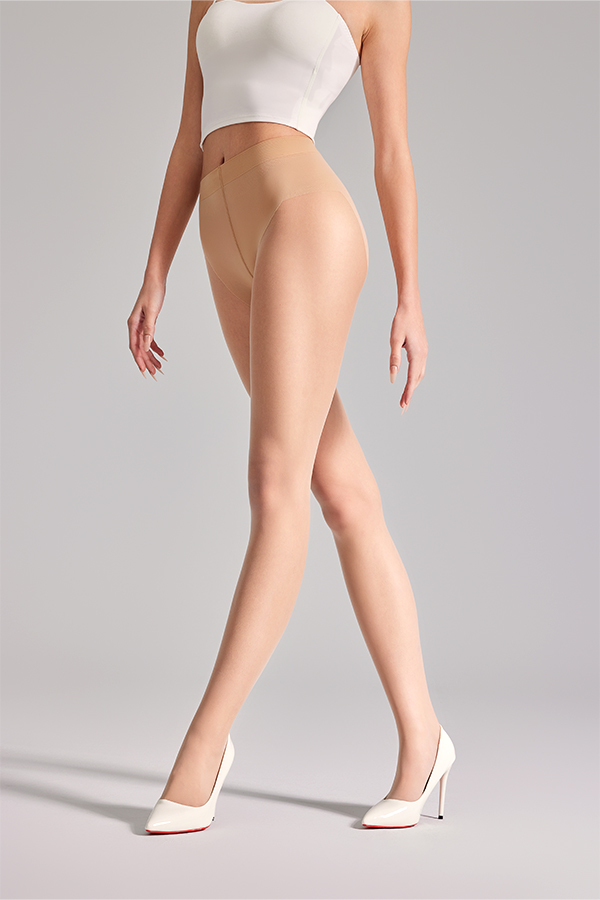
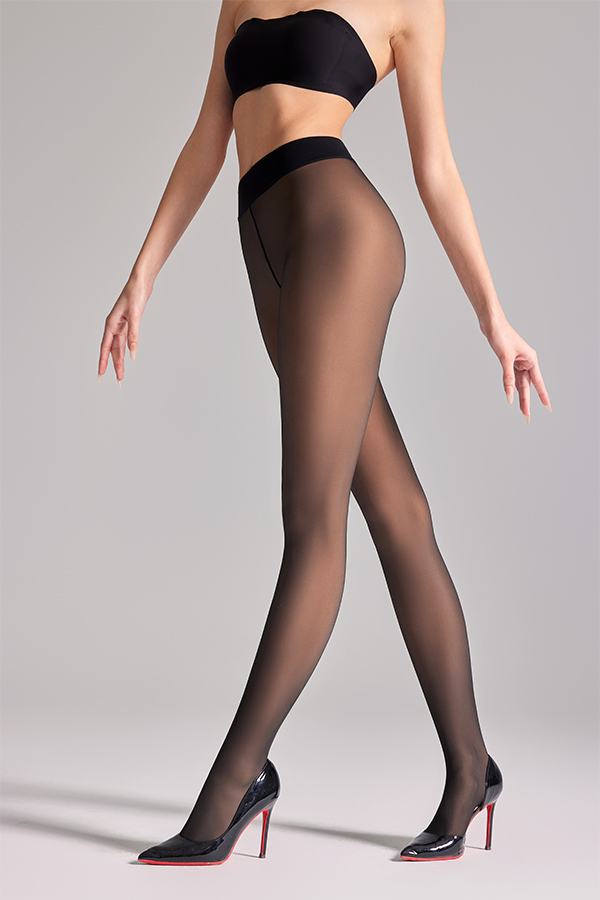
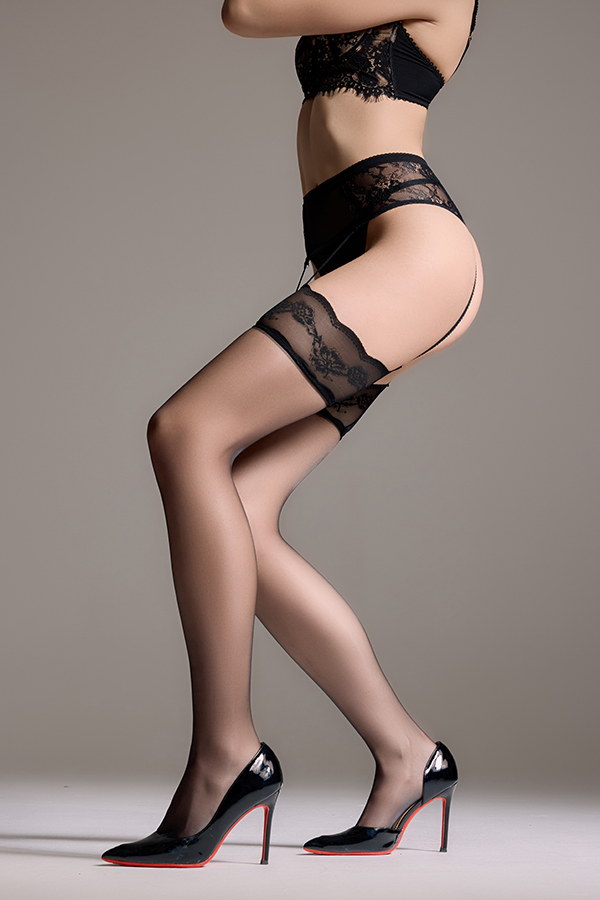
A fine-gauge sheer fabric that looks flawless on a hanger faces a very different test the moment a garter clip grips it and holds tension for hours at a time. Sheer garter styles combine two design goals that pull in opposite directions: the delicate, high-denier transparency that defines sheer hosiery, and the sustained mechanical grip a garter clip needs to hold the stocking in place without slipping or tearing through. Getting both right in the same piece is less about choosing one priority over the other and more about isolating where each demand applies across the finished stocking.
A sheer garter stocking distributes almost no stress across the wide sheer panel that covers the leg, but the small area where a garter clip grips the fabric carries the entire weight of keeping the stocking positioned throughout a full day of wear. Zhejiang Chenyu Knitting Co., Ltd. addresses this by building a reinforced band or welt at each attachment point, a denser knit structure than the surrounding sheer panel that resists the clip's grip pressure without transferring stress into the finer stitches nearby. Without this localized reinforcement, a clip gripping bare sheer fabric tends to work a small tear outward with repeated adjustment.
Sheer hosiery denier count determines how transparent and how delicate the base fabric will be before any garter hardware even enters the picture, with lower denier producing the fine, glass-like transparency associated with premium sheer styles and higher denier trading some transparency for added strength. A sheer garter design built on a very low denier base needs proportionally more reinforcement at the attachment points to compensate for the base fabric's inherent fragility, while a slightly higher denier sheer can rely on less aggressive reinforcement while still reading as sheer to the eye. Denier alone does not tell the full story, since yarn elasticity and knit tightness both influence how a given denier count actually performs once it carries real tension at a garter attachment point, which is why two fabrics listed at the same denier can behave quite differently once a clip is fastened and the leg is in motion.
Garter clip attachment hardware itself varies in grip width and clamping pressure, and a clip designed for a thicker garter-stocking fabric can bite too aggressively into a lightweight sheer weave, concentrating force into a narrower band than the reinforced welt was built to absorb. Matching clip hardware to the specific fabric weight of a given line is a coordination point between the hosiery knitting and any separately sourced garter belt or clip components, particularly on OEM programs where the two elements come from different production stages. A metal clip with fine serrated teeth grips securely on a mid-weight reinforced band but can perforate a very fine sheer weave at the same clamping pressure, which is why hardware selection needs to reference the actual fabric sample rather than a general spec sheet describing denier alone. Some sheer garter programs specify a wider, smoother clip surface to spread clamping pressure across more fabric area when the base sheer weight sits toward the lighter end of the range, trading a slightly bulkier hardware profile for a lower risk of tearing at the grip point.
Zhejiang Chenyu Knitting Co., Ltd. runs yarn development, elasticizing, greige weaving, dyeing, and shaping under one production chain, which keeps the fine-tuning between sheer panel tension and reinforced attachment points within a single, coordinated process rather than split across separate suppliers who never test their components together. A sheer garter line developed this way carries the reinforcement decisions through from the initial knit structure to the finished, packaged product, rather than treating the attachment point as an afterthought stitched on at the end. Sample testing at this stage typically involves repeated clip attachment and removal cycles on the reinforced band, checking whether the welt holds its density and grip resistance after dozens of fastenings rather than judging the construction on a single test fit.
A sheer garter stocking sized for a fuller thigh circumference places the attachment point under a different tension profile than the same design scaled down for a narrower leg, since the reinforced band has to accommodate a wider range of movement and stretch without losing its grip integrity. Grading this attachment point across a full size run means adjusting the density of the reinforced welt itself, not just the overall stocking dimensions, since a welt calibrated for one size range can feel either too rigid or too loose once applied unchanged to a size at either end of the spectrum.