
 English
  Español
  Deutsch
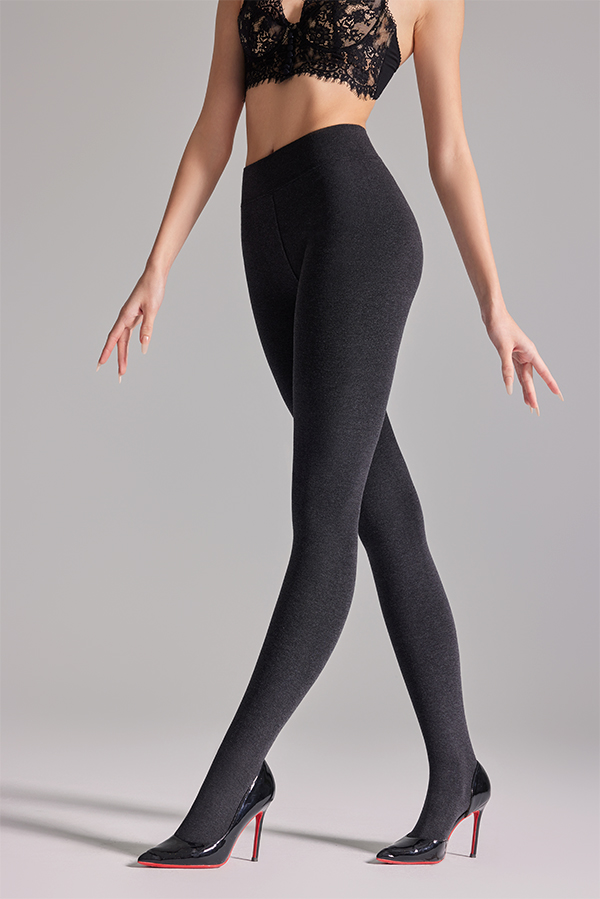
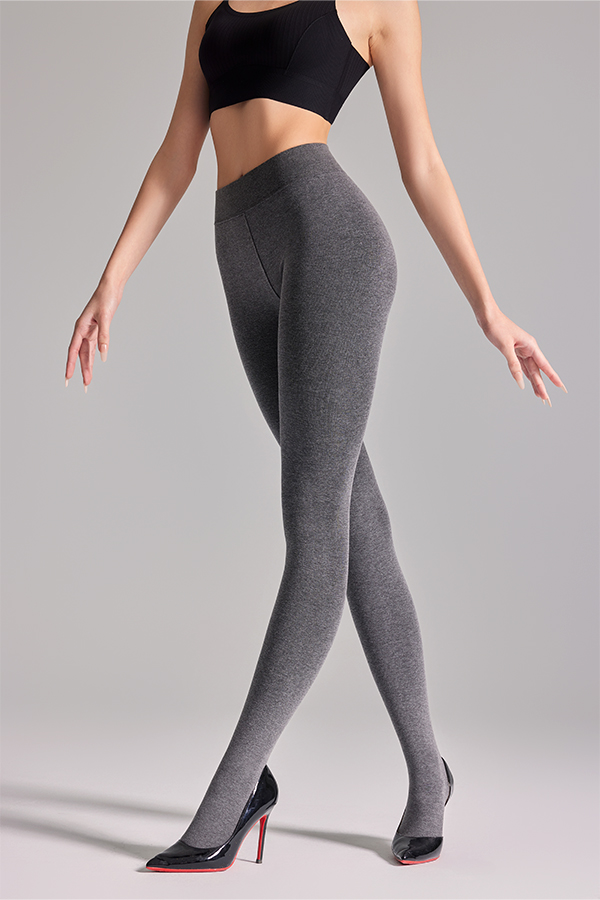
 Expanded panel thermal opaque tights

Our provided products
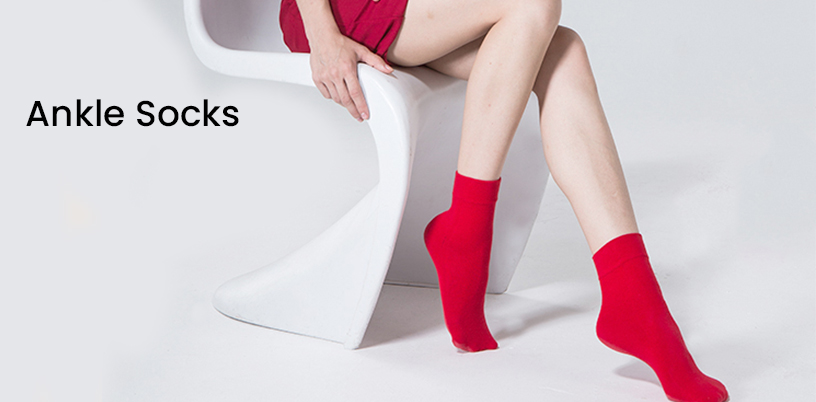
A compression garment that squeezes evenly along its entire length works against the leg's own circulation pattern rather than with it, which is why a well-built compression product applies pressure unevenly on purpose. Opaque compression socks achieve this graduated effect through knit tension that varies deliberately from ankle to calf, layered underneath the solid, non-transparent coverage that defines opaque hosiery more broadly. Getting both properties into a single product distinguishes a purpose-built pair of opaque compression socks from an ordinary opaque style with a snug cuff added at the top.
Graduated compression knitting builds the tightest pressure at the ankle and gradually loosens the knit tension moving up the leg, a structure intended to support venous return by working with the direction blood naturally moves back toward the heart. Opaque compression socks built without this graduated structure, applying uniform pressure throughout instead, lose much of the circulation benefit that distinguishes a genuine compression product from a sock that merely feels snug. Zhejiang Chenyu Knitting Co., Ltd. programs this pressure gradient directly into the knitting pattern rather than achieving it through a separate elastic insert or an added compression layer. Achieving this through the knit structure itself, rather than a bonded-on band, also keeps the finished sock free of the seam lines and pressure points a separate elastic insert can introduce at the transition between zones.
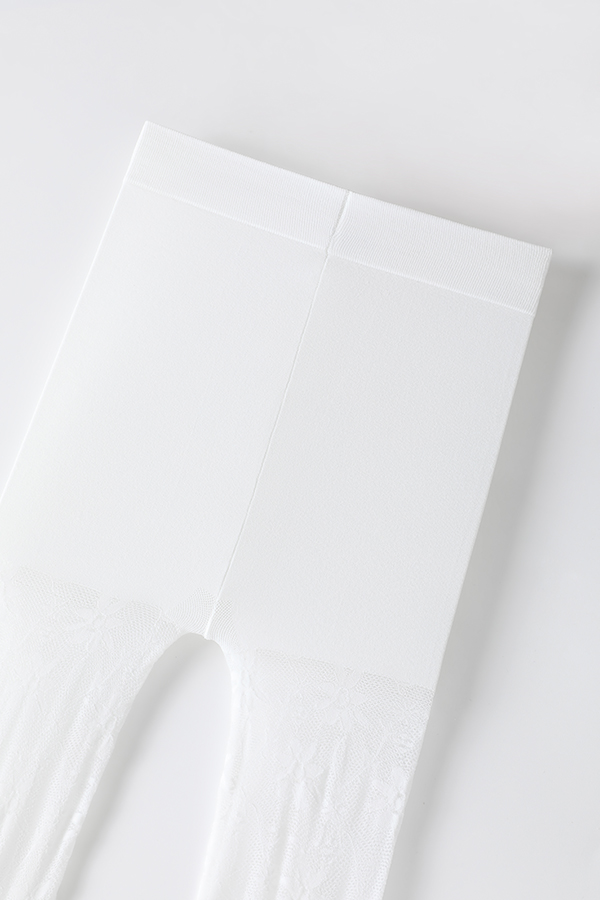
Denier count opaque hosiery typically sits above 40 denier to achieve the full, non-transparent coverage the category is defined by, and a compression sock built on this same opaque base has to maintain that solid appearance even as the underlying knit tension varies by zone to create the graduated compression effect. Balancing a visibly consistent, opaque exterior against a knit structure that changes tension internally from ankle to calf takes more coordination during pattern development than either the opacity or the compression profile would require on its own. A denier count set too low for the compression zones can let the tighter ankle section appear visibly thinner than the calf, undermining the uniform look opaque hosiery is meant to deliver even when the compression function itself is performing exactly as designed.
The yarn blend used in opaque compression socks determines how well the compression effect holds up through repeated wear and washing, since an elastic yarn that loses recovery over time gradually reduces the pressure gradient the sock was originally knitted to provide. This same yarn selection also influences the warmth the opaque exterior delivers on a pair of opaque compression socks, an attribute buyers sourcing for cooler-weather markets weigh alongside the compression function itself rather than treating the two properties as unrelated to each other.
Zhejiang Chenyu Knitting Co., Ltd. carries its opaque compression lines through yarn development, elasticizing, greige weaving, dyeing, shaping, and full inspection within one production chain, allowing the pressure gradient set during the knitting stage to be verified again during final inspection before packaging. This end-to-end structure keeps the compression profile aligned with what was originally programmed into the pattern, supporting the kind of consistency a wholesale buyer needs when specifying opaque compression socks across a full production run rather than relying on a single approved sample. Pressure testing at this stage typically involves checking ankle, calf, and transition-zone tension against the original pattern specification on units pulled from different points in a production run, rather than validating the gradient once at the start of a batch and assuming it holds steady through to the end.