
 English
  Español
  Deutsch
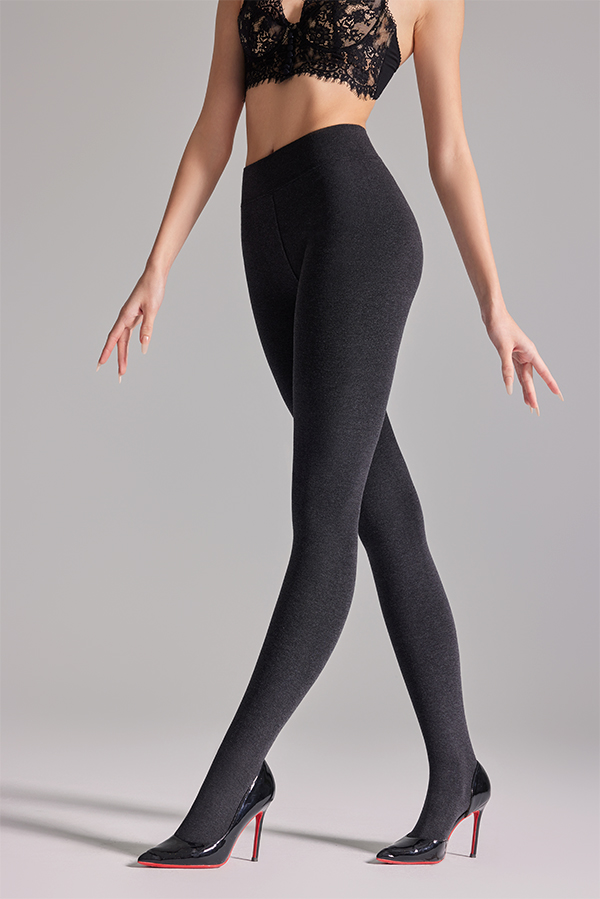
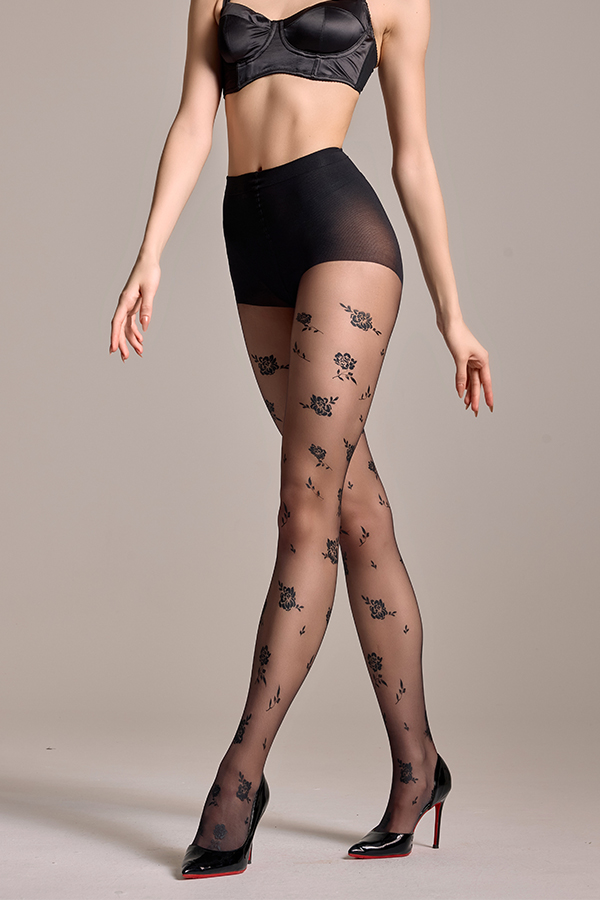
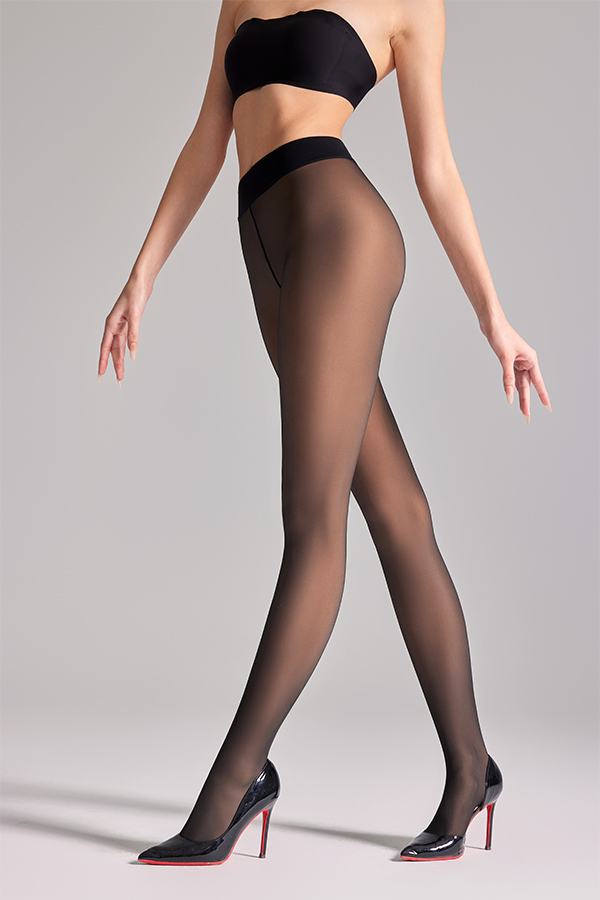
 Expanded panel thermal opaque tights

Our provided products

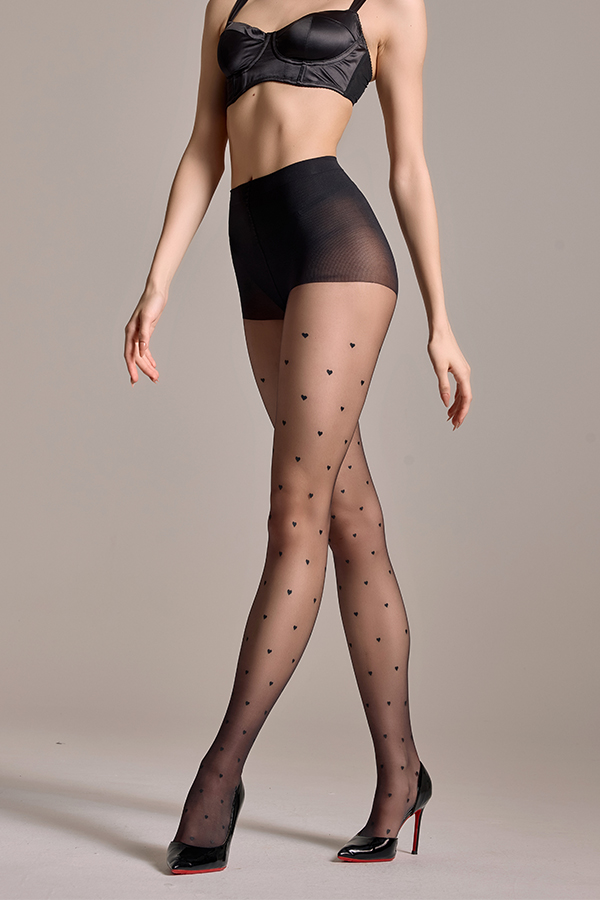
Distributors managing seasonal hosiery inventory keep facing the same timing question: when does a sheer garter reorder actually need to hit a factory's production schedule to avoid a stockout during peak demand months, and how far in advance does private-label customization push that deadline back? Sourcing teams working with export-focused knitting factories now build reorder calendars around production time as the starting point, then layer seasonal demand projections on top rather than the other way around.
Seasonal Demand Patterns and Lead Time Planning
Demand for sheer garter styles tends to track closely with lingerie and intimate apparel gifting periods, creating sharp order spikes distributors need to plan against months ahead rather than reacting to in the moment. A factory running standard production without expedited tooling typically needs several weeks between a confirmed purchase order and finished goods leaving the warehouse, and that window stretches considerably once dyeing, packaging, and quality inspection get added to a base knitting schedule.

Buyers who wait until a sales spike appears in point-of-sale data before placing a reorder routinely miss the window entirely, since a rushed order competes for factory capacity against every other distributor doing the same thing at the same point in the season. Distributors sourcing sheer garter hosiery for department stores or online retail increasingly place a baseline order early in a season and reserve a smaller, flexible allocation for a mid-season top-up rather than committing everything to a single production run.
|
Planning Factor |
Distributor Risk |
Recommended Practice |
|
Base production time |
Missed peak-season window |
Order 8 to 10 weeks ahead |
|
Dye lot consistency |
Color mismatch across batches |
Confirm dye lot before full run |
|
Private-label tooling |
Added setup time |
Lock artwork before sample approval |
|
Mid-season reorder |
Capacity competition |
Reserve flexible allocation upfront |
Private Label and OEM Customization
Wholesale buyers rarely stock a generic sheer garter style without some private-label element attached, whether that means custom packaging cards, branded silicone-grip waistbands, or a proprietary color range exclusive to a single retailer. Setting up this customization adds time to a factory's production calendar that buyers new to the category sometimes underestimate, since custom packaging dies, embossed logo tooling for elastic bands, and dedicated dye formulations all need time separate from the base knitting schedule.
Sample approval rounds add further delay when a customization request changes fit or fabric weight rather than just cosmetic branding. A distributor requesting a denier change alongside private labeling should expect an additional sample cycle before bulk production starts, since denier shifts alter how fabric drapes and how a garter band sits against the leg, requiring fit verification separate from a color or logo approval. Buyers building a private label hosiery program from scratch often underestimate how many rounds this fit verification can take when a new silhouette gets combined with custom branding for a launch collection.
Sizing Standardization Across Markets
Export markets rarely share a single sizing standard for garter-style hosiery, and buyers distributing across multiple regions need size charts converted and verified rather than assuming a factory's default grading matches a target market's expectations. A size labeled to fit a European body range does not necessarily match a North American or Southeast Asian size chart for the same garment, and mismatched sizing drives return rates that erode margin more than several other quality issues in this category.
Factories serving multiple export regions increasingly maintain separate grading rules per market rather than a single universal size chart, and buyers auditing new suppliers should request market-specific fit samples rather than relying on a single sample set to represent every region an order will ship to.
Export Compliance and Labeling Requirements
Fiber content labeling requirements differ enough between destination countries that a single production run intended for multiple markets sometimes needs several label variants printed and applied during the same packaging stage. Care labeling standards, country-of-origin requirements, and required legal disclosures all need verification per destination before a shipment clears customs, and buyers sourcing wholesale garter stockings for multi-country distribution increasingly request a compliance checklist mapped against each destination rather than assuming a single label format works everywhere.
CY Knitting structures its sheer garter production calendar around documented times for base knitting, private-label tooling, and market-specific sizing verification, giving distribution partners a planning reference that lines reorder timing up with actual factory capacity rather than guesswork tied to a single sales season.