
 English
  Español
  Deutsch
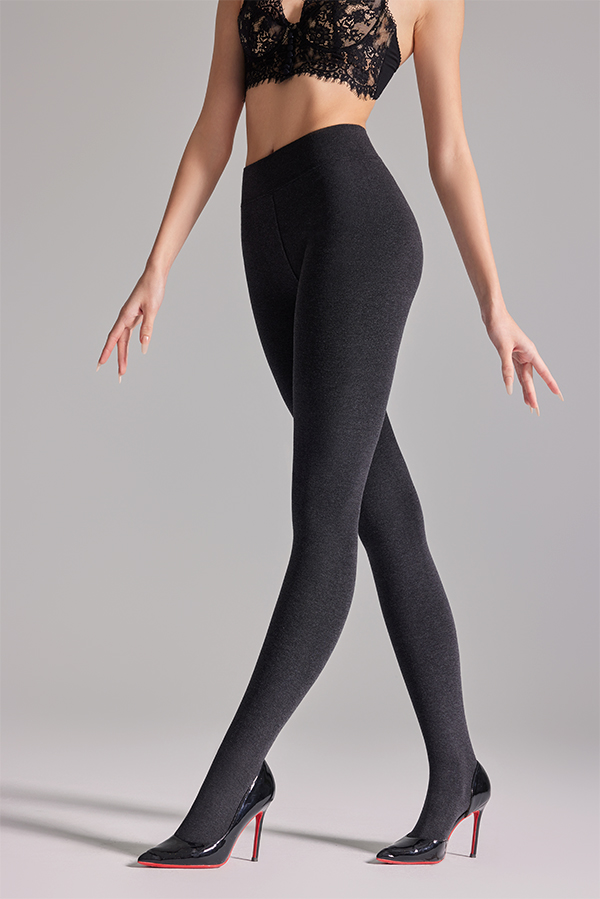
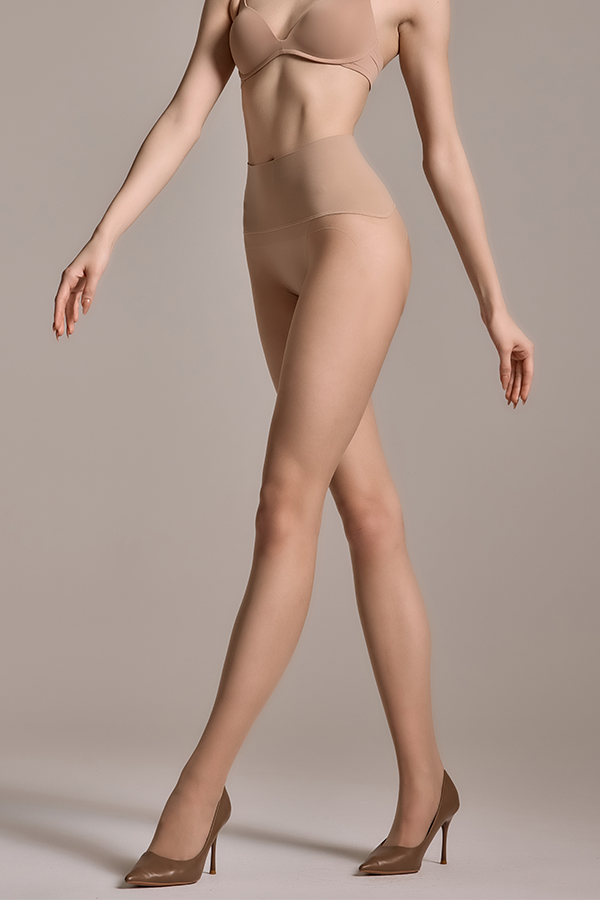
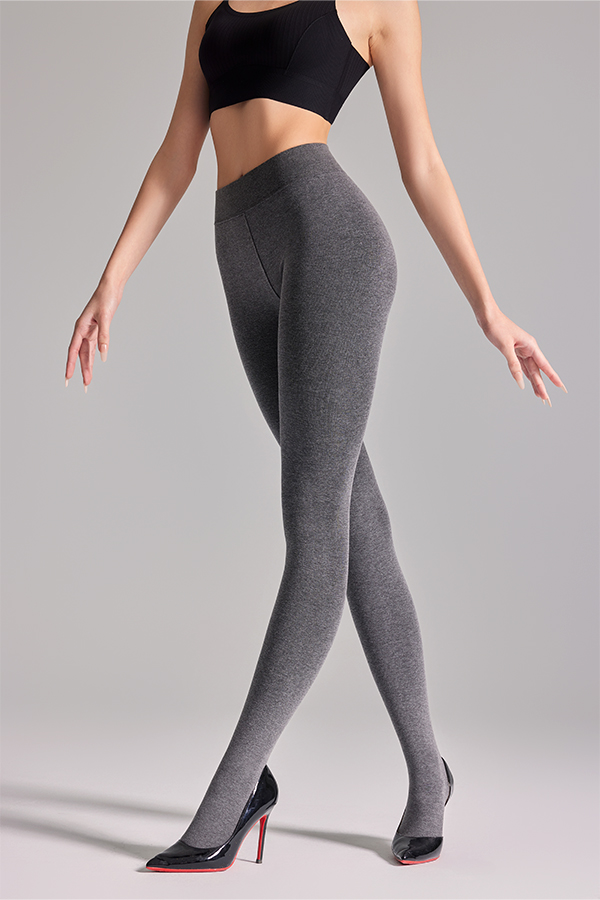
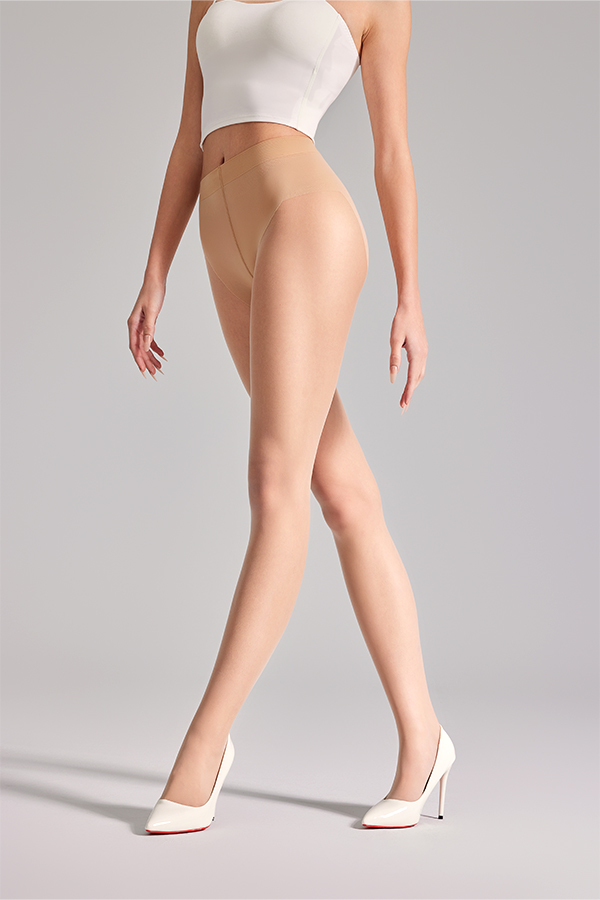
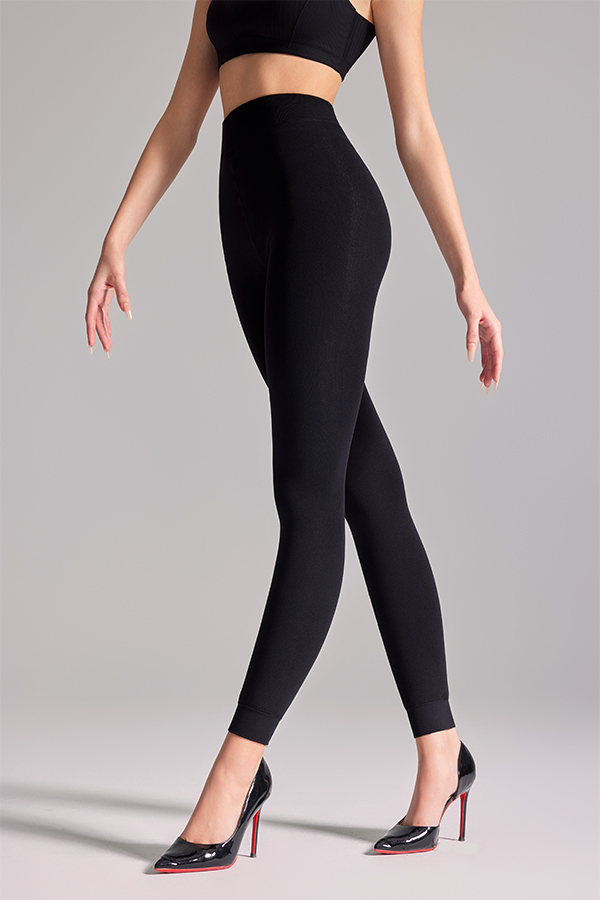
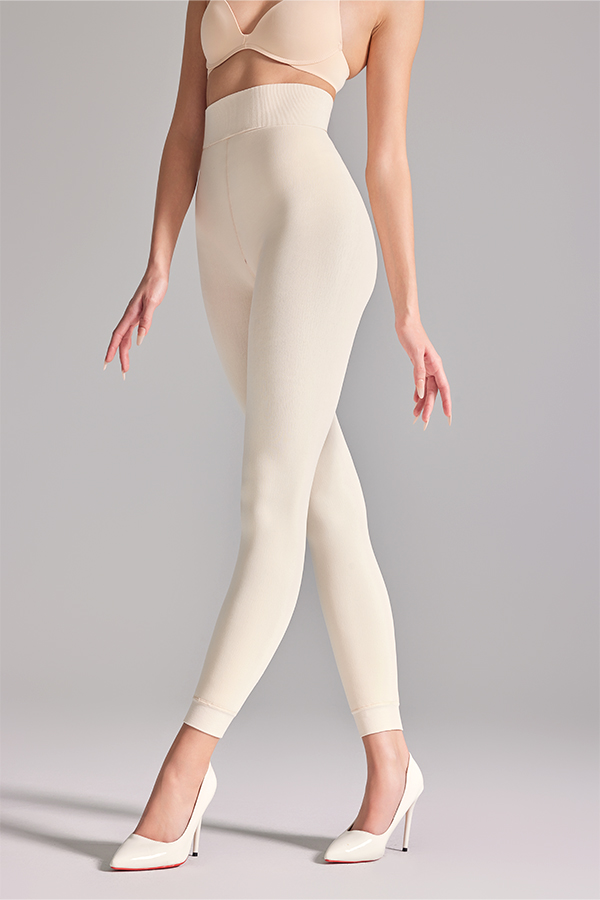
 Expanded panel thermal opaque tights

Our provided products

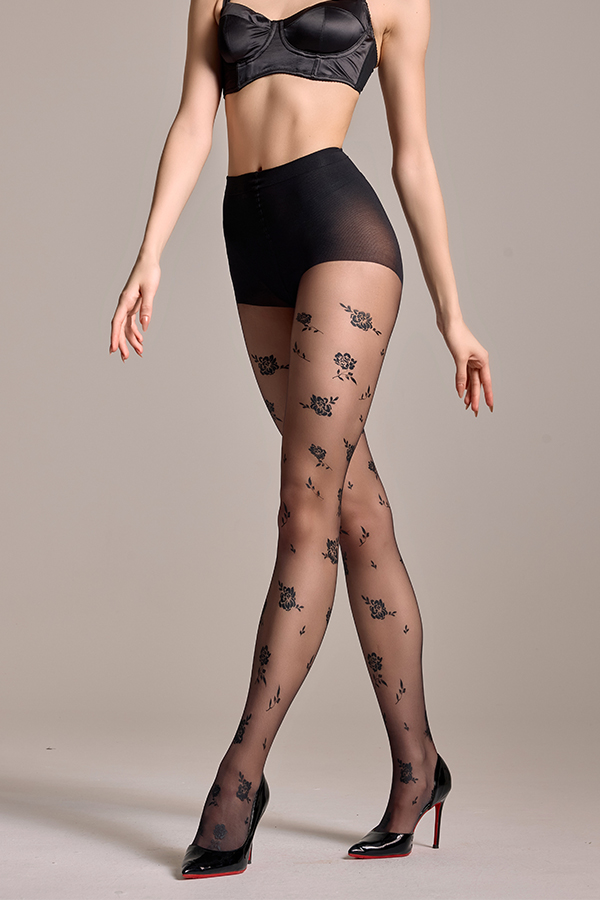
A lace hold up stockings product combines decorative textile elements with functional fabric construction. Although the finished item may look lightweight and delicate, the structure behind it involves careful consideration of knitting methods, elasticity control, and material performance.
In hosiery manufacturing, design changes are not only about creating new patterns. They are also related to improving the relationship between appearance, fabric behavior, and production methods.
A stocking is made from multiple connected sections, and each section has a different purpose.
The leg area needs suitable stretch.
The lace section creates the visual style.
The upper structure helps maintain the overall shape.
These parts need to work together during production.
For lace hold up stockings, the design process involves understanding how different fabric areas respond during use.
A lace pattern that looks attractive on a design draft still needs to be adjusted according to real textile conditions.
The final product depends on the connection between creative ideas and manufacturing experience.

The choice of yarn has a direct influence on hosiery production.
Different materials create different fabric characteristics.
Some yarns provide a softer surface.
Some improve elasticity.
Some help maintain pattern clarity.
For lace stockings, the material needs to support detailed patterns while keeping suitable flexibility.
Manufacturers often evaluate different material combinations during development because the same lace design may require adjustments depending on the yarn structure.
This process allows the finished lace hold up stockings to achieve a better balance between appearance and practical use.
Modern hosiery production relies on precise knitting equipment.
Compared with simple fabric structures, lace patterns require more control during manufacturing.
The machine settings.
The yarn movement.
The pattern arrangement.
All influence the final appearance.
A small change during knitting may affect the clarity of the lace details.
Because of this, experienced production teams usually adjust processes according to different designs instead of applying one standard method to every product.
This approach helps maintain the character of each lace style.
After knitting, stockings still require additional processing before shipment.
Finishing procedures help improve the final appearance and prepare the products for packaging.
During this stage, manufacturers may review:
fabric condition
shape appearance
stitching details
product matching
These checks are important because lace structures contain many fine details that need careful handling.
For lace hold up stockings, finishing is not simply the last step of production. It is part of maintaining the overall presentation of the product.
Many hosiery customers look for unique patterns rather than standard designs.
Custom lace widths.
Different colors.
Special pattern arrangements.
These requests create new challenges for manufacturers.
A design needs to be attractive, but it also needs to be suitable for production.
Before manufacturing begins, teams often evaluate whether the selected pattern, material, and structure can work together.
This connection between design planning and production capability helps transform ideas into finished textile products.
The appeal of lace hosiery often comes from details that may seem small.
The edge of the lace.
The arrangement of patterns.
The feeling of the fabric.
The overall shape.
Each part contributes to the final impression.
A lace hold up stockings product represents the combination of textile craftsmanship and manufacturing technology.
Behind a simple-looking stocking is a production process involving material knowledge, equipment adjustment, and attention to detail.
For hosiery manufacturers, improving these details is a continuous process. As textile technology develops, lace products continue to find new possibilities through better materials, improved production methods, and more flexible design approaches.