
 English
  Español
  Deutsch
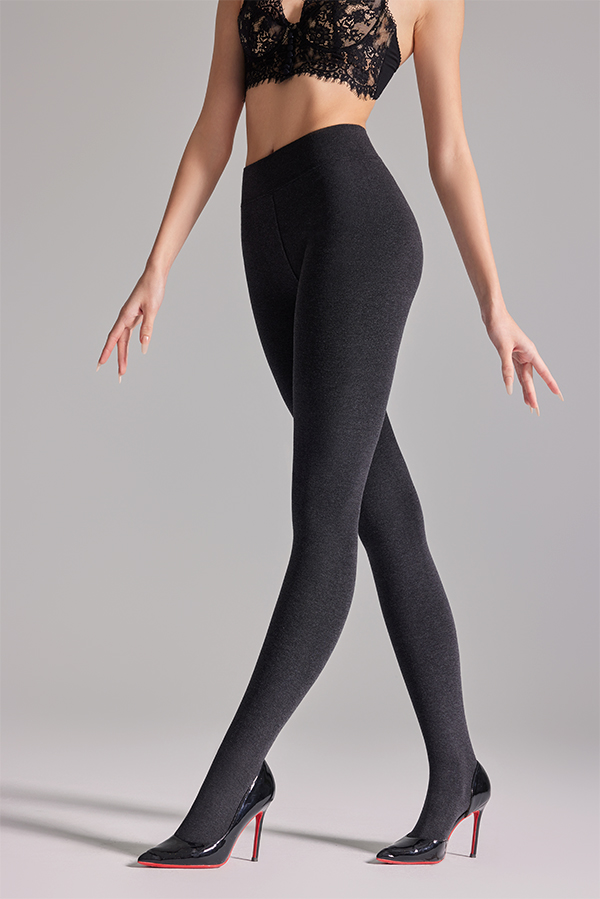
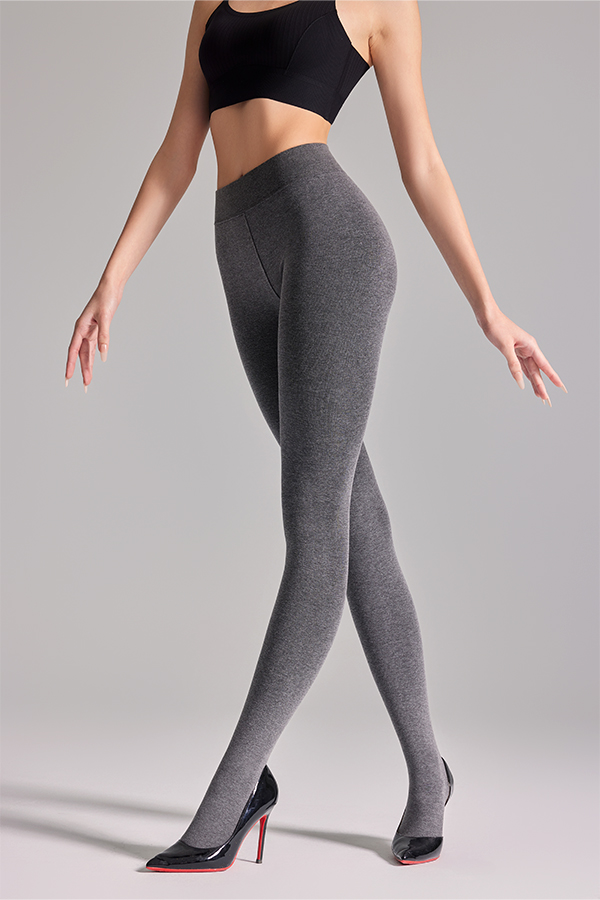
 Expanded panel thermal opaque tights

Our provided products
Many people expect non slip pantyhose to feel almost the same as ordinary hosiery during daily wear.
After several hours, however, some users notice the fabric feels noticeably warmer, especially around the waist, hip, and upper thigh areas. In humid weather, the difference becomes even more obvious because heat and moisture remain trapped longer against the skin.
Inside hosiery production, this usually happens because anti-slip structures change how airflow moves through the fabric.
Actually, stronger grip and better stability often come with reduced ventilation at the same time.
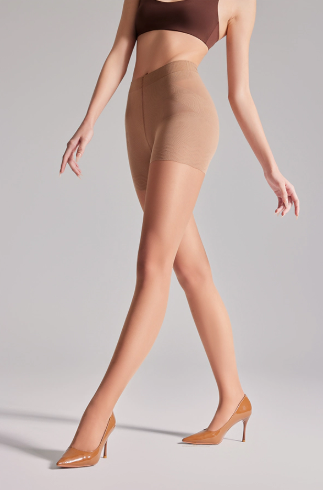
Dense Knitting Holds More Heat
To improve support, many non slip pantyhose use tighter knitting structures than lightweight fashion hosiery.
The additional compression helps reduce sliding and improves fit stability, but denser fabric also leaves less space for airflow between the yarn loops. Once body temperature rises during movement, heat escapes more slowly from the garment surface.
This becomes especially noticeable during:
Actually, some pantyhose feel breathable while standing still but become warmer after continuous movement increases body heat.
Silicone Areas Reduce Air Circulation
Certain non slip pantyhose include silicone grip zones around the waistband or thigh sections.
These areas improve friction against the skin, yet they also create sections where ventilation becomes more limited. Moisture evaporates more slowly underneath the grip strips, particularly in humid conditions.
Over time, this may create:
Actually, users often notice warmth around the anti-slip sections rather than across the entire garment.
Synthetic Fibers Retain Warmth Differently
Most non slip pantyhose rely heavily on synthetic yarns because elasticity and recovery performance are critical for maintaining stable fit.
Materials like nylon and spandex respond differently to heat compared with natural fibers. Once the fabric stretches closely against the body, warmth remains concentrated near the skin surface more easily.
This becomes more visible in high-density styles designed for shaping or support.
Actually, stronger compression usually increases contact between fabric and skin, which naturally reduces airflow during wear.
Moisture Changes Comfort Faster Than Temperature
Many people associate overheating only with temperature itself.
With non slip pantyhose, moisture retention often affects comfort more directly. Sweat trapped inside dense knitted areas changes how the fabric feels against the body even when the surrounding air temperature remains moderate.
The result is not always excessive heat.
Sometimes the garment simply feels less breathable after prolonged wear.
Balancing Stability And Breathability Is Difficult
To outside consumers, non slip pantyhose may seem like a simple variation of ordinary hosiery.
Inside manufacturing, however, improving grip, shaping performance, and stretch recovery usually affects airflow and moisture release at the same time. The more stable the garment becomes, the harder it is to maintain the lightweight ventilation people expect from thin hosiery.
The challenge is not adding anti-slip performance.
It is keeping the fabric comfortable after hours of body heat, movement, and close skin contact throughout daily wear.