
 English
  Español
  Deutsch
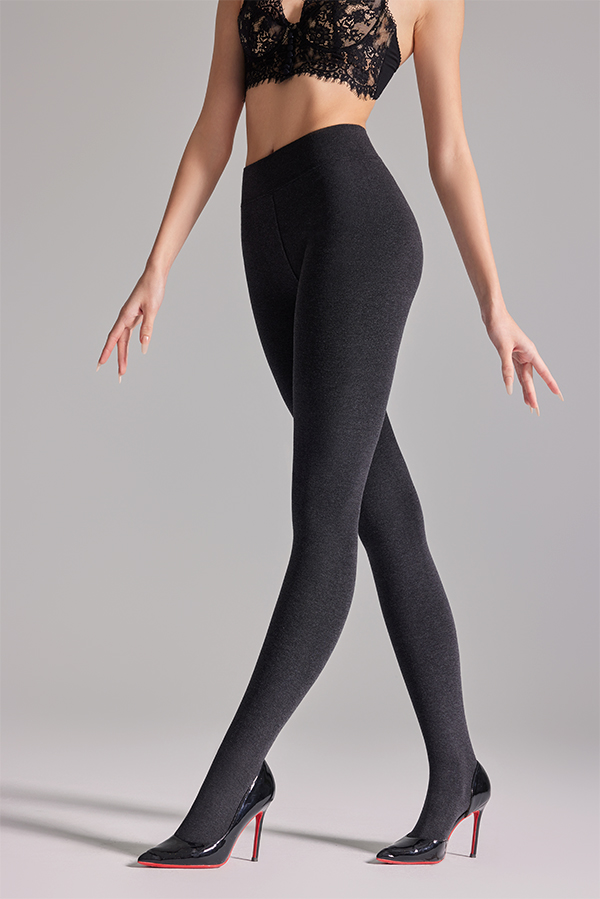
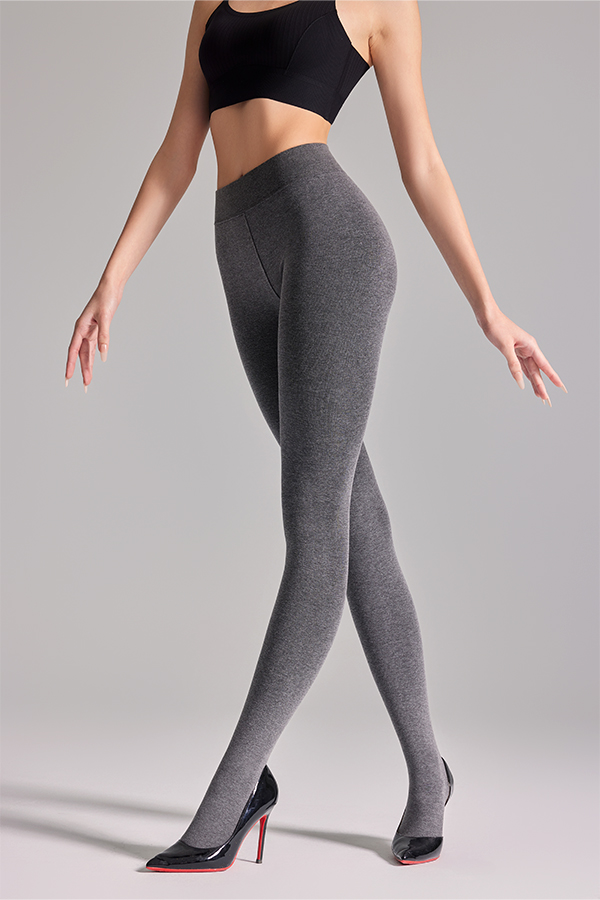
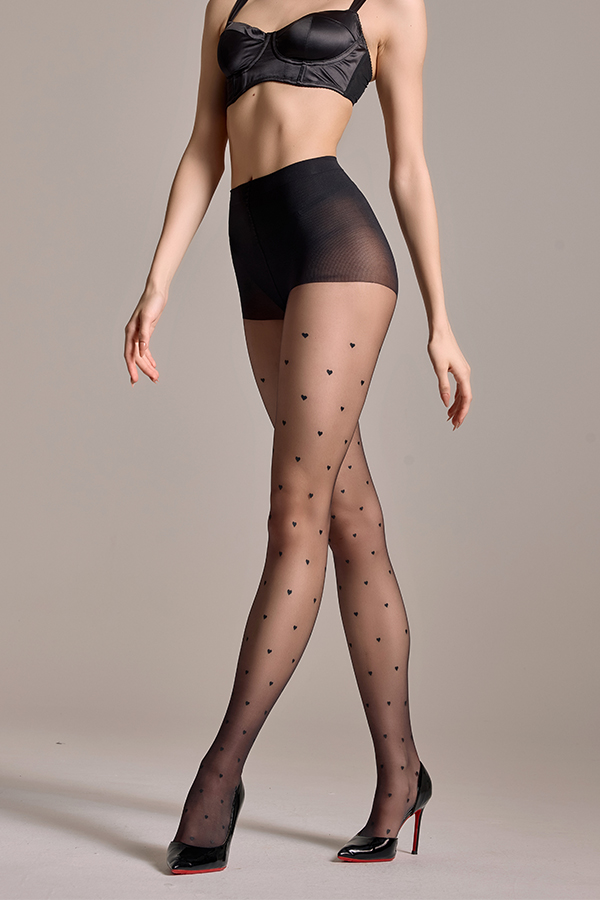
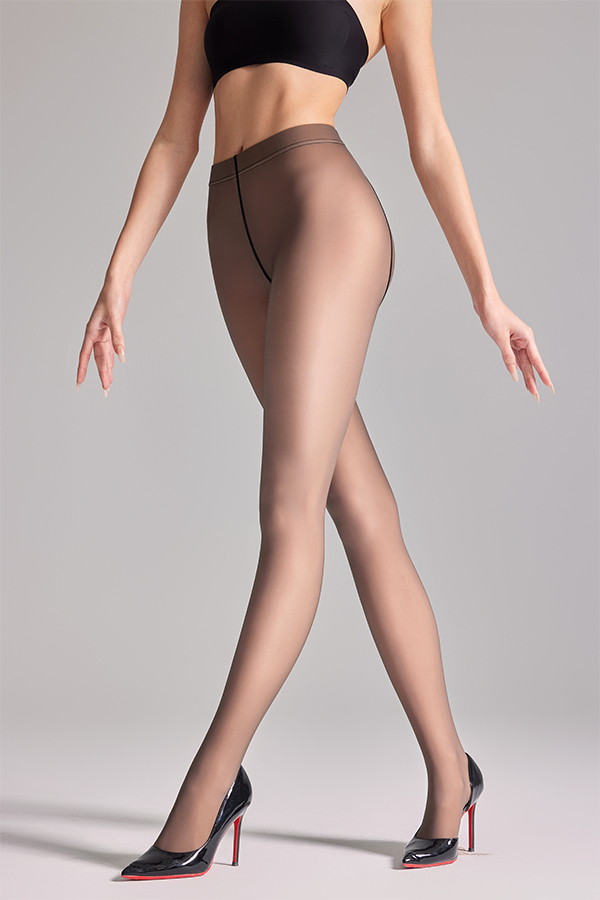
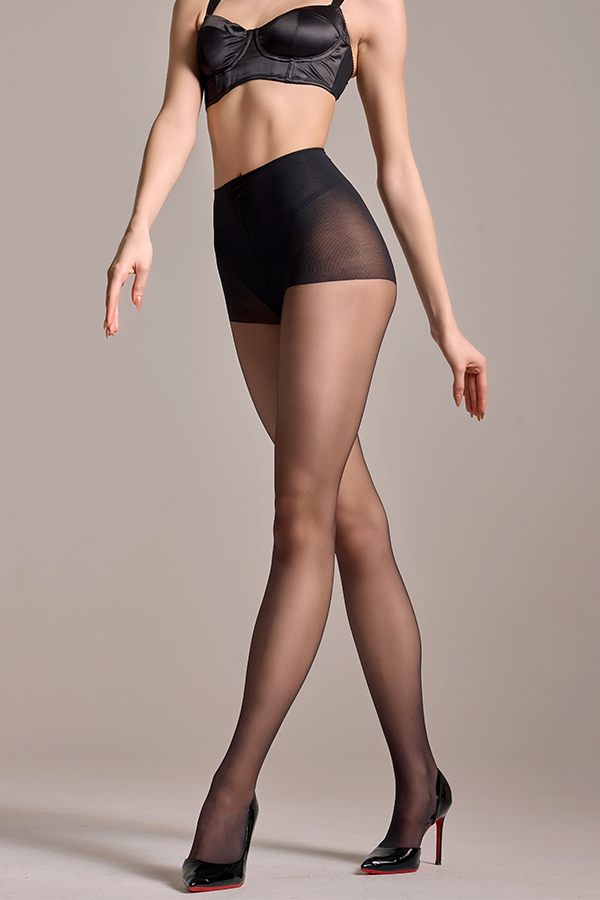
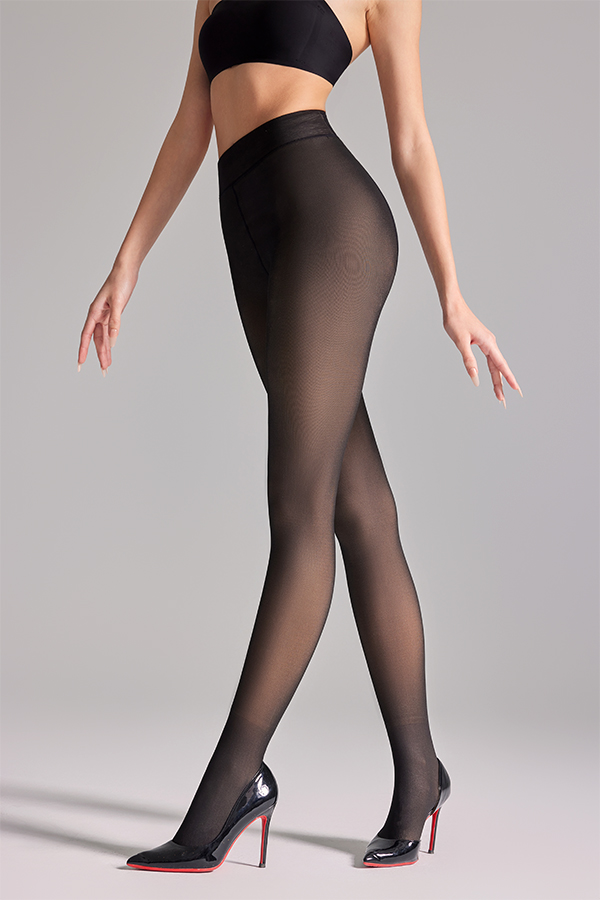
 Expanded panel thermal opaque tights

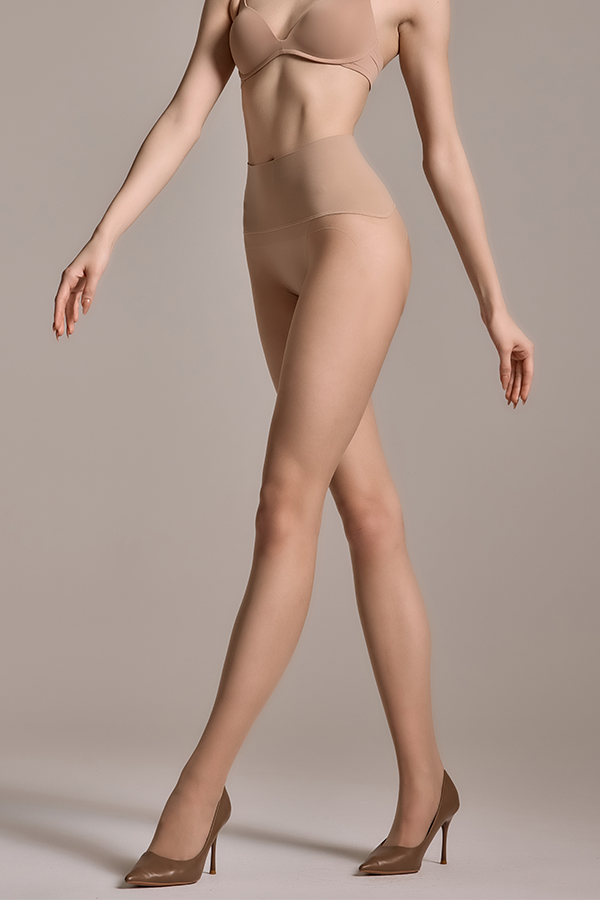
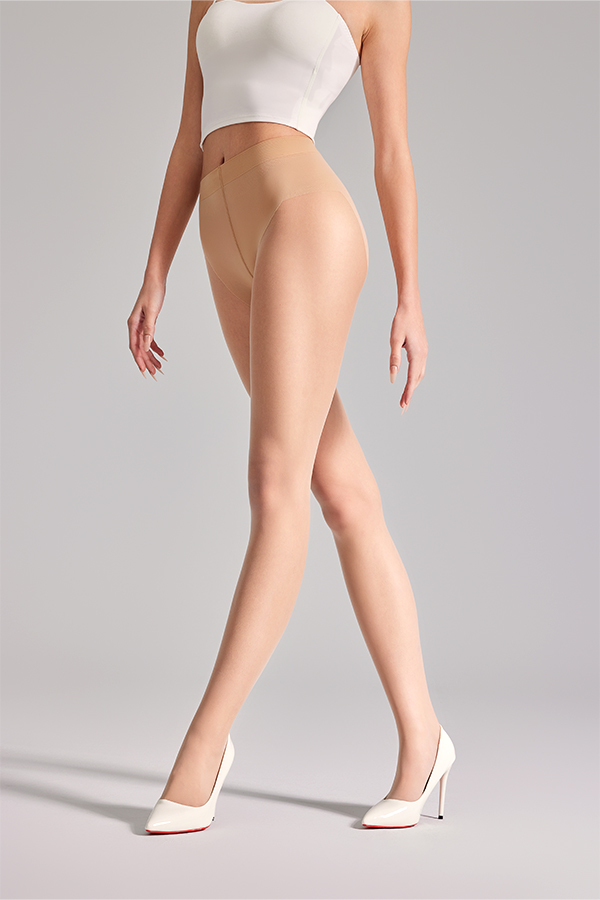
Our provided products
A pair of stockings may fit perfectly.
After walking for an hour, however, the upper band slowly begins sliding lower on the thigh. Some users adjust the stockings repeatedly throughout the day even though the fabric itself still feels elastic and undamaged.
With sheer holdups, this problem is more complicated than simple sizing alone.
Inside hosiery production, staying power depends on friction balance, elastic recovery, skin condition, and lace construction all working together at the same time. A stocking that feels comfortable initially may still lose grip gradually once body movement and temperature begin changing during wear.
Actually, many slipping problems only appear after the stockings warm against the skin for a while.
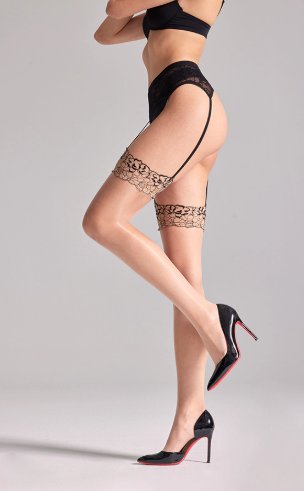
Silicone Grip Reacts To Skin Conditions
Most modern sheer holdups rely on silicone strips inside the upper band to help maintain position on the leg.
The difficulty is that silicone does not behave identically on every skin surface. Natural body oils, lotion residue, sweat, and humidity all influence how much grip the material can maintain during movement.
This becomes especially noticeable during:
Actually, a stocking that holds firmly in dry indoor conditions may slide much more easily in humid environments.
Leg Movement Constantly Changes Tension
Unlike tights, sheer holdups depend entirely on the upper band remaining stable while the lower fabric stretches repeatedly during walking.
Every step changes the pulling force across the stocking structure. Over time, repeated tension gradually transfers downward pressure toward the thigh band itself.
This becomes more obvious around:
Actually, continuous body movement often weakens grip more than the stocking weight itself.
Lace Structure Affects Long-Term Stability
The decorative lace section on sheer holdups is not only for appearance.
Inside hosiery manufacturing, the lace top also influences how evenly pressure spreads across the thigh. Softer lace may improve comfort, but if the structure stretches too easily, the silicone grip underneath loses stable contact with the skin.
Factories therefore try balancing:
Actually, a lace band that feels extremely soft initially may sometimes provide weaker long-term holding performance during active wear.
Body Temperature Changes Fabric Behavior
As sheer holdups warm against the skin, both the fabric and silicone sections respond slightly differently from their original condition.
Heat and moisture gradually soften certain elastic materials during wear. This changes how firmly the upper band presses against the thigh surface over time.
The effect becomes stronger when:
Actually, some stockings begin slipping not because the grip fails suddenly, but because the compression pressure slowly decreases throughout the day.
Sizing Problems Are Often More Subtle Than Expected
Many people assume slipping always means the stockings are too large.
With sheer holdups, sizing issues are sometimes more complicated. A stocking that appears visually tight may still distribute tension unevenly once stretched across different leg shapes.
If the fabric pulls too aggressively downward from the calf or knee area, the upper band absorbs additional stress continuously.
This may eventually cause:
Actually, improper tension balance sometimes causes more slipping than overall garment size itself.
Repeated Washing Slowly Changes Grip Strength
Over time, sheer holdups naturally lose part of their original recovery strength after repeated wear and washing cycles.
Elastic fibers fatigue gradually, while silicone grip sections may collect detergent residue or surface oils that reduce friction performance.
This aging process often develops slowly before becoming obvious.
Users may notice:
Actually, stockings sometimes appear visually normal long after the grip structure already begins weakening internally.
Holding Power Depends On Multiple Small Factors
To many consumers, sheer holdups seem simple because the stockings themselves feel lightweight and delicate.
Inside hosiery manufacturing, however, stable grip depends on multiple interacting conditions including elastic recovery, lace structure, silicone performance, body movement, and skin friction throughout the day.
The difficult part is not making the stockings stay up briefly.
It is maintaining balanced support after hours of movement, changing temperature, and continuous fabric tension during real everyday wear.