
 English
  Español
  Deutsch
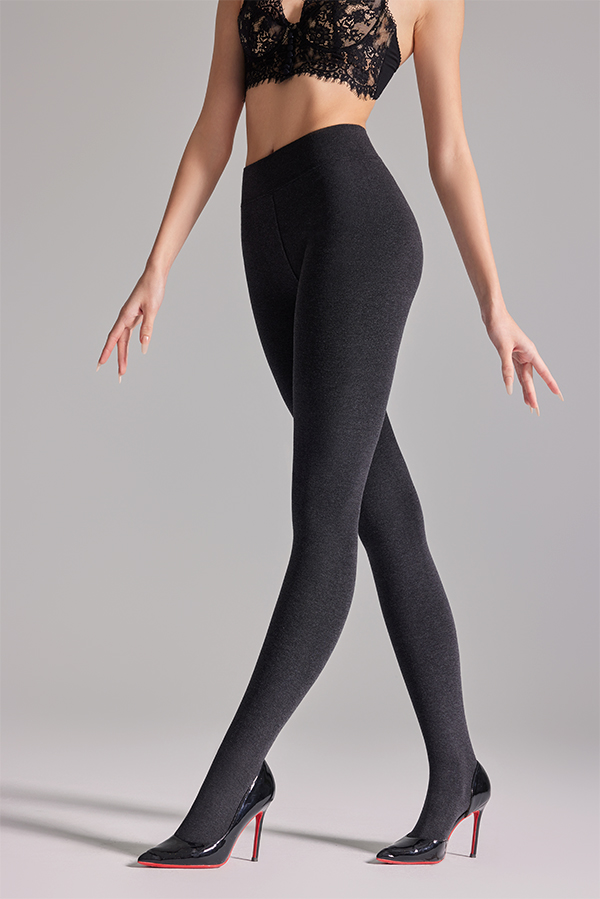
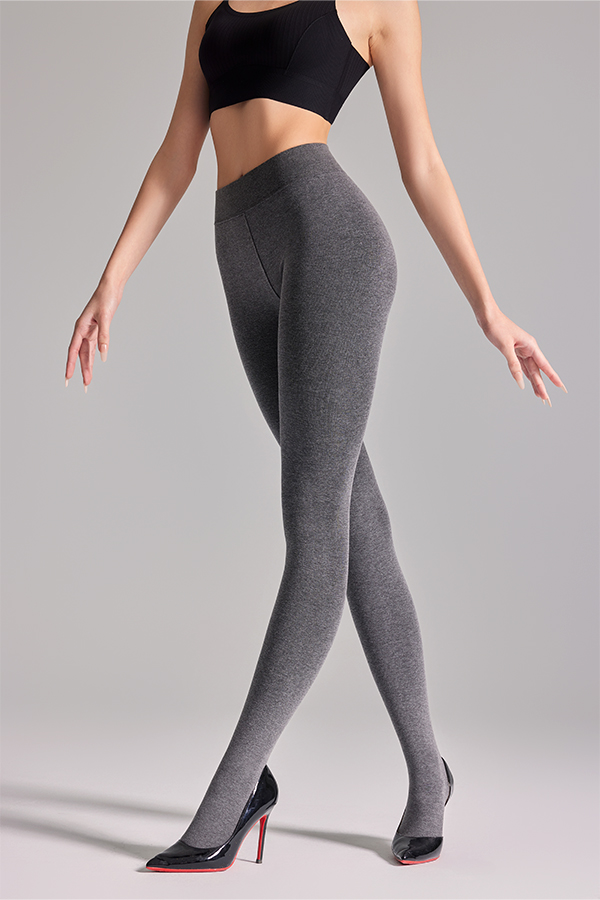
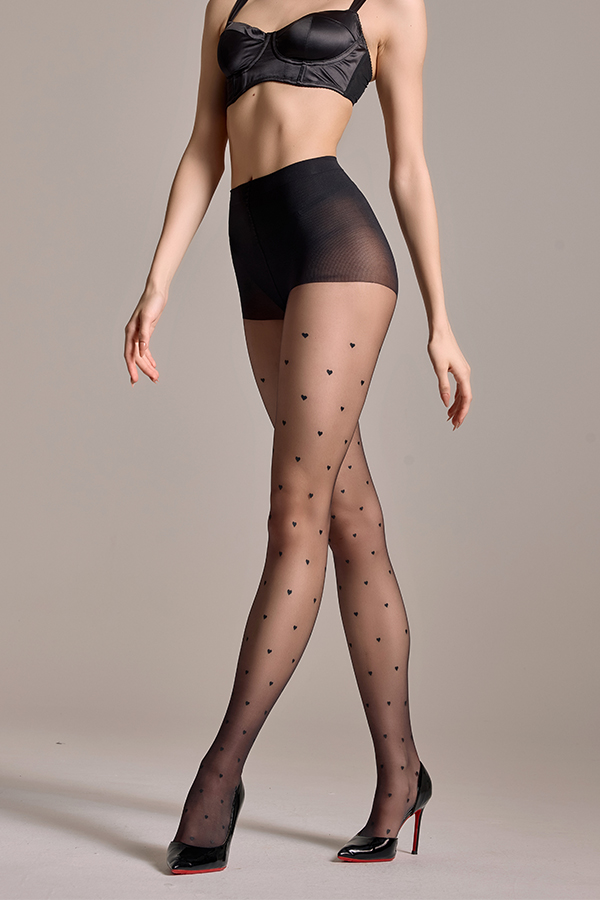
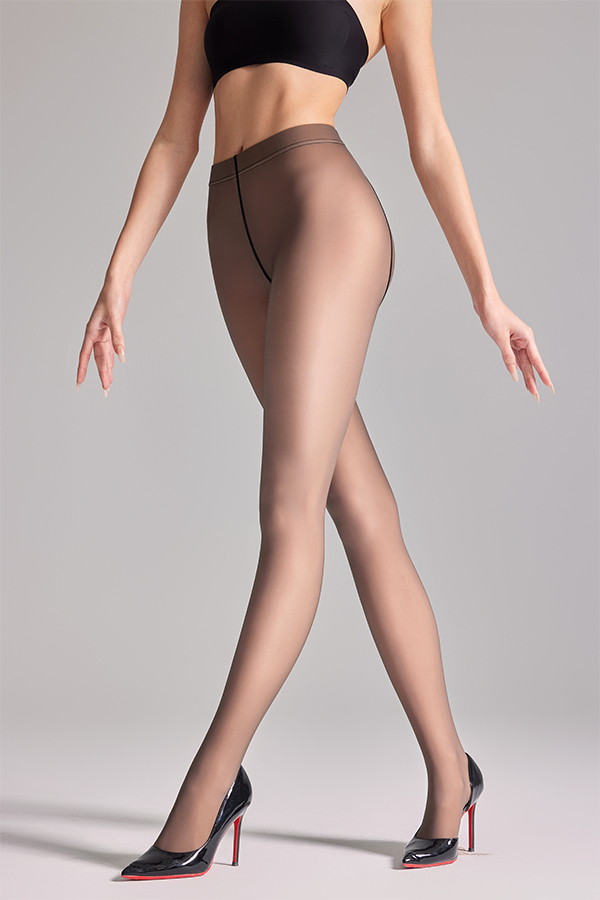
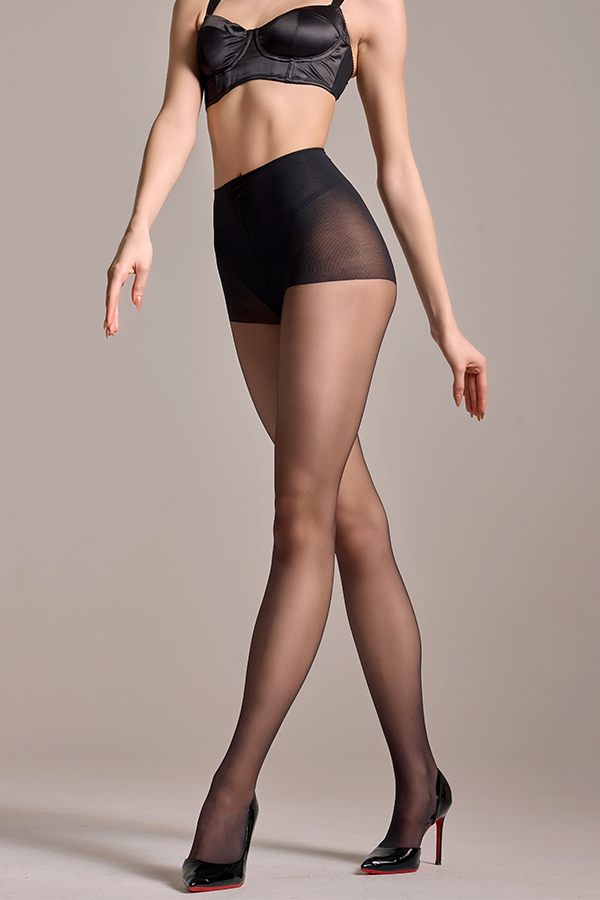
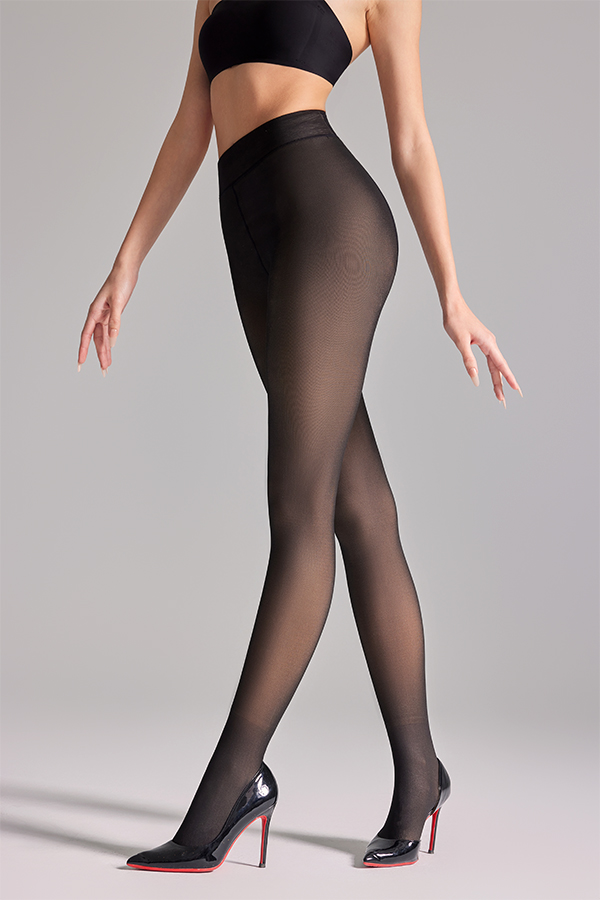
 Expanded panel thermal opaque tights

Our provided products
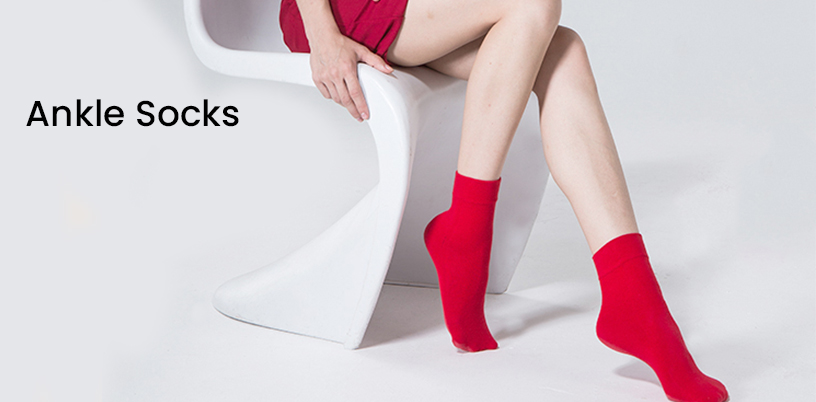
A tiny scratch on a chair edge is sometimes enough to ruin a pair of stockings.
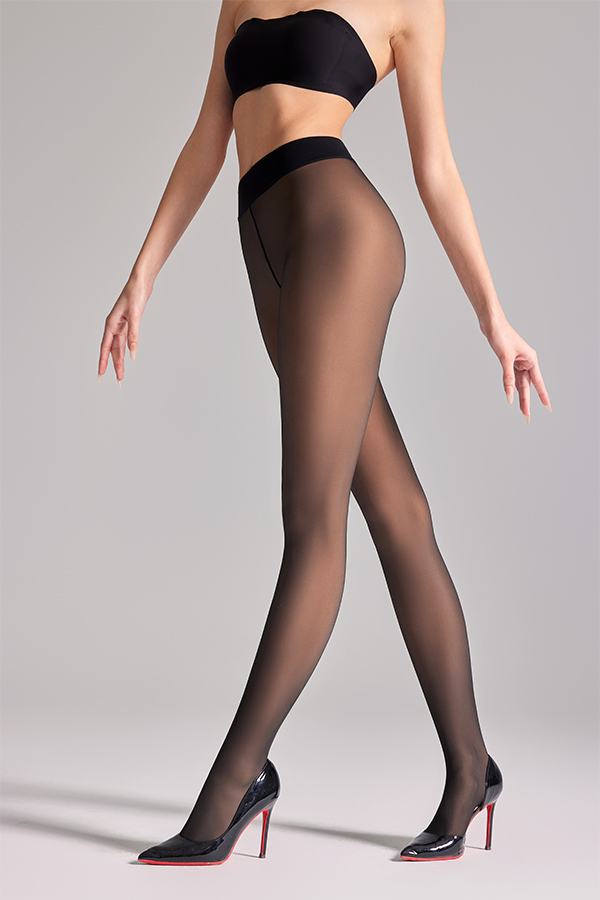
With sheer holdups, the problem becomes even more noticeable because the fabric structure is designed to stay extremely thin and lightweight against the skin. Many users feel surprised when a nearly invisible contact point suddenly creates a long pull line across the leg.
Inside hosiery manufacturing, however, this behavior is not considered unusual.
The softer and more transparent the fabric becomes, the more sensitive the yarn structure usually becomes as well.
Actually, some stockings begin developing micro-damage long before the snag becomes visible externally.
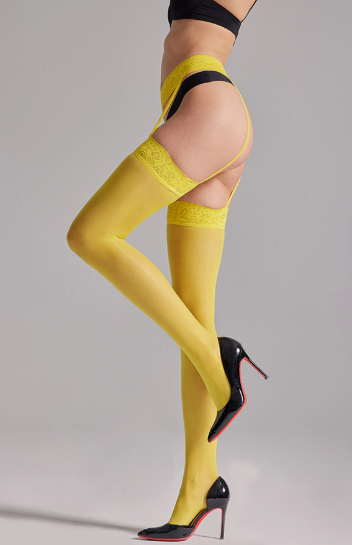
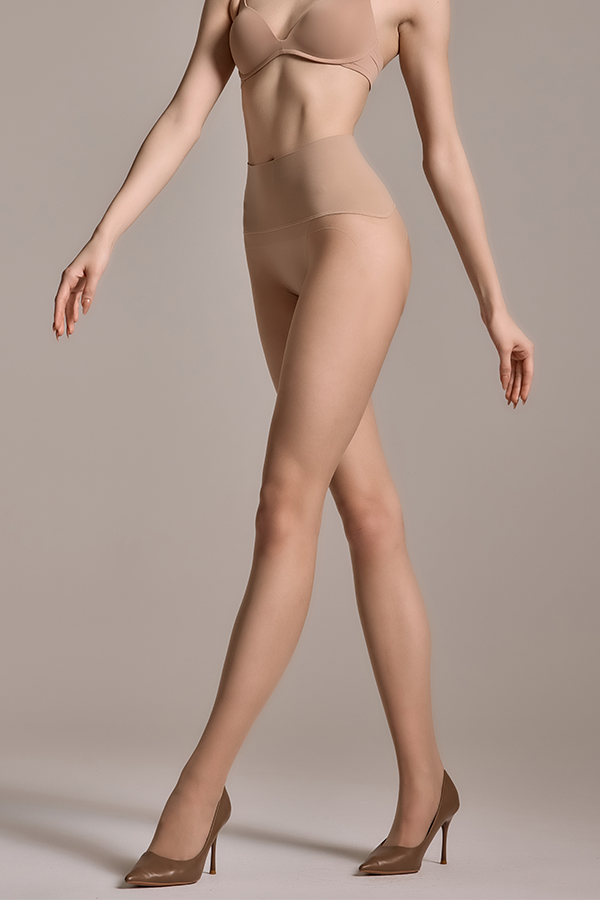
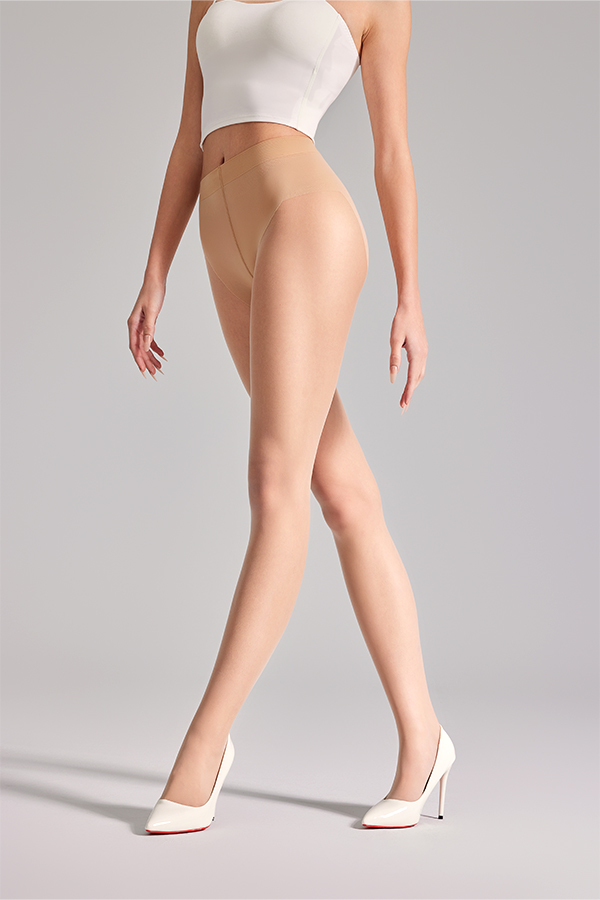
One reason sheer holdups snag easily is that the yarn itself is extremely fine.
Transparent hosiery often uses very low denier nylon to achieve a smooth and nearly invisible appearance on the leg. These thin filaments create softness and transparency, but they also carry less resistance against sudden friction.
This becomes especially noticeable when the stockings contact:
Actually, many pulls start from friction points so small that users never notice the exact moment the damage occurs.
A damaged yarn inside sheer holdups behaves differently once the fabric stretches across the leg.
Because the stockings remain under constant tension during wear, even a tiny broken filament may gradually pull neighboring loops out of alignment. What initially looks like a small dot sometimes turns into a visible run after several minutes of movement.
This is why certain areas become more vulnerable than others, especially around:
Actually, repeated body movement often enlarges existing micro-snags more than the original contact itself.
To maintain the lightweight appearance consumers expect, sheer holdups usually rely on relatively open knitting structures compared with thicker hosiery products.
That openness improves softness and visual transparency, but it also means the loops supporting each yarn remain more exposed to external friction.
Inside hosiery production, balancing:
becomes extremely difficult because improving one property often weakens another.
Actually, highly durable stockings rarely achieve the same sheer visual effect consumers typically want from fashion hosiery.
Many snag problems blamed on poor-quality sheer holdups actually begin with surface friction during normal wear.
Dry skin, rough heels, or even certain fabric textures create tiny resistance points against the stockings. Over time, repeated rubbing gradually weakens individual filaments before visible damage appears.
This becomes common during colder seasons when skin loses moisture more easily.
Certain clothing materials may also increase friction around the stocking surface, especially:
Actually, some stockings fail faster because of surrounding garments rather than because of the hosiery itself.
Good sheer holdups rely heavily on stable elastic recovery.
If the fabric gradually loses balanced tension after repeated wear, certain areas begin stretching unevenly. Once that happens, the yarn loops separate more easily under pressure and become increasingly vulnerable to snagging.
This may eventually cause:
Actually, snag resistance often decreases gradually as the stockings age, even before obvious wear becomes visible.
Producing sheer holdups is not simply about making the fabric thinner.
Inside hosiery factories, engineers constantly balance yarn strength, elasticity, knitting density, softness, and transparency together. Small changes in knitting tension or yarn selection may affect how easily the stockings snag during actual use.
This is especially challenging because consumers usually want:
Actually, these requirements often compete directly against one another inside the fabric structure itself.
To many people, sheer holdups simply appear elegant and lightweight.
Inside textile manufacturing, however, the same transparency that creates a smooth visual effect also reduces the amount of structural protection surrounding each yarn filament. The material remains flexible and attractive precisely because the fabric structure stays extremely fine.
The difficult part is not making the stockings look sheer.
It is maintaining softness, stretch, and appearance while the fabric remains under constant friction and tension during real everyday wear.