
 English
  Español
  Deutsch
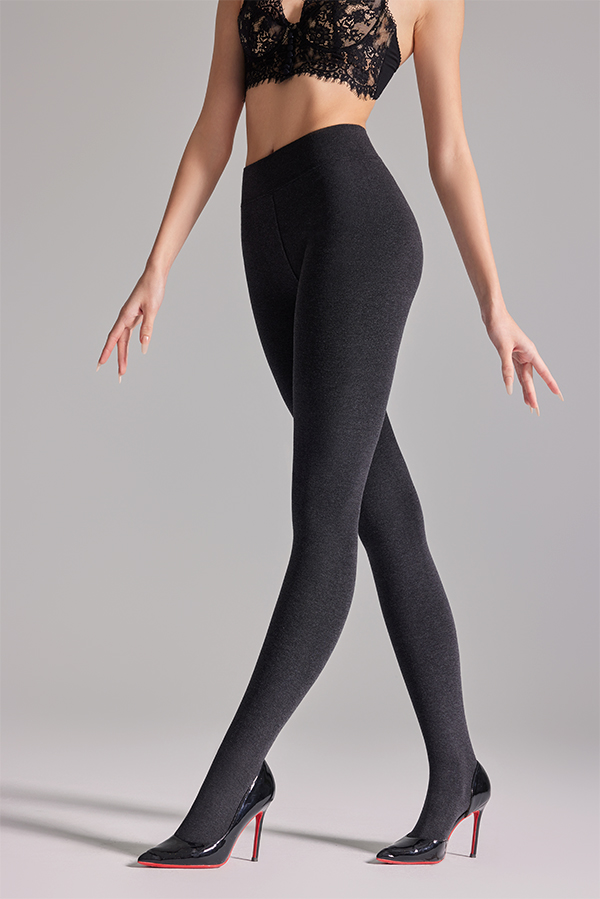
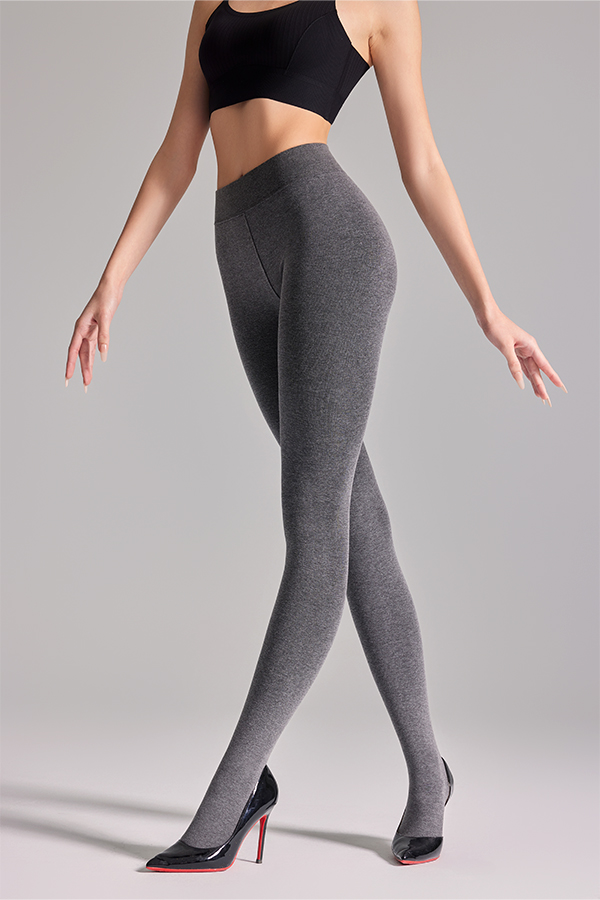
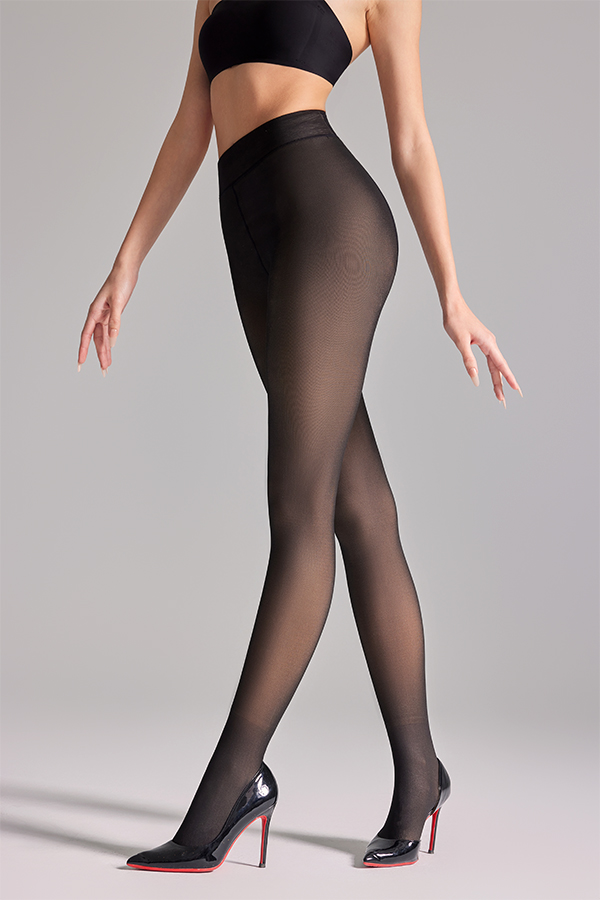
 Expanded panel thermal opaque tights

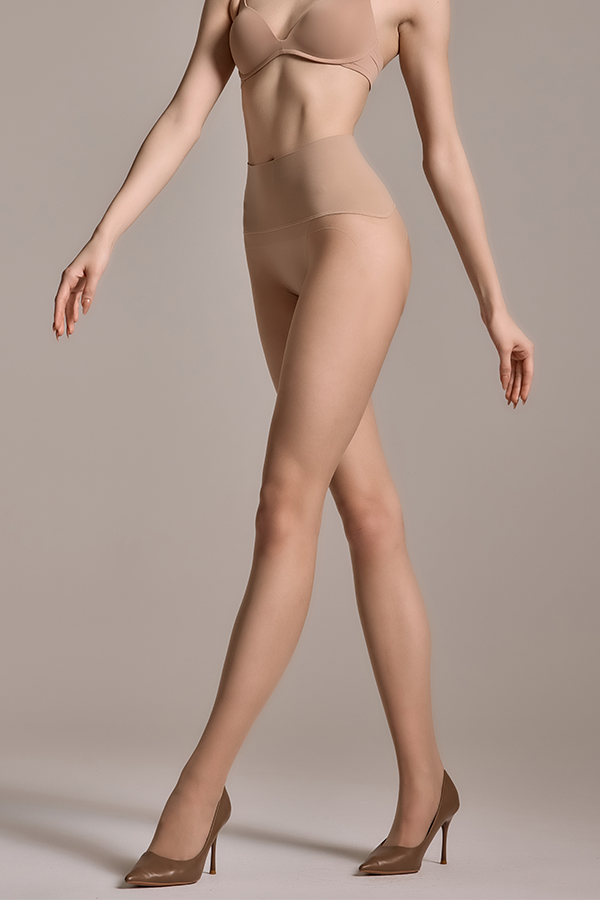
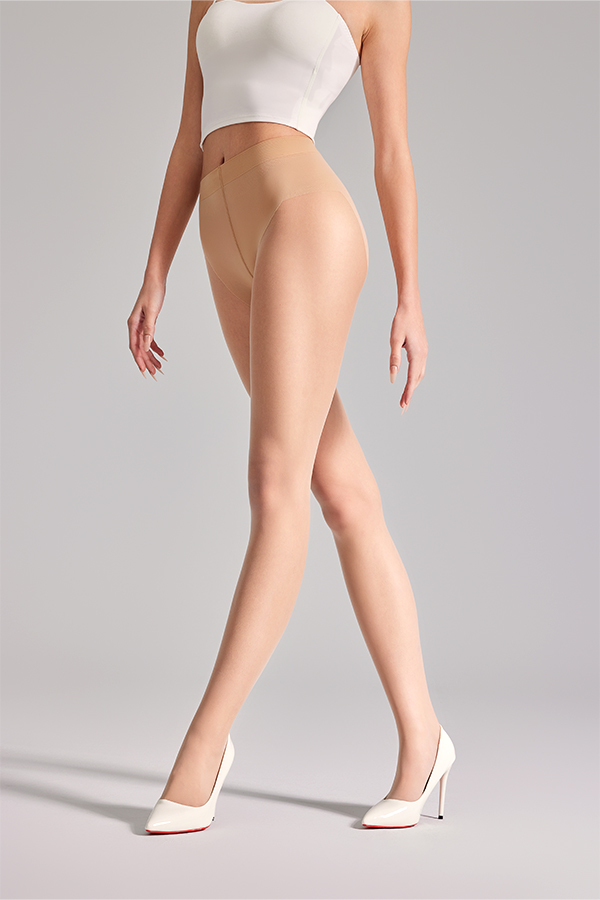
Our provided products
Many people buy non slip pantyhose expecting the waistband to stay perfectly stable throughout the day.
The fit may feel secure during the few minutes after wearing them. Later, however, the waistline gradually folds, rolls, or slides downward after walking, sitting, or repeated movement. In some cases, the fabric even begins twisting slightly around the stomach area.
Inside hosiery manufacturing, this problem is rarely caused by one single factor.
Waist tension, knitting recovery, body movement, fabric weight, and moisture all influence how stable the pantyhose remain during extended wear.
Actually, some rolling problems start because the waistband is too tight rather than too loose.
Waist Compression Changes During Movement
A pair of non slip pantyhose behaves differently once the body begins moving naturally.
Walking, bending, sitting, and stretching constantly change tension around the waist and hip area. During these movements, the waistband repeatedly compresses and relaxes against the body surface.
If the pressure distribution becomes uneven, certain sections begin folding inward gradually.
This usually appears around:
Actually, rolling often begins from repeated compression zones rather than from the entire waistband slipping downward together.
Elastic Recovery Slowly Weakens During Wear
Good non slip pantyhose depend heavily on stable elastic recovery.
At first, the fabric stretches evenly across the body. After several hours of movement, however, the elastic fibers experience continuous tension fatigue. If the recovery force weakens temporarily, the waistband may lose balanced support and begin curling.
This becomes more noticeable when:
the garment experiences repeated stretching
Actually, some pantyhose feel supportive initially but lose holding stability later because elastic pressure changes throughout the day.
Silicone Grip Does Not Solve Everything
Certain non slip pantyhose use silicone sections inside the waistband to improve grip against the skin.
While silicone helps reduce sliding, it cannot completely prevent rolling if the surrounding fabric structure becomes unstable. In some situations, stronger grip may even concentrate pressure into smaller areas, making edge curling more visible.
This is especially common when:
Actually, grip strength alone does not guarantee long-term stability during active wear.
Fabric Weight Influences Waist Stability
The lower section of non slip pantyhose constantly pulls downward during movement.
If the leg fabric becomes heavier because of dense knitting, moisture absorption, or compression structure, additional downward force transfers toward the waistband area. Over time, the upper edge may begin folding under that tension.
This sometimes becomes more obvious in:
Actually, heavier fabric structures often require stronger tension balancing around the waist area.
Repeated Washing Changes Waistband Behavior
Over time, washing gradually affects how non slip pantyhose respond during wear.
Heat, detergent exposure, and repeated stretching slowly alter the elasticity inside the waistband structure. Even when the pantyhose still appear visually normal, internal recovery performance may already begin weakening.
Users may eventually notice:
Actually, waistband fatigue usually develops gradually before obvious fabric wear appears elsewhere.
Body Shape Changes Pressure Distribution
Not every rolling issue comes from manufacturing defects.
With non slip pantyhose, body shape strongly affects how tension spreads across the garment. Curved waistlines, hip proportions, and movement patterns all influence whether the waistband stays flat or begins folding.
A waistband that works well for one wearer may behave differently for another even when the size technically matches.
Actually, hosiery engineers often spend more time balancing stretch distribution than increasing overall compression strength.
Stable Fit Depends On Balanced Tension
To many consumers, non slip pantyhose seem simple because the fabric itself feels lightweight and flexible.
Inside hosiery production, however, preventing waistband rolling requires balancing elasticity, grip strength, knitting structure, and movement flexibility together across the entire garment.
The difficult part is not making the waistband tight.
It is keeping the tension stable after hours of stretching, bending, sitting, and continuous body movement during real daily wear.