
 English
  Español
  Deutsch
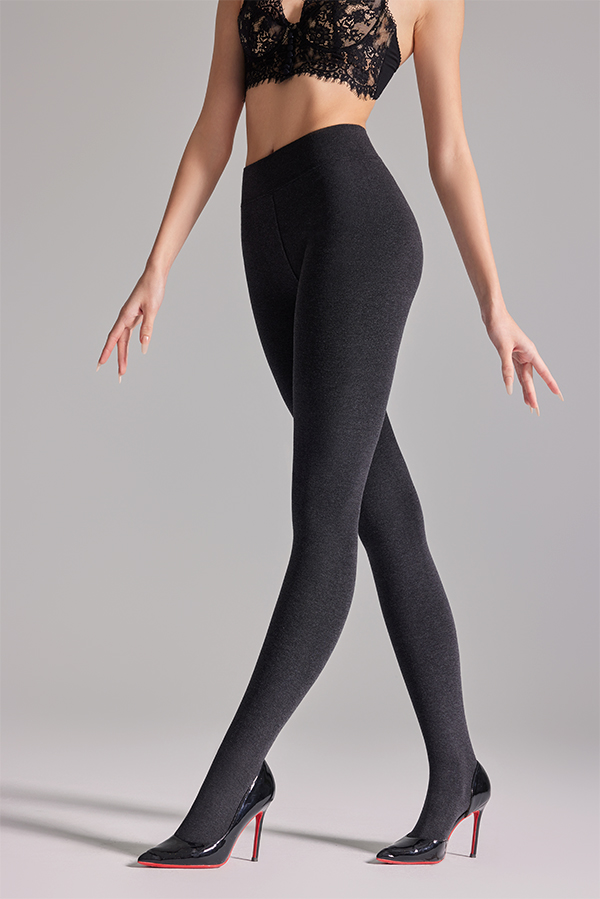
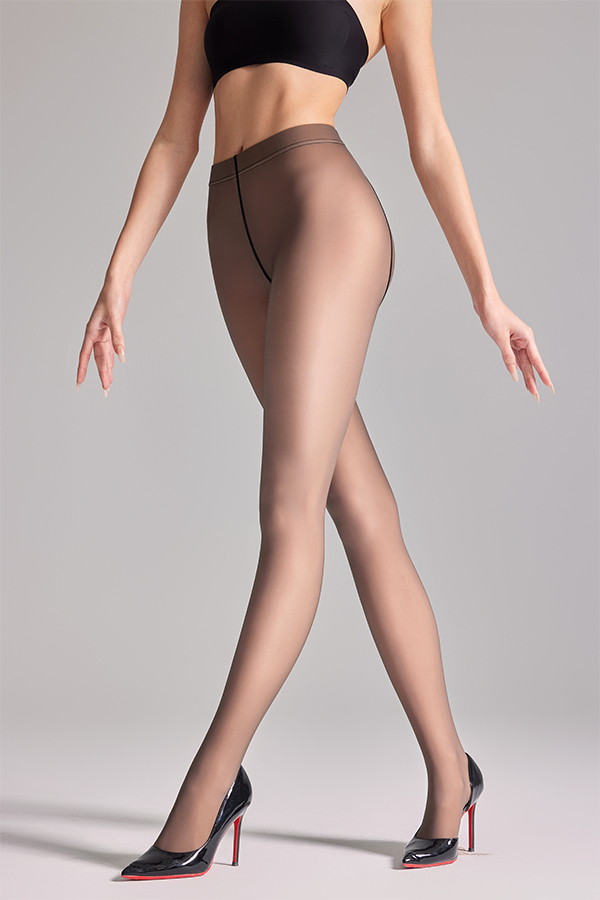
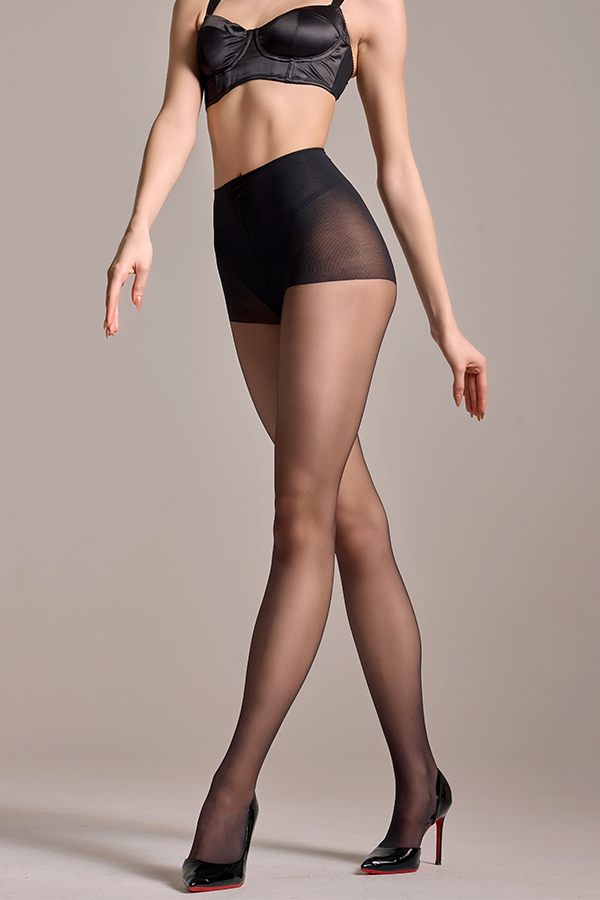
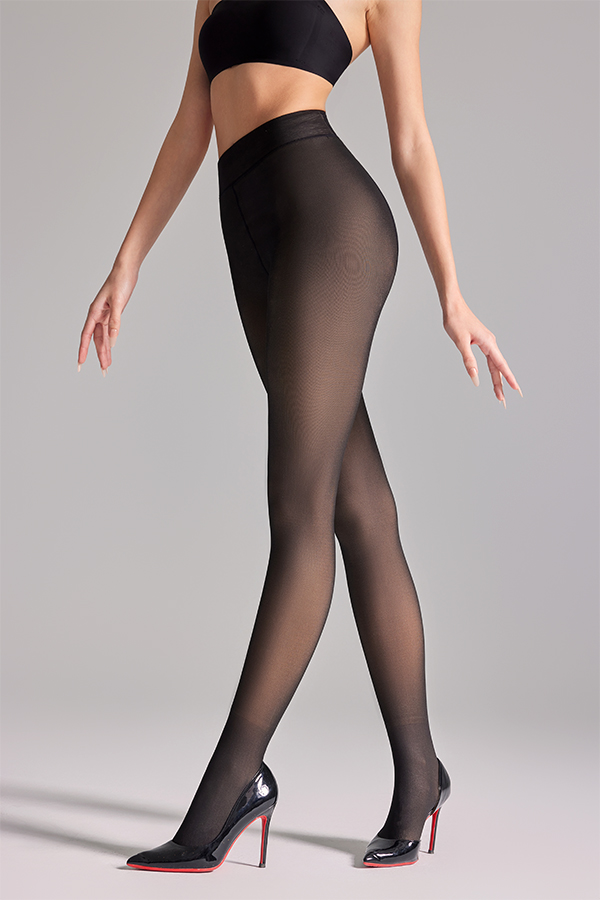
 Expanded panel thermal opaque tights

Our provided products
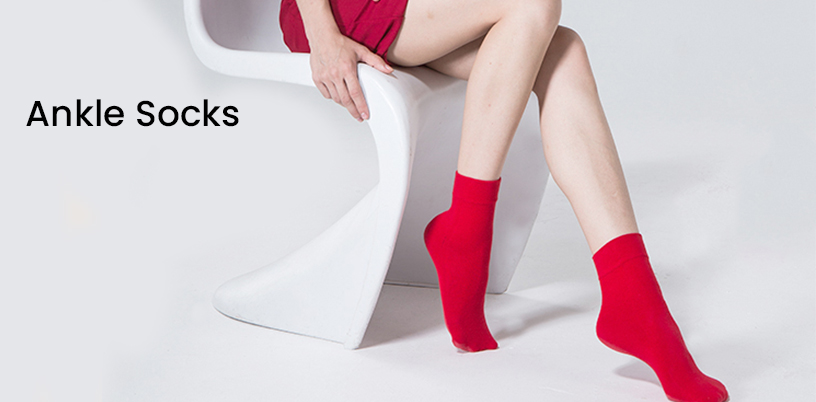
When cold weather arrives, consumers expect tights to provide more than a fashionable appearance. They want dependable warmth, comfortable stretch, reliable coverage, a secure fit, and sufficient durability for repeated seasonal use. The Expanded Panel Thermal Opaque Tights are designed to answer these needs with a heavy 580D construction, an insulating thermal fabric, an opaque appearance, and an expanded panel that supports comfort and fit. These features make the product suitable for winter wardrobes, layered styling, uniform programs, retail collections, and customized hosiery projects.
For buyers, distributors, fashion brands, and private-label companies, product performance is only one part of the purchasing decision. They also need a manufacturer capable of delivering consistent quality, scalable production, flexible customization, accurate inspection, and dependable packaging. Zhejiang Chenyu Knitting Co., Ltd. combines product development with a one-stop hosiery manufacturing system that covers yarn research and development, spinning, elasticizing, yarn wrapping, greige weaving, piecing, dyeing, roughening, shaping, full inspection, and packaging.
This integrated structure gives the Expanded Panel Thermal Opaque Tights a strong position in the market. Instead of treating the product as a simple cold-weather basic, the manufacturer approaches it as a carefully engineered hosiery item. The result is a product that can combine thermal performance with a smooth appearance, practical construction, and opportunities for brand-specific development.
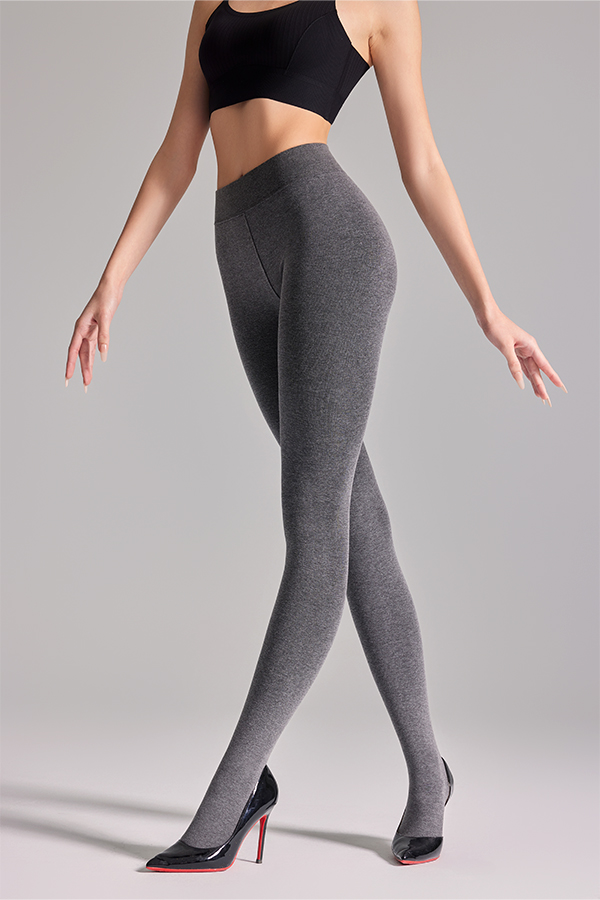
Expanded panel thermal opaque tights
The product is identified as CY-8017gray and belongs to the opaque tights category. Its principal design purpose is to provide warmth and full leg coverage during colder seasons. The tights are suitable for wearing under dresses, skirts, long shirts, tunics, coats, and other winter outfits. They may also be worn independently when the styling requires a clean, dark, and streamlined leg appearance.
The term “expanded panel” refers to a construction feature intended to give additional room, support, and comfort around the body. In everyday wear, this area is important because it influences how the tights sit at the waist, hips, and upper thigh. A carefully designed expanded panel can reduce uncomfortable pressure, improve stability, and help the garment remain in position during movement.
Unlike a basic lightweight fashion tight, this style is developed around insulation and coverage. The stated 580D specification indicates a substantially heavier construction than standard sheer or semi-sheer hosiery. While denier alone does not determine every aspect of warmth, a high-denier structure generally supports a denser appearance and greater coverage. Combined with thermal fabric and a soft inner treatment, it makes the tights appropriate for low-temperature conditions.
The opaque finish is another central advantage. Opaque tights are valued because they create a consistent visual layer over the legs. They help reduce transparency, support modest styling, and make it easier to coordinate seasonal outfits. The product can therefore function as both a practical winter garment and a fashion accessory.
| Specification | Product Information |
|---|---|
| Product type | Expanded panel thermal opaque tights |
| Product code | CY-8017gray |
| Category | Opaque tights |
| Denier | 580D |
| Fiber content | PET 38%; RCF 29%; cotton 25%; SP 7%; PAN listed as 1% in the supplied specification |
| Warmth application | Cold-weather and winter wear |
| Colors | Customizable |
| Sizes | Customizable |
| Minimum order quantity | 2,000 pieces per size and color |
| Packing | 200 pieces per carton in OPP bags; customization available |
The supplied fiber information contains a formatting irregularity in the final PAN percentage. For commercial production, the exact fiber composition should be confirmed in the technical specification sheet, purchase order, and product labeling documentation. This confirmation is important because fiber disclosure, labeling regulations, and care instructions may vary by destination market.
Denier is commonly used in hosiery to describe the weight and fineness of the yarn structure. Lower-denier tights are often associated with sheerness, lightness, and dressier styling. Higher-denier tights typically offer a denser appearance, increased opacity, and a more substantial hand feel. At 580D, this product is positioned clearly within the heavy winter hosiery segment.
A high-denier structure can provide several practical benefits. First, it supports full visual coverage. Consumers who prefer not to see skin through their tights can wear the product with greater confidence. Second, the dense structure can contribute to a more substantial barrier between the legs and cold air. Third, it gives the garment a stronger visual presence, which is valuable in winter styling where darker, richer, and more substantial textures are often preferred.
However, a high-denier specification must be balanced with elasticity and softness. If a heavy tight is made without sufficient stretch or careful finishing, it can feel rigid, difficult to put on, or uncomfortable after prolonged wear. The fiber blend and manufacturing process are therefore essential. The product combines PET, regenerated cellulose fiber, cotton, spandex, and a small listed percentage of PAN. Each material can contribute different performance characteristics.
PET can contribute strength, dimensional stability, and resistance to everyday wear. It is widely used in textile production because it can help a garment maintain its shape and withstand repeated handling. In a heavy winter tight, a stable synthetic component can support the durability of the knitted structure.
Regenerated cellulose fiber can contribute softness, moisture management, and a more natural hand feel. Its presence can help balance the heavier character of the product, making the tights more pleasant against the skin. The exact performance depends on the specific regenerated cellulose fiber used and on the finishing process applied during production.
Cotton is associated with comfort, softness, and breathability. A cotton component can make the inner feel more familiar to consumers who prefer natural fibers in close-fitting garments. Cotton also supports a warm and comfortable tactile experience, which is useful for winter products worn for long periods.
Spandex, identified in the supplied specification as SP at 7%, provides stretch and recovery. This component is particularly important in tights because the product must extend around the hips, thighs, knees, and calves while returning to its intended shape after movement. Good recovery helps reduce sagging and improves the secure-fit experience.
The listed PAN component may contribute additional warmth or structure, depending on the exact fiber and percentage used. Because the supplied data contains a typographical inconsistency, the final composition should be verified before mass production. A clear and accurate fiber declaration is also important for consumer trust and regulatory compliance.
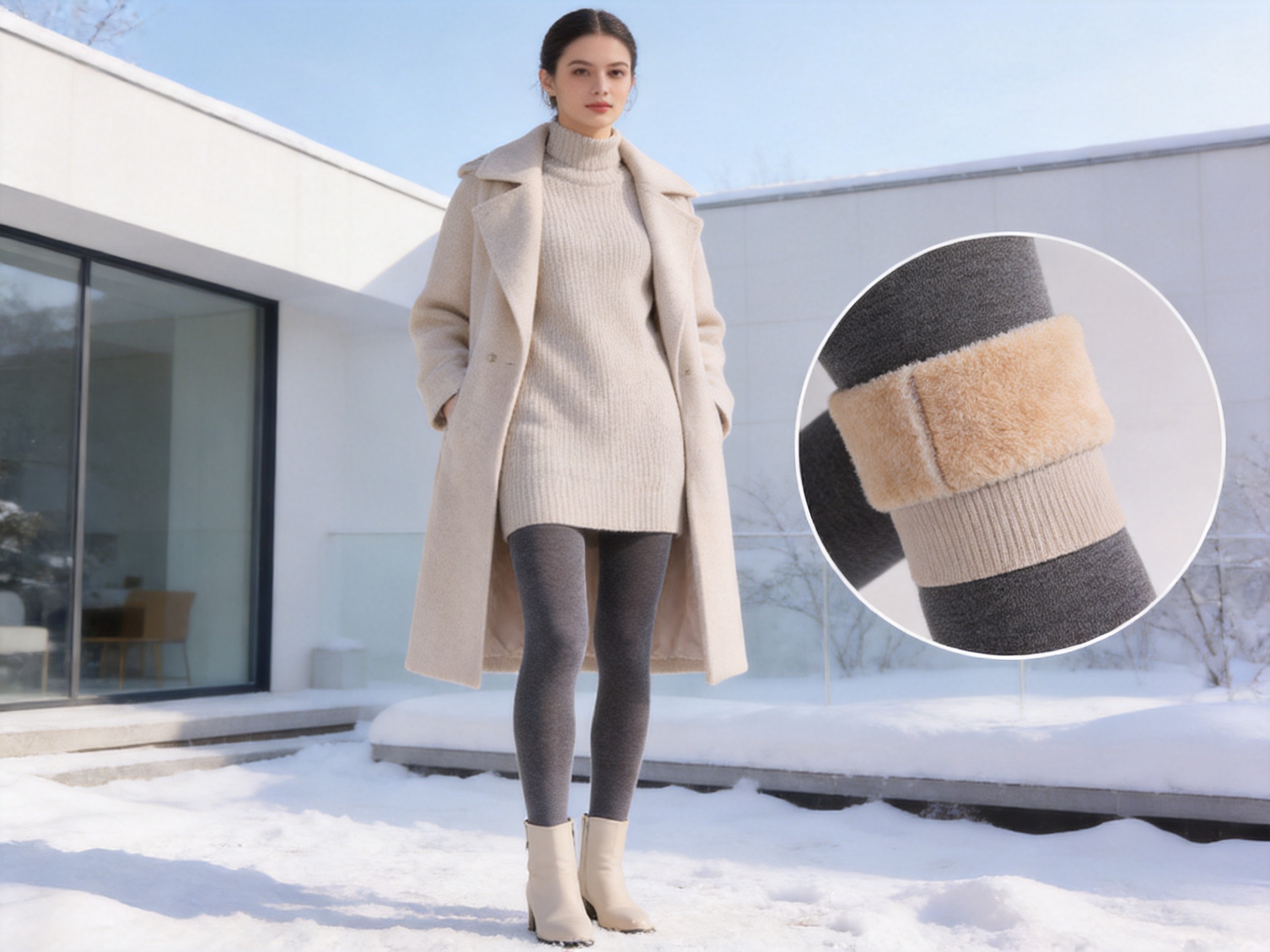
The most obvious product advantage is its thermal positioning. These tights are designed for people who want to continue wearing dresses, skirts, and other fashion garments when temperatures fall. Instead of choosing between warmth and appearance, the wearer can use a dense opaque layer to support both.
Thermal comfort depends on multiple factors, including fabric density, air retention, surface finishing, fit, and the clothing worn over or under the tights. A heavier knitted structure can create a more substantial layer around the legs. When the garment fits closely without excessive compression, it may help reduce the movement of cold air near the skin. The resulting experience can feel warmer than that of lightweight hosiery.
The product description emphasizes exceptional insulation and suitability for colder seasons. This makes it appropriate for autumn and winter collections, cold-climate markets, travel wardrobes, outdoor commuting, and indoor environments where consumers still prefer additional leg coverage.
Thermal tights also have strong layering potential. They can be worn under wool skirts, denim dresses, knitted garments, tailored coats, and padded outerwear. Because the surface is opaque and visually clean, the tights can function as a foundation layer without distracting from the rest of the outfit.
One challenge in winter hosiery is achieving warmth without creating an unattractive or excessively bulky appearance. Very thick garments can sometimes look uneven beneath clothing or interfere with footwear. The Expanded Panel Thermal Opaque Tights address this concern by combining a dense 580D construction with a streamlined hosiery silhouette.
The tights are still shaped as a close-fitting leg garment rather than a loose thermal trouser. This allows them to support the visual effect of classic tights while offering greater insulation than ordinary fashion styles. For retailers, this combination can make the product easier to position as a practical premium basic rather than merely a technical underlayer.
The final level of warmth will depend on the garment’s exact knitting structure, brushing or roughening treatment, finishing, and fit. Buyers can request development samples and confirm performance requirements before placing a large order. If necessary, the manufacturer can discuss adjustments to fiber composition, surface treatment, thickness, color, and size grading.
Fit is one of the most important factors in hosiery satisfaction. Even a warm and attractive pair of tights may be rejected by consumers if it rolls down, cuts into the waist, restricts movement, or creates discomfort in the upper body. The expanded panel is intended to improve this part of the wearing experience.
An expanded panel provides additional coverage and room in the upper section of the garment. This can help the tights sit more securely around the waist and hips. It may also create a smoother transition beneath clothing, especially when the wearer moves between sitting, standing, walking, and climbing stairs.
The design is described as providing gentle shaping rather than aggressive compression. This distinction is important. Many consumers want a supportive silhouette, but they do not necessarily want the restrictive sensation associated with strong shapewear. Gentle shaping can help the tights look neat and remain stable while preserving everyday comfort.
A secure upper construction is also valuable for professional wear. Office workers, hospitality staff, retail employees, educators, and other users may wear tights for many hours. A product that stays in place can reduce the need for adjustment and help the wearer maintain confidence throughout the day.
Hosiery must accommodate a wide range of body movements. The knees bend, the hips flex, and the ankles move continuously during normal activity. The combination of stretch fiber, knitted construction, and an expanded upper panel can help the tights follow the body more naturally.
Good elasticity should not mean that the garment loses its shape after a few wears. Stretch and recovery work together: stretch allows the garment to fit different body contours, while recovery helps it return to its original dimensions. This balance is a key quality consideration for buyers who want to reduce returns and improve repeat purchases.
Comfort also depends on seams, waist construction, leg length, toe finishing, and surface feel. These details should be evaluated during sample approval. An experienced hosiery manufacturer can use development feedback to refine the pattern and construction for a particular target market.
The opaque design gives the tights a broad range of styling applications. A solid, dense leg appearance works well with seasonal color palettes and layered clothing. It can create a polished foundation for both casual and formal outfits.
For everyday winter styling, the tights can be paired with sweaters, short dresses, ankle boots, knee-high boots, cardigans, and wool coats. For workwear, they can complement tailored skirts, structured dresses, blazers, and polished footwear. For casual outfits, they can be worn with oversized knitwear, denim layers, long shirts, or relaxed dresses.
Opaque tights are also useful for modesty and wardrobe flexibility. A dress or skirt that feels too light for cold weather can become suitable for winter when paired with a thick opaque leg layer. This allows consumers to extend the seasonal use of existing garments and create more combinations from a smaller wardrobe.
The product’s customizable colors create additional opportunities. Black, charcoal, gray, navy, brown, and other dark tones are common choices for winter retail collections. Brands may also request seasonal shades, coordinated uniform colors, or special colors for promotional programs. Color development should be reviewed through laboratory dips or production samples because appearance can vary according to fiber type, dyeing conditions, and finishing.
Compared with lightweight sheer tights, this product is better suited to cold-weather use. Conventional sheer tights may offer elegance and low weight, but they generally provide less insulation and less coverage. The 580D opaque structure gives the product a more substantial role in winter dressing.
Compared with ordinary opaque tights, the thermal treatment and expanded panel provide additional selling points. A standard opaque tight may deliver coverage without specifically emphasizing warmth, shaping, or extended comfort. This product combines all three characteristics in one design.
Compared with highly restrictive shaping tights, the expanded panel is positioned around gentle shaping and secure comfort. Consumers who dislike strong compression may find this approach more suitable for daily wear. The product can be presented as supportive rather than intensely corrective.
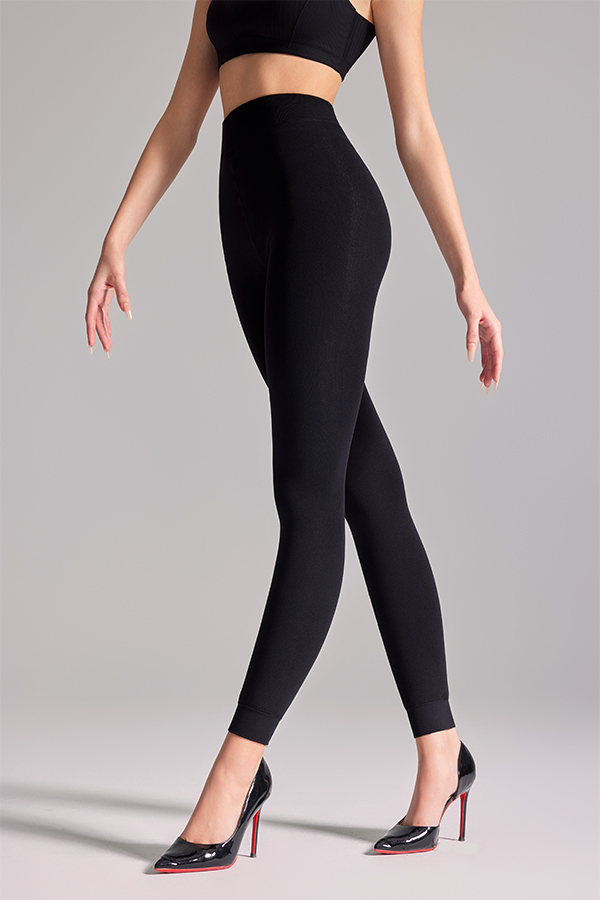
Compared with bulky thermal leggings, tights offer a closer and more versatile silhouette. They can be worn under dresses and skirts without changing the overall visual proportions of the outfit. This gives fashion retailers an opportunity to offer warmth while maintaining a traditional hosiery category identity.
Compared with low-quality heavy hosiery, a controlled manufacturing process can provide better consistency in stretch, color, dimensions, surface appearance, and packaging. These characteristics are important for wholesale buyers because product variation can lead to customer complaints, fitting problems, and unnecessary inventory losses.
The manufacturer behind the product was founded in 1989 and is located in Dongyang, Zhejiang, China. Over nearly four decades of development, the company has established a production system covering the major stages of hosiery manufacturing. This history gives the company experience in both traditional craftsmanship and modern industrial coordination.
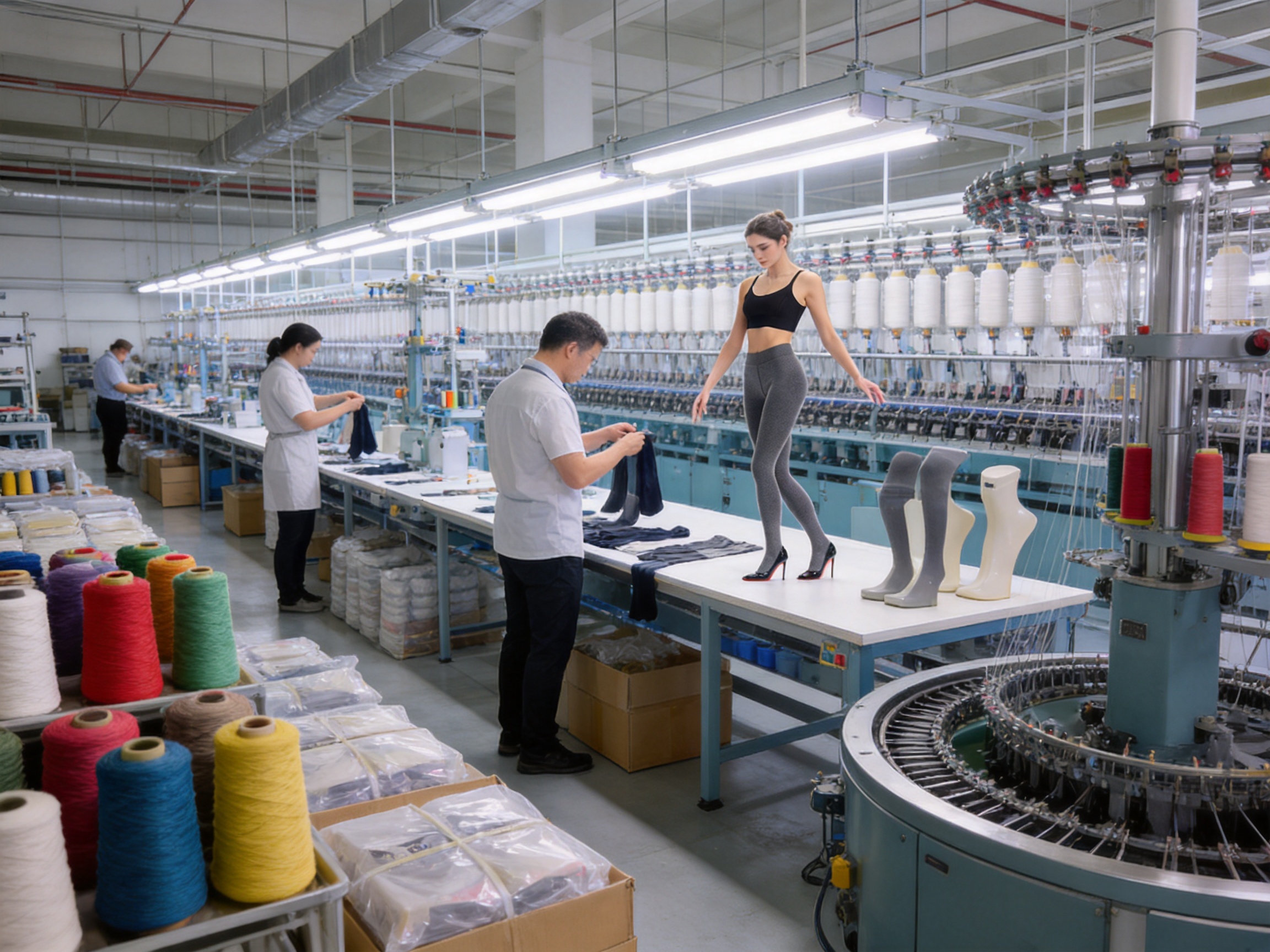
The company’s one-stop production system includes yarn research and development, spinning, elasticizing, yarn wrapping, greige weaving, piecing, dyeing, roughening, shaping, full inspection, and packaging. Managing these stages within an integrated structure can offer several advantages over a fragmented supply chain.
Yarn selection affects the final product’s softness, strength, stretch, appearance, and thermal behavior. By carrying out yarn research and development, the manufacturer can evaluate different material combinations before the knitting stage. This is especially important for products such as 580D thermal tights, where the yarn must support both density and flexibility.
Development work may include selecting suitable yarn counts, testing fiber blends, assessing elastic recovery, and coordinating the yarn with the intended dyeing and finishing process. A controlled approach at this early stage can reduce problems later in production.
Spinning transforms fibers into yarn with the required structure and performance. Consistency during spinning helps support uniform knitting and a stable visual appearance. Elasticizing is particularly important for hosiery because the product must stretch across different areas of the body.
For the Expanded Panel Thermal Opaque Tights, elasticizing contributes to the practical fit of the legs and upper panel. The objective is to create a garment that can be pulled on smoothly, conform to the body, and retain its shape during wear.
Yarn wrapping can be used to combine elastic or functional components with covering yarns. A properly wrapped yarn can improve the balance between stretch, surface softness, and visual uniformity. This process is significant in tights because exposed elastic elements or irregular yarn coverage can negatively affect comfort and appearance.
Greige weaving creates the unfinished knitted structure before dyeing and final treatment. At this stage, production control is important because uneven tension, defects, or incorrect dimensions may affect later processes. Piecing connects or assembles the required sections of the hosiery product and contributes to the overall shape.
Careful attention to knitting and piecing can help produce smoother legs, cleaner transitions, and more consistent sizing. It also provides a foundation for the expanded panel, which must be integrated into the garment without creating unnecessary bulk or uncomfortable transitions.
Dyeing transforms the unfinished product into the desired commercial color. For opaque tights, even coloration is essential because the dense surface can make shade variation especially noticeable. Color consistency should be monitored across production lots, size ranges, and repeat orders.
The manufacturer offers customizable colors, allowing customers to develop products for specific brand identities or market requirements. Custom color work is most successful when buyers provide a recognized color standard, approved lab dip, or physical reference. Production approval should also consider how the color appears under different lighting conditions.
Roughening is one of the listed manufacturing stages and can contribute to the warm, soft, and comfortable character expected from thermal hosiery. A carefully controlled inner surface treatment may create a pleasant feel against the skin and support the product’s cold-weather positioning.
The treatment must be balanced. Excessive roughening may influence bulk, shedding, or surface uniformity, while insufficient treatment may not deliver the desired warmth and softness. Process control and sample evaluation are therefore important when developing a private-label version of the product.
Shaping helps the finished tights achieve the intended dimensions and silhouette. This stage may influence leg length, width, panel fit, waist position, and overall stability. Consistent shaping is critical when products are sold in size-specific ranges.
Full inspection is another major strength. Hosiery can contain problems that are difficult to identify without detailed review, including runs, holes, uneven dyeing, incorrect seams, yarn faults, inconsistent dimensions, and packaging errors. A full inspection program helps identify these issues before products are packed and shipped.
The standard packing information states 200 pieces per carton, with each piece placed in an OPP bag. Packaging can be customized according to the buyer’s requirements. Options may include customized labels, inserts, barcode stickers, carton markings, size identification, and retail-ready presentation, subject to project discussion.
Appropriate packaging protects the tights during handling and transportation. It also helps wholesalers and retailers organize inventory by color and size. For private-label orders, packaging is an important part of brand presentation and should be reviewed together with the product specification.
The product is suitable for OEM and customized hosiery programs. The stated minimum order quantity is 2,000 pieces per size and color, which is appropriate for brands, distributors, and retailers planning a structured seasonal collection. Buyers can discuss color, sizing, packaging, labeling, and other development requirements with the manufacturer.
Customization may begin with the product’s basic visual identity. A buyer can select the preferred color range, determine the size chart, and develop packaging that matches the target market. More detailed projects may involve adjustments to the panel shape, waistband feel, surface treatment, fiber blend, logo placement, or carton configuration.
Size customization should be based on the intended consumer group and regional fitting expectations. Hosiery sizing can vary between markets, so buyers should provide a measurement chart or target body dimensions whenever possible. Sample fitting on suitable models can help confirm the waist, hip, rise, thigh, calf, ankle, and foot proportions.
Color customization is equally important. A neutral gray may be appropriate for understated winter collections, while black often provides the broadest retail appeal. Fashion brands may request seasonal tones, coordinated corporate colors, or limited-edition shades. Since the final appearance can be influenced by the fiber blend and finishing, pre-production approval is recommended.
Packaging customization creates additional opportunities for differentiation. The same technical product can be presented as a premium winter essential, a functional thermal basic, a comfort-focused style, or a private-label fashion item. Packaging language should accurately describe the product and comply with the destination market’s labeling rules.
Professional buyers should evaluate more than the product photograph. The following quality points are relevant when approving thermal opaque tights:
Even opacity across the legs and upper panel.
Consistent color without visible streaks or patchiness.
Comfortable stretch and reliable recovery.
A stable expanded panel that does not roll excessively.
Smooth seams and secure finishing.
Appropriate warmth and inner surface softness.
Accurate measurements across the agreed size range.
Resistance to common wear problems such as runs, holes, and excessive pilling.
Correct labeling, folding, bagging, and carton quantities.
Testing procedures should reflect the buyer’s intended market. Possible evaluations include dimensional stability after washing, colorfastness to washing and rubbing, stretch recovery, seam strength, abrasion resistance, pilling, fiber composition, and appearance after repeated wear. Exact testing requirements should be agreed upon in advance because different markets and retail customers may use different standards.
A development sample allows the buyer to assess the product before mass production. The sample should be checked for hand feel, warmth, opacity, fit, color, panel comfort, surface appearance, and packaging. It is useful to compare the sample with the approved specification rather than relying only on general impressions.
For repeat orders, buyers should retain an approved reference sample or a detailed technical file. This helps maintain continuity in color, dimensions, construction, and finishing. Clear communication is especially important when the product is reordered several months after the original production run.
The Expanded Panel Thermal Opaque Tights can serve several market segments. Fashion retailers may include them in autumn and winter collections as a core layering item. Department stores and online sellers can position them as a practical cold-weather essential. Uniform suppliers may use customized colors and packaging for professional apparel programs.
Private-label brands can build a broader hosiery collection around the product. A potential range might include lightweight tights for transitional seasons, opaque tights for everyday wear, thermal tights for winter, and specialized styles for shaping or fashion use. The expanded panel thermal style can occupy the premium comfort segment within that assortment.
Travel and outdoor lifestyle markets may also find the product relevant. Consumers visiting colder destinations often want compact garments that can be layered easily. A pair of thermal opaque tights can provide additional warmth under travel clothing without taking up the space of a heavy pair of trousers.
The product is also suitable for gift-oriented seasonal merchandising. Winter accessories are frequently purchased during the holiday period, and warm tights can be presented alongside scarves, gloves, boots, knitwear, and coats. Custom packaging can support seasonal campaigns and promotional displays.
For the wearer, the first benefit is comfort during cold conditions. The thermal construction is intended to provide a warmer experience than ordinary hosiery. The opaque surface offers confidence and coverage, while the expanded panel supports a more secure fit around the body.
The second benefit is wardrobe flexibility. The wearer does not need to reserve dresses and skirts for mild weather. By adding a dense thermal layer, more outfits can be used through autumn and winter. This can make an existing wardrobe feel more versatile.
The third benefit is visual simplicity. Opaque tights create a smooth and coordinated base for many outfits. They can help connect footwear and clothing colors, create a longer visual line, or provide contrast against lighter garments.
The fourth benefit is all-day usability. A product designed with gentle shaping and secure fit may be more comfortable for extended wear than a tight with an unstable waistband or overly aggressive compression. The precise experience will depend on personal preference and correct size selection.
Thermal tights should be handled carefully because hosiery contains fine knitted structures and elastic components. Before wearing, consumers should remove jewelry with sharp edges and check that fingernails are smooth. The tights should be gathered gradually over the hands and eased onto the legs rather than pulled forcefully from the waistband.
Care instructions should follow the final product label supplied by the manufacturer. In general, gentle washing, moderate temperatures, and protection from sharp items can help preserve the fabric and elastic recovery. Harsh bleaching agents, excessive heat, and rough mechanical treatment may affect color, softness, and stretch.
Consumers should choose the correct size rather than intentionally selecting a size that is too small for stronger shaping. An undersized garment may be more difficult to put on and may experience unnecessary stress at the seams and panel. Proper sizing supports both comfort and product longevity.
Retailers can improve customer satisfaction by providing clear size information and care guidance. Product descriptions should explain that the tights are designed for thermal warmth, opaque coverage, and gentle shaping. They should not make unsupported claims about medical compression or therapeutic performance unless the product has been specifically tested and certified for those purposes.
The manufacturer’s company information emphasizes the adoption of sustainable fabrics to reduce environmental impact and contribute to a greener future. Sustainable textile development can involve material selection, responsible production planning, waste reduction, energy management, water management, and longer product life.
Durability is an important part of sustainability. A pair of tights that remains comfortable, attractive, and functional through repeated use may reduce the need for frequent replacement. High-quality construction, appropriate fiber selection, careful shaping, and full inspection all contribute to a longer potential service life.
Buyers seeking sustainability claims should request specific supporting information. This may include the identity and origin of regenerated fibers, recycled content documentation where applicable, restricted-substance compliance, factory certifications, packaging materials, and production-management practices. Clear evidence is preferable to broad environmental language.
Packaging can also be reviewed from a sustainability perspective. The standard OPP bag protects the product, but brands may wish to discuss alternative materials, reduced packaging, recycled content, or optimized carton design. Any change should preserve adequate protection during transport and storage.
Working with a factory that manages a broad production chain can simplify communication. Instead of coordinating separate suppliers for yarn, knitting, dyeing, finishing, inspection, and packaging, a buyer can communicate through one principal manufacturing partner. This may improve accountability and reduce delays caused by handoffs between companies.
Integrated production can also support better process coordination. Yarn characteristics can be considered alongside knitting requirements. Knitting density can be coordinated with dyeing and roughening. Shaping can be evaluated together with the final size chart. Inspection standards can be applied before packaging rather than after products have already entered the distribution chain.
Another benefit is development continuity. When a customer requests changes to warmth, softness, stretch, panel dimensions, or color, a manufacturer with control over multiple stages may have more options for solving the issue. The factory can investigate whether the adjustment should be made in the fiber blend, yarn preparation, knitting, finishing, or shaping stage.
Long-term manufacturing relationships also benefit from historical knowledge. A company operating since 1989 has experience with changing consumer preferences, seasonal demand, international trade requirements, and product development cycles. This background can help buyers plan collections and avoid common production mistakes.
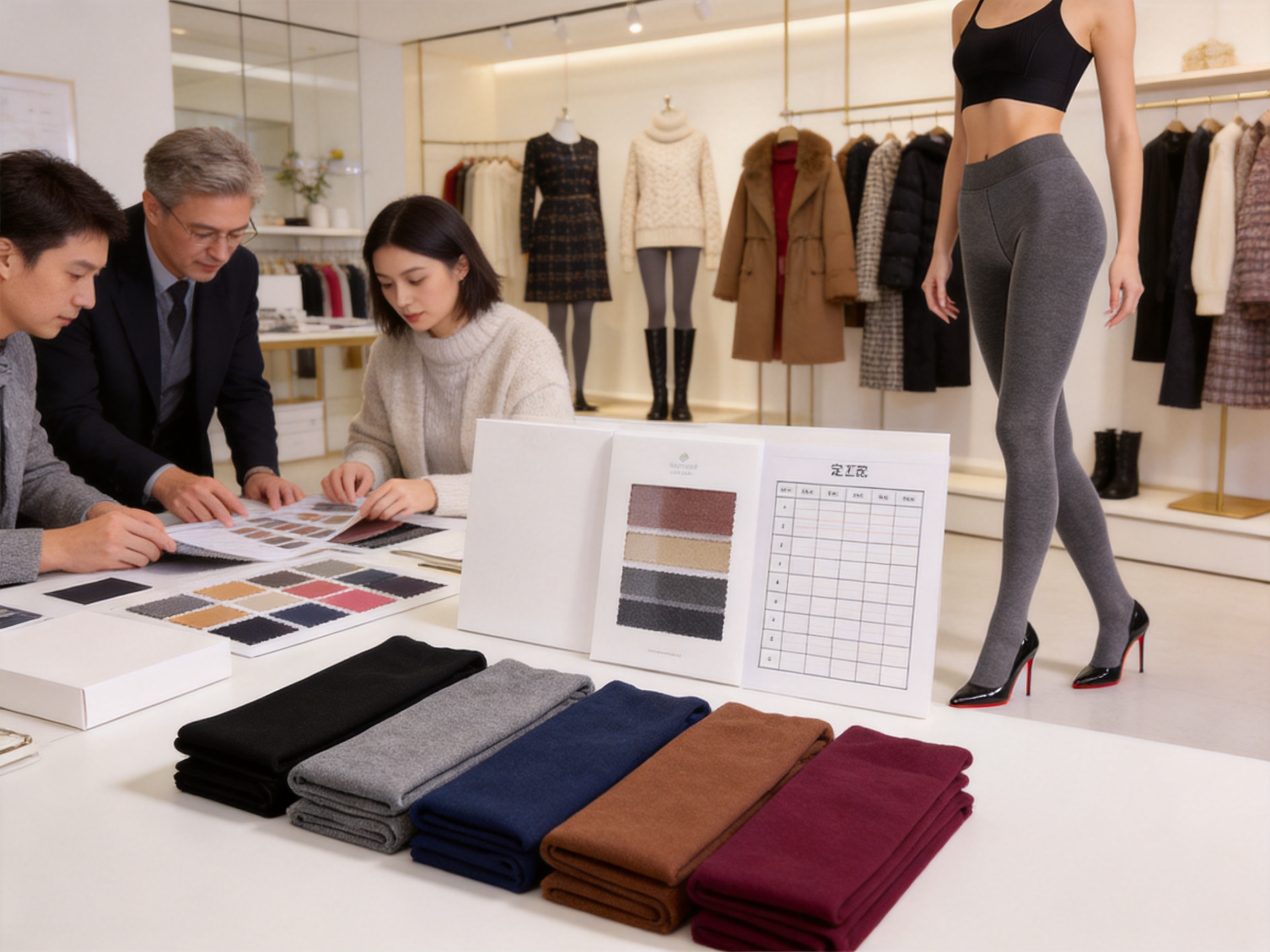
A successful private-label project begins with a clear product brief. The buyer should identify the target consumer, climate, retail price range, desired hand feel, preferred colors, size range, packaging format, and expected delivery schedule. The more precise the brief, the easier it is to create a suitable sample.
The next step is technical confirmation. Buyers should confirm the denier, fiber composition, panel construction, waistband style, toe finishing, color standard, size measurements, labeling requirements, carton quantity, and inspection criteria. Any ambiguity in the specification can lead to inconsistent expectations during production.
After sample development, the buyer should conduct a structured review. The sample should be tried on an appropriate range of body types or checked against a professional fit model. The product should be assessed while standing, sitting, walking, and bending. Thermal comfort and inner softness should also be evaluated over a reasonable wearing period.
Once the sample is approved, the final details should be documented. The approval package may include photographs, measurements, color references, packaging artwork, labels, testing requirements, and an approved physical sample. This document becomes a reference for production and future repeat orders.
During mass production, communication should remain active. Buyers may request production updates, pre-shipment inspection, carton photographs, or sample retention. The manufacturer’s full inspection process provides an important quality-control foundation, but buyer-specific inspection standards should still be discussed in advance.
The strongest commercial message for this style is the combination of warmth, coverage, comfort, and fit. Marketing should explain that the product is not merely thick; it is designed to support cold-weather wear while maintaining a polished hosiery appearance.
Retail descriptions can highlight the 580D construction, thermal fabric, opaque coverage, and expanded panel. They may also mention customizable options for business customers. Product communication should remain accurate and avoid promising performance that has not been tested.
Visual merchandising can show the tights in several contexts. One display may pair them with a winter dress and boots. Another may present them under a skirt with a long coat. A third may emphasize relaxed daily wear with knitwear. These examples help consumers understand that thermal hosiery can be fashionable as well as functional.
For wholesale catalogs, the manufacturing story adds credibility. Buyers may value the company’s long operating history, complete production chain, inspection procedures, OEM capability, and customizable colors and sizes. These strengths can support a purchasing decision beyond the appearance of the individual product.
They are heavy winter tights designed with thermal insulation, opaque coverage, and an expanded upper panel. The panel is intended to provide a more comfortable and secure fit around the waist and hips, while the 580D construction supports a dense appearance and cold-weather use.
580D refers to a high-denier hosiery construction. In general, higher denier indicates a denser and more substantial yarn structure than lightweight sheer hosiery. The exact warmth and hand feel also depend on fiber composition, knitting, finishing, and fit.
Yes. The product is specifically designed for colder seasons and is described as offering thermal insulation. It can be worn under skirts, dresses, and other outfits when additional warmth and opaque coverage are desired.
The expanded panel provides additional room and coverage in the upper part of the tights. It is intended to support gentle shaping, improve stability, and create a more comfortable fit during everyday movement.
The product description refers to gentle shaping and secure fit, not medical or graduated compression. Buyers should not market the tights as therapeutic compression garments unless separate testing and certification support those claims.
Yes. Colors are listed as customizable. Buyers should provide a color standard or approve a laboratory dip before mass production to improve shade accuracy and repeat-order consistency.
Yes. Sizes are listed as customizable. The buyer should provide target measurements or approve a size chart that reflects the intended market and consumer group.
The stated minimum order quantity is 2,000 pieces per size and color. The final order structure should be confirmed with the manufacturer because production planning, material availability, and customization requirements may affect commercial terms.
The standard packing information states 200 pieces per carton, with the products placed in OPP bags. Packaging can be customized according to the buyer’s requirements, such as labels, inserts, barcodes, and carton markings.
The supplied specification lists PET at 38%, regenerated cellulose fiber at 29%, cotton at 25%, SP at 7%, and PAN in a final percentage that appears to contain a formatting error. The exact composition should be confirmed before labeling and production.
Yes. The product is suitable for OEM customization. Buyers can discuss brand labels, colors, sizes, packaging, and other product-development details with the manufacturer.
Important checks include opacity, color consistency, dimensional accuracy, stretch recovery, seam quality, panel comfort, surface softness, resistance to runs and holes, pilling performance, labeling, and packing quantity.
Buyers should provide the intended quantity, sizes, colors, target market, packaging needs, branding requirements, delivery expectations, and any testing standards. A development sample and a confirmed technical specification should be completed before mass production.
The Expanded Panel Thermal Opaque Tights are designed for consumers who want dependable warmth without sacrificing a polished appearance. Their 580D construction supports dense opaque coverage, while the thermal fabric is suited to autumn and winter use. The expanded panel adds a practical fit benefit by providing gentle shaping, additional room, and improved security around the upper body.
From a commercial perspective, the product offers flexibility for fashion retailers, winter collections, private-label brands, uniform programs, and wholesale distributors. Customizable colors and sizes allow buyers to develop products for different markets, while customizable packaging supports brand presentation.
The manufacturing foundation is equally important. Zhejiang Chenyu Knitting Co., Ltd. has operated since 1989 and has developed a complete hosiery production system covering yarn development, spinning, elasticizing, yarn wrapping, weaving, piecing, dyeing, roughening, shaping, inspection, and packaging. This integrated approach can improve process coordination, customization capability, quality consistency, and supply-chain communication.
For buyers seeking a reliable winter hosiery program, the product should be evaluated through a structured process that includes sample fitting, fiber confirmation, color approval, testing, packaging review, and final inspection. When these steps are carefully managed, the Expanded Panel Thermal Opaque Tights can become a strong foundation for a warm, comfortable, and commercially versatile seasonal hosiery collection.
1. Product technical information supplied for Expanded Panel Thermal Opaque Tights, product code CY-8017gray.
2. Company manufacturing information supplied for Zhejiang Chenyu Knitting Co., Ltd., including its integrated hosiery production process.
3. General textile terminology relating to denier, fiber composition, knitted hosiery construction, stretch recovery, and opaque coverage.
4. General apparel quality-control practices for colorfastness, dimensional stability, seam performance, pilling, abrasion, labeling, and packaging inspection.
5. General textile product-development practices for OEM sampling, size customization, color approval, private-label packaging, and pre-production quality management.