
 English
  Español
  Deutsch
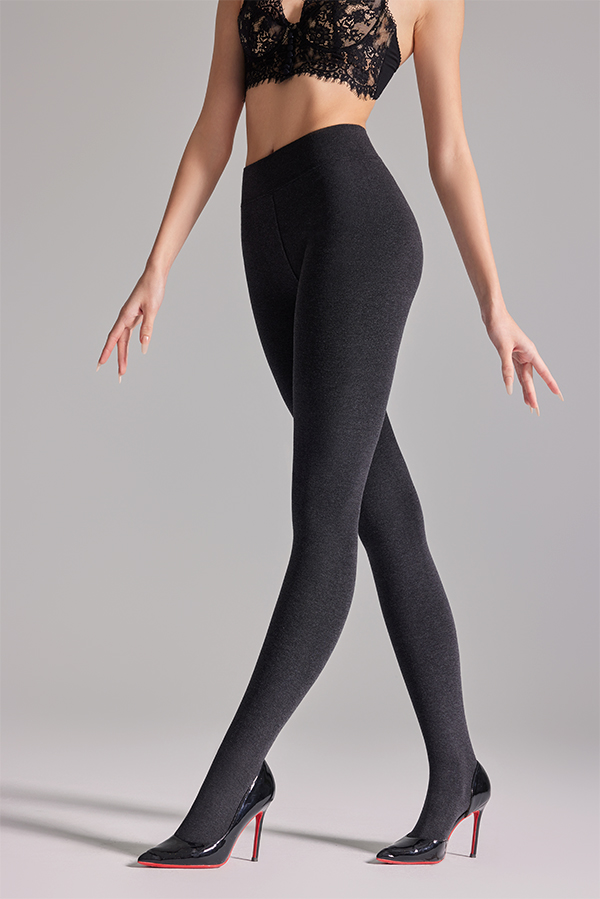
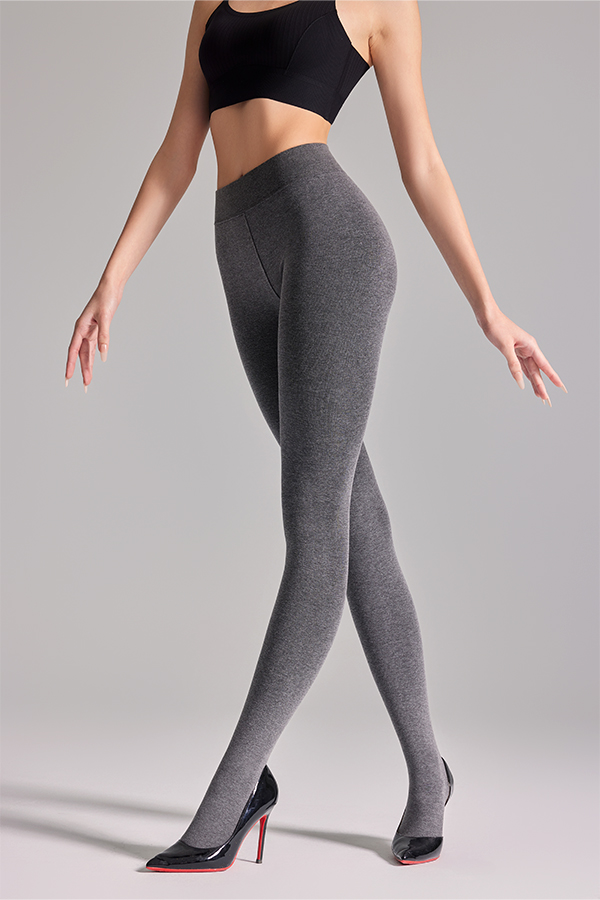
 Expanded panel thermal opaque tights

Our provided products
Children’s clothing must combine comfort, freedom of movement, visual appeal, and dependable performance. Tights are especially important because they sit close to the skin, move with the body throughout the day, and are often worn under dresses, skirts, shorts, school uniforms, or seasonal outfits. The Star Printed Kids Tights, identified as product 6022, are designed to meet these everyday requirements while adding a playful star pattern that makes a practical garment more attractive to children and parents alike.
Unlike ordinary plain tights, star printed tights provide a simple way to add personality to children’s wardrobes. The pattern can complement casual clothing, party outfits, schoolwear, stage costumes, and seasonal collections. At the same time, the product retains the essential features expected from quality children’s hosiery: a flexible fit, comfortable stretch, a smooth appearance, and construction suitable for repeated wear.
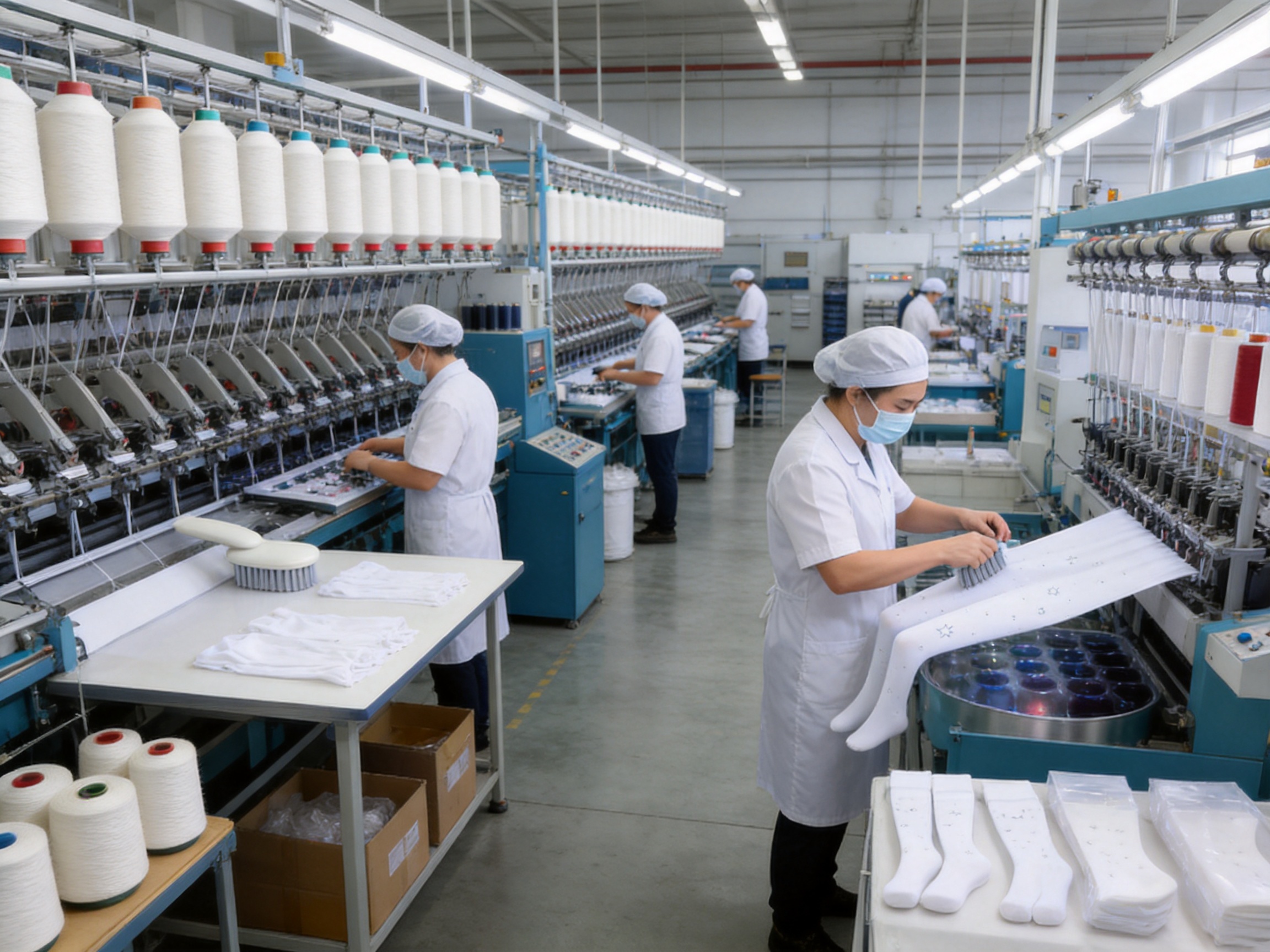
This product is manufactured by Zhejiang Chenyu Knitting Co., Ltd., a Chinese hosiery manufacturer with a production history extending back to 1989. The company has developed a complete hosiery manufacturing system covering yarn research and development, spinning, elasticizing, yarn wrapping, greige weaving, piecing, dyeing, roughening, shaping, inspection, and packaging. This integrated structure gives the manufacturer greater control over materials, production consistency, quality management, and custom development.
For importers, children’s clothing brands, wholesalers, retailers, and private-label buyers, Star Printed Kids Tights offer more than a decorative appearance. They represent a product category supported by specialized machinery, coordinated production processes, and an established OEM manufacturing capability. The combination of a recognizable fashion detail and a controlled production system makes this style suitable for buyers seeking children’s tights that can be developed for different markets and collections.
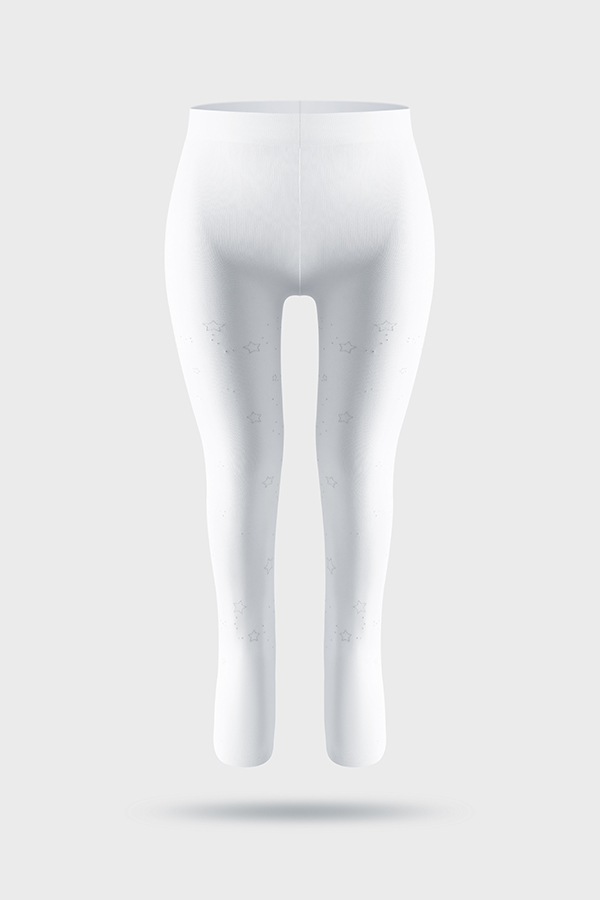
Star Printed Kids Tights
Star Printed Kids Tights are children’s tights featuring an all-over or distributed star-inspired pattern. The design creates a youthful and energetic appearance without making the garment overly complicated. Stars are a versatile fashion motif because they can be used across different age groups, seasons, and clothing styles. Depending on the selected base color, scale of the print, and density of the pattern, the same concept can be adapted for everyday wear, holiday collections, boutique fashion, or promotional ranges.
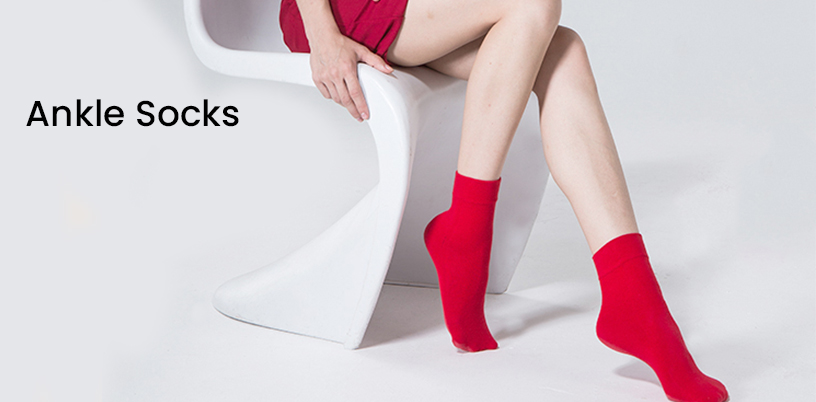
The product belongs to the Kids Tights category and is part of a broader hosiery product range that includes ankle socks, knee highs, hold-ups, garter stockings, tights, and other hosiery. This category experience is valuable because children’s tights require specialized attention to stretch, comfort, sizing, knitting structure, waistband performance, and finishing quality.
A well-made pair of children’s tights should provide a close but non-restrictive fit. It must stretch sufficiently around the waist, hips, knees, and ankles while returning to its original shape after movement. Children may sit, run, climb, kneel, and play while wearing tights, so the garment needs to accommodate constant changes in posture. The Star Printed Kids Tights are developed within a hosiery manufacturing system intended to support this type of flexible performance.
The product can be considered a practical fashion basic. Its pattern gives the garment an identifiable retail appearance, while the underlying tights construction allows it to be worn with a wide range of children’s apparel. Retailers can position it as an individual fashion item, a coordinated accessory, a seasonal product, or part of a broader patterned hosiery collection.
| Product element | Function and market value |
|---|---|
| Star pattern | Adds a playful, recognizable, and child-friendly fashion detail. |
| Children’s tights construction | Provides leg coverage and supports styling with dresses, skirts, shorts, and uniforms. |
| Stretch-oriented hosiery design | Allows the garment to follow body movement and support a comfortable fit. |
| Integrated manufacturing support | Helps coordinate yarn, knitting, dyeing, shaping, inspection, and packaging. |
| OEM suitability | Allows buyers to discuss colors, pattern variations, packaging, and collection requirements. |
| Product reference 6022 | Provides a clear identification code for development, sampling, ordering, and communication. |
Children’s hosiery is both a functional and visual category. Parents expect comfort and acceptable durability, while children are often attracted by color, pattern, and character. Buyers therefore need products that perform in daily use but also stand out on shelves, online product pages, and catalogues. A star pattern helps meet this dual requirement.
Plain tights remain important, but patterned tights can increase the variety and emotional appeal of a collection. A star design is less dependent on a specific character license or seasonal theme. This can make it easier for brands and retailers to use the product over a longer selling period. Stars can suit autumn and winter collections, partywear, festive ranges, school fashion, and everyday casual clothing.
The motif is also adaptable. A small, closely spaced star pattern can create a delicate appearance for younger children. Larger stars can produce a more expressive fashion effect. Metallic-looking yarns, contrasting colors, tonal designs, or combinations of small and large motifs can provide different market positions while retaining the central design concept. These options can be discussed during OEM development according to the buyer’s target customers and price structure.
From a merchandising perspective, patterned tights can be displayed with dresses, skirts, knitwear, jackets, and accessories. They can be sold individually or grouped into color stories. A retailer may offer black tights with light stars for a classic appearance, pastel versions for spring collections, or deeper shades for autumn and winter. This flexibility supports broader product planning.
Comfort is one of the most important factors in children’s hosiery. Tights are worn directly against the legs and often remain in contact with the skin for many hours. If the fabric feels rough, the waistband is too tight, or the garment loses its shape, children may be reluctant to wear it. Manufacturing decisions therefore affect not only product quality but also customer satisfaction and repeat purchasing.
The knitting structure must provide stretch without creating an excessively heavy or rigid feel. Elasticized yarns and covered yarns can contribute to recovery and fit when selected and processed correctly. The goal is to help the garment remain close to the body while allowing the child to move naturally.
The waistband is another important area. A suitable waistband should hold the tights securely without creating unnecessary pressure. It must also work with different body shapes within the intended size range. Consistent shaping and careful finishing can help reduce rolling, slipping, or uneven tension during wear.
The toe and foot sections also require attention. Children’s shoes and daily activity place repeated pressure on the toes, heel, and sole. A smooth and appropriately constructed toe area can improve comfort, while careful shaping helps the tights sit correctly inside footwear. Product development and inspection should consider these high-use areas rather than focusing only on the visible leg pattern.
Comfort is influenced by more than the fiber itself. Yarn construction, knitting density, dyeing, finishing, shaping, and packaging all affect the final hand feel and fit. Chenyu’s whole-industry-chain structure allows these stages to be coordinated within one manufacturing system, supporting better communication between technical departments and production teams.
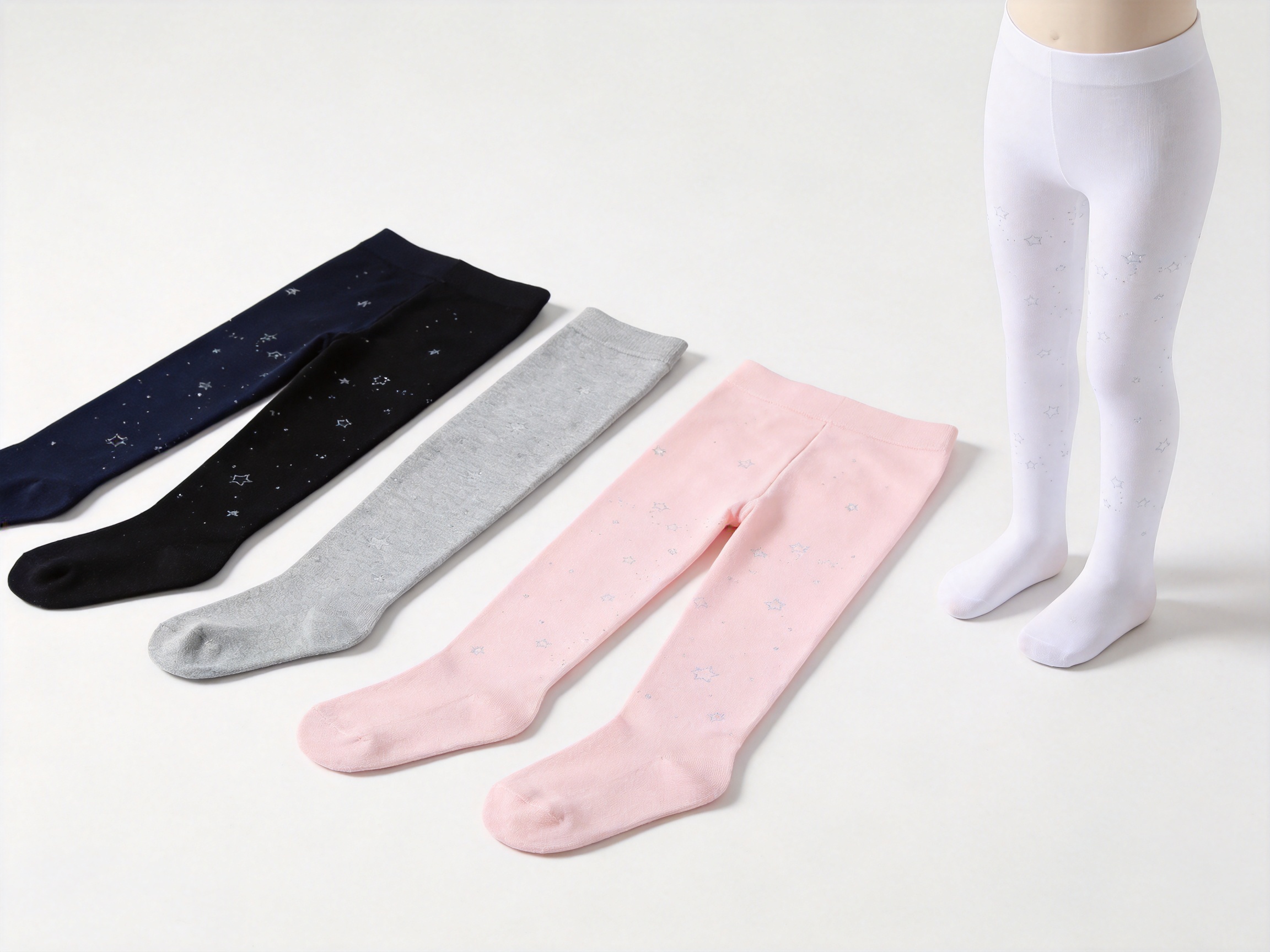
The star motif offers a balance between novelty and commercial versatility. It is decorative enough to make the product different from basic tights, but familiar enough to appeal to a broad audience. Parents may appreciate the design because it can be coordinated with existing clothing rather than requiring a complete themed outfit.
Stars can be paired with solid-color dresses, denim skirts, knit dresses, shorts, tunics, and school-inspired outfits. A neutral base color allows the pattern to work as a subtle accessory, while a brighter base can make the tights the central feature of an outfit. This gives retailers several styling possibilities for product photography and in-store displays.
The design can be positioned in mass-market, mid-market, boutique, and private-label collections depending on material selection, color development, packaging, and order specifications. It is not limited to a single age group or fashion season. This makes the product useful for buyers who want a dependable design concept that can be adjusted for different sales channels.
Many children’s products rely on licensed characters, which can require additional agreements, artwork approvals, and royalty arrangements. A star pattern provides visual recognition without depending on a specific entertainment property. Buyers can develop their own color combinations and collection identity while retaining an appealing children’s theme.
The star design can serve as the starting point for a coordinated hosiery program. Related products may include ankle socks, knee highs, baby tights, adult tights, leg warmers, or other accessories using compatible colors and motifs. A manufacturer with experience across multiple hosiery categories can help buyers consider a broader product family.
Not all children’s tights provide the same level of consistency. Products made with limited process control may show variation in dimensions, uneven pattern placement, weak recovery, inconsistent color, or finishing problems. These issues can lead to customer complaints and make replenishment difficult.
One advantage of working with an integrated manufacturer is the ability to coordinate multiple stages rather than treating each stage as an isolated transaction. Yarn development, knitting, dyeing, shaping, inspection, and packaging can be planned as connected operations. This does not eliminate the need for buyer specifications and quality checks, but it creates a stronger foundation for consistency.
Compared with unpatterned commodity tights, Star Printed Kids Tights offer greater visual differentiation. Compared with highly complex licensed designs, they offer easier brand adaptation. Compared with products made without an established hosiery infrastructure, they benefit from the experience of a company that has developed capabilities across the full production chain.
| Comparison factor | Basic commodity tights | Star Printed Kids Tights from an integrated OEM program |
|---|---|---|
| Visual differentiation | Often limited to plain colors. | Uses a child-friendly star motif to create stronger shelf and catalogue appeal. |
| Product development | May offer limited customization. | Can be discussed through an OEM process covering design, color, packaging, and collection needs. |
| Process coordination | May involve disconnected suppliers. | Supported by a company with yarn-to-packaging production capabilities. |
| Collection potential | Usually treated as a single basic item. | Can be developed alongside other patterned and plain hosiery products. |
| Brand positioning | May compete mainly on price. | Can combine functional hosiery performance with a recognizable fashion concept. |
These advantages should be understood as manufacturing and product-development strengths rather than automatic guarantees. Final performance depends on agreed specifications, materials, size grading, testing, production controls, and inspection standards. Buyers should confirm all technical details before placing commercial orders.
Zhejiang Chenyu Knitting Co., Ltd. was founded in 1989 in Dongyang, Zhejiang, China. After decades of continuous development, the company has established domestic brands, foreign-trade operations, e-commerce departments, and OEM customization departments. This combination allows the company to serve different types of customers while maintaining experience in product development and market requirements.
The company describes its production system as a one-stop whole-industry-chain structure. It covers yarn research and development, spinning, elasticizing, yarn wrapping, greige weaving, piecing, dyeing, roughening, shaping, full inspection, and packaging. In hosiery manufacturing, this degree of vertical integration can support closer coordination between raw materials and finished garments.
Yarn selection influences softness, stretch, appearance, strength, and dye response. A children’s tights program may require different yarn characteristics from an adult fashion hosiery program. Yarn research and development allows the manufacturer to evaluate material combinations according to the intended product use.
For patterned tights, yarn development also affects how clearly the star motif appears and how stable the visual effect remains after knitting and finishing. The yarn must work with the selected knitting structure and target dimensions. A controlled yarn program can help reduce unwanted variation between development samples and bulk production.
Spinning creates the basic yarn structure, while elasticizing contributes to the stretch properties required in hosiery. Children’s tights need enough elasticity to fit comfortably across changing body positions. At the same time, excessive tension can affect comfort and size accuracy.
Careful control of elasticized yarn production helps the manufacturer develop fabrics that balance extension and recovery. This is particularly important around the waistband, hips, knees, and ankles. Buyers can discuss the intended age range, size chart, fabric weight, and fit preference so that the production team can align the material structure with the product’s purpose.
Yarn wrapping can be used to combine or protect yarn components and create the performance characteristics required for hosiery. The quality of this stage may affect the consistency of stretch, surface appearance, and knitting behavior. Stable yarn behavior supports more reliable knitting and can help improve the uniformity of finished tights.
The greige stage produces the unfinished textile structure before later processes such as dyeing and shaping. Knitting settings influence density, transparency, stretch, pattern definition, and overall hand feel. For children’s tights, the structure must provide suitable coverage while remaining flexible enough for active movement.
Pattern development requires coordination between the design file, machine settings, yarn characteristics, and garment dimensions. A star print or knitted motif must be evaluated for scale, spacing, alignment, and repeat consistency. These technical factors determine whether the final product looks polished and commercially suitable.
Piecing connects or assembles the knitted components into a wearable garment. Proper alignment is essential because children’s tights must follow the body from the waist through the legs and feet. Inconsistent assembly may cause twisting, uneven seams, or discomfort.
Manufacturing experience in this stage supports better control of garment shape and seam placement. It also enables the production team to identify areas that may require adjustment during sampling and pre-production review.
Dyeing contributes to the final color, hand feel, and visual quality of the tights. Patterned children’s hosiery may involve a base color and contrasting design elements, so color control is important for achieving the intended appearance. Buyers should provide approved color standards or samples where possible and should establish acceptable tolerances before bulk production.
Color consistency matters across individual pairs, production lots, and coordinated garments. A manufacturer with internal dyeing capabilities can communicate more directly between knitting, dyeing, and inspection teams. This may help reduce delays caused by sending partially finished goods between unrelated suppliers.
Roughening or related surface-finishing processes can be used to achieve a particular texture, warmth, or appearance. The appropriate finish depends on the product’s target market and seasonal purpose. Children’s tights for colder weather may require a different interior feel from lightweight transitional-season tights.
Finishing must be balanced carefully. A surface that is too rough may feel uncomfortable, while insufficient finishing may not provide the desired warmth or appearance. Product development samples allow buyers and manufacturers to assess the result before finalizing a specification.
Shaping gives the tights their final three-dimensional fit. It affects the waist, hips, knees, calves, ankles, and feet. Effective shaping helps the garment follow the body more naturally and can reduce excess fabric or uncomfortable tension.
For children’s products, accurate shaping is particularly valuable because children’s body proportions vary across age groups. A clear size range and measurement chart should be established for every order. The manufacturer’s shaping experience can then be applied to the selected dimensions and fit requirements.
Full inspection is a significant advantage in a product worn close to the skin. Inspection may address visible defects, knitting irregularities, holes, stains, color variation, pattern problems, size deviations, and packaging accuracy. The exact inspection standard should be agreed with the buyer in advance.
Packaging protects the product during transportation and presents it to the end customer. OEM buyers may request specific folding methods, labels, barcodes, inserts, cartons, or retail-ready packaging. Chenyu’s packaging stage allows these requirements to be incorporated into the wider production plan.
The company states that it adopts sustainable fabrics to reduce environmental impact and contribute to a greener future. Material choices should be discussed specifically for each product because the final composition, finishing requirements, and performance targets may vary by order.
Sustainable material selection can involve several considerations, including the source of fibers, durability, production efficiency, dyeing requirements, packaging, and expected product life. For children’s tights, durability is relevant to sustainability because a garment that remains wearable for longer may reduce replacement frequency. Comfort is also important because a product that children willingly wear is more likely to be used regularly rather than discarded early.
Buyers seeking environmentally focused collections should request detailed information about proposed fibers, recycled content where applicable, chemical management, production standards, packaging materials, and available documentation. Sustainability claims should be matched with product-specific evidence and agreed specifications.
An integrated production system may also support more efficient planning. Coordinating yarn, knitting, dyeing, finishing, inspection, and packaging can help reduce unnecessary movement of goods and improve production scheduling. The environmental result depends on factory management, energy use, water management, waste controls, and the particular materials selected.
Star Printed Kids Tights can be used as a ready product concept or as the foundation for an OEM development program. Buyers may wish to retain the star motif while changing the color palette, pattern scale, base fabric, packaging, or size range. The exact possibilities should be confirmed during technical discussion.
Color is one of the simplest ways to adapt the product to different markets. Neutral colors can support schoolwear and everyday collections. Bright colors may appeal to fashion-oriented children’s ranges. Soft pastels can suit younger children, while deeper tones may be preferred for autumn and winter.
Color approval should be handled through physical samples or an agreed color reference. Screen images are useful for initial communication but should not be treated as a final production standard because monitors and lighting conditions vary.
The star design can potentially be adjusted in size, spacing, orientation, density, or contrast. A subtle tonal pattern may be appropriate for a premium basic collection, while a high-contrast design can attract attention in children’s fashion retail. Buyers should consider how the pattern appears when the tights are stretched, since stretching can alter the apparent spacing and shape of knitted or printed motifs.
Children’s sizing varies between markets. Buyers should provide the intended size system, age range, height range, body measurements, and tolerance requirements. A sample fitting process is recommended to confirm waistband comfort, leg length, foot length, rise, and overall proportion.
It is important to distinguish between age labeling and actual body measurements. Children of the same age may have different heights and body shapes, so a well-planned size chart can reduce returns and improve customer confidence.
OEM customers may require private labels, custom hangtags, printed bags, cardboard inserts, retail boxes, barcode labels, or multilingual care information. Packaging should communicate the product’s size, composition, care instructions, country of origin, and any legally required information for the destination market.
Branding can also emphasize the product’s main benefits, such as playful design, comfortable stretch, everyday versatility, or seasonal warmth. All claims should reflect the final product specification and applicable regulations.
Buyers should establish a written quality specification before production begins. For Star Printed Kids Tights, the specification may cover dimensions, size grading, fabric composition, color, pattern placement, waistband width, toe construction, seam quality, labeling, packaging, and acceptable defect levels.
Pre-production samples should be reviewed carefully. The sample should be evaluated on a child-sized mannequin or by an appropriate fitting process where possible. Important checks include whether the tights remain in place during movement, whether the waistband is comfortable, whether the pattern remains visually balanced when stretched, and whether the foot section fits within commonly used children’s footwear.
Bulk production should be compared with the approved sample. Color and pattern variation can be particularly noticeable in patterned hosiery. Buyers may also request measurements from randomly selected finished pairs to confirm compliance with the size chart.
| Inspection area | Suggested review points |
|---|---|
| Appearance | Overall cleanliness, color uniformity, pattern clarity, and absence of visible damage. |
| Knitting quality | Holes, dropped stitches, uneven density, loose yarns, and irregular structures. |
| Fit and dimensions | Waist, hip, rise, leg length, ankle, foot length, and size grading. |
| Elastic performance | Waistband recovery, leg stretch, comfort, and ability to remain in position. |
| Seams and toe | Alignment, smoothness, strength, and absence of irritating excess material. |
| Labeling | Correct brand, size, composition, care information, barcode, and language requirements. |
| Packaging | Correct folding, quantity, carton marking, protection, and retail presentation. |
Brands can use the product to strengthen seasonal collections with a coordinated hosiery accessory. The star motif can support a recognizable design language while remaining adaptable to the brand’s own color palette. A private-label program can help the brand present the tights as part of a complete outfit rather than as an unrelated commodity.
Wholesalers may value the product’s broad styling potential. A single design can be presented in multiple colors and size groups, helping distributors serve independent retailers, department stores, children’s boutiques, and online sellers. The product’s non-licensed star design may also simplify assortment planning.
Retailers can merchandise the tights next to dresses, skirts, knitwear, and seasonal clothing. Their visual pattern provides an easy point of differentiation from plain tights. Online retailers can use close-up product photography, outfit coordination, and size guidance to communicate the product’s appeal.
Depending on the final specification, patterned tights may be suitable for school performances, dance events, holiday programs, photography, or themed activities. Buyers in these areas should confirm the required opacity, stretch, colorfastness, sizing, and care performance before ordering.
A successful hosiery range usually contains a mixture of essential basics and fashion-led items. Plain tights provide dependable volume, while patterned products create visual interest and encourage customers to explore the collection. Star Printed Kids Tights can occupy the fashion-led position while still retaining the everyday function of a children’s basic.
The design can also be coordinated with other hosiery categories manufactured by the same supplier. Matching or complementary star patterns may be developed for ankle socks, knee highs, or other products. A common manufacturing partner can simplify communication, color coordination, packaging planning, and shipment scheduling.
Chenyu’s experience across tights and other hosiery categories provides a foundation for this type of collection planning. Its domestic brands, foreign-trade operations, e-commerce activities, and OEM department indicate experience serving multiple channels and product requirements. Buyers should discuss minimum order quantities, development charges, sample timing, production capacity, and delivery schedules at the beginning of the project.
The first step is to define the target market. Buyers should identify the intended age range, retail channel, season, price level, color direction, packaging requirements, and expected order quantity. This information helps the manufacturer recommend an appropriate product structure.
The second step is design confirmation. The buyer and manufacturer should agree on the star motif, pattern repeat, base colors, contrast level, label placement, and any requested changes. Artwork should be supplied in a usable technical format whenever possible.
The third step is sample development. A physical sample should be reviewed for appearance, hand feel, stretch, sizing, comfort, and construction. If changes are required, they should be recorded clearly so that the next sample can be compared objectively.
The fourth step is approval of the production specification. The final document should include fiber composition, color references, size chart, tolerances, packaging, labeling, inspection requirements, and any special compliance obligations.
The fifth step is bulk production and quality control. Production should follow the approved sample and written specification. Inspection can be arranged according to the buyer’s quality plan, including pre-production, during-production, and final inspections where appropriate.
The final step is shipment and after-sales review. Buyers should check quantities, packaging, carton markings, and documents before dispatch. Feedback from retailers and end customers can then be used to improve future colorways, sizing, or related products.

Children’s tights should be handled carefully to preserve their shape and appearance. Customers should follow the care instructions supplied with the final product because recommended washing methods depend on the selected fibers, dyes, and finishing processes.
General customer guidance may include washing with similar colors, avoiding sharp objects and rough surfaces, and handling the garment gently when putting it on. Children should not pull the tights aggressively from the waistband or stretch the fabric with fingernails. Correct sizing also helps reduce unnecessary stress on the garment.
Retailers should provide accurate size information. If the tights are too small, the fabric and waistband may be placed under excessive tension. If they are too large, the garment may bunch or slip. A clear measurement chart can help parents select a more suitable size.
For buyers, care labeling should be reviewed for accuracy before bulk production. The label must reflect the actual composition and approved washing instructions. Destination-market requirements should also be considered.
They are children’s tights featuring a star pattern designed to add a playful fashion element to a practical hosiery garment. The product is identified as style 6022 and belongs to the Kids Tights category.
The star motif is recognizable, child-friendly, and versatile. It can be coordinated with dresses, skirts, shorts, knitwear, uniforms, and seasonal outfits. It also provides visual differentiation without relying on a licensed character.
The manufacturer operates an OEM customization department, so buyers can discuss private-label requirements such as colors, packaging, labels, size ranges, and design adjustments. Specific customization options, minimum quantities, and development conditions should be confirmed for each project.
The company’s described production system covers yarn research and development, spinning, elasticizing, yarn wrapping, greige weaving, piecing, dyeing, roughening, shaping, full inspection, and packaging. This integrated structure supports coordination from raw material development to finished product delivery.
The company states that it adopts sustainable fabrics to reduce environmental impact. Buyers should request product-specific information about fiber composition, recycled content where applicable, processing standards, packaging materials, and supporting documentation.
Buyers should review the waistband, rise, hip width, leg length, ankle fit, foot length, toe construction, and overall stretch. Samples should be assessed against the intended size chart and, where possible, evaluated through an appropriate fitting process.
Pattern changes such as scale, spacing, density, and color contrast may be possible through OEM development. The buyer should provide artwork or clear design instructions and review a physical sample before approving bulk production.
A specification should include product reference, fiber composition, colors, pattern details, size chart, measurement tolerances, waistband requirements, construction details, labeling, packaging, inspection standards, order quantity, and delivery expectations.
The design concept can be adapted for different seasons, but the appropriate fabric weight, finishing, and construction should be selected according to the intended climate and use. Lightweight versions may suit transitional weather, while warmer constructions may be preferred for colder conditions.
An integrated production chain can improve communication between yarn development, knitting, dyeing, finishing, shaping, inspection, and packaging teams. It may also support more consistent development and make it easier to coordinate related hosiery products. Buyers should still establish clear specifications and perform suitable quality checks.
Star Printed Kids Tights combine a practical children’s hosiery format with a versatile and appealing star pattern. Their value lies in the relationship between appearance and function: the design can attract children and parents, while the tights remain suitable for everyday styling and seasonal collections.
The product is supported by the manufacturing capabilities of Zhejiang Chenyu Knitting Co., Ltd., a hosiery company founded in 1989 with experience in domestic brands, foreign trade, e-commerce, and OEM customization. Its described one-stop production system covers the stages required to transform yarn into inspected and packaged hosiery, including research and development, spinning, elasticizing, yarn wrapping, greige weaving, piecing, dyeing, roughening, shaping, inspection, and packaging.
For brands, wholesalers, retailers, and importers, this combination provides a useful platform for product differentiation and collection development. The star motif can be adapted through colors, sizes, pattern variations, and packaging, while the integrated factory structure supports communication across the production process.
As with any apparel product, final quality depends on material selection, technical specifications, sample approval, production control, inspection, and compliance with the destination market. When these factors are managed carefully, Star Printed Kids Tights can become a strong addition to a modern children’s hosiery assortment: visually engaging, commercially flexible, and supported by an experienced OEM manufacturing system.
1. Product information supplied for Star Printed Kids Tights, product reference 6022.
2. Company information supplied for Zhejiang Chenyu Knitting Co., Ltd., including its history, production system, OEM services, and hosiery categories.
3. General principles of knitted hosiery construction, including yarn selection, elasticization, shaping, finishing, and garment inspection.
4. General children’s apparel product-development practices relating to sizing, fit evaluation, labeling, packaging, and quality control.
5. General sustainable textile considerations relating to fiber selection, product durability, production efficiency, and packaging management.