
 English
  Español
  Deutsch
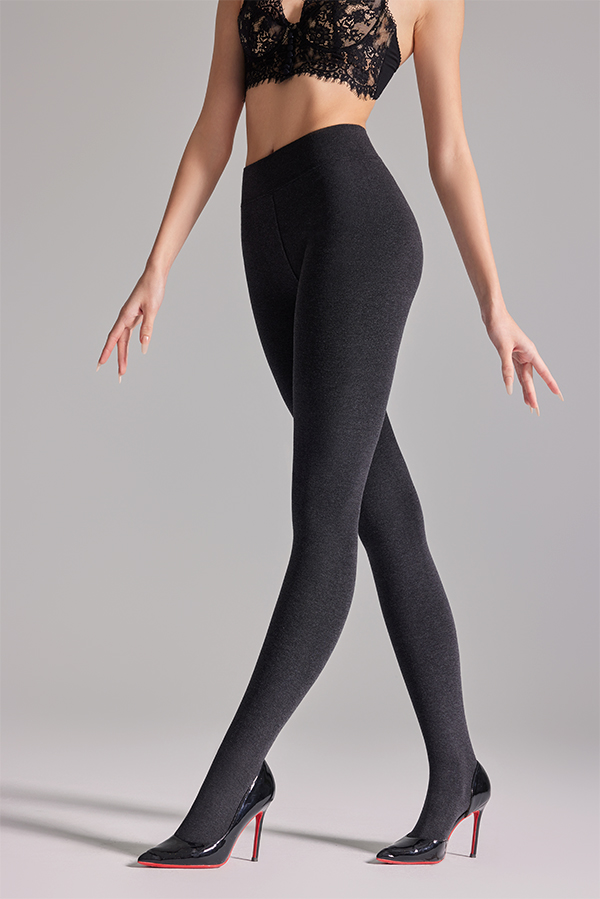
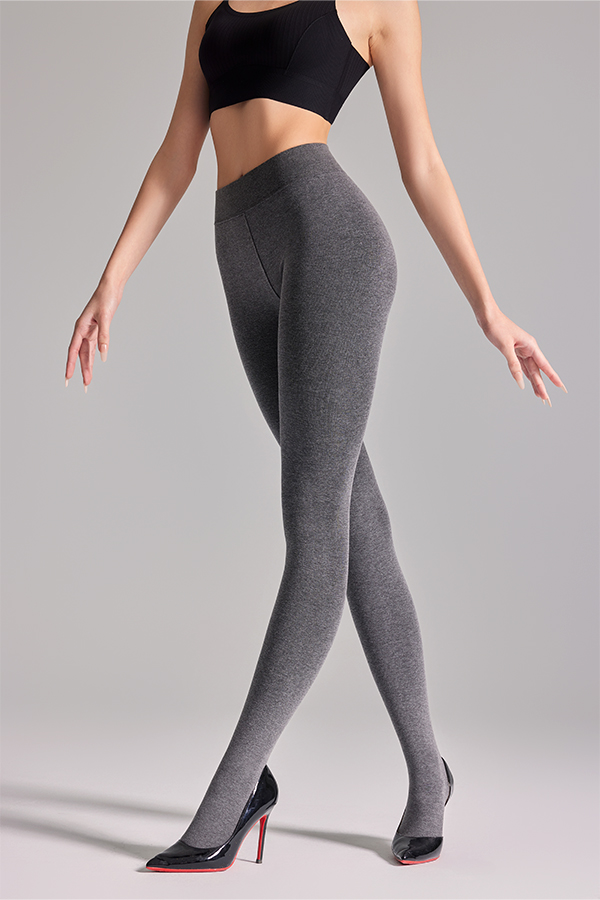
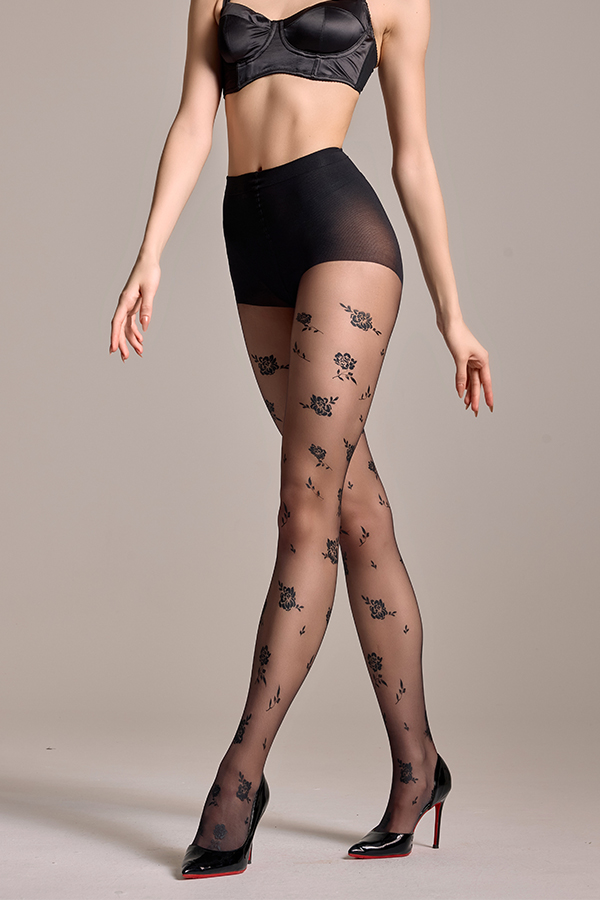
 Expanded panel thermal opaque tights

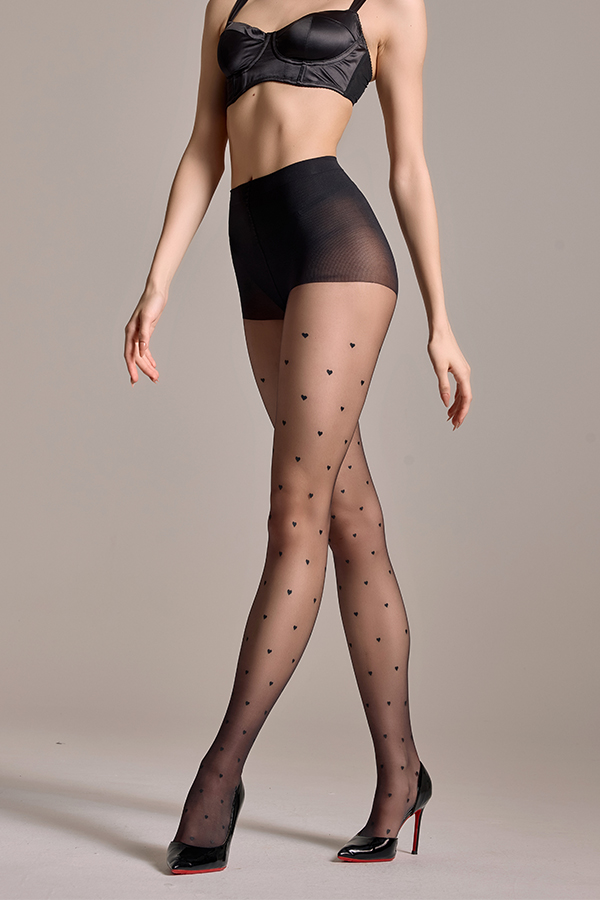
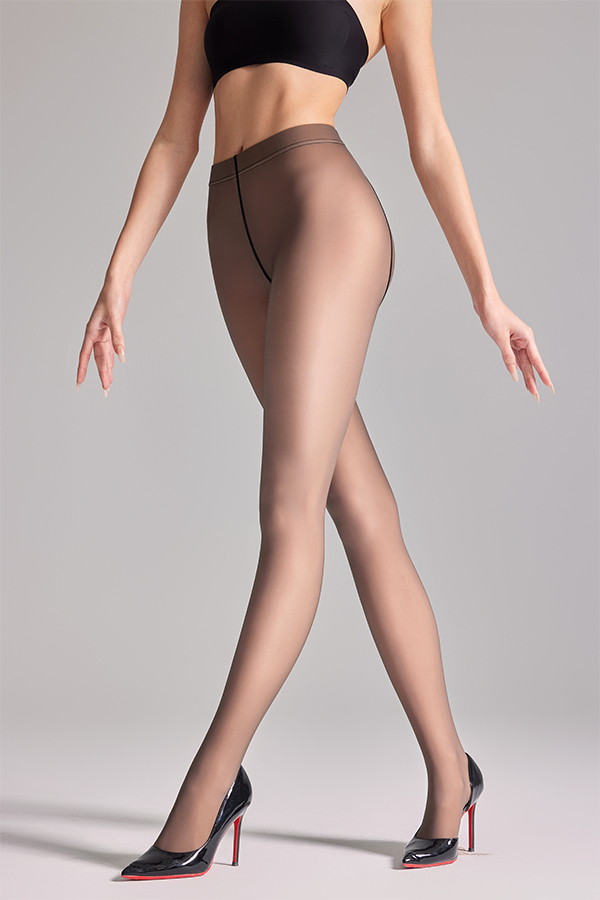
Our provided products

For buyers placing hosiery orders in thousands of pairs, the specification of a sheer tight needs to remain consistent from the production lot to the last carton. Small differences in denier, color, elasticity, or knitting density can become noticeable when products are sold under the same style number. This makes Sheer Tights Wholesale a manufacturing and quality-control task as much as a purchasing decision. Material selection, knitting settings, dyeing, shaping, inspection, and packaging all contribute to batch consistency.
The production of Sheer Tights Wholesale products commonly begins with nylon and spandex yarns. Their proportions and characteristics influence stretch, recovery, transparency, hand feel, and the way the finished tights fit.
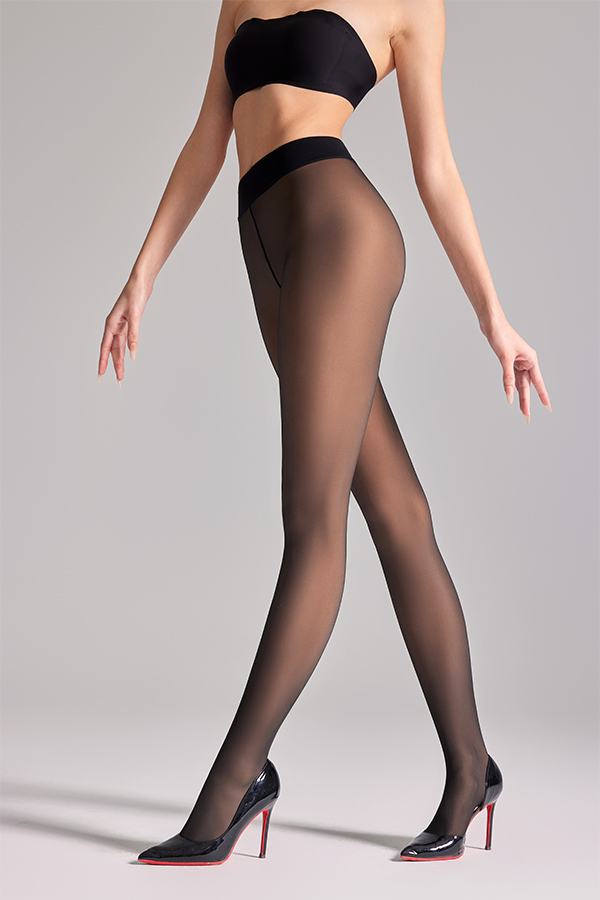
Different products can use different material ratios and denier specifications. For example, a 5D plain sheer tights product listed by Zhejiang Chenyu Knitting uses 88% nylon and 12% spandex, while a 15D gusset style uses 90% nylon and 10% spandex. These differences show why buyers need to approve a specific composition rather than treating all sheer tights as one standardized material.
At the factory, incoming yarn can be checked against the approved material specification before entering production. Maintaining records for yarn batches also provides a reference when repeat orders are manufactured months later.
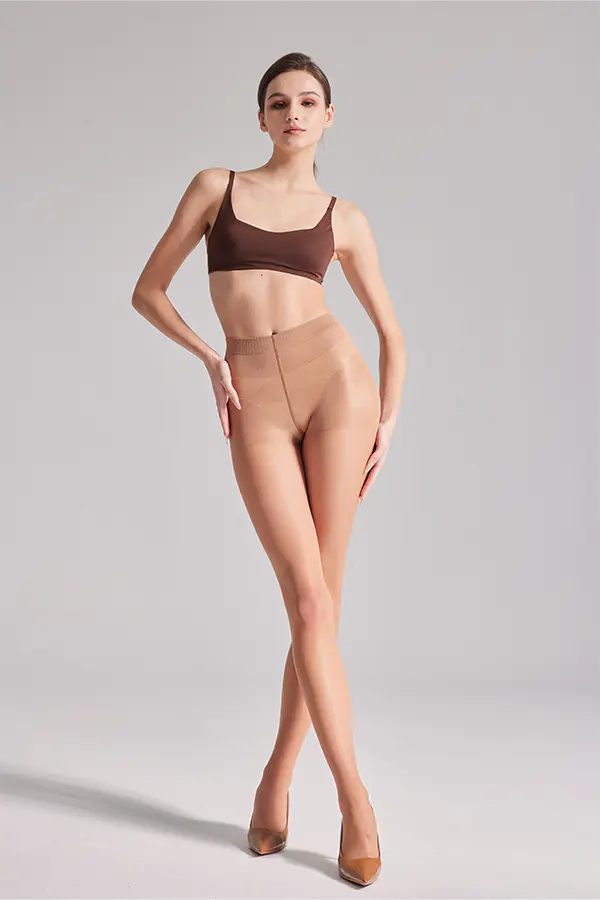
A Sheer Tights Wholesale order can involve very lightweight fabric, making knitting consistency particularly important. The machine setting, yarn tension, knitting density, and fabric formation need to correspond with the approved product specification.
During production, operators can monitor fabric appearance and identify issues such as uneven knitting, visible defects, or inconsistent stretch. The knitted fabric then moves through subsequent processes according to the product design.
The factory's production chain covers stages including yarn development, spinning, elasticizing, yarn covering, greige knitting, dyeing, shaping, inspection, and packaging. This integrated process provides multiple checkpoints rather than relying only on final-product inspection.
For Sheer Tights Wholesale, denier is one of the specifications buyers normally need to confirm. A lower-denier product can provide a more transparent appearance, while a higher specification changes the fabric's visual and physical characteristics.
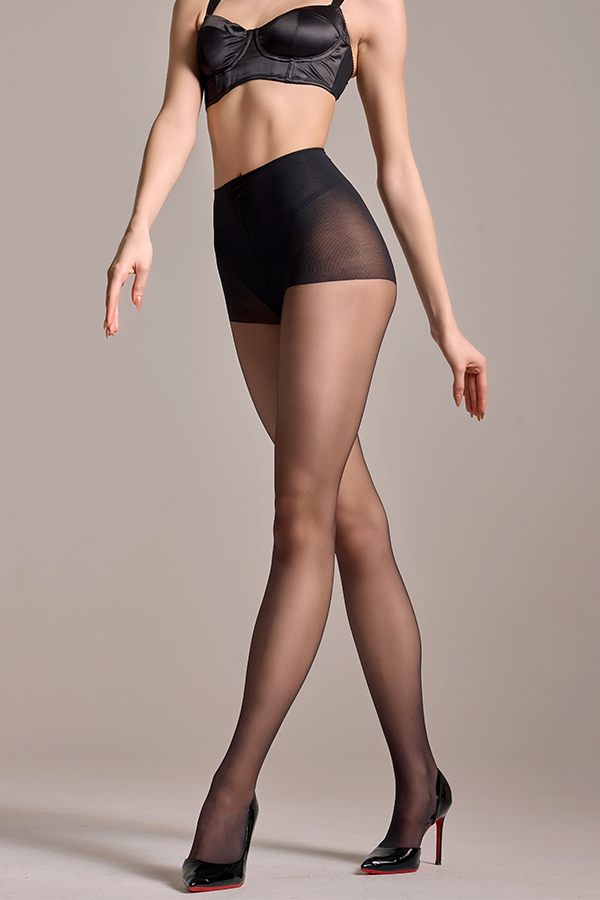
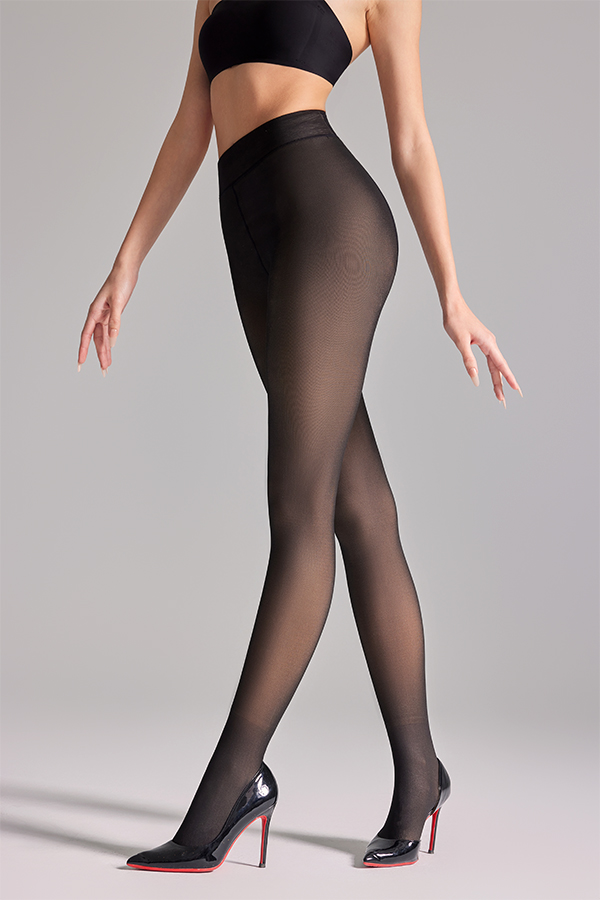
Construction details also vary between products. Plain styles, gusset constructions, high-waist designs, and run-resistant styles can require different production arrangements. Current factory products include 5D plain sheer tights, 15D plain gusset sheer tights, and 15D V-line run-resistant styles, with customizable colors and sizes.
For private-label or wholesale buyers, approving a pre-production sample against the final technical specification can reduce ambiguity before bulk manufacturing begins.
|
Procurement Item |
What The Buyer Should Confirm |
Factory Control Point |
|
Denier |
Required thickness specification |
Yarn and knitting parameters |
|
Fiber content |
Nylon/spandex ratio |
Incoming material inspection |
|
Color |
Approved shade and tolerance |
Dyeing and batch records |
|
Size |
Size range and measurements |
Shaping and dimensional inspection |
|
Elasticity |
Stretch and recovery requirements |
Fabric and finished-product checks |
|
Construction |
Plain, gusset, waistband, toe, etc. |
Knitting and sewing/assembly |
|
Packaging |
Bag, carton, label, quantity |
Final packing inspection |
These details are especially relevant to Sheer Tights Wholesale orders because a shipment can contain thousands of identical-looking products. A small deviation repeated across a complete batch can create a larger commercial issue than an isolated production defect.
Wholesale buyers may require customized colors, sizes, packaging, labels, or product construction. The factory product pages indicate customizable colors and sizes for several sheer tights styles, while packaging quantities can also be adjusted according to order requirements.
For a Sheer Tights Wholesale program, customization should be documented before production. A purchase specification can identify yarn composition, denier, color reference, size range, waistband design, gusset type, toe construction, logo requirements, and packaging format.
This documentation gives production, inspection, and packing teams the same reference and makes repeat orders easier to manage.
Final inspection for Sheer Tights Wholesale can cover fabric appearance, dimensions, elasticity, color consistency, seams, waistband construction, toe condition, and visible defects. Sampling quantities can be established according to the buyer's quality requirements and order size.
Packaging inspection is also relevant for export orders. Carton quantity, product labels, individual packaging, size identification, and packing lists need to correspond with the approved order information.
For B2B buyers, the practical value of factory inspection is not limited to identifying defective pieces. It also provides a documented checkpoint that the finished batch matches the agreed product specification before the goods enter international logistics.
When repeat orders use the same approved construction, maintaining production records for Sheer Tights Wholesale can help the factory reproduce the required yarn composition, knitting configuration, color, sizing, inspection criteria, and packaging details across subsequent batches.